Location
Mount Vernon, WA 98274

Location
Mount Vernon, WA 98274
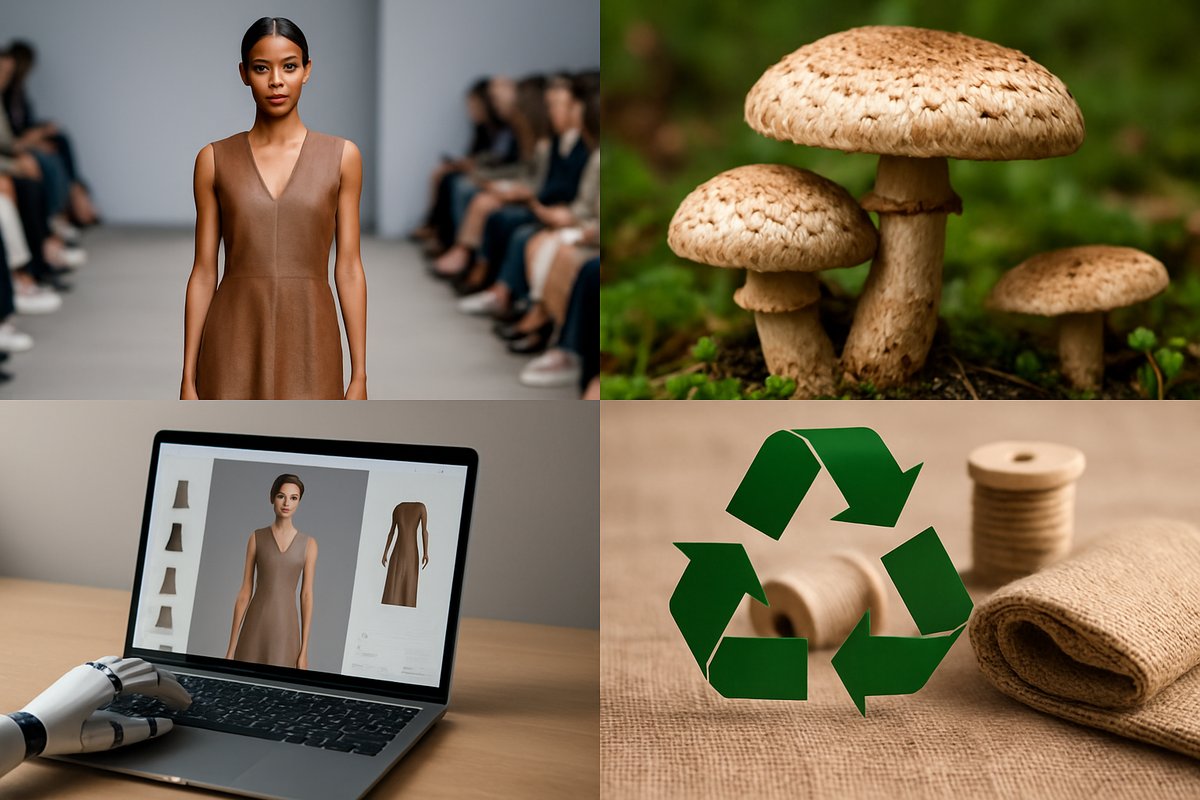
This season's runways showcased a radical shift toward sustainable design, digital innovation, and transparent supply chains. From mushroom-based leathers to AI-driven virtual fittings, the fashion industry is rewriting its playbook-and consumers are steering the change by demanding ethics and circularity.
The latest international fashion showcases have underscored a profound transformation: the convergence of sustainability and technology now defines runway storytelling. Designers are eschewing fast-fashion tropes in favor of materials sourced with minimal environmental impact, while digital tools reshape everything from pattern making to customer fitting experiences. Beyond mere aesthetics, this movement signals a deeper reckoning about the lifecycle of garments and the responsibilities of creators and wearers alike.
At the heart of this shift is material innovation. Mushroom-based leathers, derived from fungal mycelium, popped up alongside regenerated nylon spun from ocean plastics. Algae-derived dyes offered vibrant color without toxic chemicals. Even classic cotton found new life as regenerative agriculture practices enriched soil health rather than depleting it. These developments represent more than gimmicks; they are the building blocks of a circular economy in apparel.
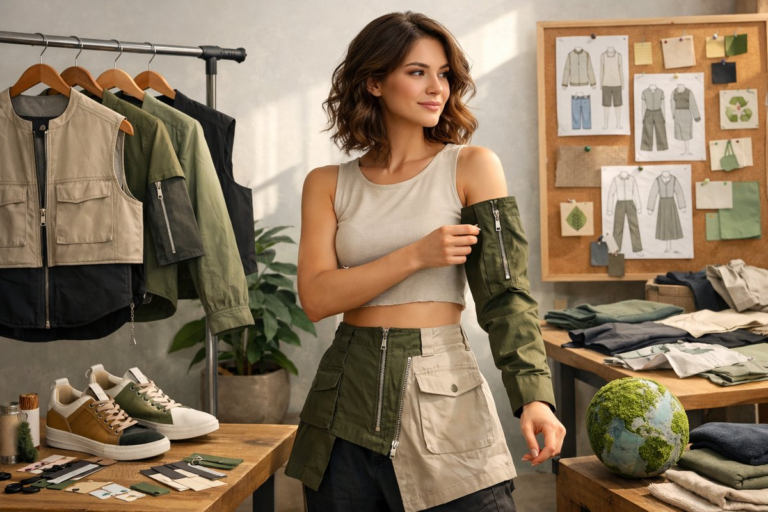
Design houses are embedding closed-loop principles into their core processes. Garments now feature modular construction that allows individual panels to be replaced or recycled. Removable trims and recycled hardware reduce end-of-life waste. Some labels are implementing take-back programs, collecting used pieces to upcycle into new collections. This approach dismantles the traditional cradle-to-grave model and signals a future where clothing can endlessly recirculate.
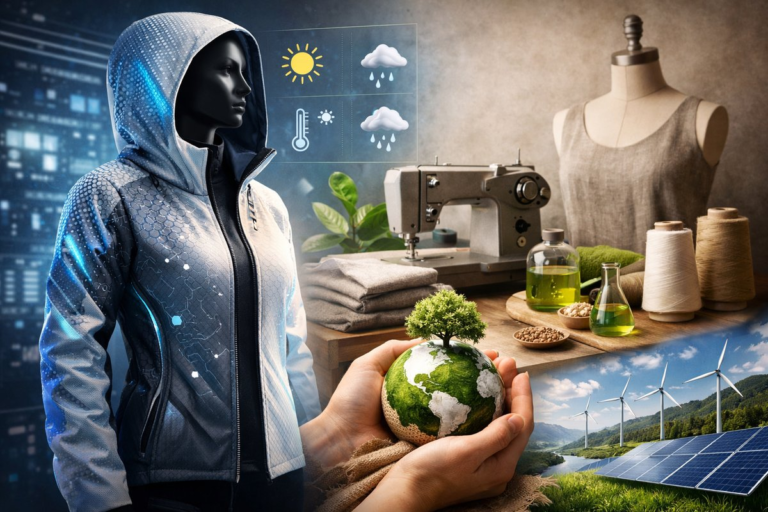
Technology plays an equally transformative role. AI-driven pattern generation can minimize off-cuts by mapping optimized layouts across a digital fabric canvas. Virtual fitting rooms use motion capture and 3D avatars to help customers dial in precise sizes without trying on multiple styles. Blockchain ledgers track every step of a garment’s journey-from raw fiber to finished stitch-offering unprecedented transparency for retailers and shoppers.
Behind the scenes, data analytics tools monitor consumer behavior to forecast demand more accurately. On-demand production has emerged as a viable alternative to bulk manufacturing, reducing costly overstock and markdown waste. 3D knitting machines craft whole garments in a single pass, cutting out swaths of manual labor and creating near zero‐waste apparel. Together, these advances point to a fashion industry more agile, less resource-intensive, and less prone to the boom-and-bust cycles of traditional wholesale orders.
Meanwhile, consumers are playing a decisive role. The resale and rental markets have reached new heights, driven by platforms that make secondhand and temporary borrowing more accessible than ever. Digital consignment shops employ authentication services and doorstep pickup, reducing friction for sellers and buyers. Rental closets now host high-end designs for one-off events, challenging the idea that a special-occasion outfit must be a one-time purchase.
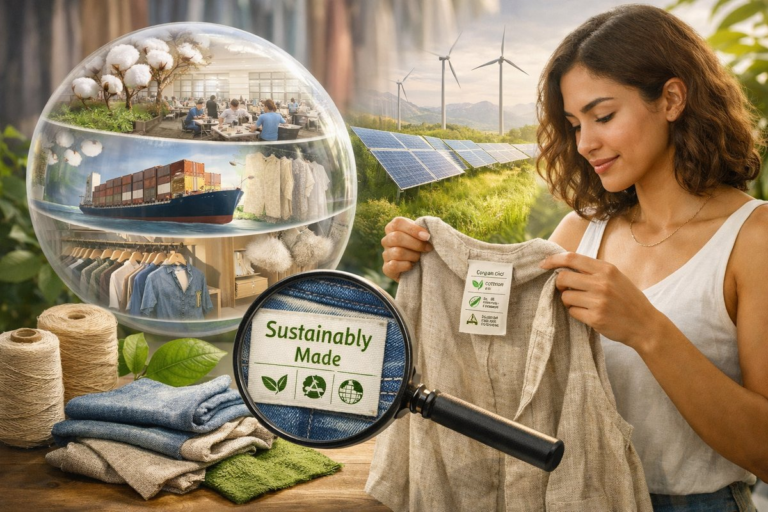
Transparency has emerged as a watchword for shoppers. Mobile apps that scan garment tags can reveal factory conditions, chemical footprints, and carbon emissions associated with each product. Certifications for fair labor, organic farming, and chemical-free dyeing guide purchasing decisions. This data empowers shoppers to vote with their wallets and reward brands that align with their values.
Yet the race toward a greener wardrobe is not without pitfalls. Greenwashing remains an ever-present hazard, with some labels mislabeling conventional fibers as “eco friendly” or overstating small sustainability gains. Consumers must remain vigilant, looking beyond buzzwords to seek verified claims and third-party audits. Cultivating an informed eye is essential to separating genuine innovation from marketing theater.
For those eager to build a conscious closet, a few guiding principles can help. Embrace quality over quantity, choosing timeless silhouettes and durable fabrics rather than fleeting micro-trends. Prioritize multifunctional pieces that can be dressed up or down across seasons. Explore rental or secondhand channels for statement items you won’t wear more than a few times. And always check care instructions-proper maintenance can significantly extend the life of any garment.
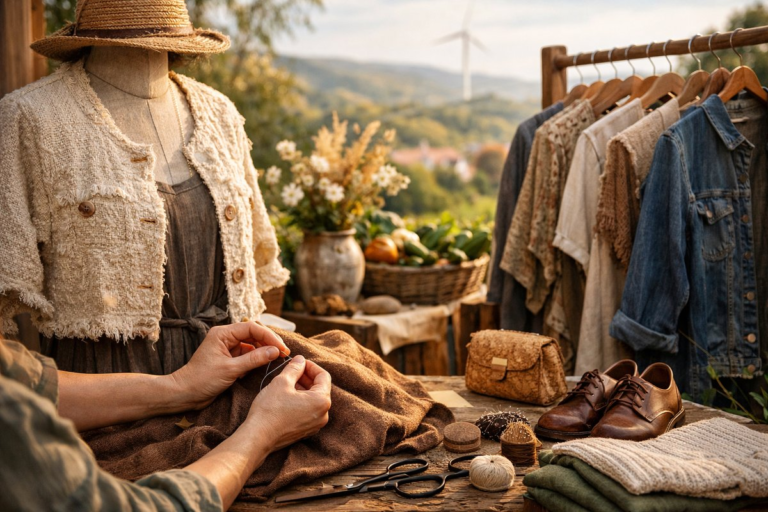
Speaking of care, preserving the condition of your clothing is a practical way to shrink your fashion footprint. Washing at lower temperatures, using gentle detergents, and air-drying whenever possible reduces energy use and fabric stress. Small repairs-like sewing on buttons or patching holes-keep pieces in circulation. Investing in a fabric shaver can breathe new life into knitwear by removing pilling, while a handheld steamer refreshes wrinkles without the risk of scorching sensitive fibers.
Everyday wardrobe staples remain the backbone of sustainable styling. An organic cotton tote bag is ideal for sleeving in purchases, groceries, or work essentials. A bamboo fiber T-shirt offers soft, breathable performance with moisture-wicking benefits that outlast conventional synthetics. Thoughtful staples provide a reliable foundation for capsule wardrobes, reducing the impulse to chase every emerging trend.
Digital designers are also experimenting with virtual garments-NFT-enabled collectibles that can be worn on social platforms through augmented reality filters. Though still nascent, this space holds promise for reducing textile waste by offering purely digital fashion for online identities. Imagine outfitting your avatar in hyper-realistic sneakers without ever cutting a stitch of fabric in the real world.
On the production side, zero-waste pattern making uses algorithmic tools to carve garment pieces from continuous fabric lengths with near 100 percent utilization. Combined with 3D knitting, this approach minimizes scraps and lowers overall consumption. Some studios have even opened source libraries of pattern blueprints, inviting a global community of makers to download, modify, and produce locally-bypassing large-scale shipping emissions.
Material science labs are pushing new frontiers as well. Lab-grown protein fibers mimic silk’s sleek drape without relying on silkworms. Biodegradable plastic alternatives decompose under commercial composting conditions. Algae-based dyes capture brilliant hues while sequestering carbon dioxide during cultivation. These breakthroughs may seem futuristic, but pilot collections have already hit showroom floors this season.
Collaboration is proving essential. Fashion brands are partnering with waste management innovators, textile recycling cooperatives, and software developers to build closed-loop ecosystems. Academic institutions are sharing research on climate-smart fiber crops. International coalitions are pressing for extended producer responsibility regulations that hold brands accountable for their products long after they’ve been sold.
Looking ahead, the trajectory is clear: regulation and consumer activism will continue to shape the supply chain, while technology will unlock new efficiencies and creative possibilities. The apparel sector faces rising pressures-from carbon reporting frameworks to anti-greenwash watchdogs-but it also has unprecedented tools at its disposal. What was once a linear model of take-make-dispose is evolving into a dynamic network where every stitch, every fiber, and every transaction matters.
Fashion today stands at a crossroads. The choices made by designers, manufacturers, and shoppers in the next few years will determine whether the industry sheds its past wasteful habits or doubles down on overconsumption. Amid this upheaval, 21st-century consumers have more influence than ever. By demanding transparency, supporting meaningful innovation, and caring for the pieces they own, shoppers can help cement a new paradigm-one where style and sustainability walk hand in hand.