Location
Mount Vernon, WA 98274

Location
Mount Vernon, WA 98274
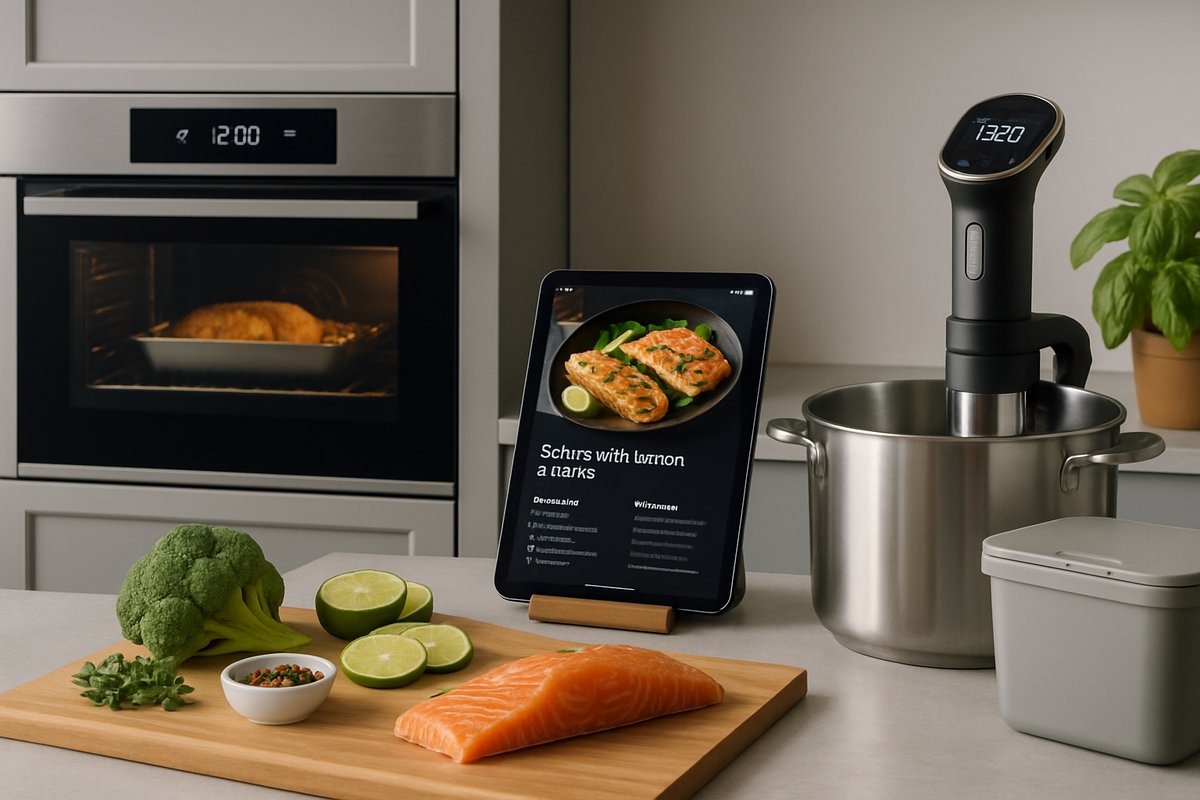
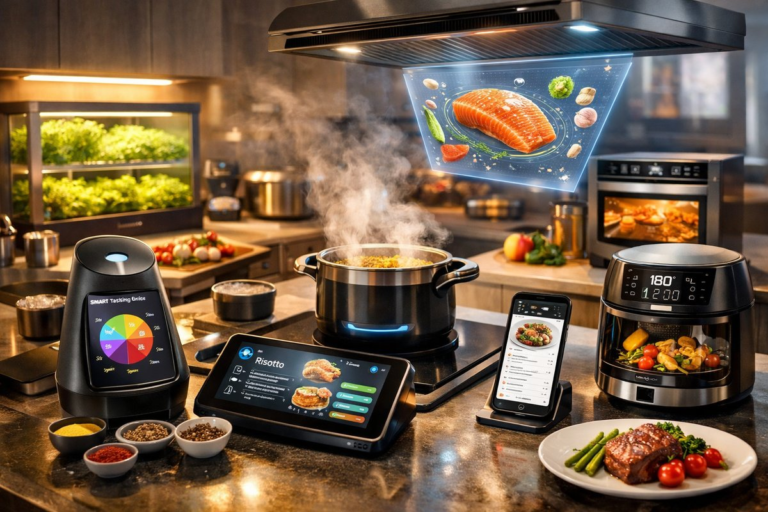
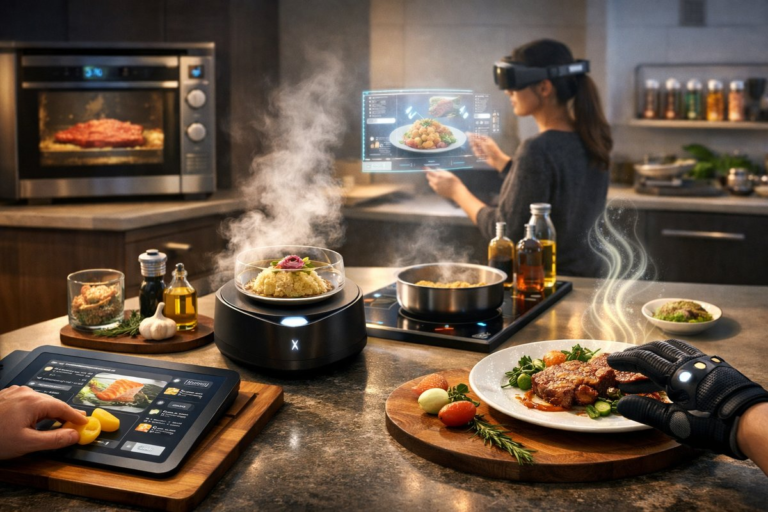
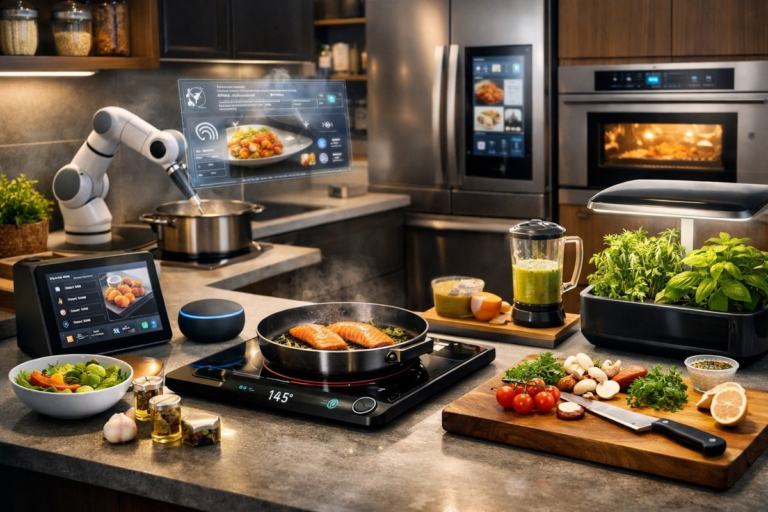
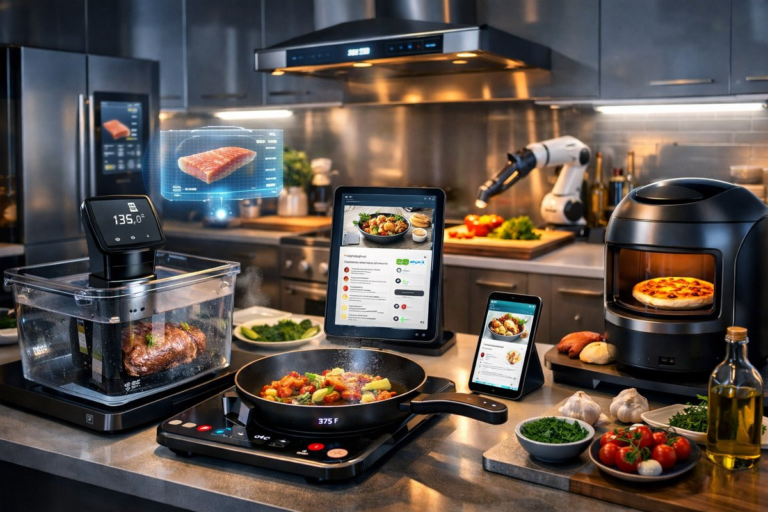
From app-connected ovens to precision sous vide, the latest wave of kitchen technology is reshaping how we prepare meals, manage waste and savor flavors. Home cooks are embracing smart sensors, AI-guided recipes and sustainable tools to streamline routines and spark creativity.
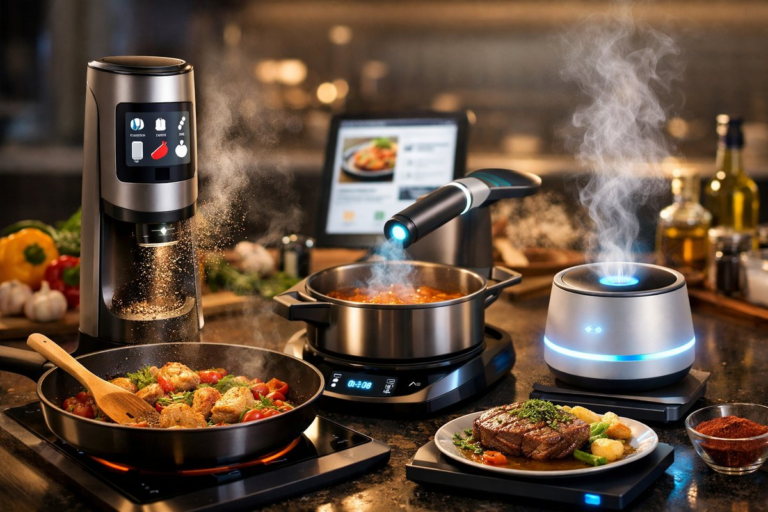
The modern kitchen is no longer just a place where ingredients meet heat. It has evolved into a hub of sensors, apps and automated workflows designed to take the guesswork out of cooking and bring a professional touch to home meals. At a recent consumer electronics expo, startups and established appliance makers alike showcased ovens that automatically adjust temperature based on barcode scans, smart scales that calculate nutrition data in real time and robotic arms that replicate a chef’s most precise stir-fry move. This convergence of hardware, software and data promises to transform daily routines, elevate flavors and reduce waste.
Many cooks begin their day juggling a coffee press, toaster and stove top all at once. In the smart kitchen paradigm, those devices are connected to a central app or voice assistant. Imagine waking up to a gentle notification: your coffee maker has started its brew at the perfect temperature, while the smart countertop oven is preheating for a tray of overnight-soaked oats. By the time you transfer breakfast into a travel-friendly container, your phone displays the exact calorie count and nutritional breakdown. Armed with that data, you can tweak your snack choices later in the day or adjust portion sizes for optimal energy levels.
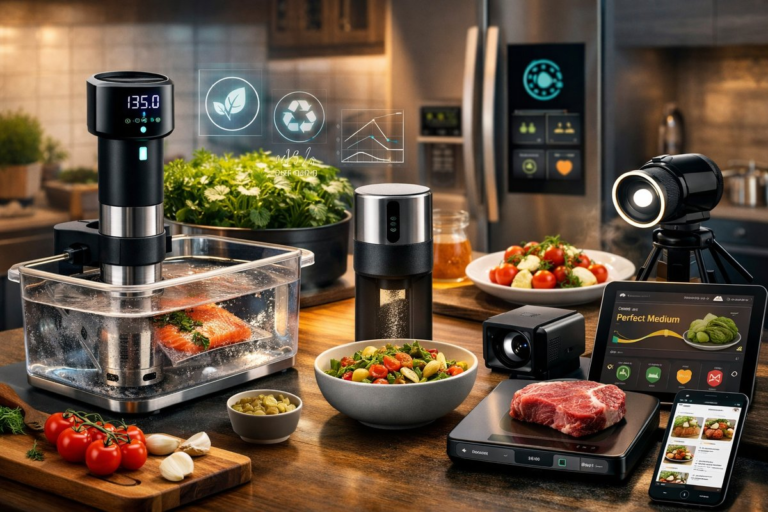
One of the most talked-about features at last month’s showcase was guided cooking technology. Cameras and infrared sensors inside an oven scan food items, then cross-reference a cloud database to detect doneness, browning levels and moisture retention. No more poking steaks or guessing when casseroles are fully baked. The oven’s touchscreen offers step-by-step instructions, and some models even provide video clips demonstrating key techniques-from folding an omelet to chiffonading herbs. Early adopters report fewer overcooked meals and newfound confidence to tackle dishes they once considered too technical.
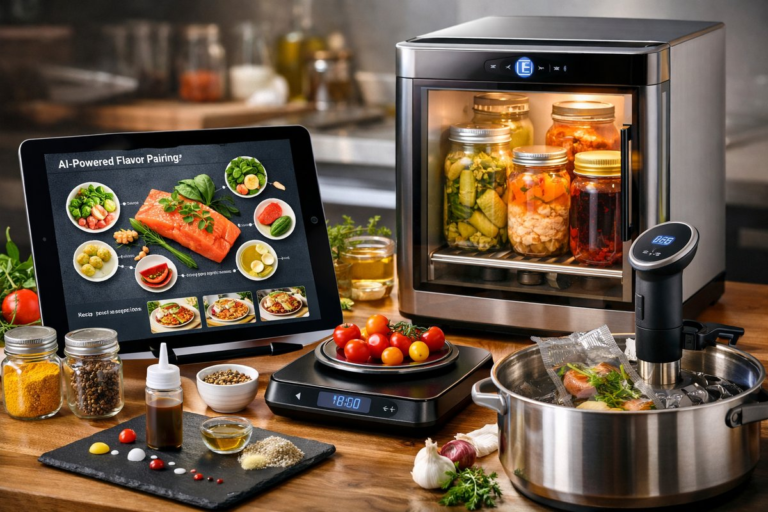
Sustainability was another major theme. According to a recent survey by an international food research group, household food waste accounts for nearly 30 percent of all edible goods produced globally. Tech innovators are responding with smart compost bins that monitor moisture and temperature to accelerate breakdown, alongside vacuum-seal drawers that extend the shelf life of leftovers. Home cooks can track expiration dates through an app, receive meal suggestions for soon-to-expire items and even schedule pickup for community composting services. These small interventions add up, slashing both grocery bills and landfill contributions.
On the frontier of experimentation, a handful of labs unveiled 3D food printers capable of layering plant-based proteins, pureed vegetables and edible gels to create intricate shapes. While still in its infancy, the technology hints at a future where customized nutritional bars, ornate garnishes or savory sculptures could be produced on demand. Imagine generating snack bars tailored to your vitamin needs or printing decorative garnishes for a dinner party. Though home models are not yet on the mass market, prototypes suggest that additive food printing may one day join the ranks of stand mixers and food processors.
In professional kitchens, ultrasonic mixers are already used to extract plant proteins and emulsify dressings. When scaled down for home use, these devices can whip up silky-smooth nut milks, dairy-free cheeses and nutrient-dense smoothies in seconds. By integrating with recipe apps, the gadget can suggest ideal mixing speeds, durations and ingredient ratios. This level of precision helps home chefs recreate artisanal textures that were once only achievable with commercial equipment, expanding the repertoire of both plant-based and traditional cooking.
Voice control remains a big draw for busy cooks. Whether checking timers, adjusting lighting or querying the pantry inventory, hands-free interaction reduces interruptions. Newer virtual assistants for the kitchen have been trained on culinary terminology, enabling them to distinguish between simmer, sauté and sear. Pair that with smart faucets that dispense measured amounts of water, and you get a workflow that feels more like an orchestra than a solo act. These enhancements save time and minimize mess, allowing cooks to focus on flavor profiles and plating.
Despite the appeal, concerns around data privacy and security persist. Cooking appliances that connect to the cloud may inadvertently collect usage patterns, shopping lists and even voice recordings. Experts recommend isolating kitchen devices on a dedicated network segment and reviewing privacy policies to understand what information is captured. Some manufacturers now offer local-only modes, where recipe guidance and firmware updates occur via Bluetooth or a home server, reducing reliance on external cloud platforms.
Affordability remains a barrier for many. Premium smart ovens can cost several times more than traditional models, and subscription fees for recipe databases add recurring expenses. However, as component costs decline and open-source software gains traction, entry-level options are appearing at mid-range price points. Basic Wi-Fi-enabled oven controllers, retrofit kits for existing cooktops and modular sensor packs transform legacy equipment into connected appliances without breaking the bank. For budget-conscious enthusiasts, these plug-and-play solutions provide a taste of the future.
The emotional appeal of kitchen technology extends beyond convenience. For families separated by distance, shared cooking platforms enable remote meal prep sessions. Parents can guide teenagers through a new recipe over video, with synchronized timers and live annotations on each other’s screens. In wellness communities, group challenges encourage members to try a new vegetable every week, track preparation methods and exchange notes on flavor profiles. Technology fosters connection, turning a solitary activity into a collaborative, communal experience.
Looking ahead, interoperability will be key. The next phase envisions open standards for kitchen appliances, akin to existing protocols in home automation. Imagine adding a new blender to your ecosystem and having it automatically recognized by your recipe app, lighting scene and voice assistant. Cross-brand compatibility would allow cooks to mix and match devices, avoiding ecosystem lock-in. Industry consortia are already working on universal connectors, signaling a future where the kitchen works as a cohesive whole rather than a collection of silos.
As innovation accelerates, the importance of user-centered design cannot be overstated. Early devices often prioritized functionality over ease of use, leaving some home cooks frustrated. The latest generation of appliances emphasizes intuitive interfaces, tactile controls and quick-start modes for novices. Built-in tutorials, safety interlocks and adaptive feedback aim to demystify advanced techniques while preventing mishaps. When technology complements rather than complicates, cooks are free to explore flavors, techniques and creative flourishes without fear of failure.
Ultimately, the marriage of food and kitchen technology invites us to reimagine the way we nourish ourselves. These tools promise more than faster recipes or higher yields; they open doors to experimentation, sustainability and deeper culinary confidence. Whether you’re a weeknight cook looking to streamline dinner prep or a culinary hobbyist chasing ever-refined textures and presentations, the smart kitchen era offers something for everyone. The question now is not just what we’ll cook, but how the tools at our fingertips will shape our relationship with food.
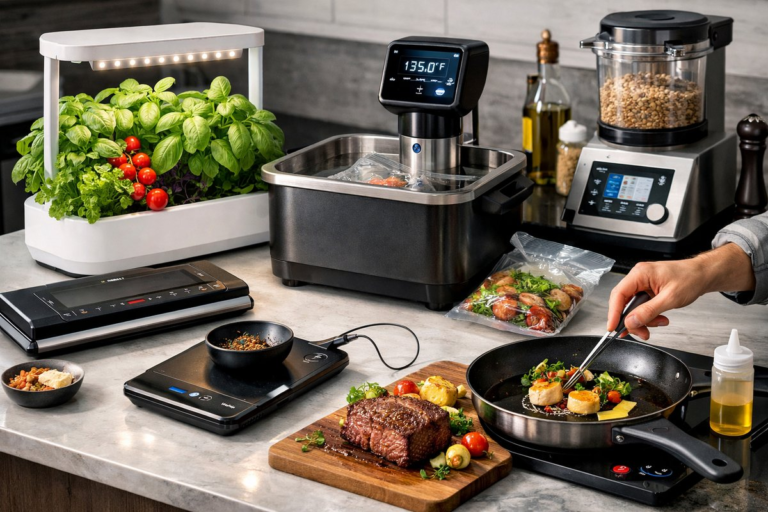
Embracing this wave doesn’t require a wholesale teardown of your kitchen. Incremental upgrades-an app-enabled scale, a precision temperature circulator, a programmable sous vide wand-can deliver immediate returns. As these devices proliferate, their collective impact will redefine our expectations for taste, convenience and sustainability. Cooking may always be an art, but with the right tech at our side, it can also become a science we master with confidence and creativity.