Location
Mount Vernon, WA 98274

Location
Mount Vernon, WA 98274
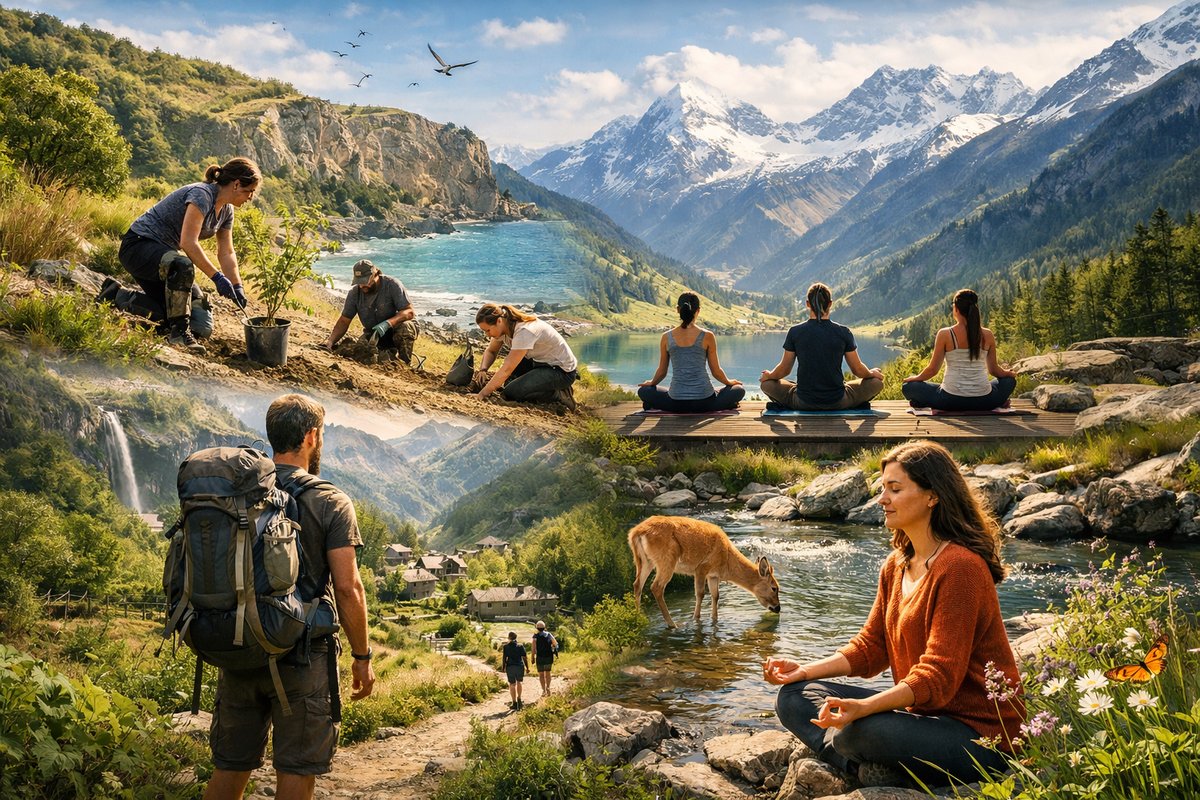
From rewilding projects in island communities to mindfulness retreats in alpine valleys, travelers are redefining adventure with deeper intentions. As a new generation seeks connection, sustainability, and personal growth on the road, purpose-driven voyages are transforming both destinations and those who embark upon them.
Last spring, a group of travelers arrived on a windswept Pacific island to help restore a fragmented coral reef that had suffered repeated bleaching events. Each morning, they dove beneath emerald waves, guided by marine biologists, and planted resilient coral fragments grafted onto artificial structures. By evening, they gathered on sandy shores to map out community-led tourism initiatives that would channel visitor revenue back into reef conservation. What began as a weeklong expedition became a life-changing endeavor-for the volunteers, the marine ecosystem, and the island’s economy.
Such scenes are playing out far more often than they did a decade ago. Industry reports estimate that bookings for conservation-focused travel packages surged by nearly 40 percent in the past two years, driven by a growing desire to align leisure with purpose. Once confined to a niche of intrepid backpackers, purpose-driven journeys now attract families seeking meaningful connections, retirees looking to share professional expertise, and digital nomads craving projects with local impact. Tourism boards, non-governmental organizations, and social enterprises have responded by weaving community service, environmental research, and cultural immersion into classic holiday itineraries.
In the Swiss Alps, a popular mountain lodge now offers guests the chance to assist in alpine meadow restoration. Hikers learn to identify native wildflowers, remove invasive species, and measure soil health. Half of their accommodation fee goes toward funding a youth scholarship for climate research. Meanwhile, in rural Portugal, visitors can join seasonal olive harvests on family-run estates that practice regenerative farming. Each basket of fruit they pick helps pay for local school meals, creating a direct link between their holiday pleasures and a regional generosity campaign.
The appeal of such trips extends beyond altruism. Mindful travel experts say that engaging with real-world challenges heightens a journey’s emotional intensity and cultivates lasting memories. One educational psychologist notes that when travelers contribute to local projects, the sense of agency they feel boosts overall well-being and satisfaction. A volunteer who plants saplings in a wildfire-scarred forest, for instance, often reports a stronger connection to nature and a renewed sense of personal efficacy that resonates long after returning home.
Data from global tourism organizations reveals another key driver: sustainability. With carbon emissions under scrutiny, many travelers want to offset their footprint through hands-on experiences. A week spent installing solar panels on community centers or monitoring reforested plots can outweigh the guilt of long-distance flights. Some tour operators even calculate the net carbon benefit of each itinerary, allowing guests to track real-time environmental impact. By transforming passive offset credits into active restoration work, these programs appeal to eco-conscious adventurers who demand transparency and results.
In East Africa, small lodges nestled near wildlife reserves partner with anti-poaching units and veterinary teams. Guests can accompany rangers on patrol, learning to identify signs of illegal snares and collecting data on animal movements. They also help maintain ranger outposts and equip local scouts with essential supplies. Such immersive programs not only bolster conservation efforts but also foster cross-cultural exchange. Travelers return home with stories of sleeping under canvas beside acacia woodland, waking at dawn to the distant roar of lions, and discovering the resilience of communities coexisting with large predators.
Equally transformative are cultural exchange journeys, where visitors live in village homestays, cook traditional meals, and teach language workshops to local children. In the foothills of the Himalayas, a cooperative of artisans welcomed travelers to learn natural dye techniques and block printing. The visitors produced scarves, table linens, and bags whose proceeds directly support health clinics in neighboring hamlets. By merging craftsmanship with social entrepreneurship, these trips honor centuries-old traditions while creating pathways out of poverty.
The psychology of purposeful travel extends into urban spaces as well. In major cities, volunteer-driven walking tours guide guests through disadvantaged neighborhoods, highlighting nonprofit programs tackling homelessness, youth mentorship, and urban gardening. Participants contribute time or small donations before wandering through murals painted by emerging street artists, stopping at worker-owned cafes and local social businesses. The result is a city experience rooted in empathy and civic engagement rather than passive sightseeing.
But planning a purpose-driven journey requires more than goodwill. Travelers must allocate extra time for training sessions, safety briefings, and cultural orientation. They need durable gear suited for remote lodging, variable weather, and equipment-intensive tasks. Packing the right kit can mean the difference between a fulfilling volunteer placement and a week of logistical headaches. Organizations recommend sturdy footwear for trail restoration, quick-dry clothing for marine redeployment, and reliable power solutions for digital fieldwork. Many operators now compile gear checklists, pairing practical tips with equipment rental options at the destination.
Cost is another important consideration. While the value returned in social and environmental benefits can be immense, some programs carry significant fees to cover facilitation, supervision, and infrastructure. Transparent pricing models break down how much goes toward community wages, project materials, and administrative overhead. Travelers who weigh these details often find that the overall cost compares favorably to high-end resort stays with less authentic experiences.
Crucially, purpose-driven travel is transforming host communities as much as guests. By tapping into tourism dollars, small-scale projects gain financial stability and professional support. Local guides can develop specialized skills, from wildlife tracking to sustainable agriculture, that enhance long-term livelihood prospects. Infrastructure improvements-such as solar-powered water pumps, community kitchen facilities, or upgraded trail systems-benefit both volunteers and residents. Revenue-sharing models reinvest a percentage of ticket sales into social services like healthcare clinics and after-school programs, creating cyclical gains.
Critics caution that voluntourism risks fostering dependency or undermining local labor markets if not carefully managed. Best practices now emphasize co-design: community leaders set priorities, external experts provide training, and visitors contribute alongside residents rather than replacing them. A feedback loop of monitoring and evaluation helps ensure that projects address genuine needs and adapt over time. When done with humility and respect, purposeful travel can strengthen rather than erode local agency.
Looking ahead, the market for journey-with-purpose travel shows no signs of slowing. Advancements in remote health monitoring enable volunteers to assist in tele-medicine initiatives for isolated populations. Citizen science apps turn everyday hikers into biodiversity data collectors. Virtual reality recruitment tours give potential travelers immersive previews of work sites before booking. Even crowdfunding platforms now connect donors directly to program milestones, letting supporters follow tree-planting metrics or sanitation facility installs in real time.
Ultimately, purpose-driven journeys remind us that travel is more than a break from routine-it can be a catalyst for personal growth and positive change. By shifting the focus from consuming destinations to co-creating solutions, travelers discover deeper connections with place and people. Whether planting mangroves on a tidal flat, teaching digital literacy in a mountain schoolhouse, or mapping dark skies for an astronomy reserve, every traveler becomes a contributor to a broader story of stewardship and solidarity. And in that story, each mile truly matters.