Location
Mount Vernon, WA 98274

Location
Mount Vernon, WA 98274
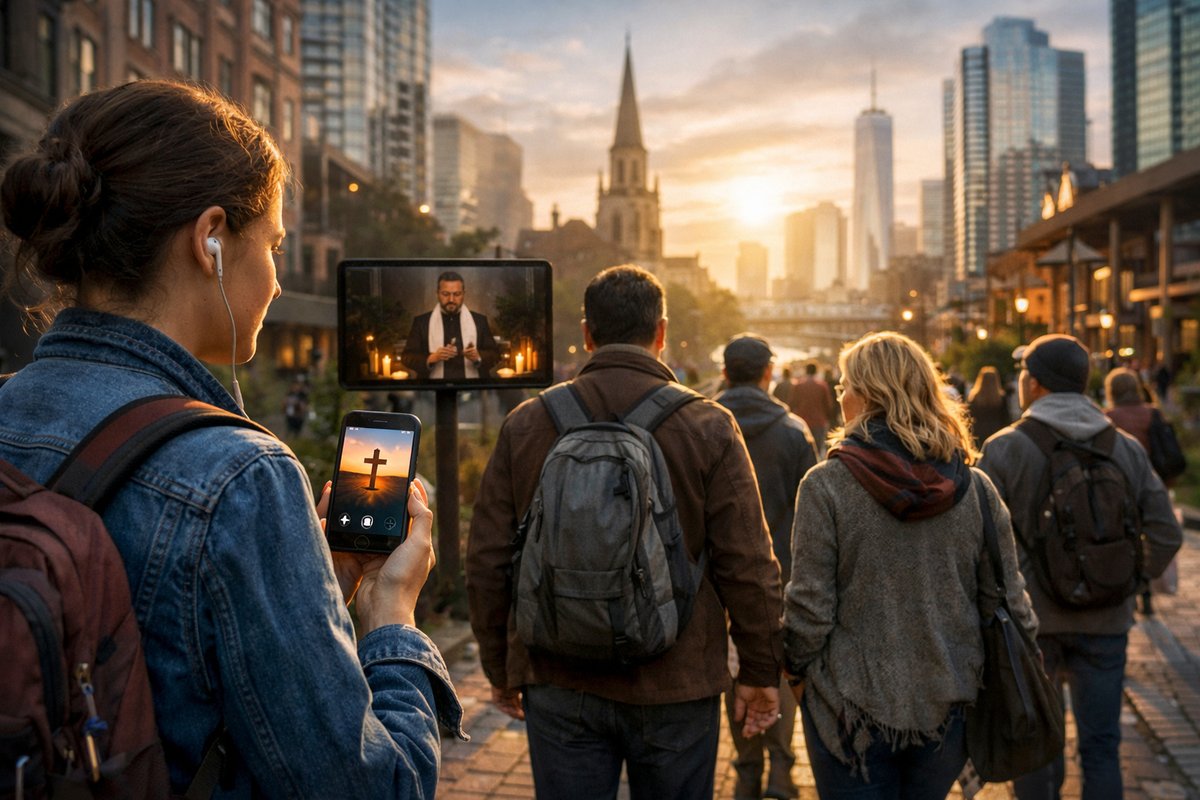
Across North America and Europe, a growing number of Christians are rediscovering the ancient practice of pilgrimage without leaving their cities. Blending prayerful walks through urban neighborhoods with guided meditations delivered via smartphone apps and live-streamed gatherings, believers are finding new pathways to spiritual renewal in an age of digital connectivity.
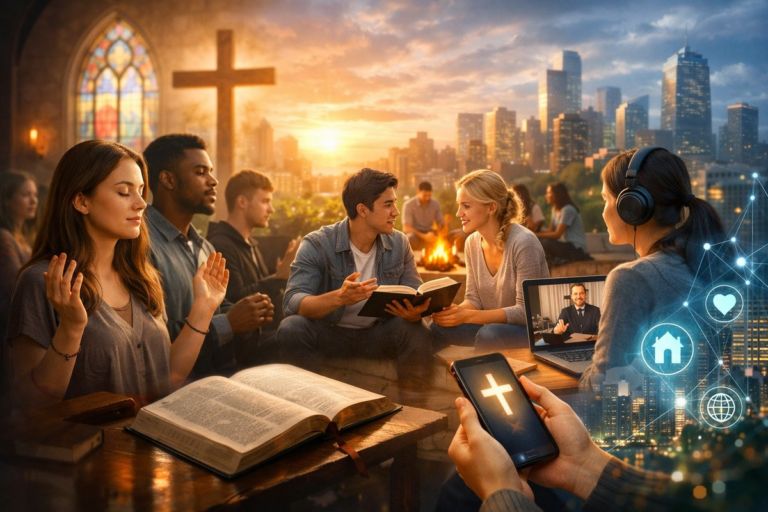
In recent months, city streets have become an unexpected sanctuary for Christians seeking a deeper connection with their faith. Urban prayer walks-structured routes through neighborhoods that highlight landmarks, hidden chapels, and quiet parks-are drawing crowds in dozens of cities. At the same time, digital retreats hosted via video conferencing platforms and specialized meditation apps are encouraging participants to carve moments of stillness into their daily routines, whether they are at home or on the go.
A 2023 survey from a leading research center on religion found that nearly two-thirds of American churchgoers have experimented with spiritual practices beyond the walls of a traditional sanctuary. Respondents cited urban walking routes, forest trails, and virtual retreats as meaningful ways to ground themselves in prayer. Church leaders attribute this shift to a desire for more intimate, experiential forms of worship-ones that resonate with busy schedules and the logistical hurdles of modern life.
On a crisp spring morning in a Midwestern city, a group of two dozen participants gathered at a historic stone church. They carried water bottles, prayer guides, and lightweight walking shoes. The route led them past century-old brick façades and contemporary murals depicting biblical scenes. Every quarter mile, the leader paused to read a psalm, invite a moment of silence, or encourage shared reflections. By the end of the 90-minute walk, several walkers said they felt a renewed sense of purpose and community.
“I’ve always loved the idea of pilgrimage,” said one participant, a nurse who works 12-hour shifts. “I never had the time or resources to go overseas, but this brings the journey to me. I carry my phone loaded with a guided audio meditation, but most of all I carry the intention to look for God in everyday corners.”
Across the Atlantic, urban prayer walks have sprung up in cities of every size. In one European capital, groups meet weekly to follow a dozen stopping points-each one marked with a small bronze plaque that suggests a prayer focus, from gratitude to intercession. In another, walkers pause by a modern sculpture and reflect on how creativity intersects with the divine.
For organizers, the trend represents a fusion of time-honored tradition and twenty-first-century innovation. A theology professor explains that pilgrimage has always been about inner transformation as much as physical movement. The modern twist lies in mapping those movements onto city grids and overlaying them with digital tools. Users can download GPS-based guides on their smartphones, access Scripture readings at each stop, and share reflections in real time via messaging channels.
Digital retreats are following a similar pattern. Over the past year, dozens of Christian nonprofits have launched weekend-long online retreats featuring live-streamed reflections, breakout prayer rooms, and guided contemplative exercises. Participants register online, receive a retreat packet by mail or email, and spend several hours over two or three days in focused prayer, lectio divina, or imaginative contemplation. They join small groups via video call, practice silence together, and even receive one-on-one spiritual direction from trained lay volunteers.
One young teacher described her first digital retreat as “a lifeline.” Working in a bustling elementary school, she struggled to find space for quiet prayer. When she saw an announcement for an online retreat exploring themes of resilience and hope, she signed up on impulse. She cleared her calendar, stocked her kitchen table with tea and paper, and logged on from her apartment. Over three days, she reported feeling “held in prayer” alongside strangers spread across multiple time zones.
Such experiences are more than conveniences-they signal a shift in how Christians define sacred space. The church building remains important, but it no longer holds a monopoly on the setting of spiritual encounter. Sidewalks, study nooks, urban rooftops and even homescreen icons can become thresholds into divine presence.
This democratization of pilgrimage and retreat raises questions about how spiritual practices evolve in a digital age. When participants walk through traffic noise and construction zones, some worry that distractions might dilute the experience. Others argue that encountering the world as it is-unfiltered by stained glass or hushed choir music-invites a more profound awareness of grace in everyday chaos.
Practical tips from seasoned walkers and retreat hosts emphasize intentionality. They advise choosing routes that balance quiet streets with green spaces, keeping pilgrimage guides simple, and setting realistic timeframes. Silence can be practiced in brief intervals between traffic lights. A small backpack with essentials-a water bottle, a low-light reading lamp, and a journal-can support both the physical and spiritual journey.
For those planning a digital retreat at home, organizers recommend creating a dedicated space. It might be a corner of a living room cleared of clutter or a spot in a bedroom with a folding prayer bench. Noise-cancelling headphones can help block out everyday sounds, while a printed schedule taped to the wall maintains a sense of structure. Even simple acts-lighting a candle at the start of a session or opening a special notebook-lend a ritual quality to the day.
Theologically, these innovations echo centuries-old practices. Early Christian pilgrims traced routes to holy sites in Jerusalem or Rome. Medieval monasteries offered hospitality to wandering travelers. Today’s urban and digital pilgrims carry that lineage forward, adapting it to shifting cultural landscapes.
Pastors and spiritual directors report that participants often return to regular worship with fresh insights. They speak of noticing moments of divine beauty in mundane interactions-a barista’s smile, a taxi driver’s kindness-or finding that a particular psalm resonates more deeply after walking past a mural. Digital retreat participants bring renewed habits of silence and attentiveness to their homes and workplaces.
Yet the movement is not without challenges. Some leaders question whether quick online sessions can deliver the same depth of transformation as weeklong, in-person retreats. Others debate how to maintain accountability and genuine community when everyone is behind a screen. Still, most agree that these forms of pilgrimage and retreat serve as gateways rather than replacements. They invite people to rediscover ancient rhythms of prayer, presence and wonder.
Looking ahead, experts predict that hybrid experiences will flourish. Imagine a pilgrim who begins a prayer walk in the city, pauses for a guided video reflection in a secluded courtyard, and then gathers with a local group to share impressions over tea. Or a retreat attendee who spends the morning in digital silence, then joins a small neighborhood assembly for a closing prayer around a fire pit.
In an era defined by rapid change and digital distraction, these emerging practices speak to a universal longing: the search for meaning and quiet courage. Whether measured in city blocks or streaming minutes, every step and every click holds the potential to guide the heart home. As one walker put it, “Pilgrimage isn’t only about the path beneath your feet. It’s about noticing the Spirit moving with you at every turn.”