Location
Mount Vernon, WA 98274

Location
Mount Vernon, WA 98274
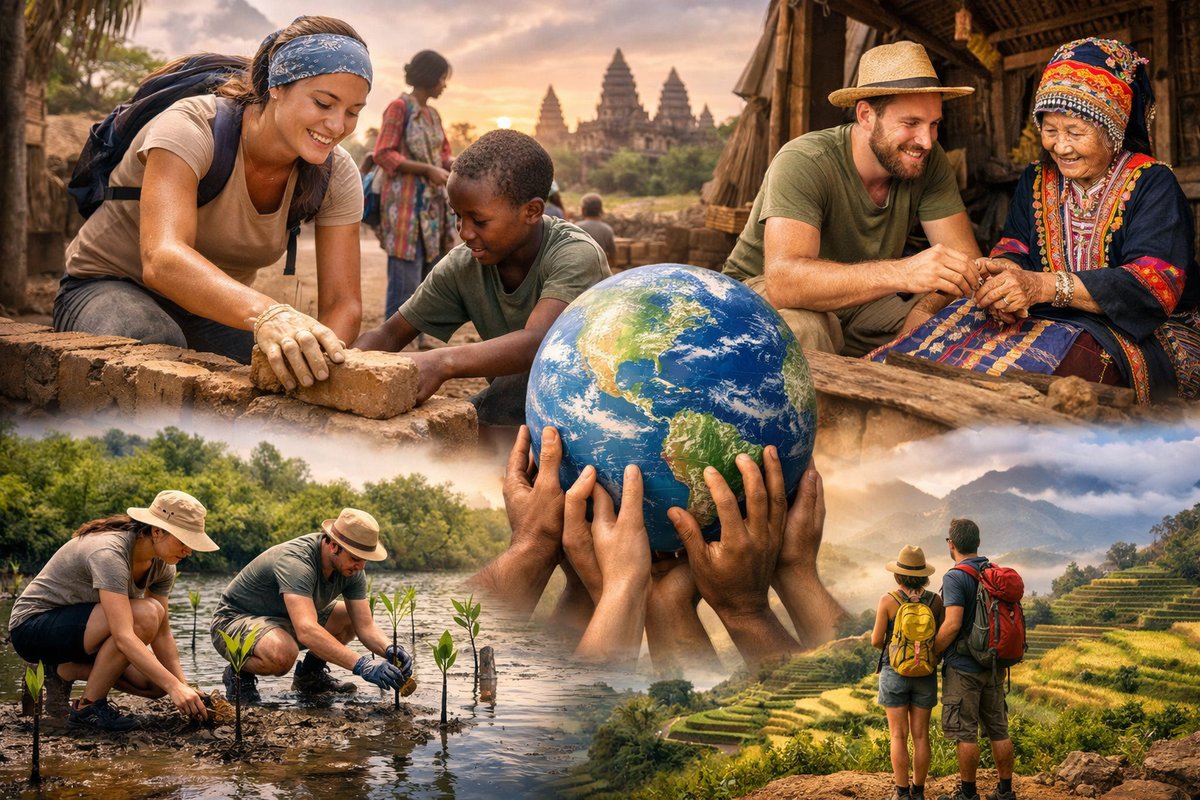
An increasing number of adventure seekers and weekend wanderers are shifting focus from mere sightseeing to purpose-driven travel. Insights from recent surveys reveal how cultural exchanges, community projects, and sustainable practices are shaping unforgettable experiences worldwide.
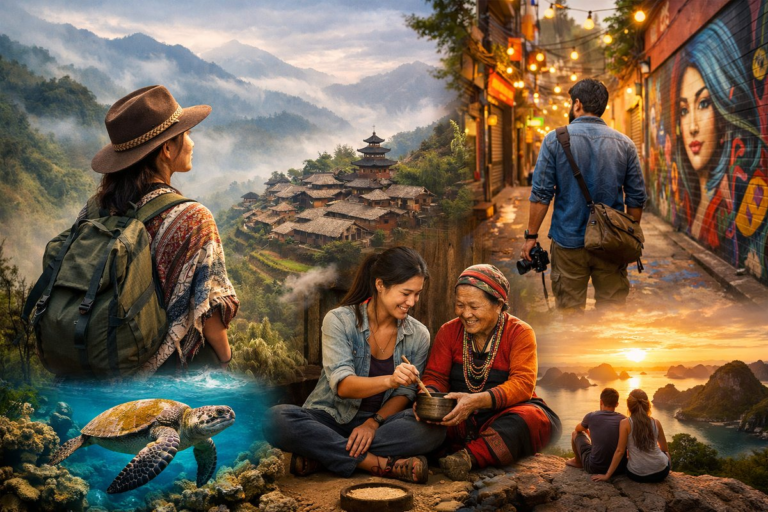
Last spring, a group of urban professionals swapped their concrete routines for the winding alleys of a centuries-old hill town in southern Europe. Rather than ticking off landmark photos, they spent mornings cooking local recipes with resident families, afternoons helping restore a communal garden, and evenings learning regional folk songs by lantern light. What began as a simple getaway evolved into a week of cultural immersion, hands-on contribution, and genuine human connection.
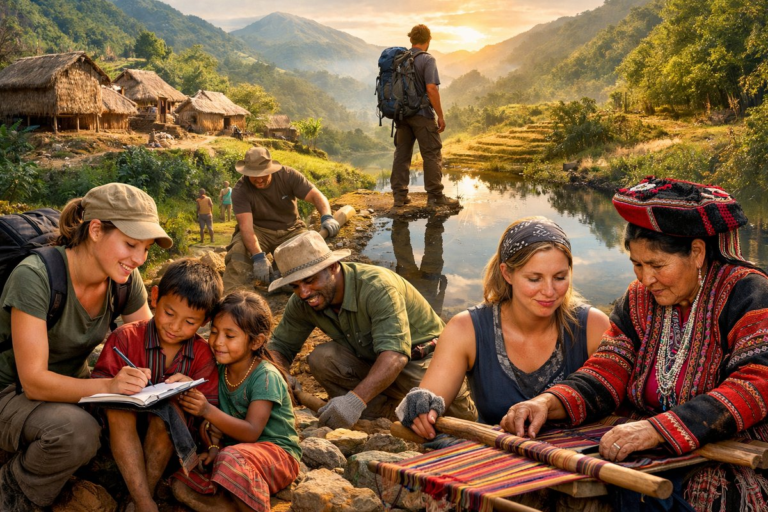
This shift toward purposeful travel is more than a passing trend. A 2023 survey conducted by an international hospitality platform found that seven out of ten travelers now seek experiences that blend tourism with community engagement or environmental stewardship. From rice-terrace restoration in Southeast Asia to wildlife monitoring in African reserves, modern voyagers are demanding more from their itineraries-seeking depth over degrees of latitude and longitude.
“Travel used to be about collecting places,” explains a research director specializing in tourism trends. “Today, people want to collect stories, skills, relationships.” This sentiment resonates with eco-conscious explorers who post-pandemic have reprioritized activities with tangible local impact. In Costa Rica, an eco-lodge reports a 40% year-over-year rise in guests joining reforestation workshops. In Nepal, community-run tea plantation tours now attract dozens of visitors each month eager to learn traditional picking techniques.
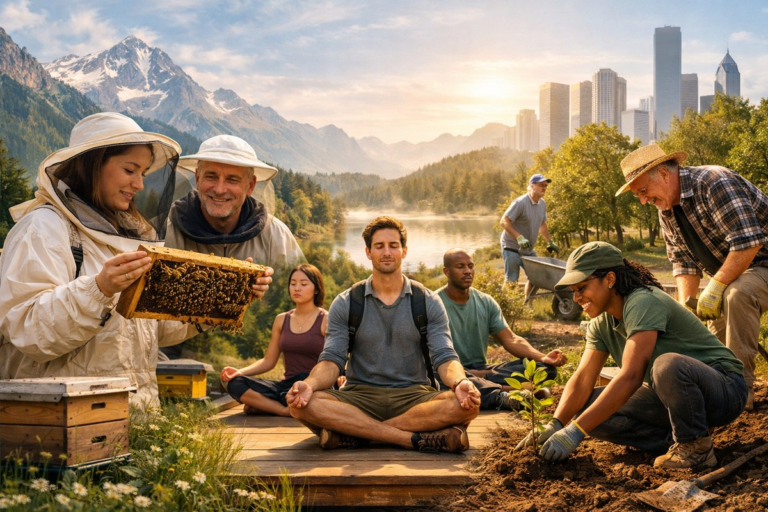
Weekend adventurers are joining the movement as well. One grassroots network of city dwellers organizes monthly “urban retreats,” converting vacant lots into pop-up micro-gardens for foraging workshops and pollinator habitat projects. Participants say these daylong excursions feel more restorative than a typical spa package-partly because they’re building something that outlives their visit. For families juggling busy schedules, short-form volunteering paired with outdoor activities offers a way to bond and cultivate global citizenship at home.
Remote workers have found unique intersections between productivity and purpose. A growing number are signing up for month-long residencies in small towns across Europe and Latin America, where they’ll exchange remote work hours for guided hikes that monitor biodiversity or language lessons with seniors. One resident in Portugal logged data for an amphibian monitoring project while finishing a software rollout; on weekends, they accompanied a local artisan to harvest cork bark. These hybrid residencies not only break the monotony of home offices but also inject travel with meaning-crafting a personal narrative that blends vocation, exploration, and service.
Travel operators are responding by packaging trips that foreground collaboration and learning. A leading adventure outfitter now offers “co-create” itineraries, where participants co-design the route with village councils, selecting stops that need volunteers, from trail clearing to youth tutoring. Social impact metrics are shared in real time: kilometers of trail restored, number of seedlings planted, hours of language exchange completed. This transparency fosters accountability and creates a shared sense of achievement that transcends passport stamps.
Technology also plays a pivotal role. Mobile apps now connect travelers with vetted community partners, matching skills-such as photography, teaching, or manual labor-with local needs. An open-source platform tracks volunteer hours and project outcomes, automatically generating micro-credentials travelers can share on professional networks. By quantifying impact in a credible way, these tools help travelers feel their time away contributes to their personal and career growth.
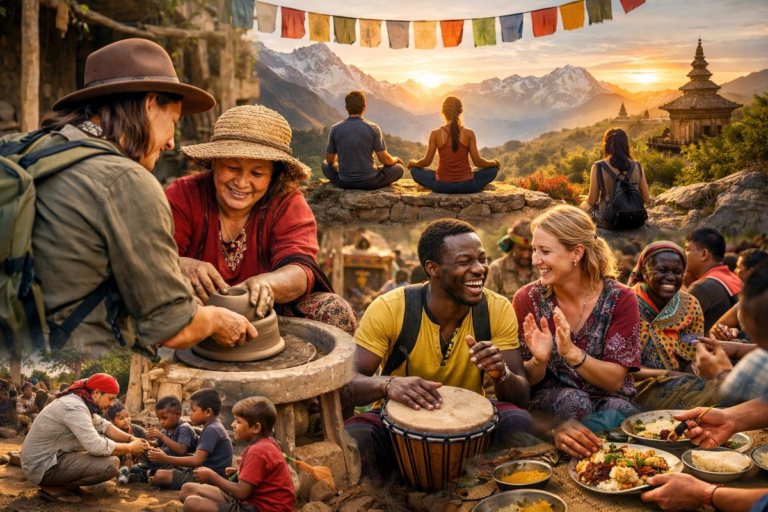
Yet not every purposeful journey requires an organized framework. Solo hikers in national parks are experimenting with “trail grazing” experiences, setting up their own microcamp along seldom-trodden routes and documenting ecosystem health with citizen-science kits. Backpackers in South America have formed impromptu language-exchange circles, teaching each other native and local dialects around campfires. These grassroots efforts underscore a simple truth: the most meaningful travel moments often emerge when travelers and hosts meet as equals, unified by curiosity and mutual respect.
Safety and ethics remain top of mind. Responsible-travel advocates emphasize the importance of pre-trip research, ensuring projects align with community goals and avoid unintended harm. A recent code of conduct released by a nonprofit alliance lays out best practices: prioritize projects that offer fair compensation or community ownership, avoid one-off donations that create dependency, and respect cultural protocols. Many travel forums now feature traveler-rated impact projects, providing candid reviews on authenticity and local benefit.
This recalibration of travel values is already rippling through related industries. Outdoor gear manufacturers are exploring repair-first warranties, carbon-neutral shipping, and recycled materials. Accommodation providers are integrating solar power, low-flow fixtures, and community-run food programs. Even city tour platforms are rediscovering local creperies, artisans’ studios, and inner-city farms rather than the same monument circuits.
As purposeful travel gains momentum, it’s reshaping how we understand both journey and destination. What was once a fleeting escape becomes a chapter in personal growth and global citizenship. For travelers plotting their next adventure-whether a weekend escape or a bucket-list quest-the challenge is clear: seek gear, guides, and projects that elevate your experience beyond sightseeing. Embrace roles as learner, helper, and co-creator, and you’ll come home with more than photos-you’ll bring back stories that matter.
In an era where every trip can be an opportunity to leave a positive footprint, travelers are discovering that authentic connection, cultural exchange, and environmental care are the real treasures. The world may still be dotted with iconic vistas, but today’s journeys are defined by the bonds we forge and the legacies we leave behind.