Location
Mount Vernon, WA 98274

Location
Mount Vernon, WA 98274
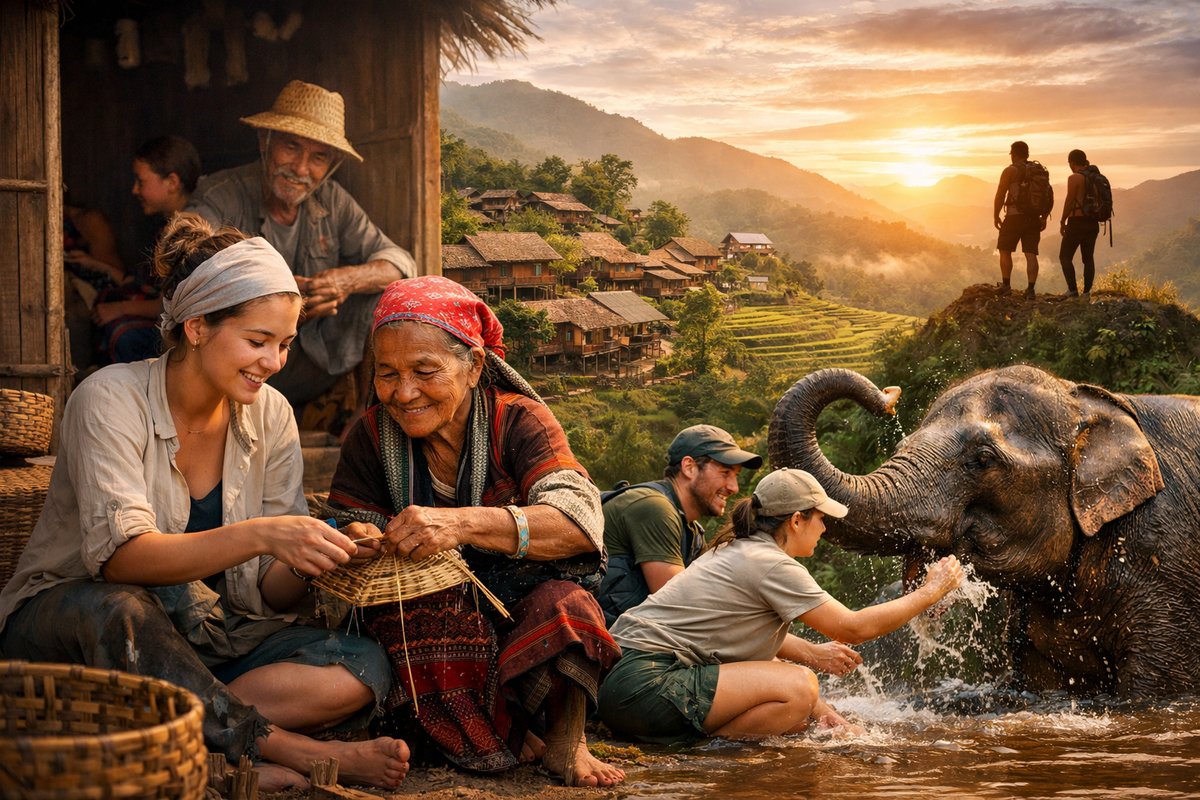
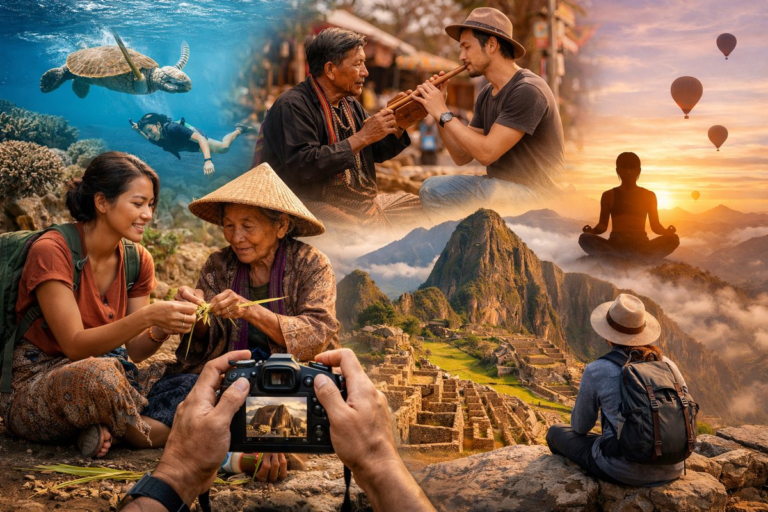
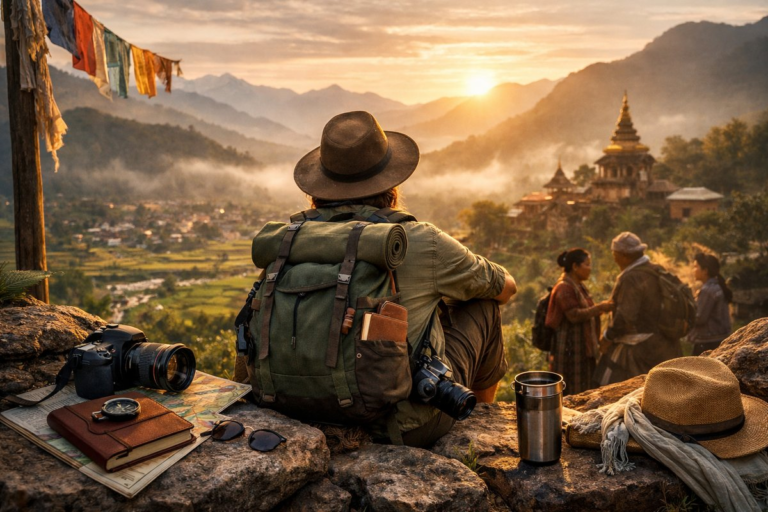
More travelers are trading checklist tourism for experiences that resonate long after they return home. From village homestays to conservation volunteering, purposeful travel is reshaping how people explore the world.
When was the last time you anticipated a trip not for the selfie spot but for the impact you could leave behind? A growing wave of travelers is redefining exploration by focusing less on ticking destinations off a list and more on forging meaningful connections-with landscapes, communities, and even personal growth. Recent surveys suggest that nearly 80 percent of global travelers now rate ‘purposeful experiences’ as a top motivator, and the trend shows no signs of slowing. What does a journey with purpose look like? It can be a meditative retreat in a remote forest, a homestay with a family rebuilding coastal villages, or even a volunteer stint in an urban greenhouse helping reduce food waste.
For many, the appeal lies in dissolving the barrier between visitor and host. In a coastal town struggling with beach erosion, guests once arrived simply to sunbathe; today, they join local workshops, learn how sand dune restoration works, and help plant native vegetation. This hands-on collaboration transforms a standard vacation into a shared mission. Travelers return home with photos-but also with newfound environmental knowledge and the satisfaction of having contributed to a living coastline.
Elsewhere, forest communities are welcoming small groups for ‘learning pilgrimages’ that blend traditional crafts, woodland foraging, and mindfulness. Participants wake before dawn to listen to birdsong, join instructors in identifying edible mushrooms, and practice breathing techniques beneath ancient oaks. Without scheduled tourist buses or hastily guided tours, time slows down. Cell signal fades, replaced by stories exchanged around hearth fires. These immersive stays often inspire guests to bring eco-rituals back home-planting native trees in city parks, cooking wild greens with friends, or carving a simple wooden bowl as a reminder of the quiet lessons learned under the canopy.
Cities haven’t been left behind in this shift. Urban explorers are integrating public art tours with neighborhood cleanups. Rather than snapping pictures of street murals then moving on, small teams pair up to repaint faded benches and collect microplastics near storm drains. These dual-purpose excursions offer a sense of collective achievement. One architect-turned-volunteer described how clearing graffiti revealed a centuries-old mural hidden beneath layers of paint-and how unlocking that piece of history felt like unlocking a new sense of civic pride.
A particularly inspiring example comes from a collaborative green tourism project among multiple villages in a mountain range. Visitors traverse hiking trails that link craft workshops, community gardens, and village-run guesthouses. Each stop offers a workshop: weaving baskets from local reeds, harvesting heirloom seeds, or cooking traditional stews in communal hearths. Proceeds fund a shared fund supporting educational programs for children in the region. Travelers leave with handcrafted souvenirs and stories woven from hours spent alongside local artisans. And the villages benefit from a sustainable revenue stream, one that grows more robust as word spreads among conscious travelers.
This approach to travel also extends to wildlife conservation. In one coastal archipelago, a program invites small groups to assist scientists monitoring endangered sea turtles. Guests learn to track nests, measure hatchlings, and record data that feeds into global conservation databases. Nights are spent on simple research boats, where participants swap anecdotes under starlit skies and marvel at bioluminescent currents. Rather than a snapshot encounter with marine life, this kind of trip offers a real stake in preserving a species. Travelers often report a lifelong bond with the animals they help protect-and many become advocates, sharing educational resources with networks back home.
At the core of purposeful travel is the idea of reciprocity. It’s not about consuming new places but about giving something back. For some, that means mentoring aspiring entrepreneurs in remote communities by sharing business skills through weekend workshops. Others donate time to rebuild earthquake-damaged schools or install solar panels in off-grid hamlets. Whether it’s teaching coding to children in a digital workshop or guiding a repair crew for water pumps, these journeys encourage the traveler’s role to be more than spectator.
Of course, weaving purpose into travel isn’t without challenges. Coordinating with local partners demands trust, clear communication, and respect for traditions. In some regions, well-meaning volunteers unintentionally disrupt local labor markets by offering free labor for tasks that villagers depend on for income. To avoid missteps, many travelers now work through certified platforms that vet community projects for transparency and local input. Preparation often includes cultural orientation sessions, language primers, and briefings on community history. That groundwork ensures that contributions are genuinely supportive, not disruptive.
Sustainability also extends to gear choices. Carrying single-use plastics to remote retreats contradicts ethos of environmental harmony. Instead, travelers are packing lightweight water filters, reusable travel utensils crafted from bamboo, and biodegradable soaps. Solar chargers and power-efficient LED headlamps mean trips off the grid don’t rely on disposable batteries. Even small decisions-like using cloth laundry bags for line-dried garments-reflect a mindset that values minimal waste and environmental stewardship.
The ripple effects of purposeful journeys stretch far beyond the trip itself. Travelers often report a renewed sense of creativity, empathy, and global citizenship. Educational programs in schools incorporate project stories into classrooms. Social media feeds evolve from glossy resort snapshots to documentary-style narratives rich with local voices. Friends and family get inspired to plan similar journeys or adopt eco-friendly habits at home.
As this movement gains momentum, travel professionals are reimagining itineraries to center community engagement and environmental stewardship. Operators are partnering directly with grassroots organizations rather than large corporations, ensuring most income flows back to local people. And as destination marketing shifts from spotlighting glamorous landmarks to celebrating human stories and ecological restoration, new epicenters of purposeful travel continue to emerge.
So, the next time you plan a getaway, pause before clicking ‘book.’ Consider what you’d like to learn, whom you might help, and how you can make an impact that outlasts your passport stamp. Whether you’re trekking through highland pastures to help preserve wildflower meadows or volunteering at a desert wildlife rescue, your journey can become more than an escape. It can be a step toward a world where travel is practiced not just for pleasure, but for collective wellbeing and a deeper understanding of our shared home.