Location
Mount Vernon, WA 98274

Location
Mount Vernon, WA 98274
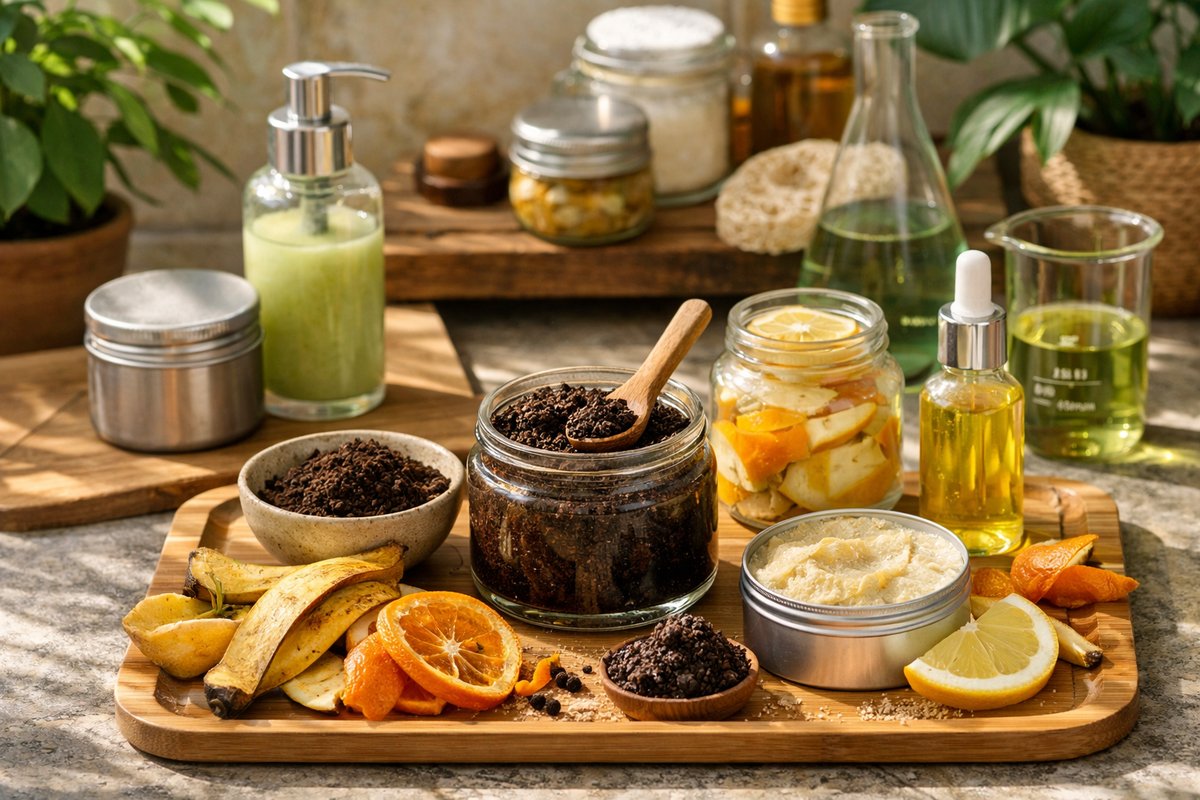
A new wave of eco-conscious rituals is transforming bathroom cabinets into zero-waste laboratories, where leftover coffee grounds and fruit peels become potent exfoliants and serums. Sustainability and self-care are merging as consumers and brands embrace upcycling, refillable packaging, and mindful routines that honor both skin and planet.
In recent months, a quiet revolution has been taking place in bathrooms and beauty counters around the world. What began as an offshoot of DIY scrubs and fridge-fresh masks has grown into a full-blown circular skincare movement, where ingredients destined for the compost bin are rescued to nourish skin in equally powerful ways. From ground coffee scrubs to fermented rice water toners, this upcycled approach is redefining how we think about beauty: not as a one-way street of purchasing and discarding, but as a cyclical relationship between self-care and sustainability.
According to a global study on beauty waste released earlier this year, nearly two-thirds of consumers say they would pay more for skincare products packaged in refillable systems. At the same time, sales data from natural beauty retailers reveal that searches for “upcycled” or “waste-reduction” formulas rose by 40 percent over the last six months. This surge signals a shift away from single-use plastics, microbead exfoliants, and petrochemical-based actives toward simpler, greener choices. As the environmental toll of traditional beauty grows more visible-microplastics in waterways, toxic effluents from factories, and massive packaging waste-brands and individuals are responding with creativity and conviction.
One hallmarks of the upcycled trend is the embrace of kitchen alchemy. Coffee grounds that would otherwise be rinsed down the drain are now harvested from morning mugs, dried, and mixed with a dollop of neutral plant oil to create a gentle yet effective body polish. Beyond buffing away dead skin, caffeine-rich granules improve circulation and leave a faint espresso aroma on limbs. Fruit peels from oranges and cucumbers are chopped, blended, and nestled in the fridge for a quick, cooling mask that soothes inflammation and brightens dull patches. Even starchy water leftover from cooking rice has become prized as a toner-full of vitamins and amino acids that help maintain skin elasticity.
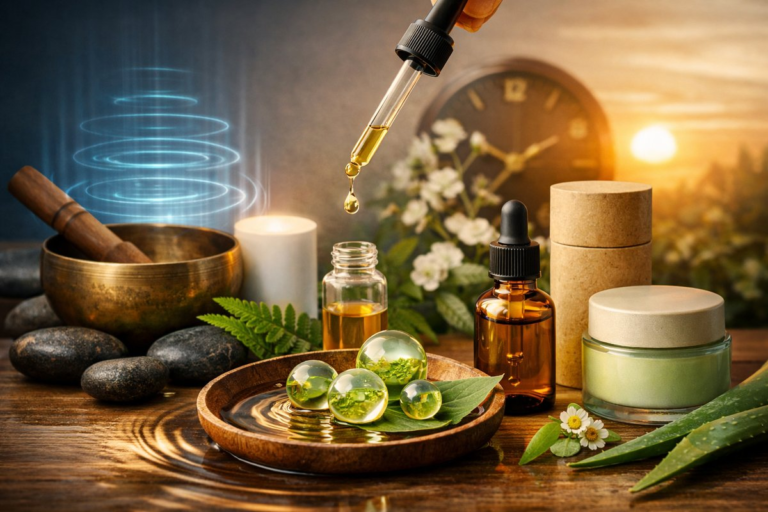
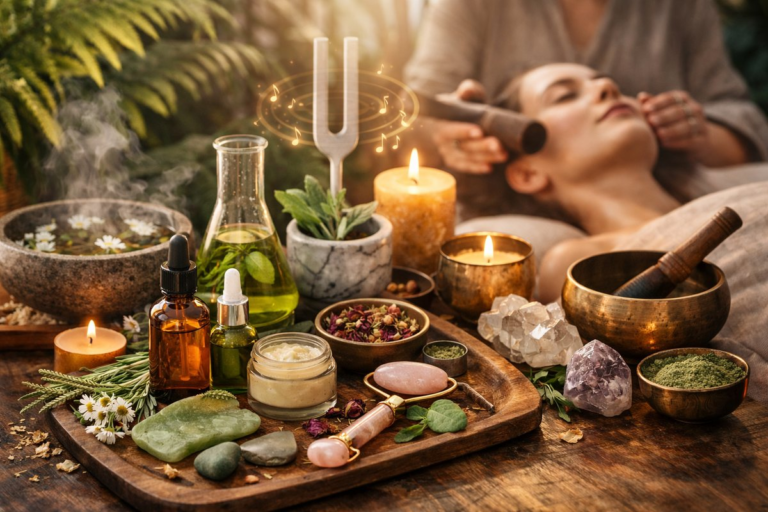
For those who crave a more precise ritual, community-shared labs and online workshops teach fermentation techniques that once belonged to the realm of artisanal chefs. Rice water can be steeped with a touch of honey and left to ferment for a day or two, then decanted into dark glass bottles as a living toner. Lavender or rosemary sprigs destined for the compost pile become fragrant infusions in oil-based serums. These DIY preparations demand patience and attention, but they reward users with multi-sensory experiences: the fizz of fermentation, the heady scent of herbs, and the conviction that no ingredient is wasted.
While homemade rituals flourish, a parallel movement is reshaping commercial skincare. Refillable glass jars, tin tins, and metal tubes are replacing plastic pump bottles, often delivered through subscription services that collect empties for cleaning and reuse. Solid cleansers-soap-like bars infused with botanical extracts-upend the notion that liquid textures are the only way to a dewy complexion. Brands are also partnering with coffee roasters, fruit growers, and tea gardens to reclaim byproducts once considered worthless. Leftover grape seeds from winemaking end up in antioxidant-rich scrubs; discarded coconut shells become gentle exfoliating beads; spent tea leaves transform into clarifying charcoal masks.
These circular initiatives extend beyond ingredients and packaging. Some labels are pioneering refill stations in select stores: customers bring their own containers, fill up on toners or moisturizers, and leave with a small deposit. Others have introduced minimalist lines with only a handful of core products-cleanser, oil, moisturizer-designed to be mixed and matched so that nothing sits unused on the shelf. The goal is to reduce waste while fostering creativity: a single cream can become a highlighter in the morning and a lip balm at night with a swift finger dab.
Yet the upcycled beauty scene is not just about reducing landfill. It also taps into deeper emotional currents: the satisfaction of repurposing, the mindfulness of ritual, and the sense of co-creating with nature rather than dominating it. For many practitioners, these sustainable routines become meditative pauses in hectic days. The act of grinding dried herbs, measuring leftover liquid, or gently patting on a cold roller crafted from recycled glass brings a moment of calm focus. It’s a chance to reconnect not only with one’s own skin but with the broader cycles of growth, decay, and renewal that shape our natural world.
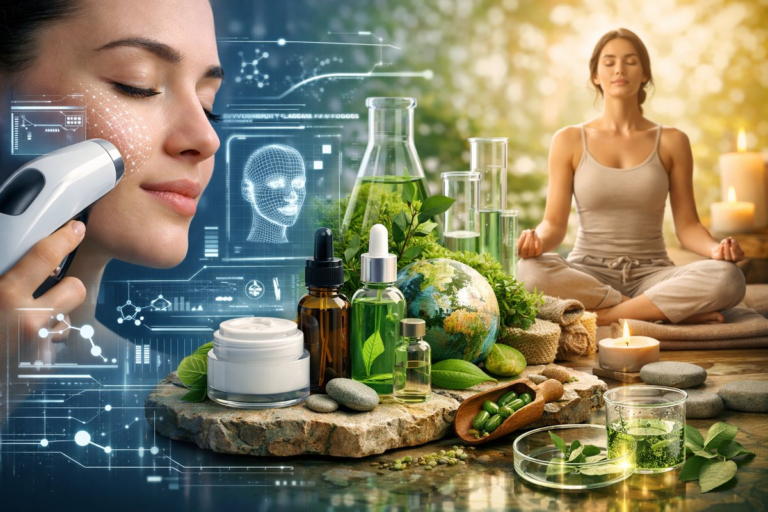
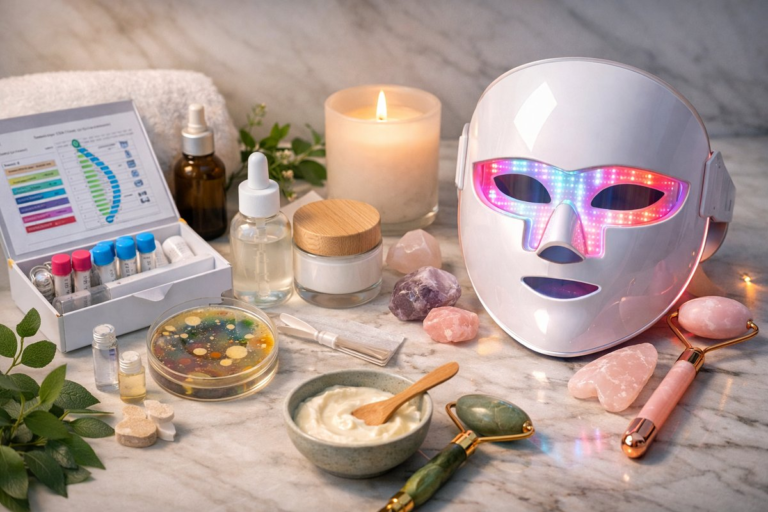
Technology is also finding its place in this handcrafted landscape. Portable pH testers ensure that fermented toners stay within skin-friendly ranges. Compact, solar-powered LED face masks are built in modules that can be swapped or upgraded, reducing the need for fully new devices. Even digital platforms have emerged to match individuals with local upcycling stations or community compost hubs, turning beauty routines into opportunities for collective impact.
Critics caution that not every ingredient is suitable for home concoctions-vitamin C serums, retinoids, and other potent actives still require professional formulation to ensure stability and safety. But the consensus is clear: if upcycled skincare can drive awareness about waste and foster a culture of care, the movement has already achieved more than any marketing campaign ever could. It’s a small but powerful step toward aligning beauty with the planet’s needs and honoring the intimate link between what we apply on our skin and what we return to the earth.
As this circular revolution gains momentum, consumers are invited to experiment and refine their own rituals. It might start with the simple step of setting aside coffee grounds on the countertop or reserving citrus peels in a glass jar. Next, one could explore finishing oils in pump-free containers or swapping disposable cotton pads for washable bamboo rounds. Over time, those small habits evolve into a comprehensive wardrobe of zero-waste gestures-an eco-chic skincare arsenal that feels as good on the psyche as it does on the skin.
In a world overflowing with choices, upcycled beauty offers a dual promise: effective, ingredient-rich formulas crafted from rescued materials, and the deeper satisfaction of contributing to a regenerative cycle. Whether you’re a seasoned green-beauty advocate or a curious newcomer, this movement invites you to reclaim the narrative around waste and wellness-to see every coffee bean, peel, or flower petal as a potential ally in your daily ritual. The result is more than smoother skin or a gentler footprint; it’s a radical reimagining of beauty as a shared, circular journey.