Location
Mount Vernon, WA 98274

Location
Mount Vernon, WA 98274
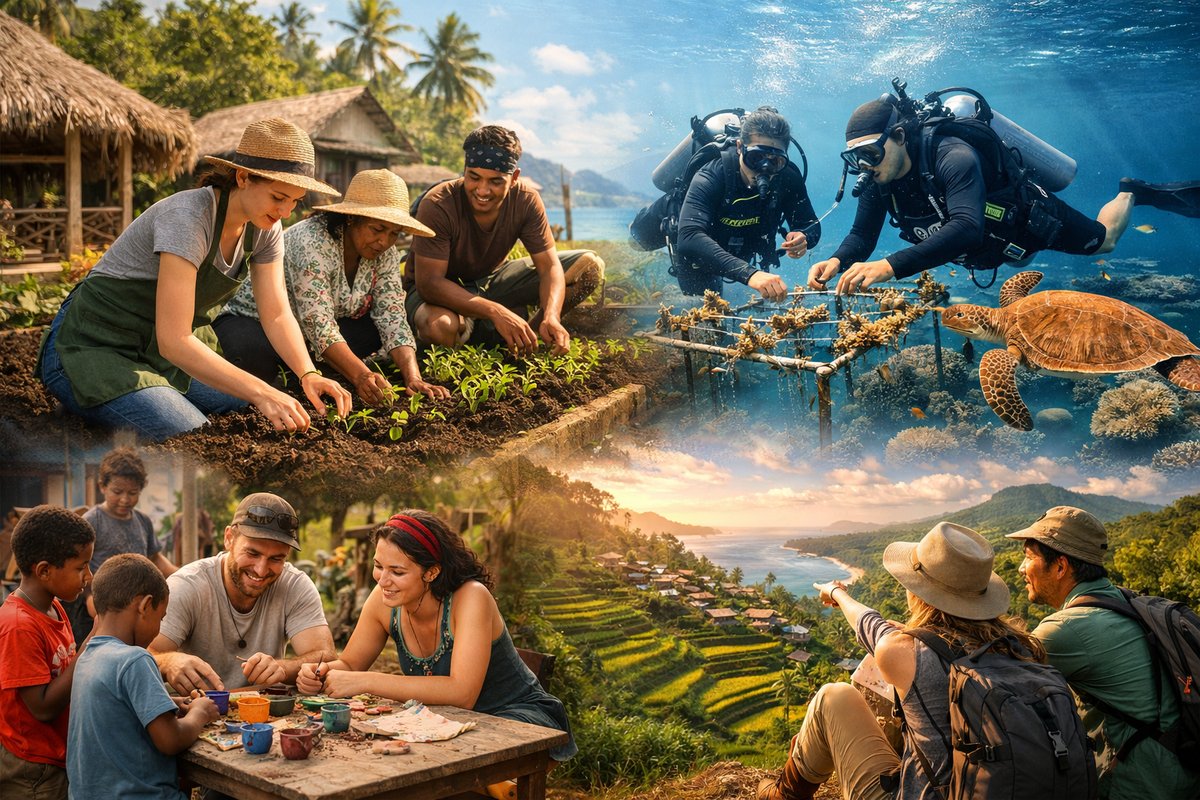
An emerging wave of travelers is redefining adventure by embedding community engagement and sustainability into every step of their journeys. From regenerative farming workshops in coastal villages to coral reef restoration dives, purpose-driven explorers are reshaping both tourism and local economies.
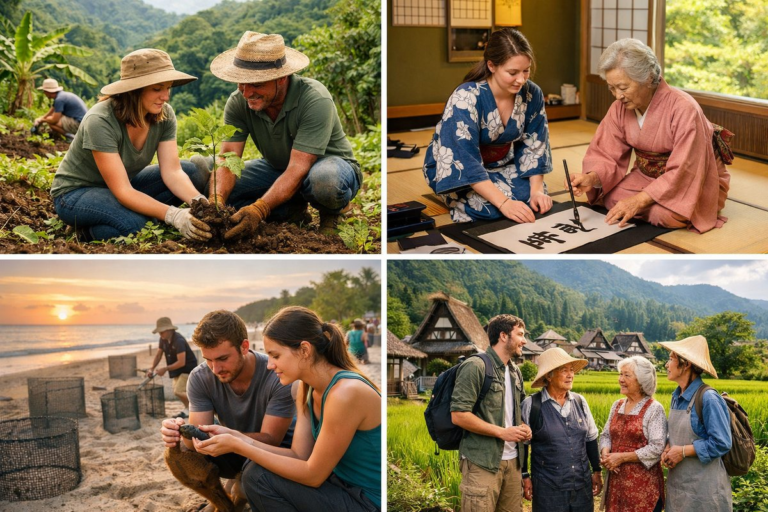
For decades, travel was defined by landmark checklists and postcard-perfect moments. Today, a new narrative is taking shape-one where the journey itself becomes a platform for positive change. Around the globe, purpose-driven travelers are forging partnerships with communities, co-creating experiences that balance cultural immersion, environmental stewardship, and economic uplift. These community-centered journeys are no longer fringe offerings; they’re rapidly moving into the mainstream of modern exploration.
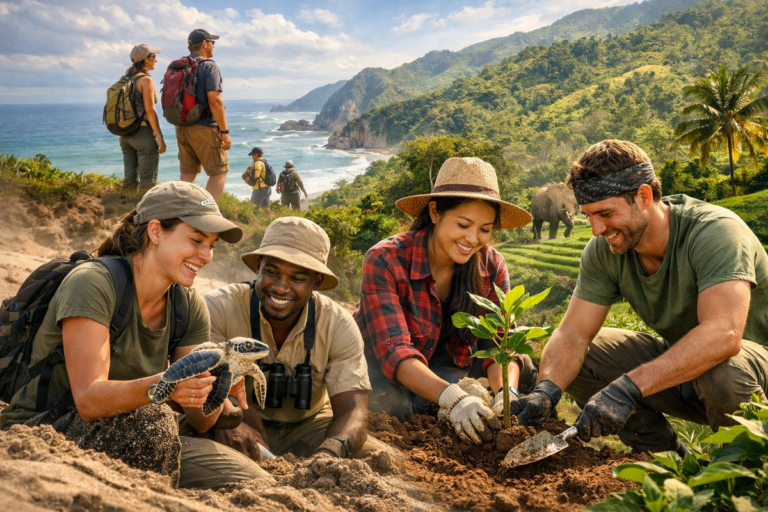
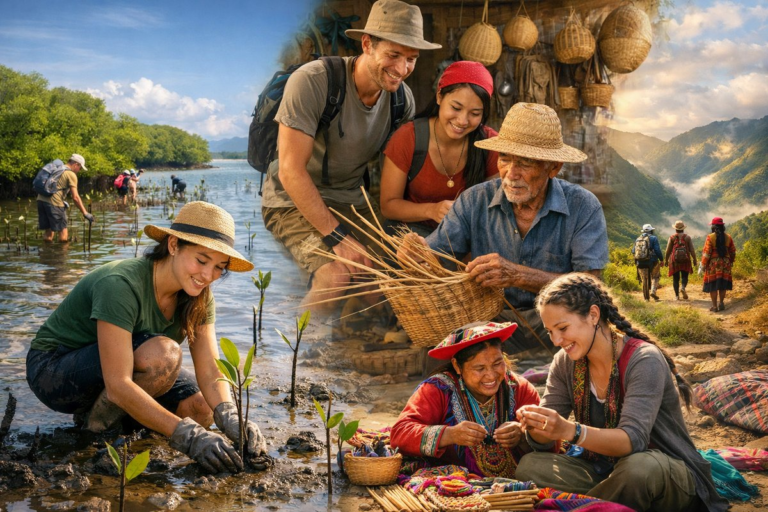
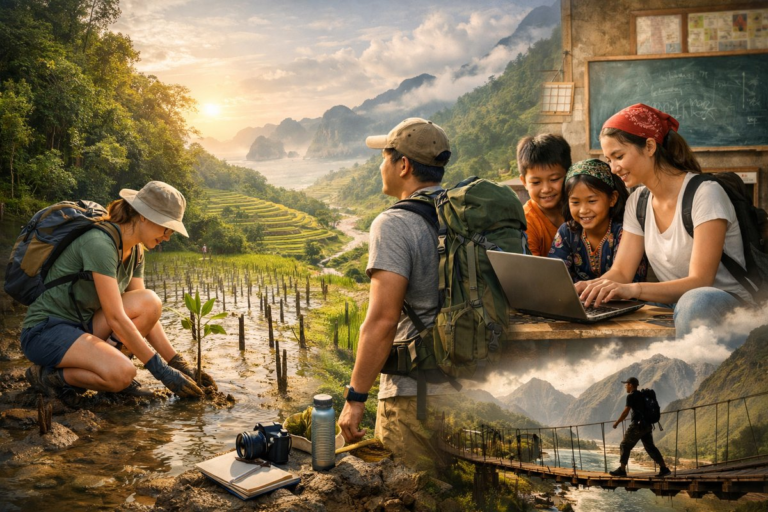
A 2022 survey by Booking.com’s Sustainable Travel Report found that 71% of global travelers want to make responsible choices that benefit local communities and ecosystems. Motivated by this shift, tour operators and grassroots organizations have begun collaborating to design itineraries that put people at the heart of the experience. Instead of ticking off monuments, conscious travelers now spend mornings planting native trees with villagers, afternoons learning traditional crafts in local homes, and evenings listening to oral histories passed down through generations.
In Portugal’s Alentejo region, visitors join family-run cork farms for hands-on workshops. They learn how to strip bark sustainably, understanding that cork oak trees not only produce a valuable material but also anchor biodiversity. Participants earn a modest stipend and take home handcrafted cork coasters, and in exchange they help offset operational costs for smallholdings facing market pressures. Farm owner Maria Fernandes says this model reconnects outsiders to rural life while providing an additional income stream during the region’s off season.
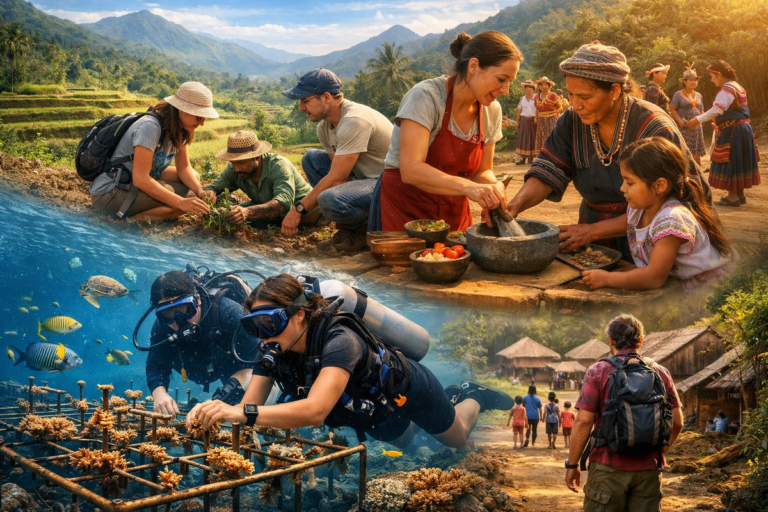
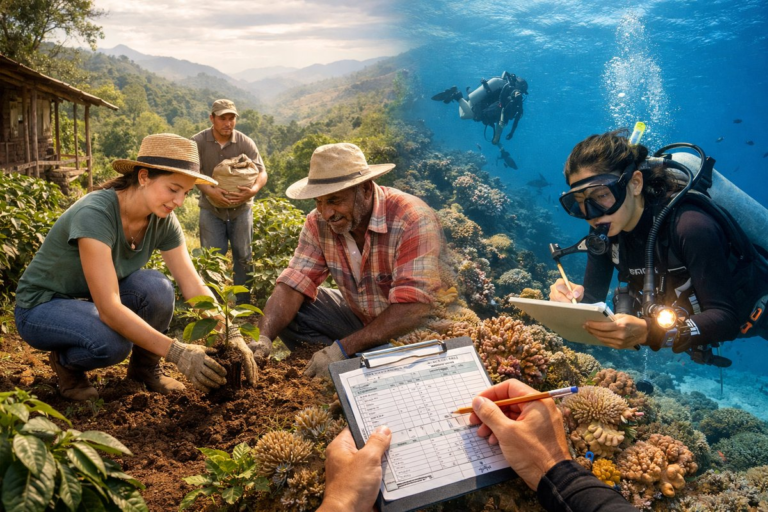
Half a world away, on the shores of Thailand’s Andaman Sea, travelers partner with a local collective to restore damaged coral reefs. Scientific teams lead afternoon dives equipped with mapping software and underwater cameras. Tourists assist by placing coral fragments on biodegradable frames, learning about bleaching events and water-quality monitoring. Community leaders explain how healthy reefs support local fisheries and protect coastlines. Through small fees paid by divers, the project purchases seagrass nursery materials and funds educational programs for coastal villages.
Not all engagements require remote settings or extreme feats. Urban hubs are also reinventing how travelers connect with city dwellers. In Bogotá, visitors join neighborhood clean-up brigades before swapping stories with graffiti artists about public art’s role in community healing. In Cape Town, participants help mosaic-tile a new community center, guided by local artisans whose families have lived in the township for generations. These micro-projects offer tangible, creative benefits while forging cross-cultural friendships over paintbrushes and shared lunches.
Digital tools play a crucial role in matching motivations with opportunities. Platforms now aggregate screened projects-from wildlife monitoring in Costa Rica to community theater residencies in Eastern Europe-so that travelers can filter by impact focus, skill level, budget, and travel style. Verified community partners maintain transparent profiles detailing past achievements, local leadership structures, and revenue allocations. Feedback loops allow participants to rate experiences on authenticity and mutual benefit, helping future visitors choose projects that uphold ethical standards.
This movement isn’t without its challenges. Experts caution against turning communities into touristic exhibits or burdening them with volunteer labor that should belong to local workforces. According to a study published by the Journal of Sustainable Tourism, imbalance of power and unclear expectations can lead to “voluntourism pitfalls”-from misallocated funds to unsustainable infrastructure. Leading organizations stress the importance of genuine co-design, ongoing support beyond the traveler’s stint, and measurable outcomes tracked in partnership with community stakeholders.
Several agritourism collectives have tackled these concerns by setting clear guidelines. In Sicily, an olive-growers consortium requires visitors to contribute a portion of their workshop fees directly to a community development fund. That fund underwrites youth scholarships and local health services. In rural Vietnam, a rice-planting initiative compensates participants at government-approved wage rates, ensuring local farmers don’t lose income by hosting outside volunteers.
As demand grows, small businesses are innovating to meet evolving expectations. Eco-lodges in Costa Rica incorporate community kitchens where guests and neighbors cook traditional recipes using surplus produce from regenerative farms. In Nepal, trekking agencies now employ former porters as cultural guides, giving them training in hospitality and language skills so they can engage travelers in homestays. Profits from these ventures flow back into route maintenance and cooperative health clinics.
Data suggests that these experiences resonate deeply. A 2021 report by the Global Ecotourism Network found that 63% of travelers who engaged in community-led projects extended their stay by at least two days, compared to conventional leisure tourists. More than half reported a significant shift in their worldview-ranging from increased environmental stewardship to deeper appreciation for cultural diversity. Many vow to incorporate conscious choices into everyday life, from reducing single-use plastics to buying artisanal goods directly from producers.
Hospitality brands are taking notice, too. Boutique hotels in Oaxaca now host weekly forums where guests and residents discuss urban planning and indigenous heritage. In Bali, beachfront camps partner with village councils to run beach-clean marathons and sea turtle hatchling releases. These collaborations reinforce that tourism can be a catalyst for community agency, not just revenue generation.
For travelers eager to join the wave, experts recommend starting with clear intentions. Research platforms that emphasize community leadership, read participant reviews, and reach out to organizers with questions about revenue use and follow-up initiatives. Pack light but plan for local customs-whether that means learning a few phrases in the native language, bringing reusable containers for shared meals, or contributing a book or tool that serves a genuine need.
Looking ahead, the intersection of purpose and travel is poised to deepen. Virtual reality previews are being piloted to help travelers understand cultural protocols before arrival. Impact measurement apps will allow communities to set annual goals for visitor contributions. And as climate concerns intensify, low-carbon transport options-like electric overland convoys-will merge with community projects, offering zero-emission pathways to meaningful engagement.
The shift toward community-centered journeys shows that travel can transcend mere leisure. When thoughtfully designed, it becomes a force for sustainable livelihoods, cultural exchange, and environmental restoration. More than souvenirs or snapshots, these experiences leave travelers with a sense of shared ownership-proof that global exploration can go hand in hand with local well-being.