Location
Mount Vernon, WA 98274

Location
Mount Vernon, WA 98274
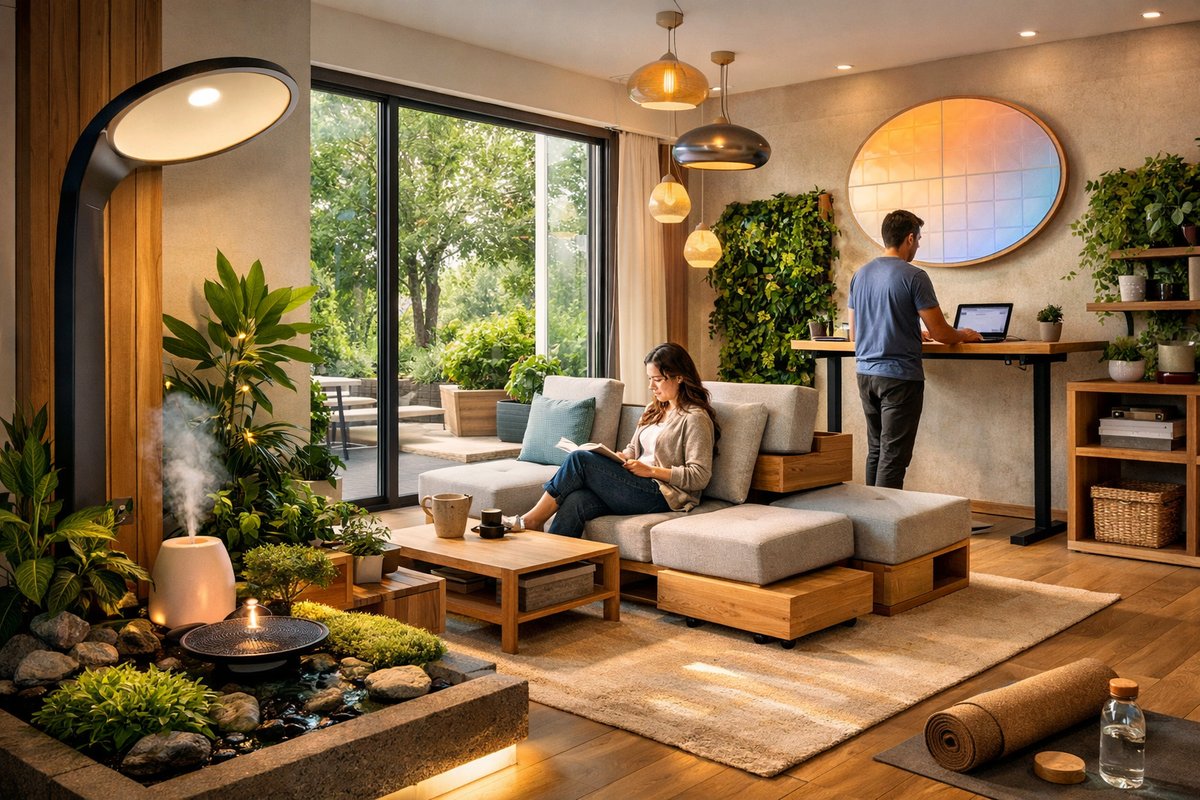
From sensor-driven lighting schemes to modular furniture that adapts to changing needs, a new wave of home design is putting intention at the heart of everyday living. Experts report that blending sustainable materials, multi-sensory technology, and flexible layouts is transforming houses into thriving sanctuaries focused on wellness and environmental impact.
Across living rooms, kitchens, and bedrooms worldwide, homeowners are rethinking their surroundings with a new guiding principle: intention. Recent data from a leading market research firm shows that global investment in smart home technology is set to exceed 150 billion dollars by the end of the decade, while demand for sustainable textiles and multifunctional furnishings surges in tandem. These parallel waves of interest suggest that people no longer want gadgets for gadgets’ sake or aesthetically pleasing pieces that end up collecting dust. Instead, they seek homes that respond dynamically to their needs, nurture wellbeing, and respect the planet.
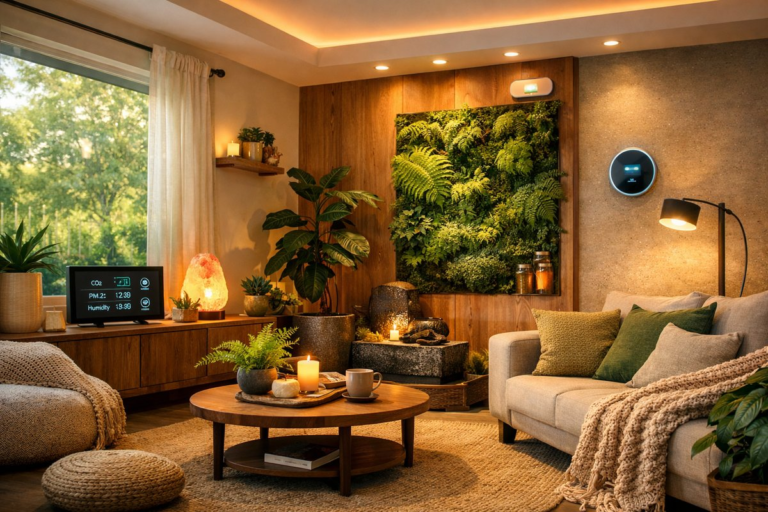
This shift has roots in several converging trends. On one hand, advances in sensor networks, wireless communication, and cloud-based AI have made it easier than ever to automate lighting, climate, and even scent. On the other, growing environmental awareness and long hours spent indoors have sparked a craving for natural materials, biophilic design elements, and tactile comforts. The result is a landscape where a single room can feature a modular shelving system, plant-integrated air filtration, ambient light panels that adjust to emotional cues, and plush throws made from certified organic fibers-all working in concert.
At the recent International Smart Living Expo, held in Berlin earlier this year, dozens of exhibitors showcased prototypes and ready-to-market solutions that exemplify this new paradigm. One booth demonstrated a sensor-based lighting grid that subtly shifts hue and intensity throughout the day to mimic natural patterns, reducing eye strain and regulating circadian rhythms. Nearby, a display of compact air-purifying planters combined remote monitoring with low-power LED grow lights, offering urban dwellers a chance to cultivate greenery even in windowless spaces.
Manufacturers of modular furniture also drew crowds. Attendees examined wall-mounted shelving modules that can be rearranged without tools, sliding seating elements that convert into loungers, and freestanding room dividers embedded with cork panels for acoustic dampening. According to the event organizer, search queries for multifunctional furniture jumped by 35 percent in the past 12 months, driven in part by the rise of remote work and smaller living footprints.
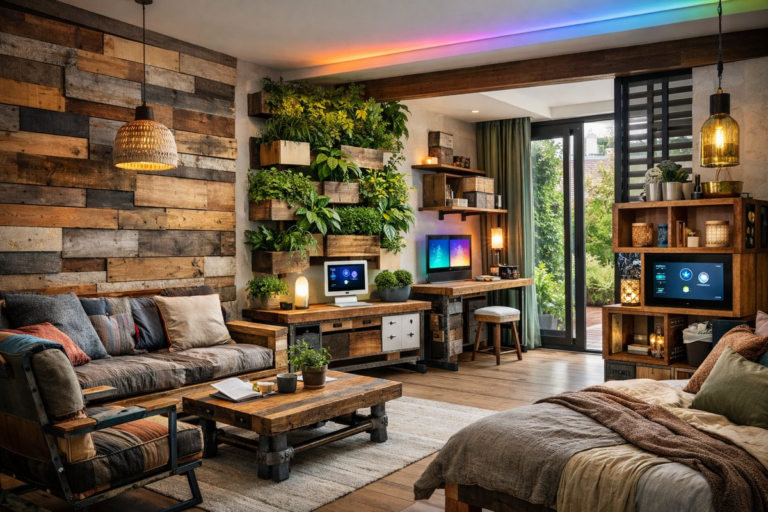
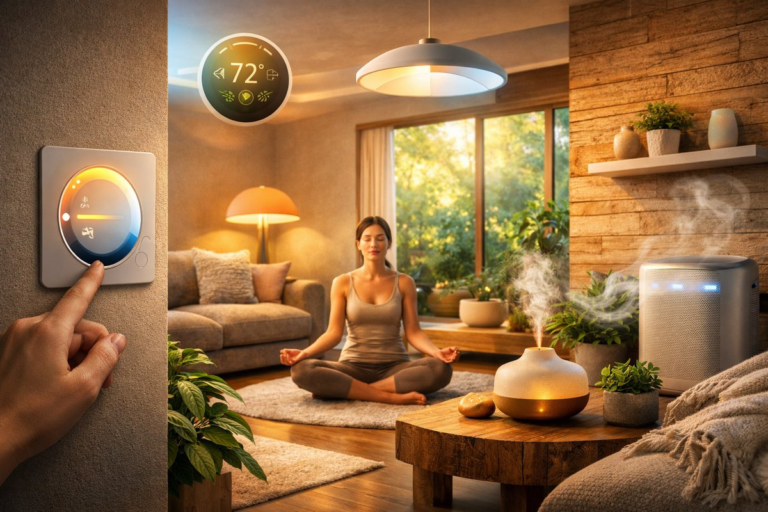
Design studios are embracing these opportunities by layering smart automation over intentional material choices. In one recent renovation in southern England, homeowners opted for reclaimed timber paneling alongside a network of hidden sensors. This system tracks occupancy and adjusts heating only to occupied zones, cutting energy consumption by nearly 40 percent during cool months. At the same time, a smart thermostat calibrates itself to personal comfort profiles collected over weeks, reaching desired temperatures more quickly and without manual intervention.
Sustainable textiles and soft goods have become equally central. Organic wool throws, handwoven Moroccan rugs made from natural dyes, and pillows filled with kapok fiber are replacing purely synthetic alternatives. Many artisans are adding modular snap-in features-zippers beneath cushion covers, for example-to allow easy washing or replacement. This not only extends product lifespans but also invites homeowners to participate more actively in caring for their environment.
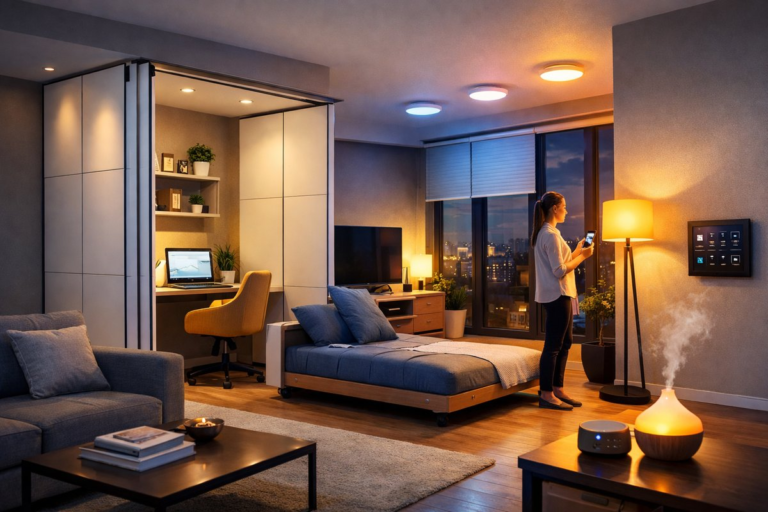
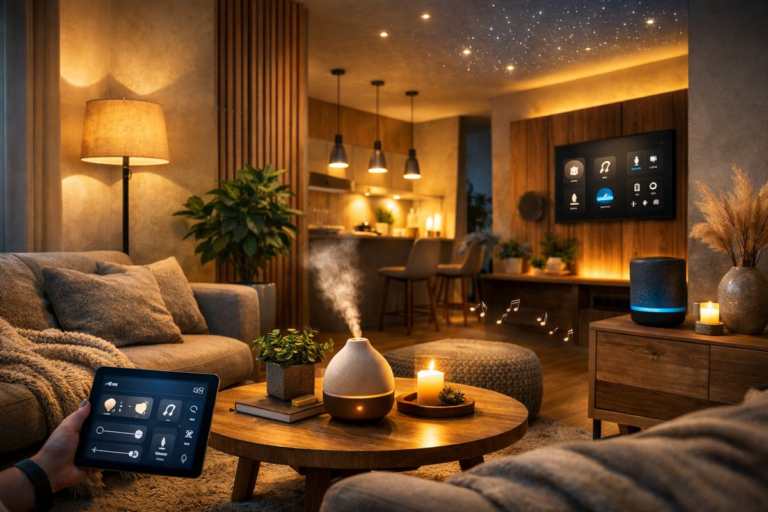
Layered lighting continues to inspire experimentation. In urban apartments with limited natural light, residents are combining floor lamps, color-adjustable LED strips, and smart bulbs that respond to smartphone prompts or voice commands. One designer featured at the Milan Lighting Fair unveiled panels that detect user heart rate via tiny cameras and then transition hues to calm nervous tension during late-night work sessions. While that level of biometric control isn’t yet mainstream, simpler versions of mood-adaptive fixtures are already retail-ready.
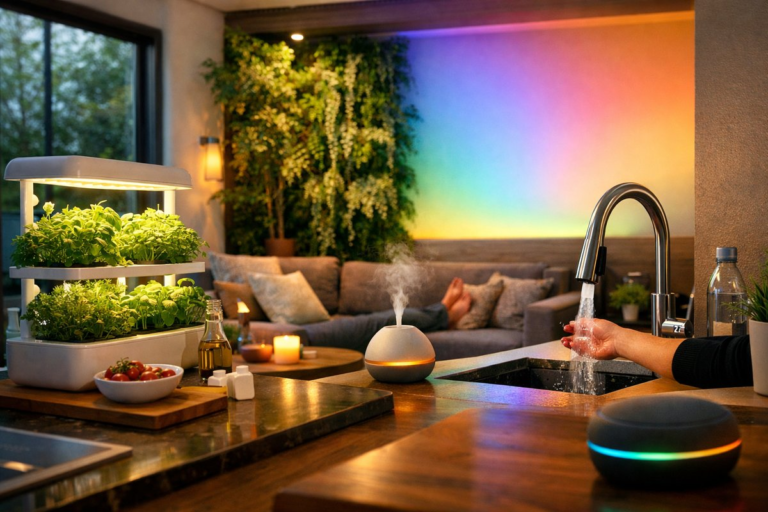
Adaptability extends beyond furniture and lighting into kitchens and bathrooms. Pull-out appliance garages, magnetic knife racks, and stackable pantry systems maximize every cubic inch. Motion-activated faucets and automated towel dispensers reduce water waste, while modular shower caddies can be repositioned anywhere along a rail. Such solutions underline how small, intentional upgrades can yield outsized benefits in daily life.
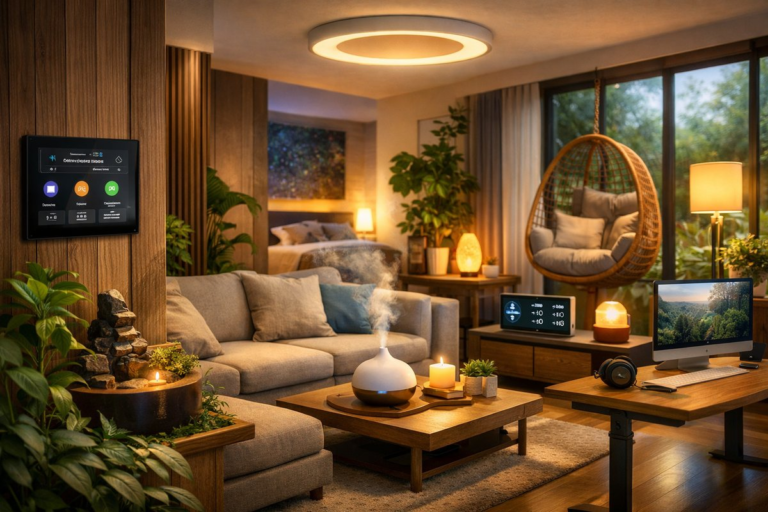
Wellness has emerged as a throughline. Aromatherapy diffusers that release plant-based essential oils on a schedule, floor mats with embedded acupressure nodules, and circadian rhythm-aligned smart blinds all contribute to a holistic home environment. In metropolitan areas where green space is scarce, virtual plant walls-high-resolution screens streaming slow-motion footage of forests-offer psychological relief. Though still novel, these installations have been shown in preliminary studies to lower stress markers in office and residential settings alike.
Cultural shifts are reinforcing the trend. Younger buyers often list sustainability, adaptability, and wellness among their top three must-haves when house hunting. Social media platforms brim with accounts showcasing living areas transformed by secondhand shops, DIY modular builds, and handpicked decor that prioritizes comfort over style-for-style’s-sake. This community-driven momentum pushes brands to develop products that are not only smart and beautiful, but also repairable, recyclable, and ethically sourced.
In the coming months, subscribers to a popular home improvement channel can expect series exploring the step-by-step integration of sensor arrays into existing light fixtures, tutorials on sewing organic cotton slipcovers, and experiments in combining augmented reality overlays with physical decor to preview layout changes. Meanwhile, policy discussions at city planning forums emphasize the need for sustainable building codes that accommodate these technologies, ensuring installations meet accessibility and emissions standards.
For homeowners eager to begin, experts recommend starting small. Swap out one bedside lamp for a voice-enabled LED globe that cycles through soft pastels. Add a single air-purifying planter to a study nook. Test a programmable thermostat in the most-used room before retrofitting the entire floor plan. Over time, each intentional addition-be it a modular cube shelf or a kiln-fired ceramic diffuser-will coalesce into a living environment that feels both futuristic and deeply human.
As the boundaries between smart tech and cozy essentials blur, homes are becoming orchestrated environments where every element serves a purpose. Whether it’s optimizing energy use, enhancing mental health, or simply making space feel more personal, intentional upgrades guide each decision. The era of homes defined by impulse purchases and static layouts is giving way to dynamic spaces that learn, adapt, and nurture. And in that shift lies the promise of living more thoughtfully, sustainably, and joyfully in the places we call home.