Location
Mount Vernon, WA 98274

Location
Mount Vernon, WA 98274
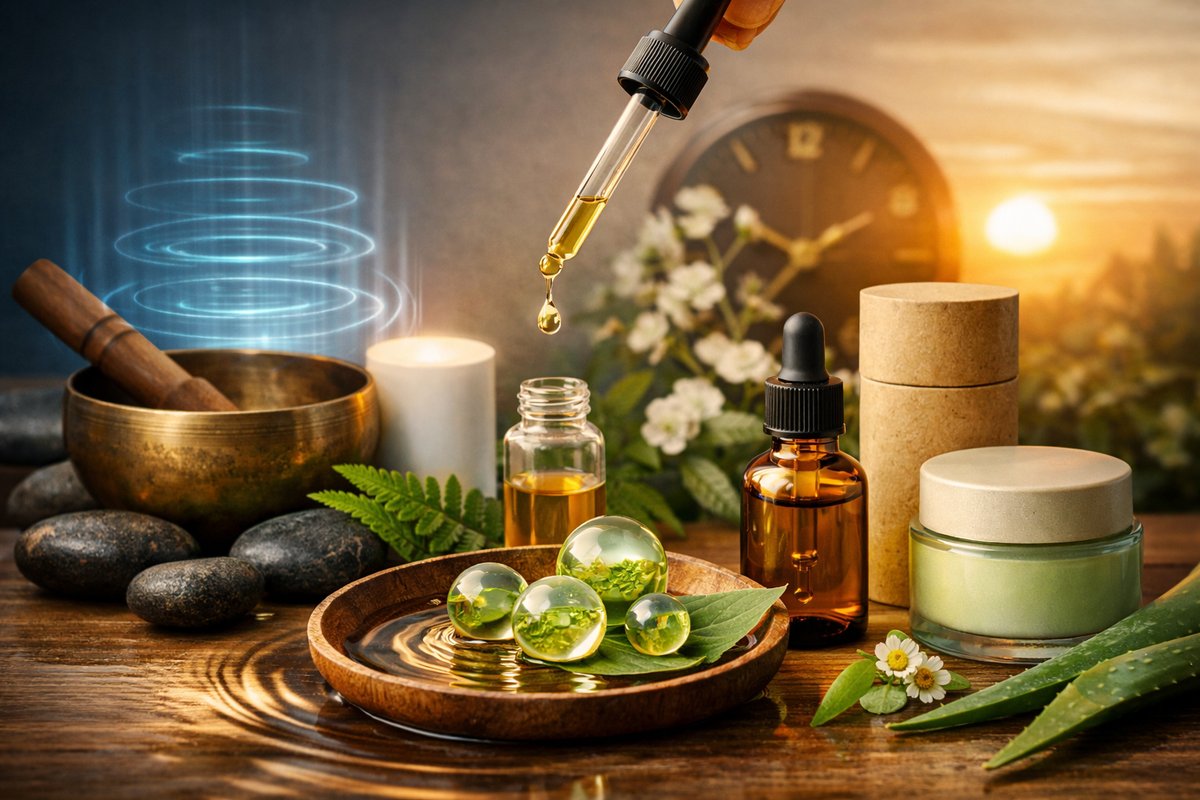
A convergence of sensory sound therapy, circadian-aligned formulations, and zero-waste packaging is driving a new era of mindful skincare. From acoustic frequencies that enhance serum absorption to plant-based microencapsulated peptides, today's rituals are as innovative as they are eco-conscious.
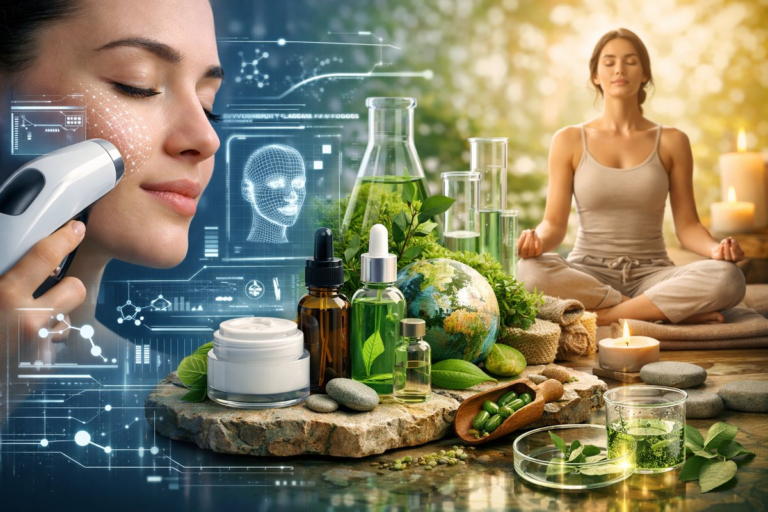
A quiet revolution is unfolding in bathrooms and beauty studios around the world. Consumers are trading one-size-fits-all creams for ritualized experiences that marry cutting-edge research with sensory delight-and they’re demanding that every step respects both their skin and the planet. Recent studies from leading universities, a slew of new wearable devices unveiled at the latest tech expos, and startups pioneering biodegradable packaging all point to a future where skincare is at once scientific, sustainable, and sensorially rich.
## A Soundtrack for Skin Health
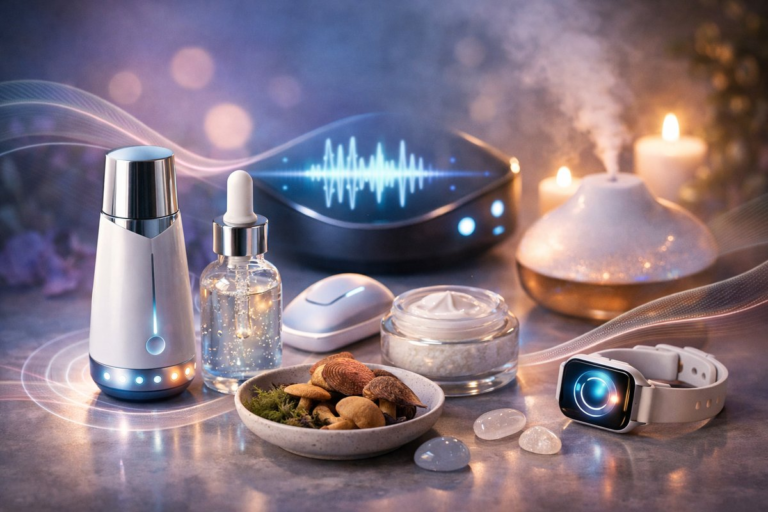
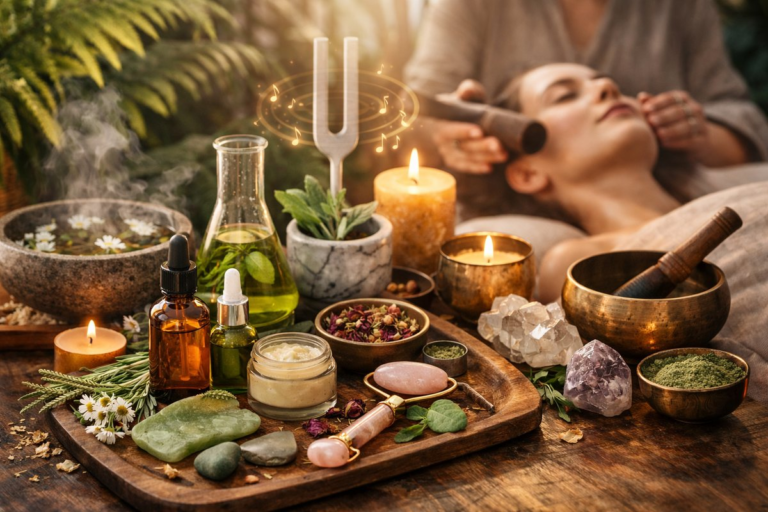
Late last year, a research team at the University of Bath published findings showing that low-frequency sound waves can enhance transdermal delivery of active ingredients. In a controlled trial of 30 volunteers, participants applied a hyaluronic acid serum while listening to a tailored 528 Hz tone for five minutes. Results showed a 15 percent increase in hydration markers compared to a control group using the same serum in silence. The study suggests that gentle acoustic vibrations temporarily loosen the skin’s upper barrier, allowing molecules to penetrate more effectively.
Skincare brands are already translating these insights into products. One recently launched serum pairs an exfoliating enzyme complex with an accompanying sound-therapy app. Users sync their smartphone or speaker to play a custom soundscape while massaging in the formula, turning a nightly routine into a multisensory ritual. Early adopters report not only plumper, more radiant skin but also deeper relaxation-a reminder that beauty regimens can nourish body and mind in tandem.
## Synchronizing with the Skin’s Clock
Science has known for decades that our bodies run on circadian rhythms-but only recently has this concept found its way into skincare formulating. A landmark analysis in JAMA Dermatology tracked skin cell renewal over 24 hours and confirmed that repair processes peak in the early morning hours, while barrier strength is highest by late afternoon. Brands are using these data points to design day-and-night duo formulations, each tailored with pH levels and active concentrations to work in harmony with the skin’s natural cycle.
One notable release features a lightweight morning lotion infused with vitamin C derivatives and antioxidants optimized for daytime defense, paired with a richer peptide night cream containing slow-release retinol microcapsules. Microencapsulation-immobilizing sensitive actives within tiny biodegradable shells-helps stabilize ingredients and deliver them steadily over several hours, reducing irritation while maximizing efficacy.
## Biotech Peptides and Plant-Based Proteins
Behind the scenes, biotech startups are harnessing fermentation techniques and precision molecular engineering to create next-generation actives. Instead of extracting collagen from marine or bovine sources, these innovators cultivate custom peptides in yeast or plant cell cultures. A recent pilot in Boston produced a suite of peptide fragments that mimic the skin’s own repair signals, showing comparable performance to traditional peptides in independent lab tests.
What sets these biotech peptides apart is their sustainability profile. Cultivated in controlled bioreactors, they avoid overfishing or agricultural land use. And because they’re designed in the lab, formulators can tweak molecular size and sequence, resulting in deeper penetration or surface-level soothing, depending on the desired outcome.
## Zero-Waste and Refillable Packaging
Sustainability is no longer an optional add-on. Consumers now expect brands to take responsibility for every stage of a product’s life cycle. According to a report by the Sustainable Packaging Coalition, refillable containers have grown by 30 percent in market share over the past two years, driven in part by municipal bans on single-use plastics.
Beauty brands are answering the call with innovative containers made from recycled aluminum, glass, and even biodegradable bioplastics derived from agricultural byproducts. Magnetic metal jars open like vintage powders, while silicone pouches work with specialized pumps to dispense cream. In many cases, loyalty programs allow customers to send back empty vessels for sterilization and reuse, closing the loop on waste and appealing to zero-waste advocates.
## Engaging the Senses Beyond Sight and Touch
Today’s consumers crave more than a simple slap of cream. Aroma, sound, and even visual cues are woven into modern rituals. Chefs of scent collaborate with perfumers to craft mood-elevating top notes-think cedarwood-mint accord for focus in a morning gel, or a pillowy vanilla-bergamot blend to lull the mind before bedtime. ASMR enthusiasts have spurred the creation of glass droppers that click audibly against jars, promising both precision dosing and an oddly satisfying sound trigger.
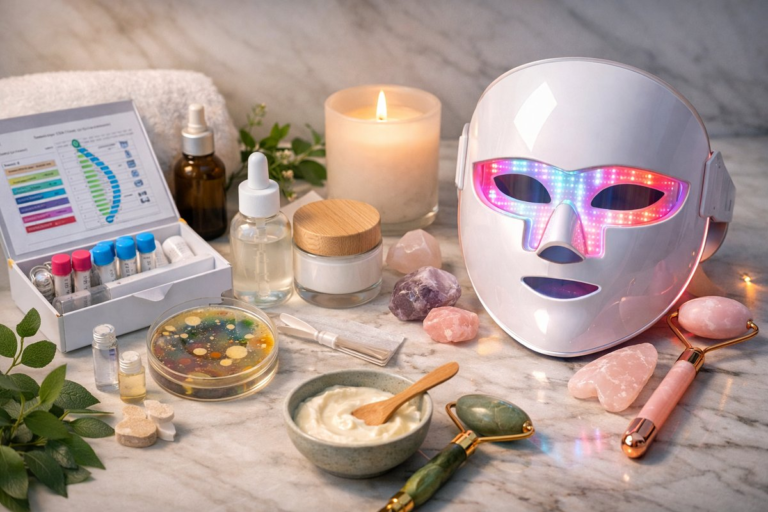
At the recent Consumer Electronics Show (CES), several startups exhibited “smart” skincare mirrors that analyze hydration levels, texture, and even facial muscle tension via embedded sensors. Some models include guided breathing exercises and visual light-therapy sessions-blue light for acne control, red light for collagen stimulation-projected directly onto the face. The result is a truly immersive ritual that unites self-care with data-driven recommendations.
## Democratizing Rituals Through Subscription and Customization
While luxury spas have long offered sensory experiences-sound baths, guided meditations, and bespoke mask rituals-new subscription services are making these elements accessible at home. Customers complete a detailed skin-and-lifestyle quiz, after which an algorithm designs a three-step ritual kit: a cleanser infused with calming botanicals; an aroma-steam facial sachet scented with eucalyptus and lavender; and a dual-phase booster serum optimized for the user’s unique skin profile.
Monthly boxes frequently include “ritual guides” on recycled paper, complete with QR codes leading to playlist recommendations, stretching routines, and mindfulness prompts. This holistic approach acknowledges that skin health doesn’t exist in isolation: stress, sleep quality, and even social connection all play a part.
## What’s Next on the Horizon?
Experts predict that the next frontier will blend genetic insights with environmental data to create truly predictive skincare. Lab results from a cheek swab could soon merge with local air-quality and UV-index readings to recommend adaptive products on a daily basis. Meanwhile, AI-powered formulating platforms promise to reduce development time for new actives from years to mere months, accelerating the pace of innovation.
At the intersection of sustainability and science, researchers are also exploring lab-grown exotic botanicals-cells from rare desert succulents or high-altitude flowers-without harvesting wild populations. The goal is to unlock potent antioxidant and anti-inflammatory compounds safely and at scale.
## A Personal Path Forward
As these trends demonstrate, skincare is no longer a one-and-done chore. It’s evolving into a ritual space where self-expression meets evidence-based science and environmental stewardship. Whether you’re seeking the calming hum of a soundscape-enhanced serum, the reassurance of a refillable container, or the thrill of a biotech-engineered peptide, there’s room for every sensibility.
In the end, the best regimen will be one you look forward to-a ritual that honors your skin’s biology, your sensory preferences, and the planet we all share. Amid an era of rapid change, these mindful, multisensory experiences remind us that beauty is as much about intention as it is about ingredients.
Is your skincare cabinet ready for the next wave of ritual? The shelf may look very different-and richer-than ever before.