Location
Mount Vernon, WA 98274

Location
Mount Vernon, WA 98274
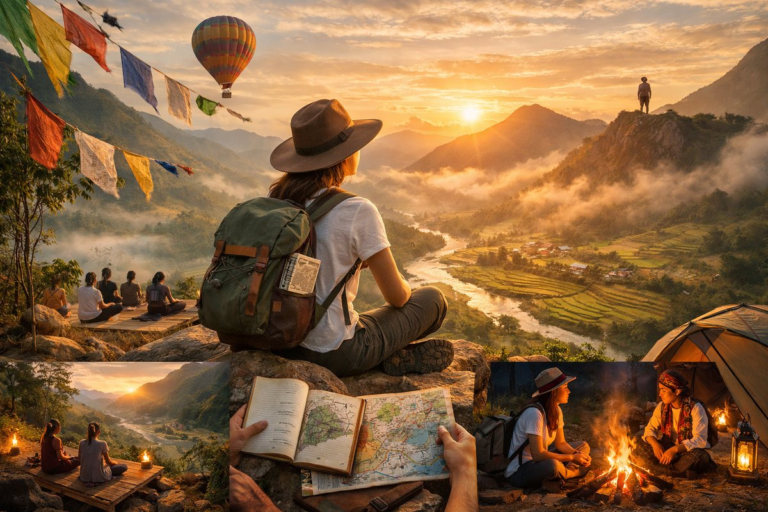
A growing number of explorers are turning vacations into missions that benefit communities and ecosystems. From rebuilding trails in the Himalayas to restoring coral reefs in tropical waters, purpose-driven itineraries are reshaping how we see travel and its potential for good.
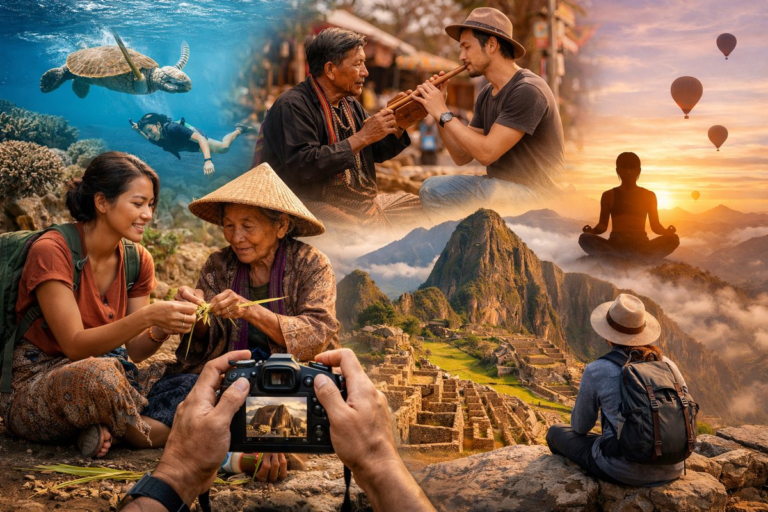
A recent global survey found that nearly three-quarters of travelers now prioritize sustainable and community-centered experiences over traditional sightseeing. As post-pandemic wanderlust collides with a heightened awareness of environmental and social challenges, a new breed of vacation unfolds: one where every step, every meal, and every conversation contributes to a larger purpose.
Across remote villages, coastal reefs, and reforestation projects, travelers are discovering hands-on ways to leave a positive footprint. In southern Costa Rica, an eco-lodge perched above verdant valleys offers guests the chance to plant native trees on cleared farmland. Each morning, volunteers gather seedlings and learn how to nurture them through guided workshops led by local conservationists. Beyond planting, visitors join harvests of tropical fruits, collaborate on community art initiatives, and share meals cooked over wood-fired stoves with families who call the neighboring village home.
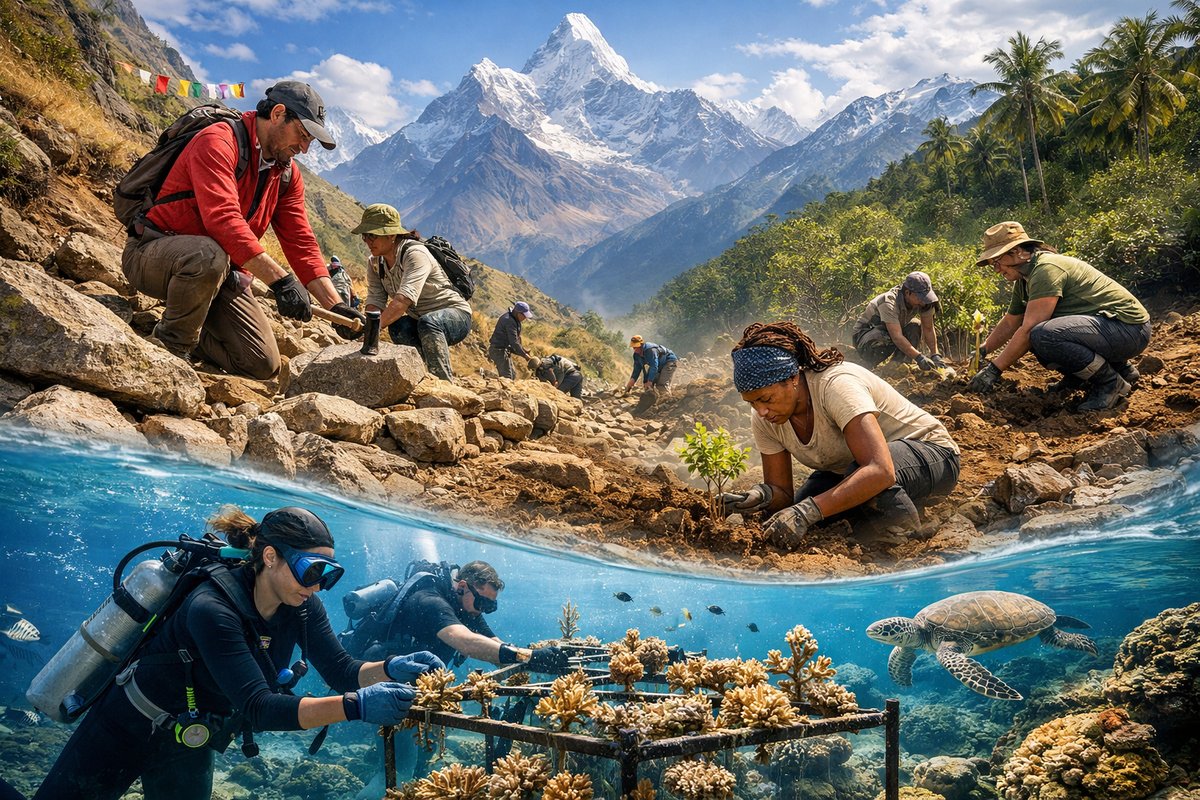
Half a world away, in a cluster of coral atolls, certified dive instructors train small groups to assist in reef restoration dives. Participants collect resilient coral fragments, carefully attach them to underwater frames, and monitor reef health through underwater surveys. These guided dives blend marine biology and adventure, and divers often report an emotional bond with ecosystems that can take decades to form through casual snorkeling alone.
Meanwhile, high in the foothills of the Himalayas, volunteer trail crews tackle erosion and unsafe paths that isolate mountain hamlets during monsoon season. Armed with hand tools and guided by experienced sherpas, travelers learn traditional dry-stone techniques to reinforce slopes and build drainage channels. As trail sections reopen, villagers reclaim access to markets and medical clinics, and trekking routes become safer for pilgrims and tourists alike.
For many participants, these programs go beyond photo ops or social media posts. “I went searching for a change of pace,” explains one traveler who spent three weeks on a permaculture farm in southern Italy. “What I found was a deeper sense of connection-to the soil, to my travel companions, and to a community that welcomed me like family. I left with more than memories; I left with skills and friendships I’ll carry forever.”
Local economies feel the ripple effects. When guests pay daily fees or make small donations, much of that revenue flows directly into community coffers-funding school supplies, medical supplies, and women’s cooperatives. In a rural village in Southeast Asia, proceeds from homestay programs helped launch a microloan fund that supports local artisans in marketing handcrafted textiles beyond regional markets.
Environmental gains, too, have been measurable. A joint effort between volunteers and park rangers in East Africa led to the planting of over 50,000 native acacia seedlings this year, helping restore degraded savanna and providing habitat for endangered birds. In California’s coastal scrublands, hikers who spent weekends removing invasive species report a surge in wildflower blooms the following season, drawing back native pollinators and contributing to a more resilient ecosystem.
For readers eager to plan their own purpose-driven adventure, experts recommend beginning with clear priorities. Are you most interested in hands-on conservation, cultural exchange, or community building? Many organizations offer short-term commitments-from long-weekend trail weekends to month-long agricultural apprenticeships-so you can find an experience that fits your schedule and budget. Vet hosts carefully: look for transparent reporting on how volunteer fees are used and for local leadership in project design.
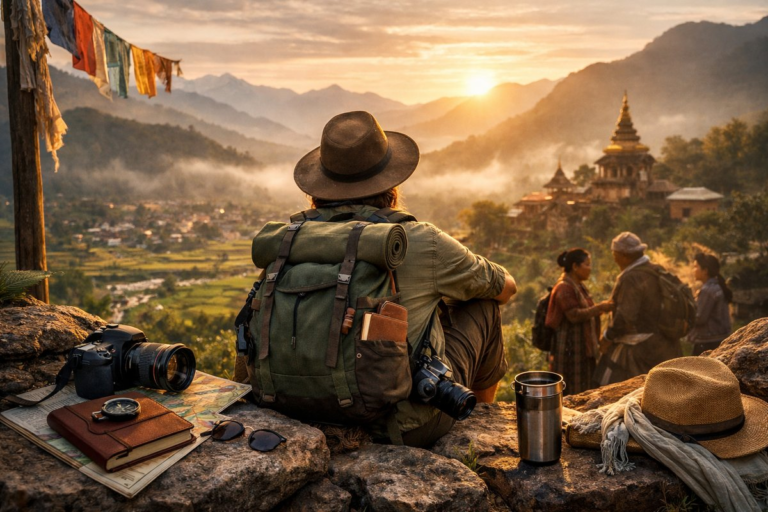
Packing for these journeys often calls for versatile, eco-friendly gear. A durable travel backpack with separate compartments can hold tools and personal items, while a quick-dry microfiber towel keeps you comfortable after muddy trail days and ocean dives alike. Staying connected in remote areas may require a portable solar charger or a lightweight power bank that taps into sunlight rather than relying on the grid. A reusable stainless steel water bottle cuts down on plastic waste, and a compact first aid kit ensures you’re prepared for minor scrapes or blisters on the trail. Finally, a packable rain jacket made from recycled materials helps you stay dry and contributes to a lower-carbon footprint.
Safety experts also stress the value of local partnerships. Working with community-based guides not only enhances cultural respect but also ensures that you’re following protocols designed to protect flora, fauna, and people. Whether monitoring reef health under the direction of marine biologists or digging drainage channels beside village elders, collaboration is what turns a good deed into meaningful impact.
Online platforms that vet purpose-driven projects, though plentiful, vary widely in quality. Look for those that offer independent reviews, clear breakdowns of fee structures, and communication channels that connect you directly with local organizers before you commit. Finally, approach each journey with humility and curiosity: listen more than you speak, leave room for local customs you may not understand, and be prepared to adapt when conditions or priorities shift.
As purposeful travel continues to move out of niche guidebooks and into mainstream consciousness, the promise is clear. Trips infused with regenerative practices, community partnerships, and environmental stewardship usher in a kind of travel that transcends the usual tourist cycle. By trading passive observation for active participation, modern explorers are discovering that the most unforgettable landscapes are the ones they help shape, and the most enduring legacies are the lives they touch.
Where will your next journey take you? Whether planting trees under a tropical canopy or laying stones on mountain trails, the path to impact is one conversation, one seedling, and one step at a time.