Location
Mount Vernon, WA 98274

Location
Mount Vernon, WA 98274

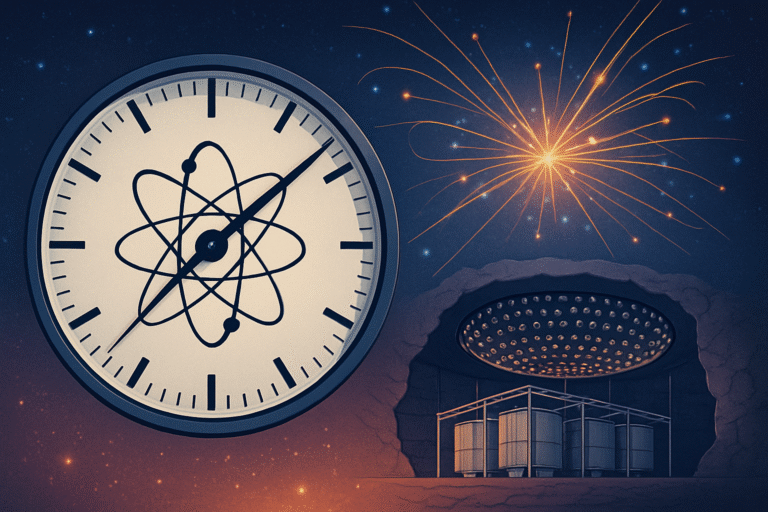
Advances in timekeeping and particle detection are converging to peel back the universe's deepest secrets. From atomic clocks achieving unprecedented precision to subterranean detectors hunting dark matter, researchers are orchestrating a symphony of experiments that may redefine our understanding of reality.

Scientists have identified a subtle yet powerful link between mountain-induced atmospheric gravity waves and shifting weather patterns across mid-latitude regions. This emerging research reveals how silent ripples from high peaks can trigger unexpected storms, record snowfall, and challenges for forecasting and adaptation.

As ambitious space missions deploy advanced sensor networks across the solar system, a new frontier emerges at the intersection of cosmic exploration and data sovereignty. From quantum communication relays to interplanetary surveillance arrays, scientists and policymakers must reconcile the demands of unlocking the universe's secrets with respect for individual and collective privacy.
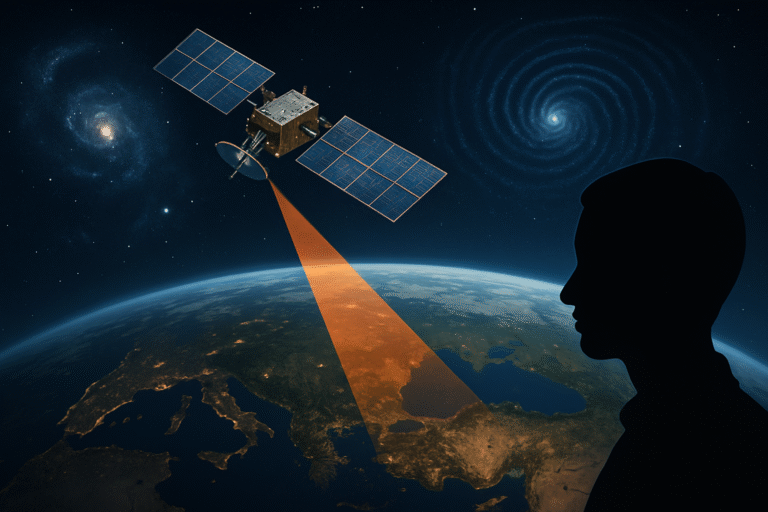
As new orbital sensor networks peer deeper into both the cosmos and Earth's surface, researchers and policymakers confront an unexpected tension. How can scientific exploration of dark matter and gravitational waves coexist with the privacy rights of communities beneath the satellites' watchful eyes?
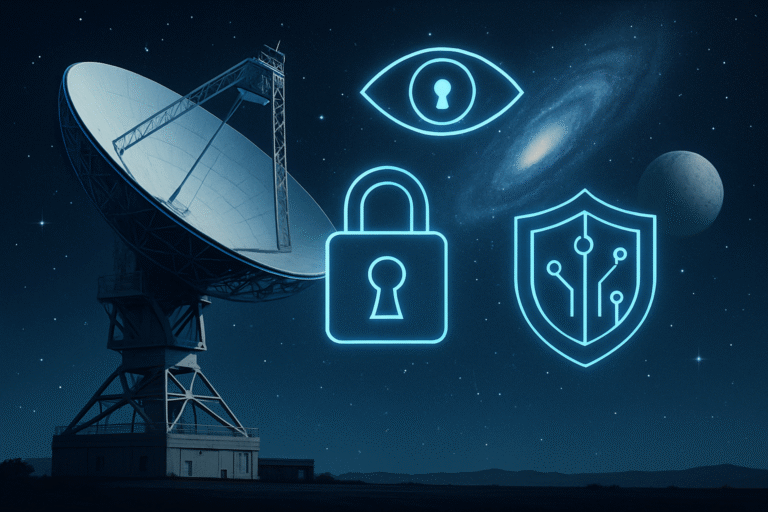
A groundbreaking array of deep-space sensors promises unprecedented insights into cosmic phenomena-but it also raises urgent questions about privacy, surveillance, and digital rights beyond our atmosphere. As scientists race to decode signals from the farthest reaches of space, policymakers and technologists are weaving frameworks to safeguard against misuse, protect individual freedoms, and build ethical guardrails for the next era of interplanetary data.

The hearth was not cold—it was waiting. Not for fuel, but for presence. Not for heat, but for choosing.

He became the Unchosen Guardian—present, invisible, aching. He learned to speak less. To offer without expectation. To carry the weight of rejection like a sacred relic—proof that love, even unreciprocated, still matters.

As space agencies and private firms usher in a new era of interplanetary exploration, a fresh battleground is emerging: the protection of data streaming across vast cosmic networks. Scientists, policymakers, and digital rights advocates are racing to establish frameworks that guard against surveillance, spyware threats, and ethical blind spots in our quest to map the stars.

As humanity pushes the boundaries of space-time research with advanced satellite constellations and quantum communication networks, a new realm of privacy and surveillance challenges emerges. From detecting malicious code in interplanetary links to drafting a Space Data Bill of Rights, scientists, policymakers, and technologists are collaborating to protect digital freedoms and ethical standards in the cosmic age.

As quantum observatories and interplanetary communication networks emerge, the race to harness space-time data brings unprecedented privacy challenges. From preventing spyware infiltration in deep-space relays to drafting digital-rights frameworks for extraterrestrial information, scientists and policymakers are forging ethical-tech safeguards to secure our cosmic frontier.