Location
Mount Vernon, WA 98274
Location
Mount Vernon, WA 98274

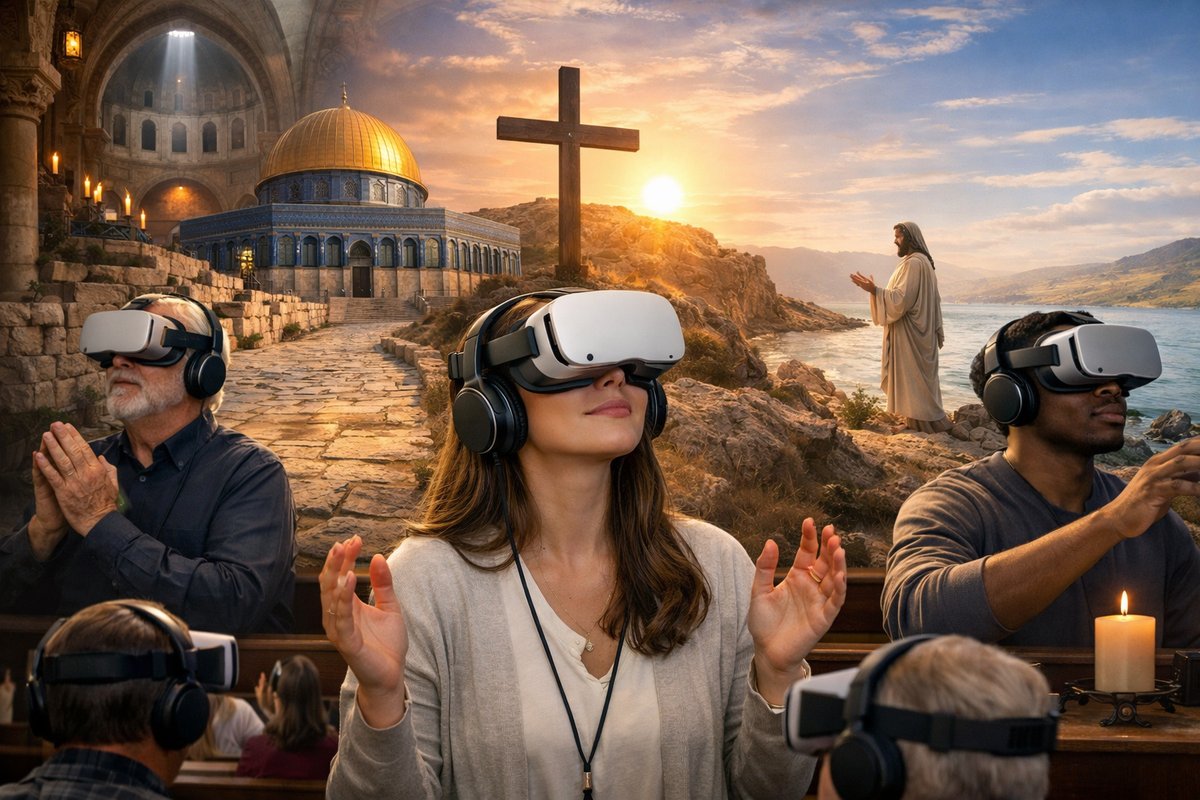
Across the country, congregations are pioneering virtual reality retreats that let worshipers explore holy sites and biblical landscapes from their own sanctuaries. Blending cutting-edge technology with timeless spiritual practices, these digital pilgrimages aim to connect tech-savvy youth and seasoned members in a shared experience of faith and reflection.
In recent months, a growing number of churches have rolled out virtual reality retreat experiences designed to transport congregants to sacred destinations without leaving their local fellowship halls. Fueled by advances in headset technology and 360-degree video mapping of historic pilgrimage sites, this initiative has sparked curiosity and attendance among both younger members eager for new forms of engagement and older worshipers open to exploring uncharted spiritual territory.
The concept first took shape when a small parish partnered with a nonprofit specializing in faith-based VR content. Church leaders used mobile 360-degree cameras at key landmarks in the Holy Land to capture high-definition footage. That material was then woven together into guided digital journeys, complete with narrated reflections, ambient sounds of desert winds, and interactive stations allowing virtual exploration of archaeological digs and ancient chapels.
According to a recent survey by a religious research institute, 62 percent of participants under age 35 said they felt more deeply connected to scriptural narratives after completing a virtual pilgrimage session. Remarkably, 47 percent of those over age 60 reported renewed enthusiasm for additional online offerings. Attendance in mixed-generation fellowship groups has risen by nearly 30 percent since the program’s launch, demonstrating a rare moment of intergenerational unity driven by technology.
One participant described the experience as both grounding and uplifting. She recounted moments when she felt the dust of ancient pathways under her feet as if stepping into a living Gospel scene. For many, the virtual gathering concluded with a shared liturgy conducted live in the church sanctuary, reinforcing the bond between digital and embodied worship.
Leaders emphasize that data privacy and user comfort remain paramount concerns. All sessions require written consent, and personal information is encrypted. Sessions run on secure local networks to minimize dependency on external platforms. Church staff receive basic training in digital ethics to ensure a respectful environment that honors participant confidentiality and spiritual focus.
Environmental considerations have also factored into the retreats. By reducing the need for long-distance travel, congregations anticipate cutting carbon emissions linked to traditional group pilgrimages. Some partnerships include tree-planting commitments for every digital retreat hosted, reinforcing a theology of creation care alongside innovative ministry.
Youth ministry coordinators report that the VR retreats offer a fresh entry point for teenagers whose digital fluency is rarely tapped in conventional church programs. Interactive elements such as virtual prayer stations and communal gesture exercises invite hands-on engagement. Meanwhile, lifelong members find comfort in guided meditations that feature familiar hymns intertwined with ambient recordings from sacred sites.
Pastors leading the initiative stress that the goal isn’t to replace physical journeys but to complement them. Digital retreats can serve as preparatory steps, sparking interest in future trips or deepening understanding for those unable to travel. In one case, a group that began with a VR tour later organized a small-scale visit, citing the virtual experience as essential groundwork.
Experts in digital ministry note that striking a balance between immersion and reflection is key. Too much novelty can distract from prayerful contemplation, while too little interactivity diminishes engagement. To address this, retreat sessions are structured in modules: an initial orientation, guided exploration, reflective journaling prompts, and a concluding communal liturgy that blends on-screen visuals with live worship.
The theological conversation around virtual sacraments remains in early stages, but some denominations see potential in remote participation rites. At one church, a simulated foot-washing station allows users to perform the gesture in virtual space, followed by pastoral guidance on its spiritual meaning. While canonical recognition varies, these experiments are sparking broader dialogue about how digital tools can enrich sacramental life.
Beyond pilgrimage, virtual fellowship rooms offer shared prayer circles and scripture study groups. Avatars can gather around a virtual table, read passages together, and even light digital candles in memory of loved ones. These features have proven invaluable during inclement weather or other disruptions, ensuring community rhythms continue uninterrupted.
Looking ahead, developers are exploring augmented reality overlays for sanctuaries. Imagine a worship space where participants can point their device at the altar and see layered scriptural imagery or historical annotations of stained glass windows. Such projections could animate stories of saints and martyrs, transforming traditional church architecture into dynamic teaching tools.
Training remains a critical factor. Churches hosting VR retreats partner with tech volunteers and seminary instructors to equip facilitators with both technical know-how and pastoral sensitivity. Ongoing feedback loops invite congregants to suggest new content, refine guided reflections, and propose fresh routes through biblical landscapes.
As digital retreats gain traction, many leaders see them as a bridge to the next chapter of communal faith practice. By honoring both the longing for pilgrimage and the reality of modern constraints, this approach fosters a form of spiritual hospitality that transcends physical distance.
When virtual reality goggles are removed, worshipers return to their physical seats with stories to share, hearts stirred, and connections renewed. In an era often defined by screens and solitude, churches are demonstrating how thoughtful integration of technology can invite believers of all ages into a deeper encounter with tradition-and with one another, embodying a living faith that embraces both ancient paths and emerging horizons.