Location
Mount Vernon, WA 98274

Location
Mount Vernon, WA 98274
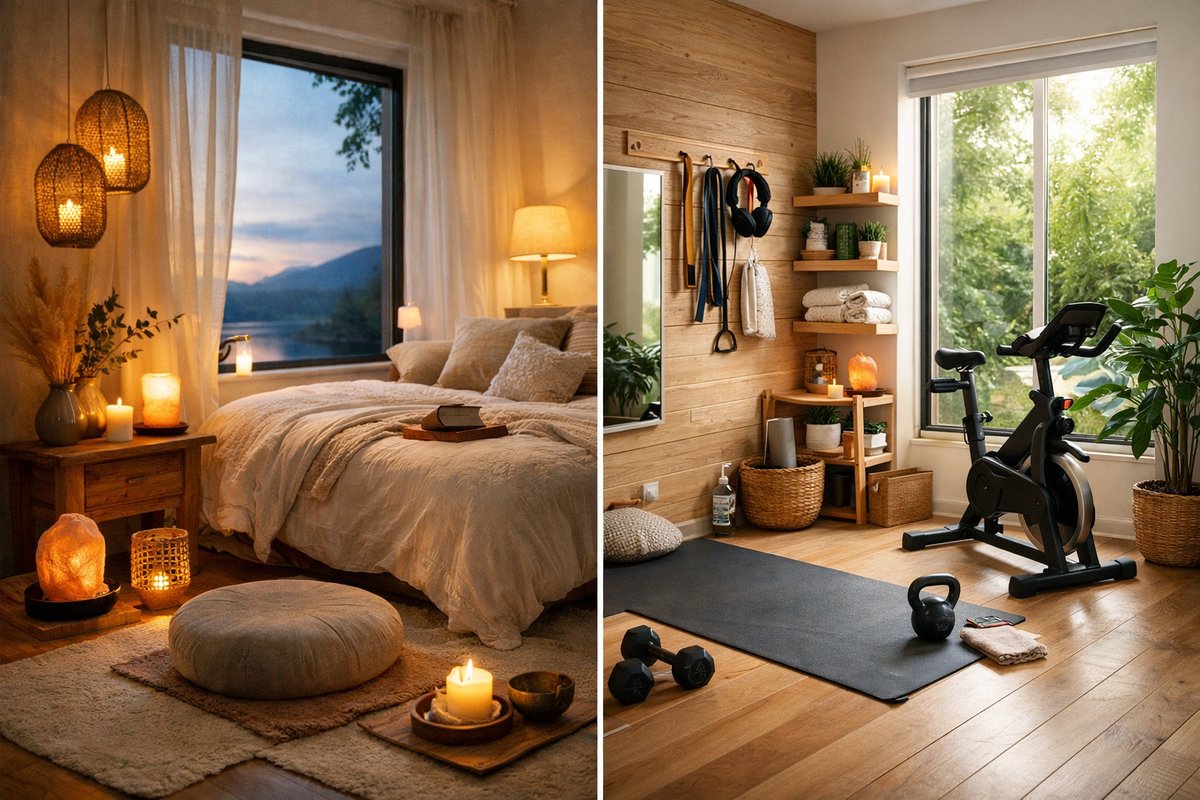
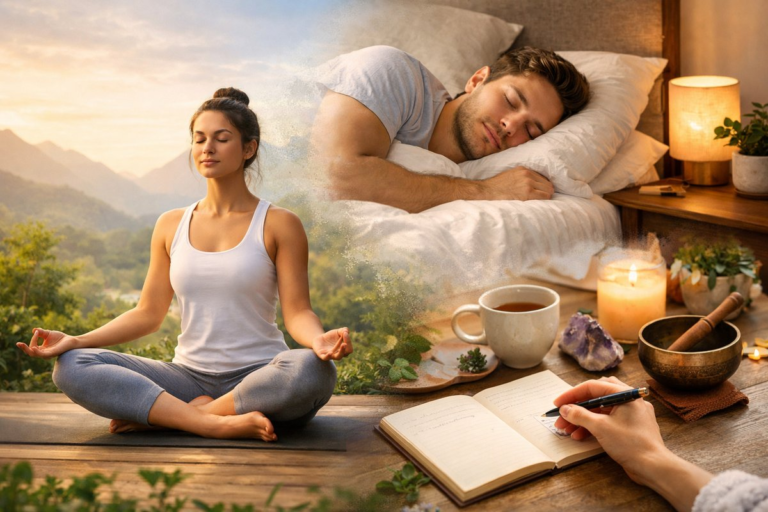
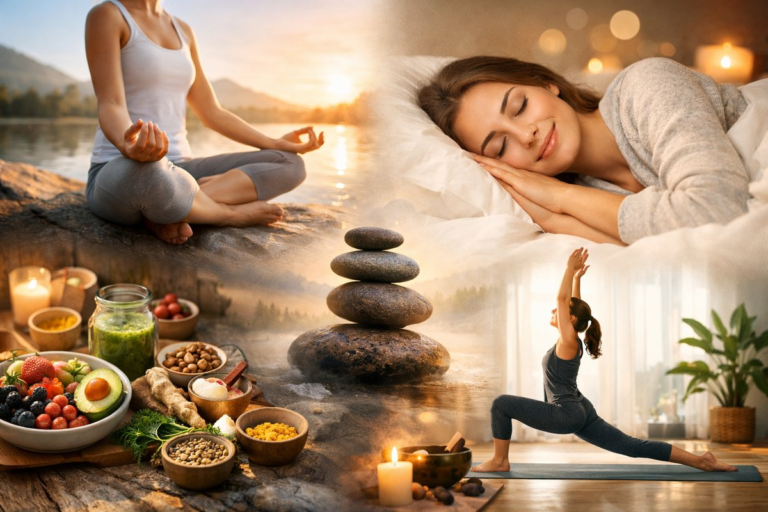
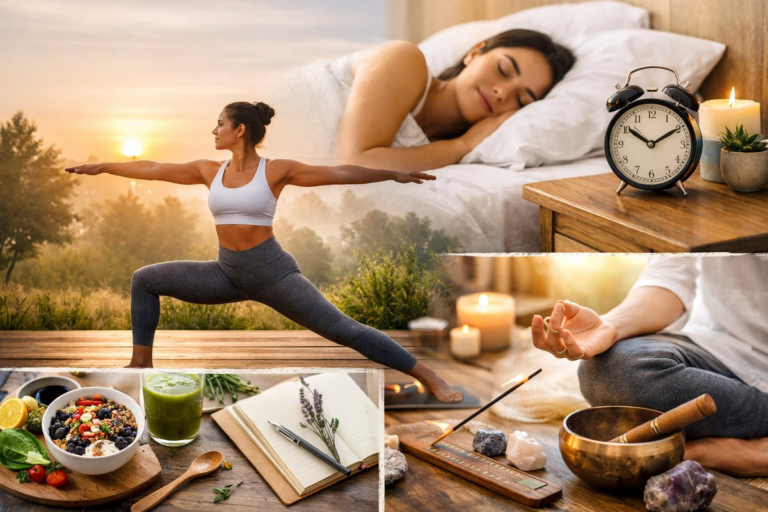
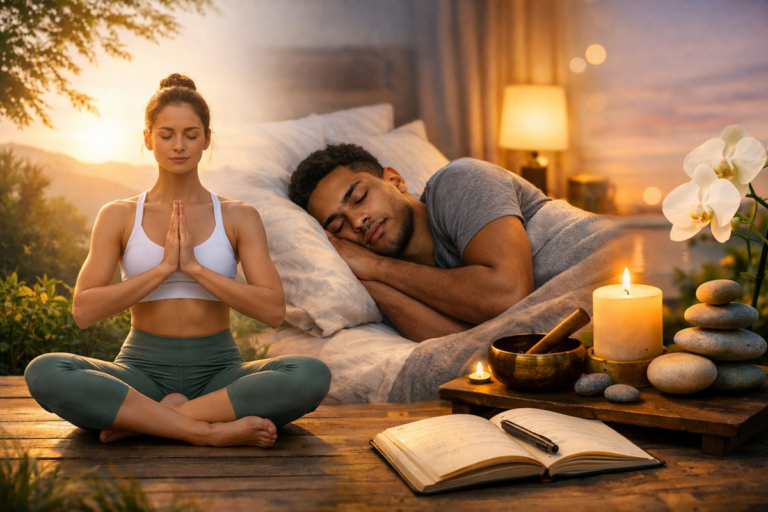
From quiet sleep sanctuaries to micro fitness nooks, homeowners and designers are reimagining rooms for vitality, restful nights, and emotional clarity. This shift in living-space design taps into emerging data on restful environments, mindful movement, and stress reduction, forging a new chapter in at-home wellness.
In neighborhoods across the country, spare bedrooms, vacant corners, and even underused closets are being repurposed into personalized wellness zones. A growing wave of homeowners, driven by research on the impact of environment on health, are blending sleep science, movement culture, and mindful design to create holistic retreats within their own walls. What once was a guest bed now serves as a meditation altar. A neglected alcove has become a strength-training station. The result is a new blueprint for residential spaces-one where vitality, rest, and emotional clarity share equal stage time.
This trend owes much to recent findings linking built environments with physiological and psychological outcomes. A report from a leading sleep foundation found that over a third of adults suffer chronic sleep disturbances, often tied to lighting, noise, and room temperature. Meanwhile, environmental psychologists have documented that access to dedicated movement areas at home boosts adherence to exercise routines by up to 60 percent. And corporate interest in wellness certifications through institutes devoted to indoor environmental quality has fueled consumer awareness: air filtration, circadian lighting, and acoustic treatments once reserved for offices are now trickling into suburban basements and urban lofts alike.
In one Seattle townhouse, residents replaced a rarely used formal dining room with a multipurpose wellness space. Soft floor panels and a curved LED fixture simulate sunrise and sunset, guiding morning yoga flows and winding-down stretches in the evening. A foldaway plyometric box hides behind an acoustic panel for high-intensity interval training. Here, the family rotates between guided breathwork sessions and streaming mobility classes, emerging from each practice more energized and less frazzled.
Neighboring homeowners in Austin have taken a more modular approach. They invested in stackable strength discs and adjustable resistance bars rather than permanent installations. A lightweight canopy drapes overhead for gentle suspension exercises. When the session is done, each component tucks neatly into a single cabinet. This scheme underscores one of the movement’s key philosophies: adaptability. As life needs evolve-child’s play area one day, wellness studio the next-rooms can transition without a full remodel.
Designers leaning into this movement emphasize four pillars: lighting, acoustics, movement equipment, and restorative elements. Circadian lighting systems mimic natural daylight cycles, calibrating color temperature to support alertness or wind-down phases. Acoustic panels and noise-masking devices dampen external distractions, creating an immersive cocoon for mindfulness practices or power naps. Compact fitness gear-think stackable weights, resistance bands, and foldable mats-makes exercise accessible. And restorative touches like indoor plants, essential-oil diffusers, and weighted blankets encourage deeper relaxation.
The economic side of this shift is also notable. Market analysts reported that home fitness equipment sales surged over 50 percent in recent years, even as commercial gyms reopened their doors. Sleep aids-from blackout window treatments to temperature-regulating bedding-have seen double-digit growth annually. Meanwhile, sales of multifunctional lighting fixtures designed to track circadian rhythms are on track to outpace traditional smart bulbs within a few short years. Consumers are voting with their wallets, prioritizing health investments in personal environments.
Beyond the private realm, community-minded firms are collaborating with neighborhood associations to pilot shared micro-wellness hubs. In a Brooklyn co-op, a vacant mailroom was converted into a stretch-and-chill lounge with built-in foam rollers, guided meditation pods, and sleep pods for mid-afternoon restorative rests. Residents swipe keycards for timed sessions, enjoying both a social dimension and a personal retreat. This hybrid model marries cost-sharing with the intimacy of private practice, promising a blueprint for higher-density buildings.
Experts caution that technology alone won’t guarantee well-being. “Devices are enablers, not panaceas,” notes a behavioral neuroscientist who has studied the links between environment and stress response. “A high-end circadian lamp won’t trump a chaotic schedule or chronic worries. Real benefit comes when design and behavior change in concert.” To that end, some homeowners are integrating digital habit coaches-apps that nudge breathwork breaks, posture shifts, or screen-time curfews-into home-automation systems.
In Colorado’s mountain towns, where cold winters fuel long indoor seasons, the trend toward wellness rooms has taken on a distinctly biophilic flavor. Timber wall panels, living moss walls, and panoramic nature prints blur the line between outdoors and in. Underfloor heating beneath yoga platforms ensures feet stay warm during meditation, and vented skylights crack open at sunrise for fresh mountain air. Users report a marked decrease in seasonal blues and a stronger connection to natural rhythms.
Meanwhile, coastal dwellers in Florida are focusing on calm interiors to counter relentless humidity and heat. Strategically placed dehumidifiers, ductless mini-split systems, and antimicrobial finishes on gear help create fresh, breathable spaces. Blue-green accent walls and wave-patterned rugs foster a beachlike atmosphere. Whether tall ceilings or low ceilings, each design blueprint prioritizes consistent airflow and mold-resistant materials to protect both mood and health.
For renters or compact-apartment dwellers, the micro-wellness niche has spawned a raft of plug-and-play options. Floor-to-ceiling resistance trainer kits, portable sleep tents that block external light, and inflatable balance platforms turn tiny rooms into versatile wellness studios. Users can assemble or disassemble each component within minutes, avoiding landlord limitations while still reaping the holistic benefits of purposeful fitness and sleep design.
Perhaps most compelling is the democratization of mindful living. The same research that once fueled corporate wellness budgets now informs do-it-yourself solutions. Online communities share blueprints for building DIY soundproof breathing pods out of repurposed furniture cases. Virtual workshops teach homeowners to solder their own circadian light controllers. In this grassroots exchange, sustainability emerges as an undercurrent: donated furniture gets new life as fitness benches; scrap lumber becomes bespoke shelving for plants and incense.
The ripple effects extend beyond personal health. Interior designers estimate that homes optimized for rest and movement command higher resale premiums. Neighbors find new points of connection when they invite each other over for group stretch sessions or evening wind-down rituals. Even front-yard aesthetics shift to embrace small meditation benches or hidden garden nooks that cascade soothing sounds into the street.
As the boundaries between living, working, and wellness spaces continue to blur, one thing is clear: holistic design is here to stay. By marrying data on sleep science, movement adherence, and environmental psychology, homeowners are crafting environments that support vitality by day and restoration by night. The next frontier may lie in integrating biofeedback-wearable sensors that adjust lighting or sound based on heart rate variability-or communal apps that synchronize neighborhood wind-down periods. For now, though, anyone with a spare room, a patch of carpet, or an unused closet can begin the journey from passive decor to an active foundation for well-being.