Location
Mount Vernon, WA 98274

Location
Mount Vernon, WA 98274
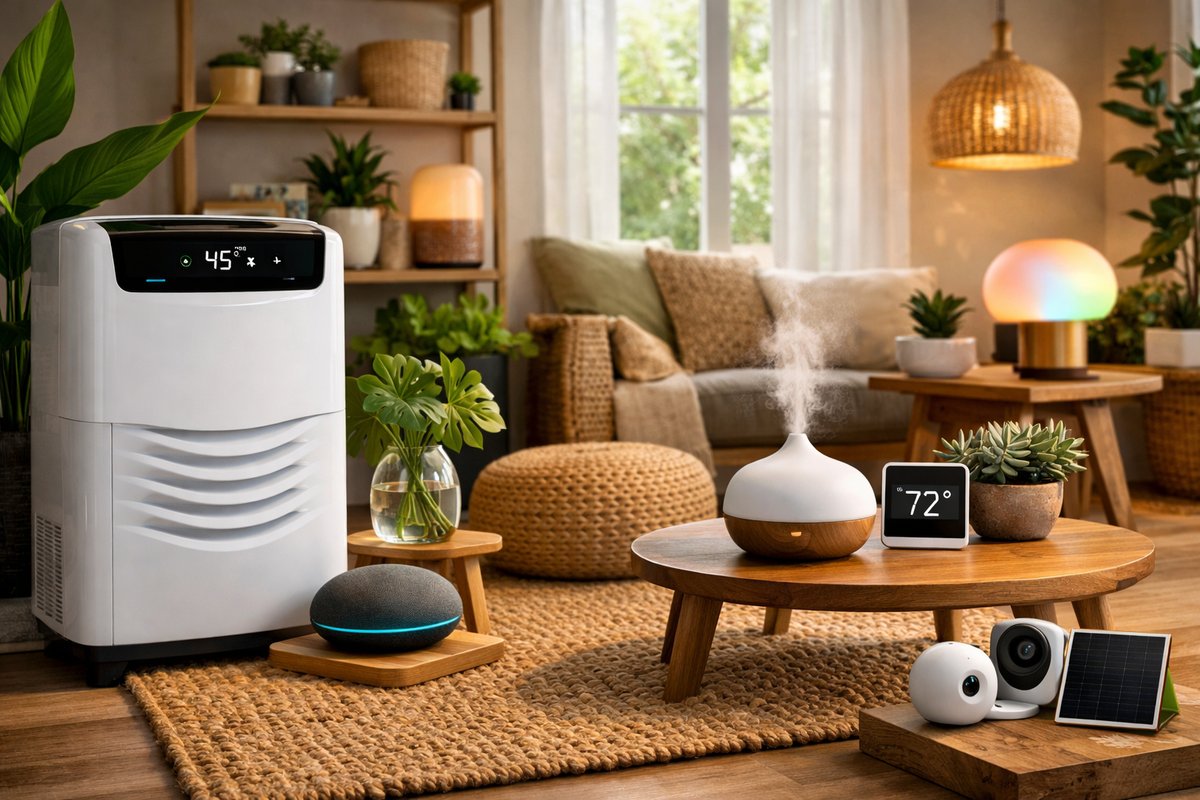
A surge of new smart devices and eco-minded materials is reshaping how we live at home. From humidity-sensing dehumidifiers to handwoven area rugs, discover the innovations turning every corner into a sanctuary of comfort and efficiency.
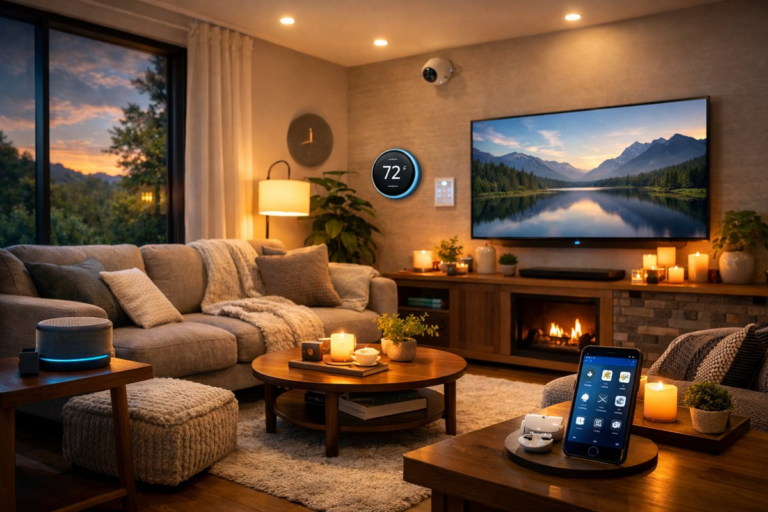
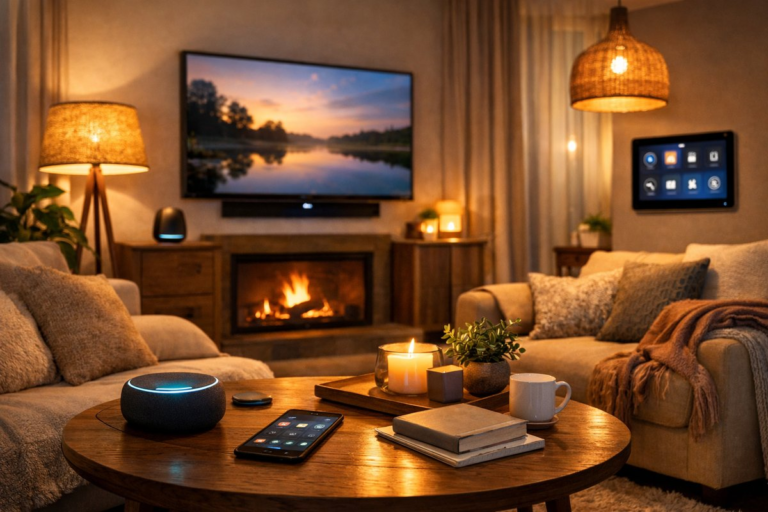
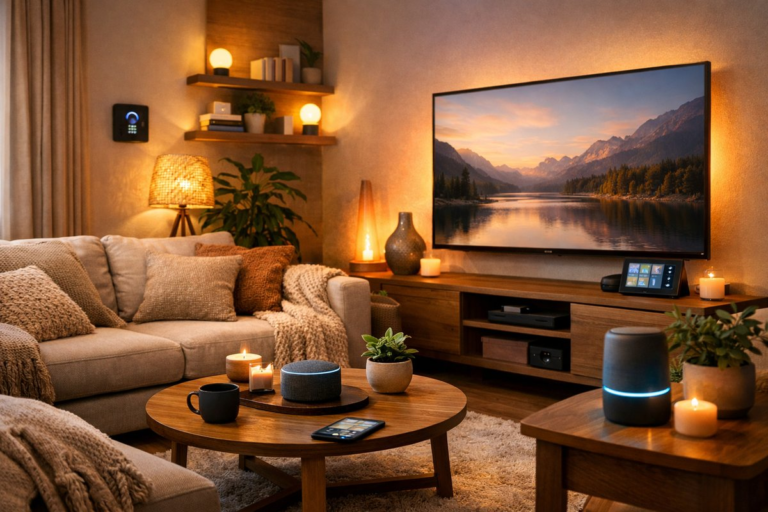
Urban apartments and suburban houses alike are embracing a wave of home improvements that blend advanced technology with tactile warmth. A recent pilot program in a Midwest community rolled out networked climate sensors to dozens of rental units, immediately cutting heating and cooling costs by 15 percent. Meanwhile, independent designers are championing plant-based insulation and artisanal textiles to offset the clinical feel that often accompanies gadget-driven spaces.
At the heart of this trend is the quest for intentional comfort. Gone are the days when a voice-controlled light bulb alone qualified as “smart.” Today’s homeowners are integrating moisture-monitoring sensors that automatically activate energy-efficient dehumidifiers when indoor humidity spikes, preserving both air quality and building materials. One case study in a renovated loft shows how real-time humidity alerts prevented mold growth behind freshly installed shiplap walls, protecting a $5,000 investment in reclaimed wood paneling.
Designers cite sustainability as a key driver. According to an industry report from a leading green building council, demand for recycled and bio-based materials in residential remodels rose by nearly a quarter over the past 18 months. From cork floor tiles made from wine-stave offcuts to low-VOC paints tinted with plant extracts, these eco-friendly options are entering mainstream showrooms. A textile collective in the Southwest, for instance, sources undyed cotton and natural dyes to create area rugs that are both washable and compostable.
On the tech side, next-generation modular shelving systems are adapting to ever-changing storage needs. Instead of fixed metal frames, new pop-in connectors allow homeowners to reconfigure open units and convert bookcases into media consoles in minutes, no tools required. These systems pair seamlessly with plug-and-play LED filament bulbs that slip into standard sockets and sync with mobile apps for customizable color temperatures. During the pilot launch at a coworking loft in San Francisco, tenants reported immediate improvements in eye comfort and task focus, attributing a 20 percent bump in productivity to warmer, more consistent lighting.
A signature element of the movement is the rise of personalized climate control. Voice-activated thermostats are now being complemented by sensor-equipped window shades that automatically open to capture early-morning sunlight or close when UV levels peak. In a hillside renovation in Austin, these motorized blinds cut solar heat gain by half without blocking panoramic views. Residents can still engage manual override via an app or a simple voice command, offering both convenience and connection to the outdoor environment.
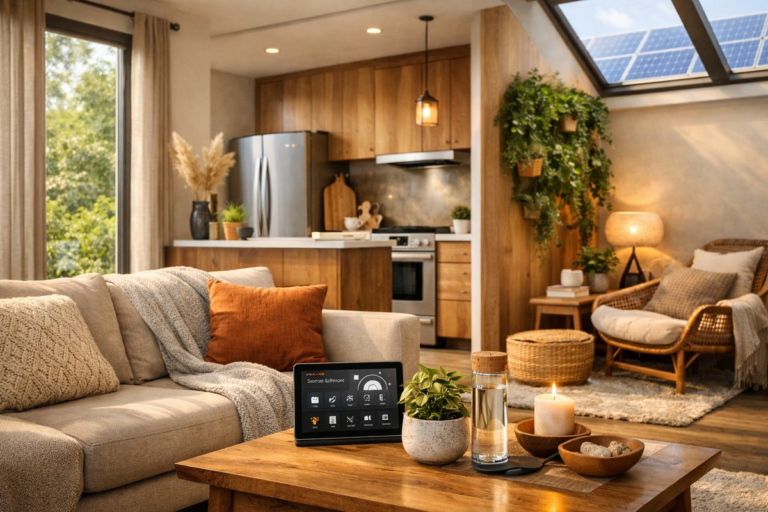
While technology often feels cold, designers are counterbalancing with rugs, throws, and pillows made from natural fibers. Small-batch weavers in northern states are experimenting with merino wool blended with bamboo silk, yielding textures that keep living rooms cozy without trapping dust or allergens. Paired with memory-foam lumbar cushions in muted earth tones, these soft goods transform minimalist interiors into warm retreats for reading and relaxation.
Security upgrades have also entered the comfort conversation. Instead of bulky cameras and harsh floodlights, the latest smart home security camera modules are compact, battery-powered, and weatherproofed with eco-resin casings. They preserve night-vision clarity while blending unobtrusively into siding or soffits. A pilot deployment in a coastal neighborhood prevented petty theft and monitored storm surges, alerting residents when tide levels threatened ground-floor windows.
For the kitchen, countertop automation is trending beyond just coffee machines. Induction cooktops with built-in digital timers and pan-recognition sensors reduce energy waste by heating only the vessel in use. Ultra-thin portable monitors display recipe steps with voice prompts, enabling hands-free guidance through vintage family recipes. At a food blogger’s studio kitchen in Brooklyn, the system slashed prep time in half and cut overall energy draw by 30 percent during a month-long testing period.
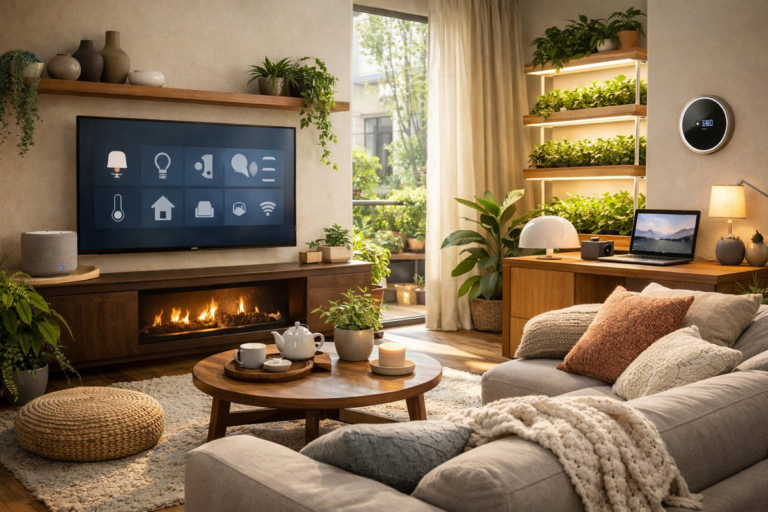
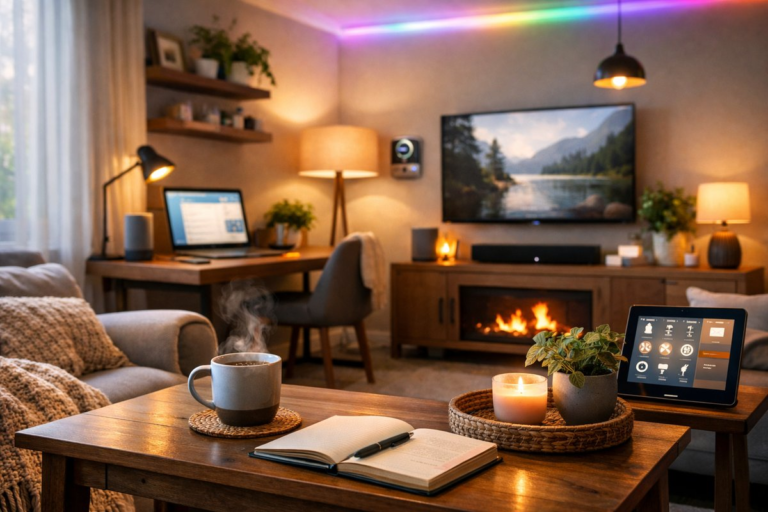
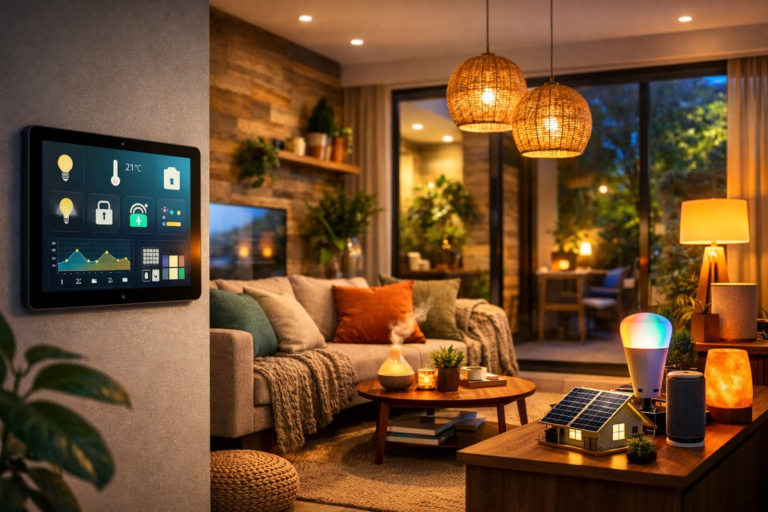
A cohesive feature across these upgrades is data-driven simplicity. Mobile apps consolidate controls for lighting, temperature, humidity, and security into a single dashboard. Yet designers emphasize that the interface must be intuitive, with one-touch scenes like “Evening Wind-Down” that dim lights to a soft amber, draw the shades, and set the dehumidifier to a gentle cycle. Focus groups report that having a single scene shortcut encourages more frequent use of eco-modes and reduces overridden settings by 40 percent.
Another emerging approach is privacy-first monitoring. Instead of audio-recording assistants, standalone air-quality stations measure CO₂, VOCs, and particulate matter without uploading raw data to the cloud. Alerts trigger local automations-fans, humidifiers, or open-window reminders-while preserving personal data on secure, on-site servers. As smart devices proliferate, this edge-computing strategy is gaining traction among families wary of letting every sensor stream information out of their homes.
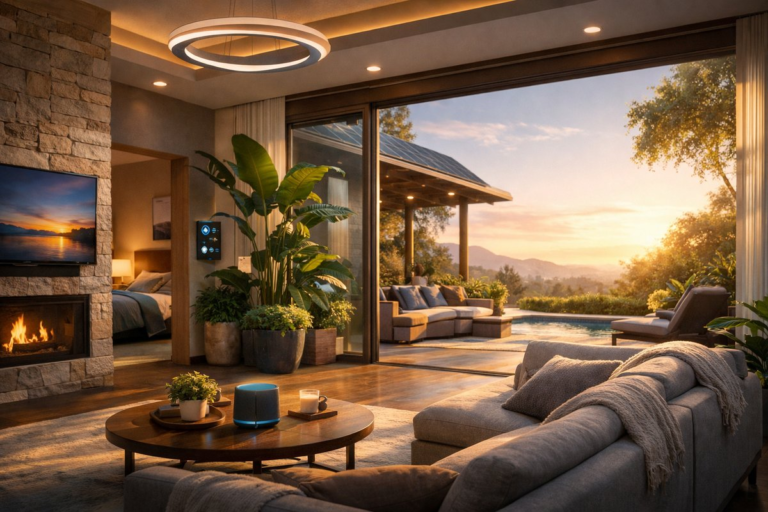
In outdoor living spaces, architects are integrating retractable glass panels and motorized pergola canopies to blur the line between indoors and out. These systems automatically retract at the first sign of rain, while integrated LED strips cue at sunset to extend yoga sessions or dinner parties without harsh overhead glare. Materials like heat-tempered glass and powder-coated aluminum frames ensure longevity with minimal maintenance.
The revival of analog rituals is also shaping accessory trends. Record players with built-in wireless receivers let music enthusiasts skip cords while preserving album art displays. Paired with cushioned floor seats hand-dyed in natural pigments, these setups create corners for unplugged listening sessions. In several loft conversions, designers have carved alcoves equipped with sound-dampening panels and dimmable sconces, inviting residents to unwind from screens.
As these innovations hit showrooms and pilot neighborhoods, the overarching theme remains clear: comfort and intelligence are no longer separate pursuits. They converge in homes designed to think for themselves while inviting inhabitants to slow down, touch textures, and enjoy rituals undisturbed by clunky tech. The next generation of home improvements promises to be as much about craftsmanship and coziness as it is about firmware updates.
For homeowners and renters looking to dive in, experts recommend starting small: retrofit a voice-activated thermostat, add sensor-enabled dehumidifiers in basements, and swap rigid shelving for modular frames. Complement those upgrades with a handwoven area rug and memory-foam lumbar cushion to anchor each room in warmth. Soon, the daily routine of adjusting lights, temperature, and music will feel as automatic and natural as breathing, leaving more space for the simple joy of being at home.
In this era of intentional design, every switch, sensor, and soft throw contributes to a holistic living experience. By balancing the smart with the snug, families and individuals alike can craft environments that respond to their needs-without sacrificing the human touch that turns a house into a home.