Location
Mount Vernon, WA 98274

Location
Mount Vernon, WA 98274
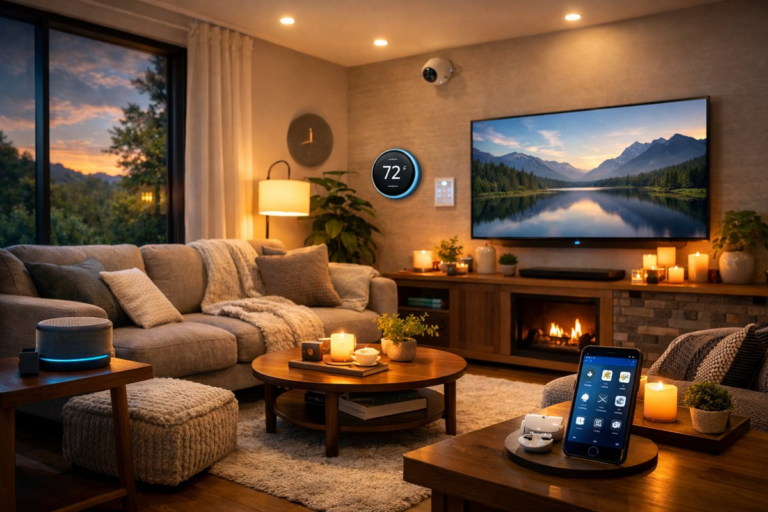
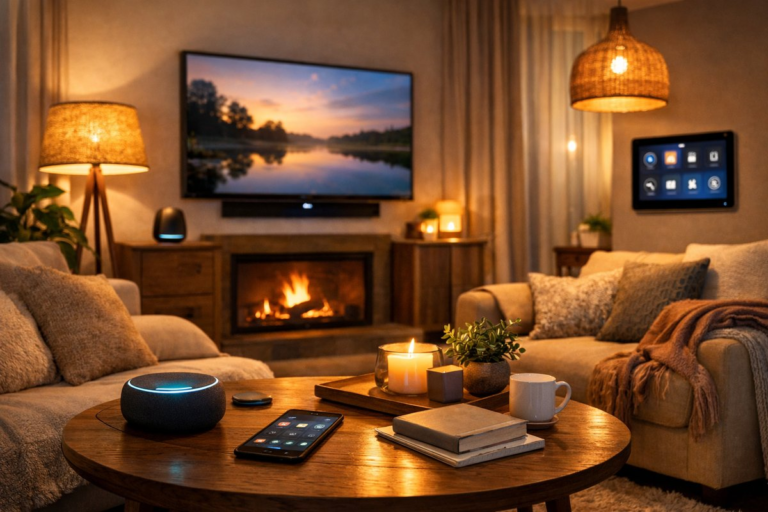
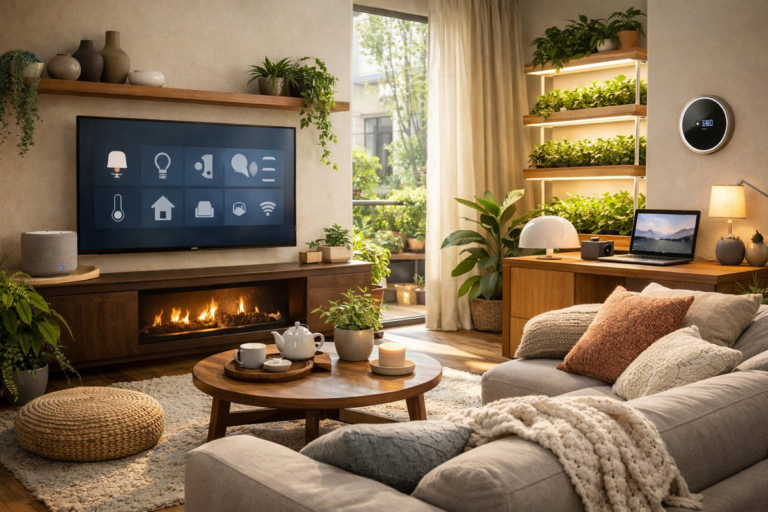
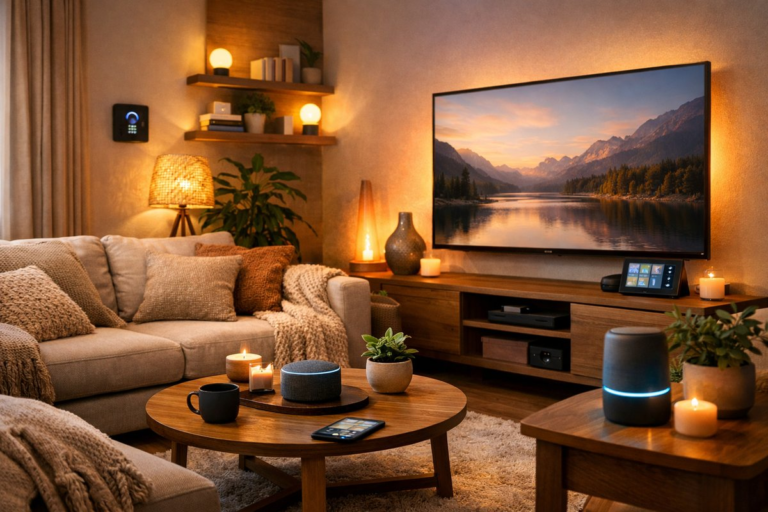
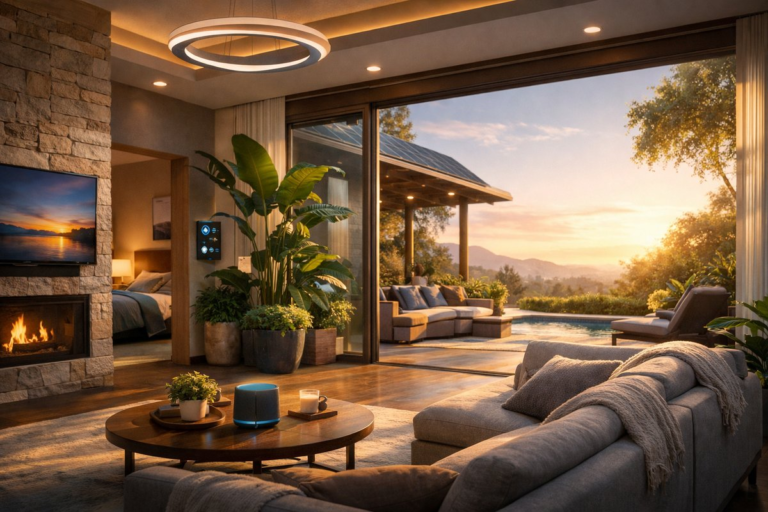
A new wave of home enhancements marries digital convenience with sensory comfort, as residents across the country embrace voice-controlled lighting, air-purifying sensors, and sustainably sourced textiles. This shift toward intentional living redefines our relationship with physical space, placing well-being and adaptability at the forefront.
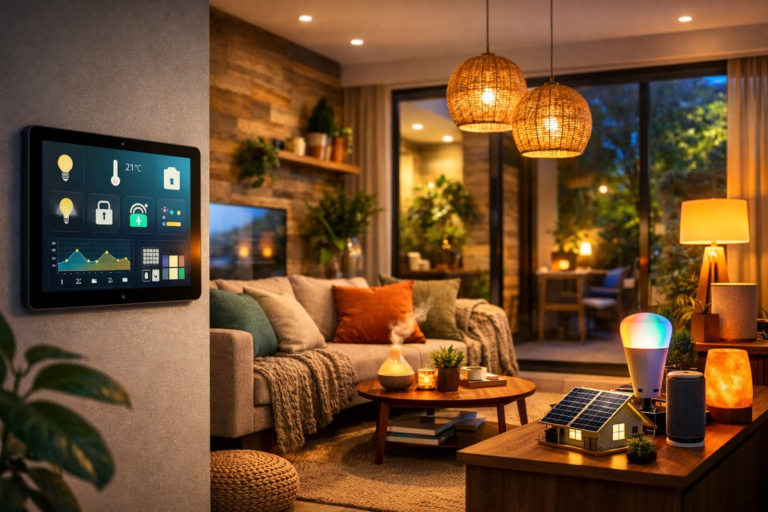
In metropolitan lofts and suburban bungalows alike, homeowners are tearing down the traditional divide between high-tech convenience and low-tech coziness. Recent data from a leading home-innovation research group shows that 62 percent of respondents prioritize wellness features-such as air-quality monitors-alongside smart controls for lighting, temperature, and entertainment. This hybrid approach challenges designers to create living environments that feel both intuitive and inviting.
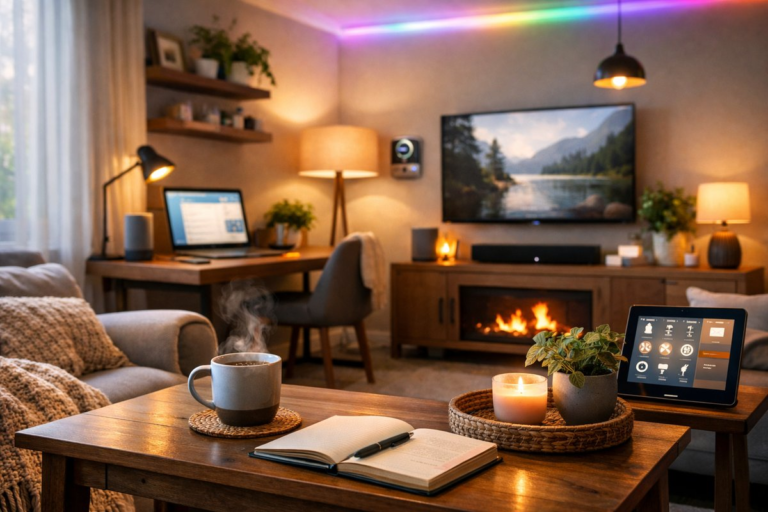
A trendsetter in this movement is the integration of voice-activated lighting systems that adapt to daily routines. In a downtown apartment complex, residents report up to 20 percent energy savings after installing programmable LED bulbs and connecting them to their home networks. The bulbs automatically dim during evening wind-down hours and pulse gently in the morning to support natural wake-up cycles. Beyond energy efficiency, users say the warm glow replaces anxiety-inducing harsh whites, setting a calm tone for each day.
Equally compelling are emerging air-monitoring devices that map indoor pollution levels in real time. Coupled with networked humidifiers and filtration units, these gadgets create a closed-loop wellness system. One community wellness center in the Pacific Northwest installed wall-mounted sensors in communal spaces. Members now receive smartphone alerts when volatile organic compounds or fine particulates spike, prompting the system to boost fresh-air intake. Administrators report improved member satisfaction, noting that the subtle hum of the ventilation system blends into the background rather than becoming an intrusive drone.
But technology alone cannot deliver a sense of home. That’s where tactile elements reclaim center stage. Sustainable materials-linen, wool blends, reclaimed oak-are emerging as counterpoints to the sleek surfaces of digital panels. Small-batch textile makers have seen a surge in orders for handcrafted rugs dyed with plant pigments. Customers say the weight and texture of natural fibers ground them in the physical realm, offering a welcome contrast to floating user interfaces and touchscreen controls.
Take the case of a mid-century ranch house that underwent a comprehensive retrofit last spring. The owners installed a modular shelving system equipped with hidden sensors that detect load weight, illuminating motion-activated strips as needed. They paired this hardware with open-weave baskets crafted from recycled cotton. The combination of metal-track architecture and soft, fibrous containers evokes both strength and softness, creating a living-room vignette that looks sculptural by day and responds warmly at night.
In smaller dwellings-studio apartments and converted garages-residents are turning to multi-purpose furnishings. Coffee tables now incorporate concealed wireless charging pads and built-in Bluetooth speakers, subtly weaving connectivity into communal surfaces. A recent survey of compact-home dwellers found that 48 percent prioritize furniture that hides technology. These buyers seek freedom from clutter without sacrificing function, especially as remote work and home schooling remain prevalent.
Adaptive climate control is another arena where smart convenience meets sensory nuance. Rather than blasting a single thermostat each morning, homeowners equip rooms with individual temperature sensors. Paired with voice-enabled outlets, fans and portable heaters adjust automatically when someone enters or leaves a space. One architect describes it as “per-person conditioning,” reducing energy waste while ensuring that each family member feels comfortable in their favorite nook-be it a sunlit reading corner or a cozy kitchen breakfast bar.
Indeed, the kitchen is a hub of hybrid innovation. Under-cabinet LED strips lend culinary labs a cool, even glow, while ambient lights tucked beneath open shelves bathe countertops in a warm hue during evening meal prep. Smart faucets equipped with touchless activation and water-usage monitors help households track consumption. Interior designers note that pairing polished brass spouts with matte black sensor panels delivers a balanced interplay of warmth and precision.
For many, intentional living extends to soundscapes as well as sight. Integrated audio systems-hidden behind decorative grilles or built into furniture-deliver curated playlists that follow daily rhythms. Research suggests that gentle background music during work hours can boost focus, while soft acoustic tracks in the evening encourage relaxation. Homeowners who previously relied on bulky speakers swap them for in-wall or bookshelf models that disappear within the design, preserving a clutter-free aesthetic.
Beyond technology and materials, ceremonial rituals shape space usage. Families light scented candles in the family room during weekly game nights, while window-mounted planters invite leafy greenery into line-of-sight. Studies find that incorporating living plants can reduce stress hormone levels by up to 15 percent. As a result, green corners have become a staple: shelves brimming with succulents sit next to digital photo frames looping vacation memories, creating layers of sensory and emotional resonance.
Professionals in the renovation space stress modular planning to accommodate future shifts in lifestyle. As generational needs evolve-children outgrow bedrooms, remote workers seek dedicated offices-rooms must adapt. Sliding panels, convertible sofas, and adjustable shelving systems form the scaffolding for these transformations. Property owners who invest in flexible layouts now report higher resale values, as buyers view adaptability as a lasting asset in an uncertain market.
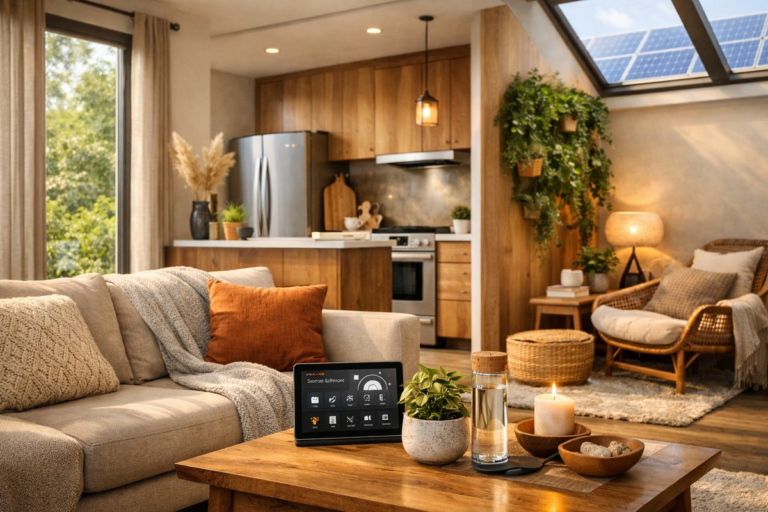
Sustainability remains a through-line in all of these upgrades. Renewable-energy integrations, such as rooftop solar panels or grid-interactive inverters, power smart devices with cleaner electricity. Biodegradable light diffusers made from agricultural byproducts replace acrylic diffusers that linger in landfills for decades. Water-saving fixtures with leak detection align with growing concerns about municipal supply integrity in drought-prone regions.
Perhaps the most profound shift is philosophical: homeowners are seeking environments that respect both inner well-being and outer accountability. This ethos is reflected in curated “pause zones”-small alcoves or dedicated corners outfitted with meditation cushions, soft blankets, and a single controllable light source. Here, technology recedes into standby mode; app-driven blinds lower automatically at pre-set intervals to define a moment of respite.
As design firms prepare for the next wave of client demands, they’re rethinking how data and design collaborate. Floor plans now incorporate distributed sensors as standard, feeding anonymized usage patterns back to architects for future improvements. In lofts where motion sensors once only triggered security alerts, they now track traffic flows to optimize furniture placement and lighting zoning.
The story of the modern home is one of symbiosis. High-fidelity automation and tactile richness no longer stand in opposition; they complement each other in a continuous dialogue. By weaving together programmable fixtures, sustainable textiles, adaptive furniture, and wellness-focused rituals, today’s homeowners are not just designing rooms-they’re crafting holistic lifestyles. And in an era where well-being is increasingly digitized, the human touch remains the ultimate interface.