Location
Mount Vernon, WA 98274

Location
Mount Vernon, WA 98274
From home fermentation kits to smart countertop ovens, today's culinary landscape blends tradition, innovation, and ecological awareness. As diners seek connection and authenticity, chefs and home cooks alike are embracing plant-based creations, zero-waste cooking, and global flavors.
Across city markets and neighborhood kitchens, a quiet revolution is unfolding: food is no longer just fuel or fine dining-it’s a convergence of culture, community, and conscious innovation. At an open-air bazaar in a Midwestern town, shoppers linger at stalls selling fermented hot sauces next to jars of handmade cashew cheese. A few blocks away, a local supper club arranges a zero-waste feast on communal tables stacked with bowls of teff flatbreads and spiced oyster mushrooms. These scenes reflect broader data: according to Nielsen, plant-based meal sales rose 12 percent last quarter, while Google Trends shows search interest in “at-home fermentation” climbing by nearly 40 percent over the past year.
Plant-based fare has transcended novelty status. Beyond burgers and milks, chefs are blending pea and myco-proteins to craft umami-rich meat analogues, while home cooks experiment with jackfruit ‘pulled pork’ and shiitake bacon. Dairy alternatives have moved from store brands to artisanal cashew and oat cheeses, some aged in temperature-controlled cellars. A recent report from the Plant-Based Foods Association notes that hybrid products-blending dairy and plant proteins-now account for 8 percent of refrigerated cheese sales. These innovations are driven not only by taste but by environmental concerns: producing plant proteins emits up to 90 percent fewer greenhouse gases than conventional dairy.
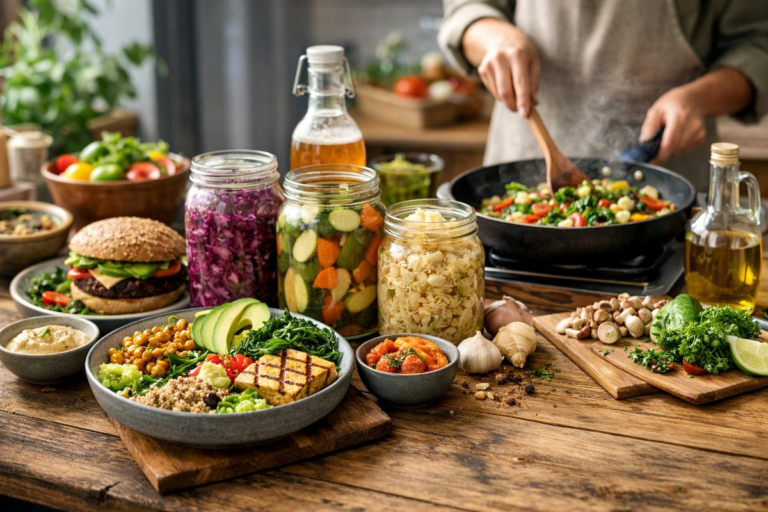
Fermentation has emerged as both a culinary craft and an entry point for home experimentation. A growing number of kitchens sport stackable glass jars with silicone airlocks, transforming vegetables into tangy krauts or probiotic-packed kvass. Subscription-based fermentation kits provide detailed instructions on making everything from miso to cashew yogurt. Fermentation educator workshops are popping up in community centers, where participants swap starter cultures and stir scrupulously sterilized vessels. Food historians point out that fermenting was long a necessity before refrigeration-now it’s an act of mindful revival and microbial curiosity.
Ancient grains are experiencing a renaissance, too. Millet, sorghum, and teff-once staple grains in West Africa and the Horn of Africa-are finding their way into porridge bowls and artisan breads. Freekeh, a smoky green wheat, has become a favorite base for chilled summer salads. Nutritionists note that these grains offer higher fiber and protein than refined wheat. A study from a leading public health school found that dietary patterns incorporating diverse whole grains may lower the risk of chronic disease. Farmers markets now feature local growers experimenting with heritage varieties, reconnecting modern plates to age-old farming traditions.
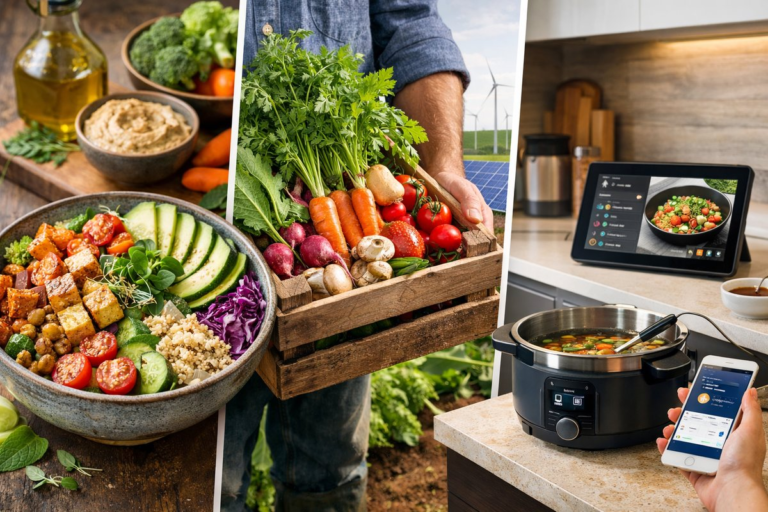
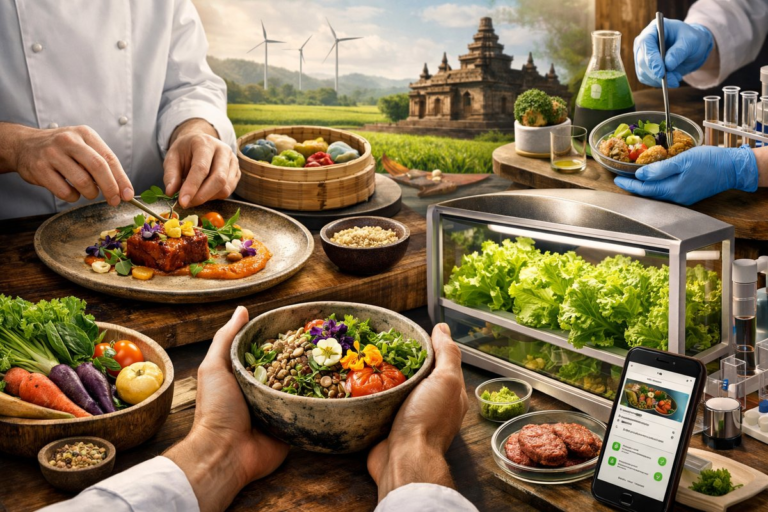
Meanwhile, kitchens are getting smarter. Countertop ovens with integrated cameras and guided cooking apps promise perfectly roasted vegetables and seared proteins at the tap of a screen. Smart temperature probes send real-time updates to phones, preventing overcooking. Sous vide immersion circulators, once the domain of professional chefs, are now affordable for home cooks eager to achieve consistent doneness. Industry data suggests that nearly 30 percent of U.S. households now own at least one connected cooking appliance, pointing to a desire for precision and convenience without sacrificing flavor.
At the heart of this movement is a commitment to zero-waste and upcycling. Chefs transform carrot tops into pesto, potato peels into crisp snacks, and spent grains from breweries into hearty bread. Community fridges-public refrigerators stocked with donated meals-address both surplus and food insecurity. Apps that track expiration dates and suggest recipes for odds and ends help households reduce landfill contributions. This ethos extends from restaurant kitchens to the dinner table: composting bins and eco-friendly food wrap alternatives are gaining traction as essential kitchen tools.
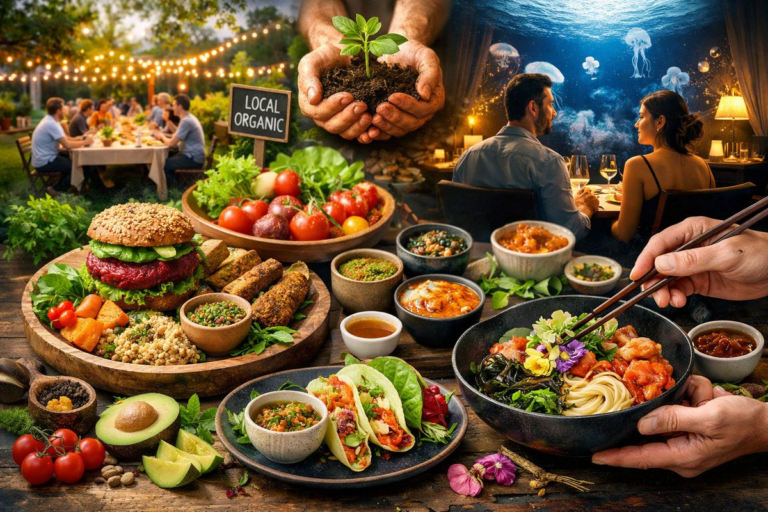
Global flavors continue to weave new narratives. Nigerian pepper soups, Filipino adobo variants with coconut milk, and Yemeni zhug hot sauce are no longer confined to ethnic enclaves-they’re featured on seasonal restaurant menus and in virtual cooking classes. Pop-up dinners foster cross-cultural dialogue as diners share dishes alongside stories of heritage. Social media platforms amplify these exchanges, with short videos teaching how to fold dumplings or build a traditional piece of Peking duck pancake. The result is a richer, more interconnected culinary tapestry.
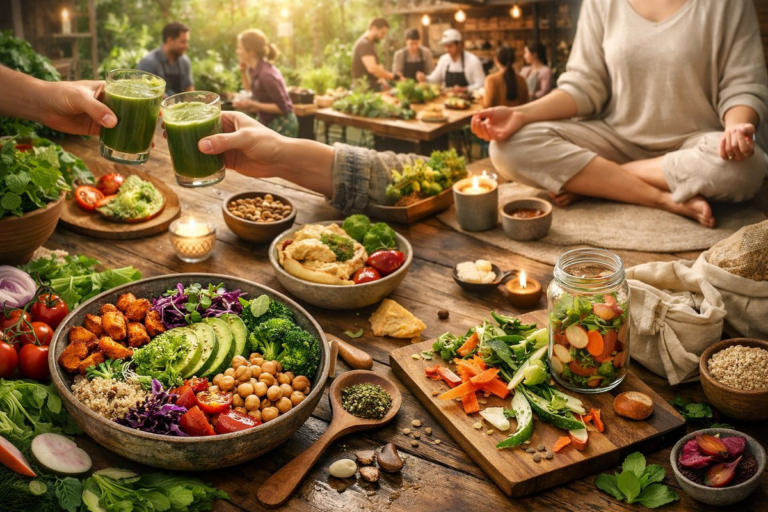
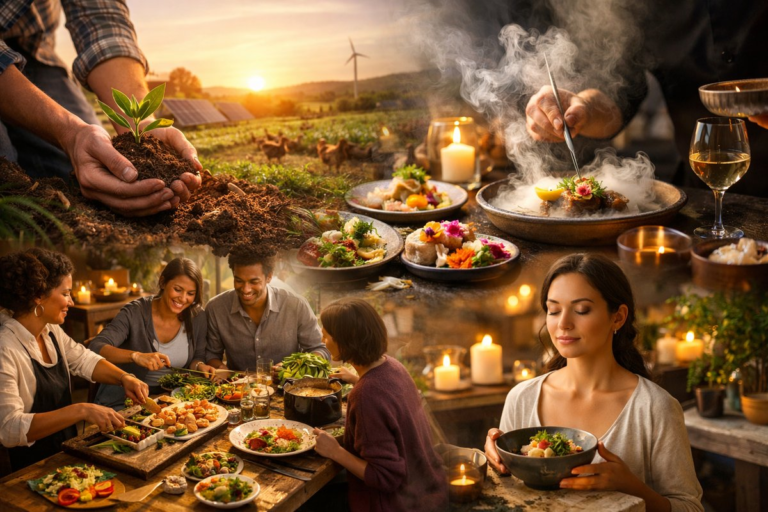
Yet food remains foremost a vehicle for human connection. Supper clubs held around a communal table encourage conversation between strangers. Virtual cooking sessions link families across continents, kneading dough in sync over video calls. Farmers forge relationships with chefs through on-site visits and dinner series held at barns and orchards. These rituals-whether breaking bread in a tight urban loft or sharing pickles at a community garden-remind us of food’s power to unite.
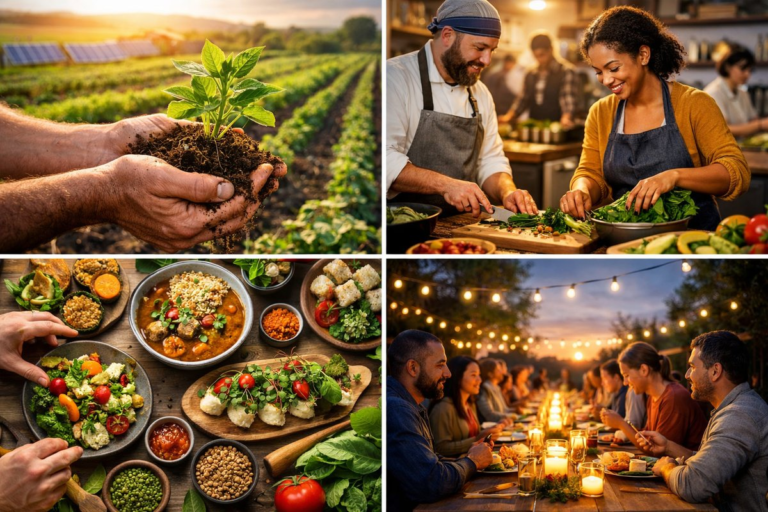
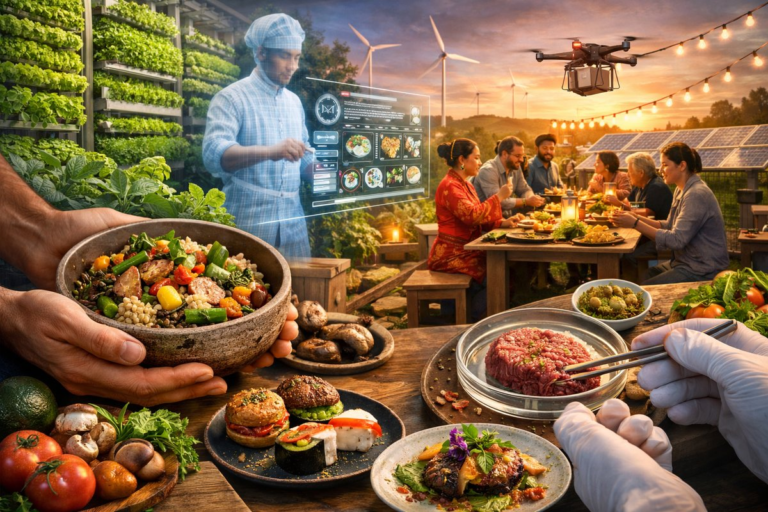
Sustainability is steering the path forward. More restaurants are sourcing from regenerative farms that prioritize soil health and biodiversity. Some menus now feature carbon labels, helping diners gauge the environmental impact of each dish. Startups are scaling vertical farming to deliver pesticide-free greens year-round, cutting water use by up to 95 percent compared to field cultivation. As climate concerns deepen, the food system is adapting through innovation, transparency, and a renewed reverence for nature’s cycles.
As we look ahead, the story of food will continue to mirror societal shifts. Expect AI-driven recipe customization that adapts to dietary needs, micro-vertical farms in apartment windows, and community kitchens stocked with recycled cooking oil turned into biodiesel. At its core, the next chapter will remain rooted in flavor, culture, and the simple joy of sharing a meal. In that shared bite, we taste not just ingredients but the values and connections that define us.