Location
Mount Vernon, WA 98274

Location
Mount Vernon, WA 98274
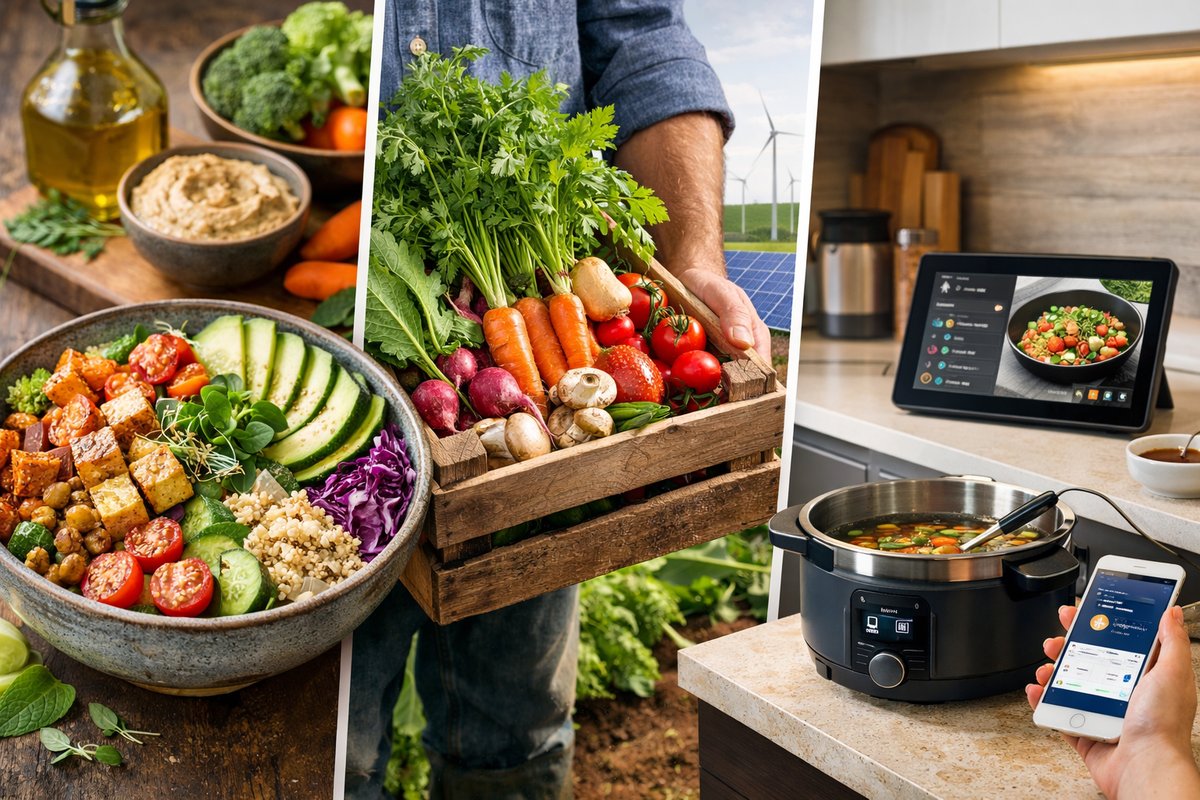
The world of food continues to evolve rapidly, blending tradition with innovation. Recent culinary trends highlight a surge in plant-based eating, sustainable sourcing, and the integration of smart kitchen technology, reshaping how we cook, share, and experience meals.
The landscape of food and culinary culture is undergoing a dynamic transformation, driven by a blend of sustainability, health consciousness, and technological advancement. Across the globe, chefs, home cooks, and food enthusiasts are embracing new approaches that honor tradition while pushing boundaries to meet modern needs and values.
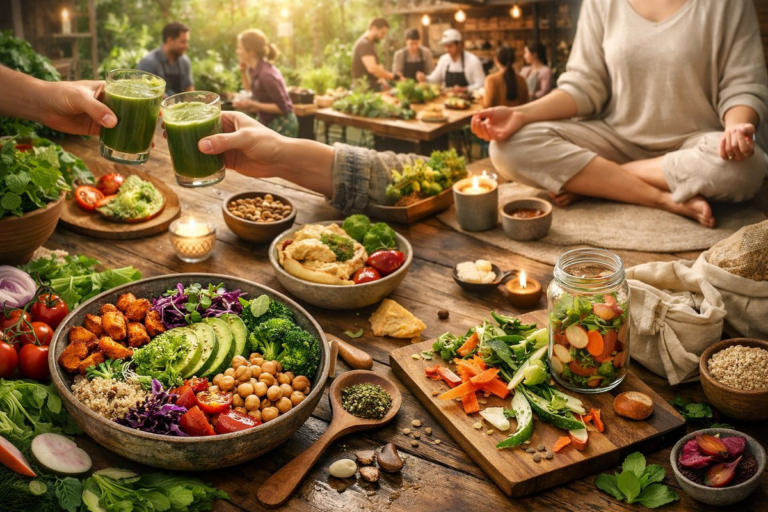
One of the most prominent trends reshaping dining habits is the rise of plant-based cuisine. Once relegated to niche markets, plant-based foods have entered mainstream consciousness with remarkable momentum. This shift is fueled by growing awareness of environmental impact, animal welfare, and personal health. Innovations in food science have led to increasingly sophisticated meat and dairy alternatives that deliver texture and flavor profiles nearly indistinguishable from their animal-derived counterparts. From burgers crafted with pea protein to cheeses made from cultured nuts, these products are enabling a broader audience to reduce animal product consumption without sacrificing culinary enjoyment.
The plant-based trend also reflects a deeper cultural movement toward mindful eating. Consumers are more frequently seeking meals that not only satisfy hunger but also align with their ethical values and health goals. This has encouraged restaurants and food producers to diversify menus and product lines with a focus on whole foods, legumes, grains, and vegetables prepared in inventive ways. The creativity in this space is remarkable, with chefs experimenting with fermentation, sprouting, and traditional preservation methods to amplify flavors and nutritional benefits.
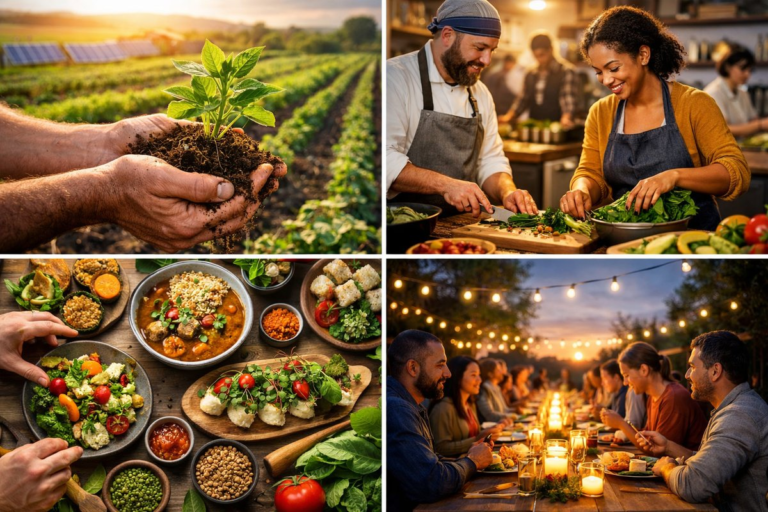
Sustainability is another driving force behind current culinary trends. Beyond plant-based eating, there is a growing emphasis on local sourcing, seasonal ingredients, and reducing food waste. Farm-to-table dining experiences continue to gain popularity, connecting diners more directly with the origins of their food. This movement supports local economies and reduces the carbon footprint associated with long-distance food transportation. Additionally, innovative packaging solutions and zero-waste cooking techniques are becoming essential components of responsible food production and consumption.
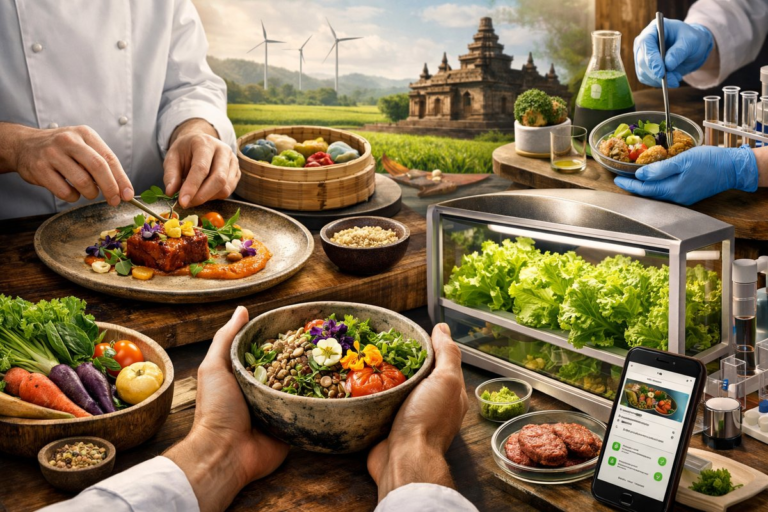
Technology is playing an increasingly significant role in the kitchen, both at home and in professional settings. Smart appliances equipped with AI capabilities are making cooking more accessible and precise. For instance, smart ovens that adjust cooking times and temperatures based on the dish, or refrigerators that track inventory and suggest recipes to minimize waste, are becoming common. These tools empower users to experiment with new cuisines and cooking methods while optimizing efficiency and sustainability.
Moreover, the rise of virtual cooking classes and online culinary communities has expanded access to diverse food cultures and expertise. People can now learn traditional recipes from distant regions or master advanced techniques with guidance from world-renowned chefs, all from their own kitchens. This democratization of culinary knowledge fosters greater cultural exchange and appreciation.
The social aspect of food remains central despite these technological advances. Communal dining, sharing meals with friends and family, and celebrating cultural food traditions continue to be vital for emotional well-being and connection. In fact, the renewed focus on home cooking during recent global events has rekindled interest in family recipes and the joy of preparing food together.
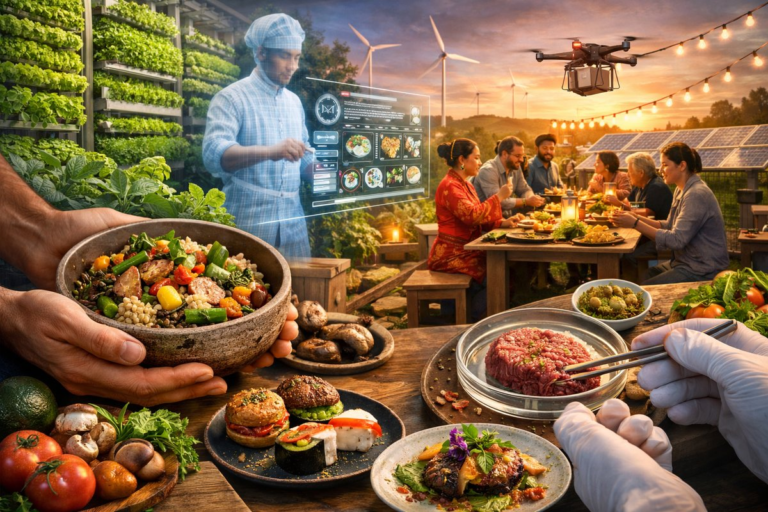
Looking ahead, we can expect these trends to deepen and diversify. The integration of sustainable practices, plant-based innovation, and smart technology promises a future where food is not only delicious but also ethical and accessible. As consumers become more informed and values-driven, the culinary world will continue to evolve in ways that nourish both body and planet.
This evolving food culture invites us all to explore new flavors, embrace mindful choices, and celebrate the rich tapestry of culinary traditions that connect us across communities and continents.