Location
Mount Vernon, WA 98274

Location
Mount Vernon, WA 98274
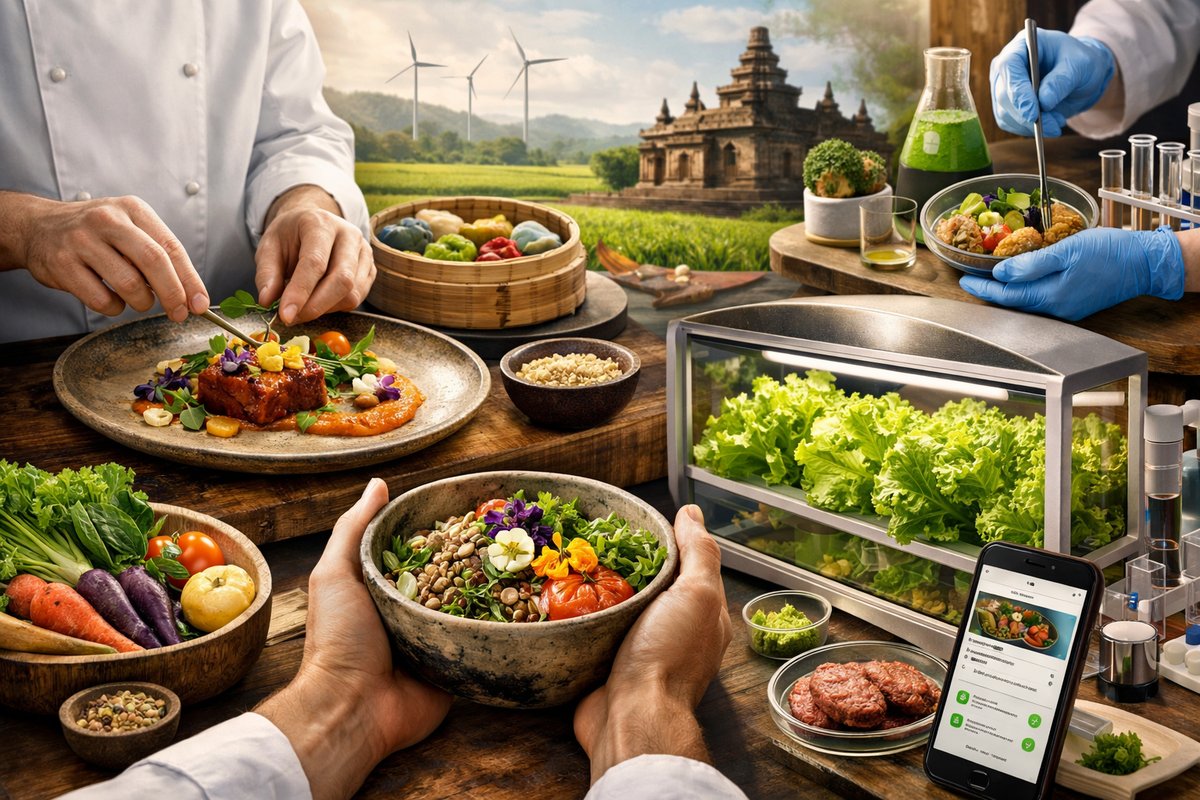
Culinary innovation today transcends mere taste, weaving sustainability, cultural heritage, and technology into our daily meals. As chefs and home cooks alike embrace new approaches, food becomes a dynamic medium for connection, mindfulness, and creativity.
In recent years, the world of food has undergone a profound transformation, moving beyond traditional notions of nourishment to embrace a holistic experience that celebrates culture, sustainability, and human connection. This evolution reflects a growing curiosity about where our food comes from, how it is prepared, and the stories it carries. As culinary trends continue to evolve, they reveal much about our values and aspirations, inviting us to reconsider the role food plays in shaping our lives.
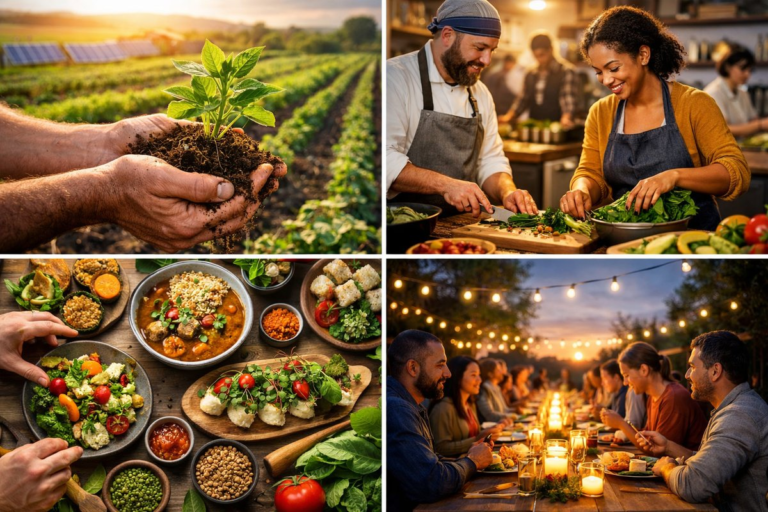
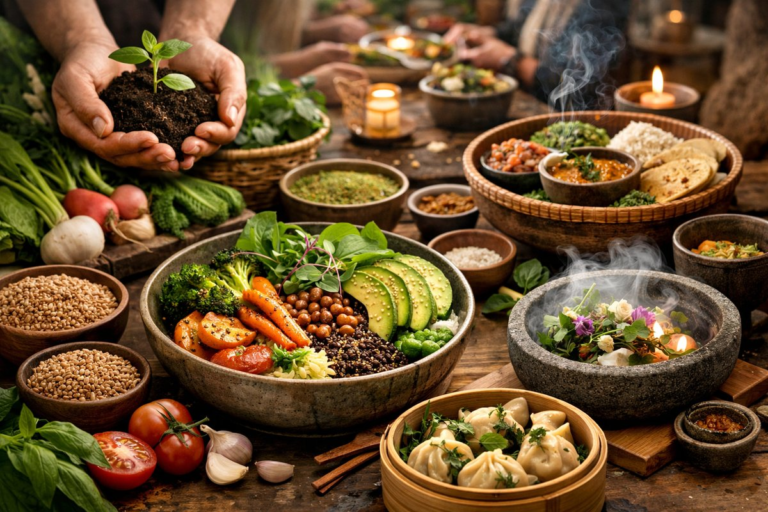
One of the most significant shifts is the rise of regenerative and sustainable cooking practices. Unlike conventional agriculture, which often prioritizes yield over ecological health, regenerative methods aim to restore soil vitality, increase biodiversity, and reduce carbon footprints. This philosophy is increasingly influencing chefs and food producers who seek ingredients grown through methods that nurture the planet. Restaurants are featuring menus that highlight seasonal, local produce harvested from farms practicing crop rotation, cover cropping, and minimal chemical intervention. This not only supports environmental stewardship but also reconnects diners with the natural rhythms of the land.
Alongside sustainability, there is a renewed appreciation for culinary heritage and the preservation of traditional foodways. In a globalized world, many are rediscovering the value of ancestral recipes and indigenous ingredients. These culinary narratives offer more than flavor; they provide cultural context and a sense of identity. For example, heirloom grains, ancient fermentation techniques, and age-old spice blends are making a comeback, inviting both cooks and eaters to engage with food history. This trend encourages a mindful consumption that honors the hands and hearts behind each dish.
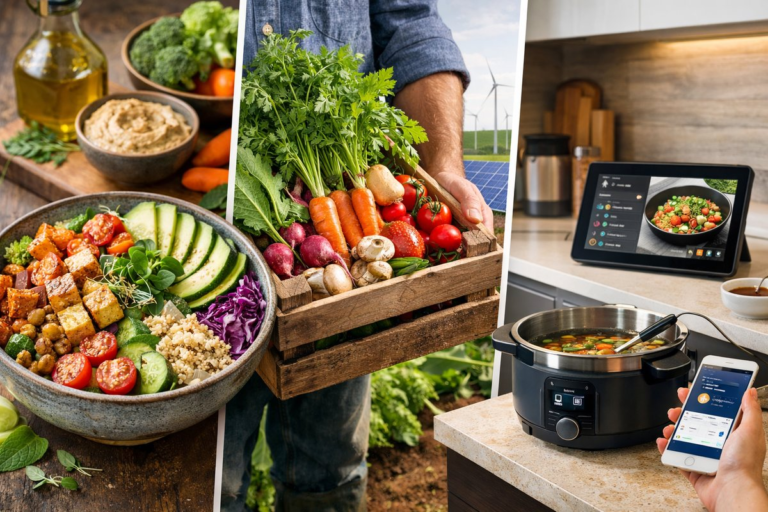
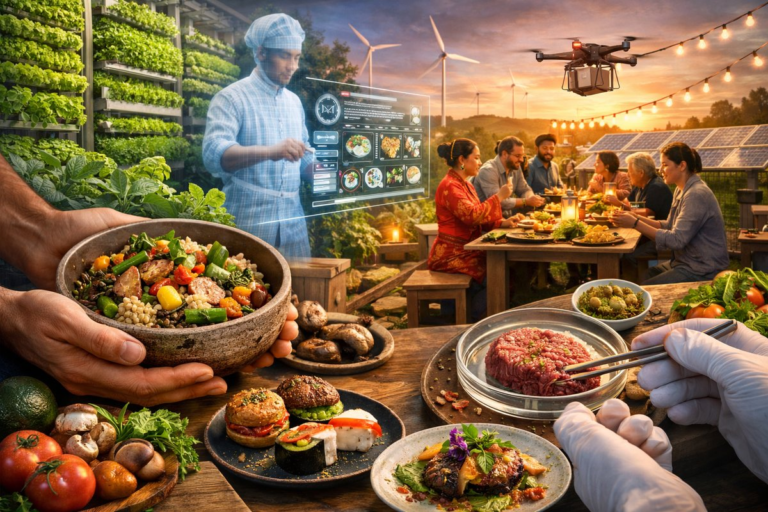
Technology also plays a fascinating role in contemporary culinary trends. Advances in food science and kitchen technology enable new textures, flavors, and preparations that were previously unimaginable. From precision fermentation producing plant-based proteins to smart kitchen appliances that optimize cooking processes, innovation is expanding the boundaries of what is possible. However, this technological integration is often balanced with a desire for authenticity and simplicity, resulting in a culinary landscape that values both cutting-edge techniques and soulful craftsmanship.
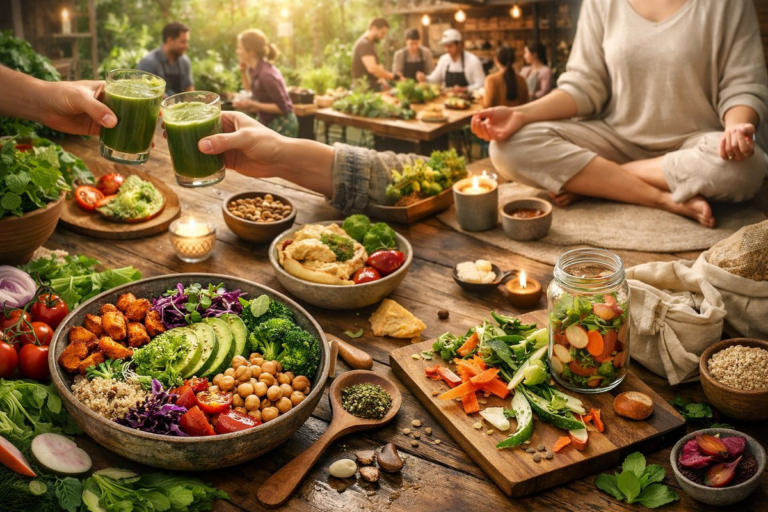
The social dimension of food is equally vital. As people seek meaningful connection in an increasingly digital world, communal dining experiences and food rituals are gaining prominence. Pop-up dinners, chef’s tables, and interactive cooking workshops foster intimacy and shared discovery. Moreover, the act of cooking together at home is being reimagined as a form of self-care and bonding, emphasizing presence and creativity over convenience. This shift is reflected in the popularity of slow food movements and mindful eating practices, which encourage savoring each bite and appreciating the journey from farm to fork.
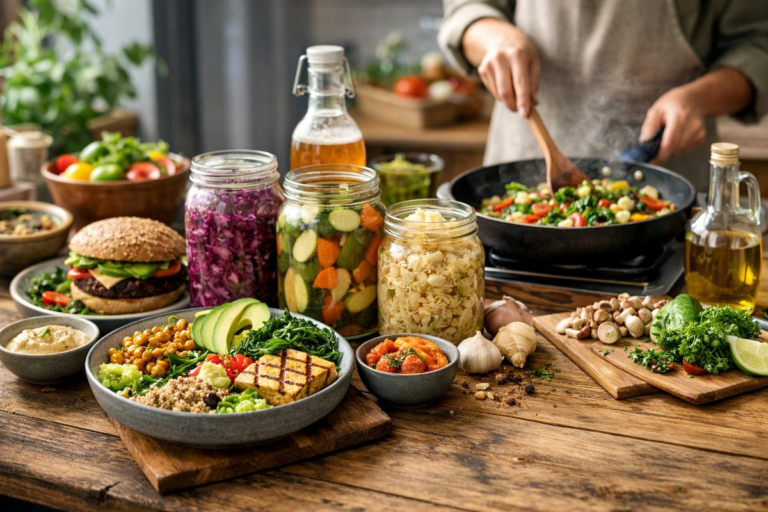
Another notable trend is the embrace of plant-forward diets, which prioritize vegetables, legumes, and whole foods without necessarily excluding animal products. This approach aligns with health consciousness and environmental concerns, offering diverse and flavorful options that reduce reliance on resource-intensive ingredients. Culinary professionals are crafting inventive dishes that celebrate plant-based ingredients’ versatility, texture, and umami qualities, dispelling outdated notions of vegetarian cuisine as bland or limited.
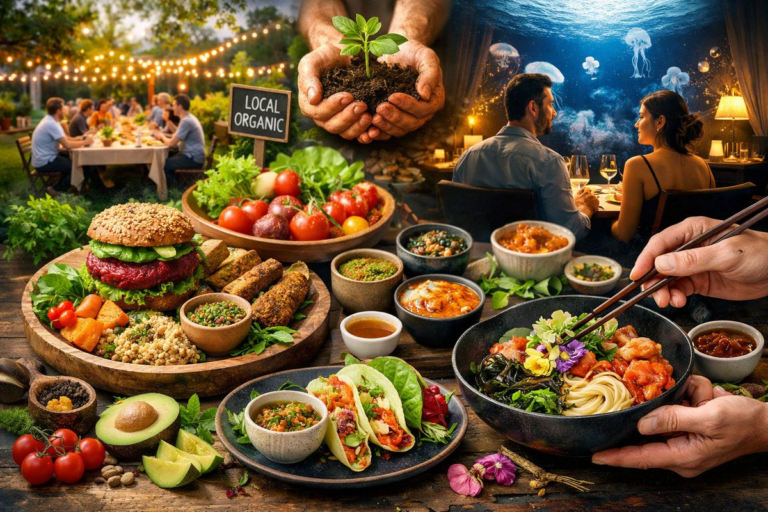
Global flavors continue to inspire innovation, with chefs drawing from a rich tapestry of culinary traditions to create fusion dishes that honor multiple cultures. This cross-pollination fosters curiosity and inclusivity, inviting diners to explore unfamiliar tastes while respecting their origins. At the same time, there is growing awareness about cultural appropriation and the importance of crediting and compensating communities whose food heritage is shared. This ethical mindfulness shapes how chefs approach ingredient sourcing, recipe adaptation, and storytelling.
Food waste reduction is another area gaining momentum, reflecting a commitment to resourcefulness and respect for the environment. Creative uses of imperfect produce, nose-to-tail cooking, and upcycling ingredients are becoming common practices in kitchens large and small. These efforts not only minimize environmental impact but also challenge cooks to innovate and rethink traditional recipes.
In sum, contemporary culinary trends are characterized by a convergence of ecological awareness, cultural reverence, technological advancement, and social connection. They invite us to engage with food not just as sustenance but as a dynamic expression of values, creativity, and community. Whether through savoring a meal made from regenerative ingredients, participating in a communal cooking event, or experimenting with ancient grains, we are reminded that food is a powerful medium for nourishing body, mind, and spirit.
As these trends continue to unfold, they offer hopeful possibilities for a future where eating is an act of care-for ourselves, each other, and the planet. Embracing this evolving culinary landscape encourages us to be curious, compassionate, and conscious in every bite.