Location
Mount Vernon, WA 98274

Location
Mount Vernon, WA 98274
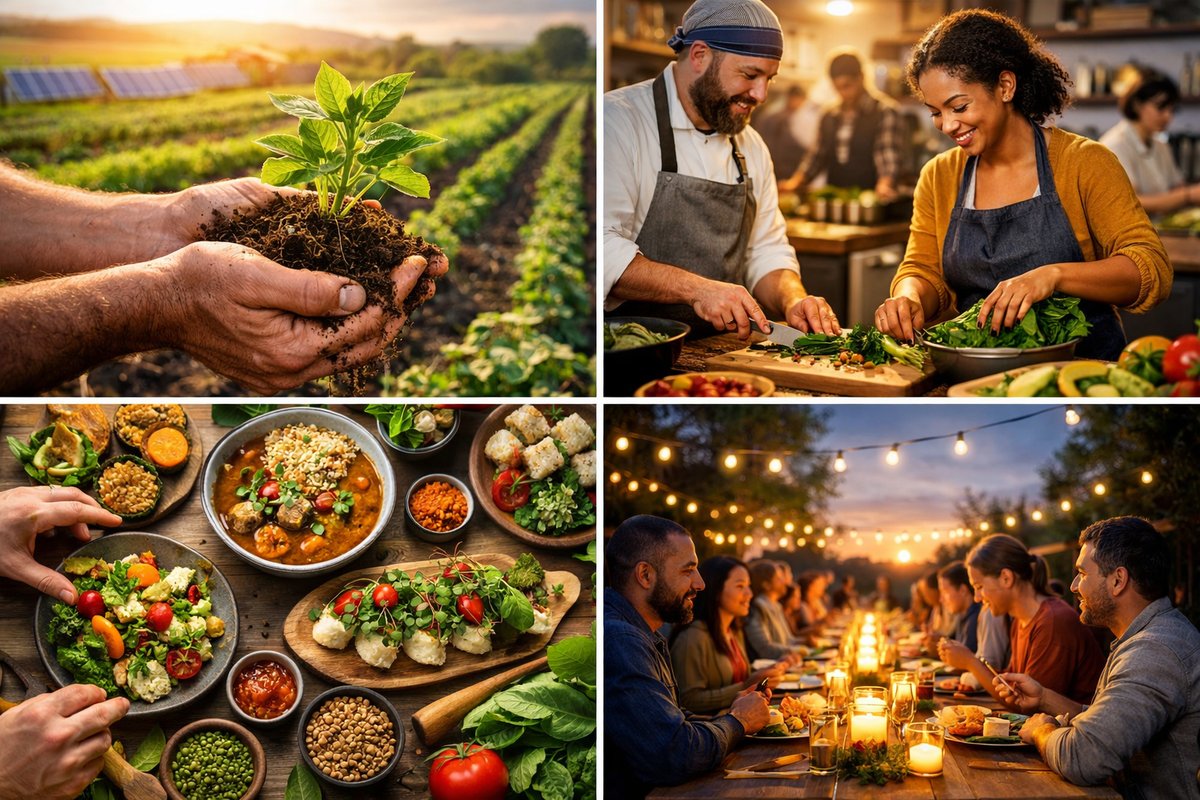
As global food culture evolves, new culinary trends are weaving deeper connections between nourishment, environment, and shared experience. From regenerative farming to community-driven kitchens, these shifts invite us to savor not just flavors but the stories and values behind every bite.
Food has always been more than sustenance; it is a language of culture, memory, and connection. In recent years, culinary trends have increasingly reflected a conscious shift toward sustainability, social inclusion, and emotional well-being. This movement transcends mere ingredients or cooking techniques-it reimagines how we engage with food systems, communities, and ourselves. Exploring these emerging patterns reveals a tapestry of innovation grounded in respect for nature and human connection.
One of the most significant trends reshaping the culinary landscape is the rise of regenerative agriculture. Unlike conventional farming, which often depletes soil health and biodiversity, regenerative practices focus on restoring ecosystems through techniques like cover cropping, crop rotation, and holistic grazing. These methods enhance soil carbon sequestration, water retention, and nutrient cycling, producing food that is both nourishing and environmentally responsible. Chefs and consumers alike are embracing ingredients sourced from regenerative farms, eager to support practices that heal the earth while delivering vibrant flavors.
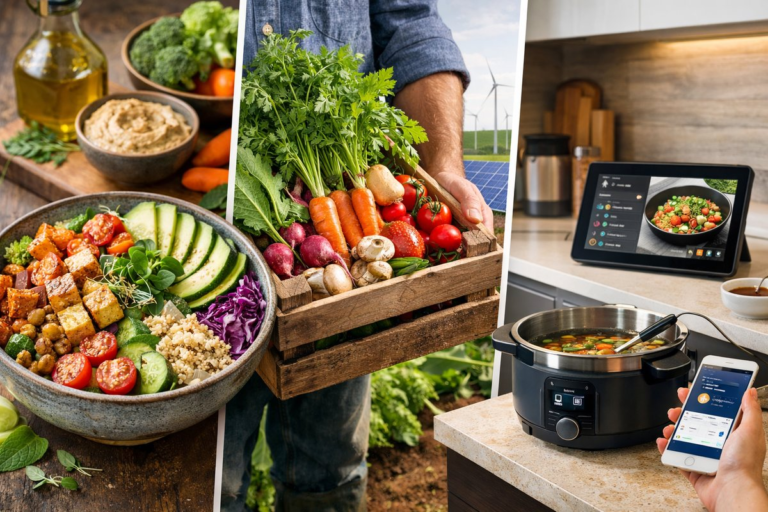
This approach dovetails with a growing preference for hyper-local and seasonal eating. Farmers’ markets, community-supported agriculture (CSA) programs, and urban gardens are flourishing, fostering direct relationships between growers and eaters. These connections revitalize local economies and reduce the carbon footprint associated with long-distance food transport. Seasonal menus inspired by local harvests also encourage creativity in the kitchen, prompting cooks to explore lesser-known vegetables and fruits that shine at particular times of year.
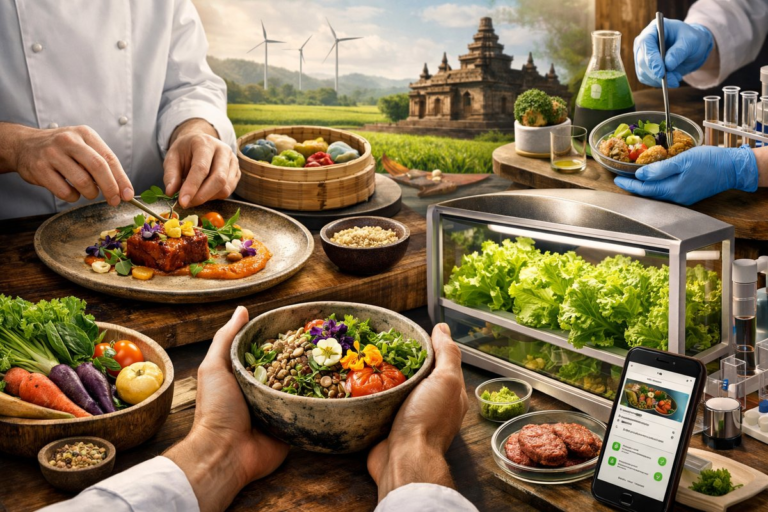
Alongside environmental concerns, there is a notable trend toward inclusivity and cultural celebration in culinary spaces. Restaurants and food projects are increasingly spotlighting underrepresented cuisines and food traditions, honoring the histories and identities embedded in recipes. This cultural reclamation often involves collaboration with indigenous communities, immigrants, and marginalized groups, ensuring authenticity and respect. Such initiatives not only diversify dining options but also foster empathy and understanding through shared food experiences.
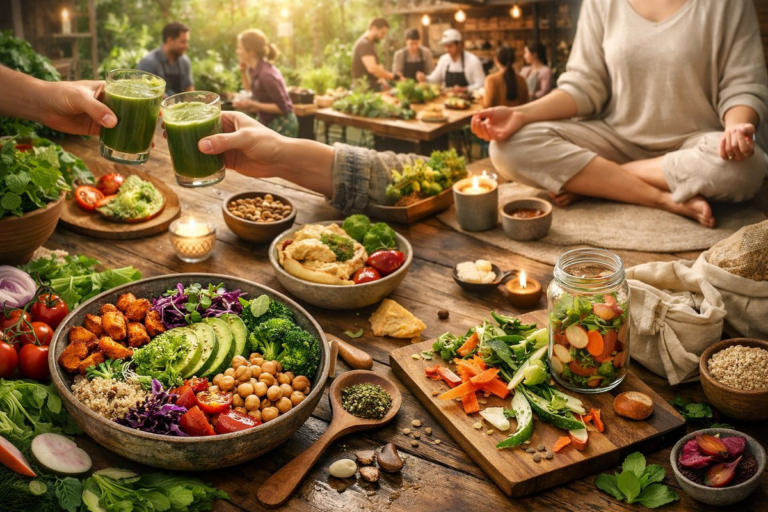
Community kitchens and cooperative dining models are another manifestation of food as a connector. These spaces emphasize collective participation, whether through cooking classes, communal meals, or food-sharing networks. They combat social isolation and food insecurity by creating welcoming environments where people can learn, share stories, and nourish one another. This trend highlights the emotional and psychological dimensions of eating together, reaffirming food’s role in building social bonds.
Technology also plays a nuanced role in these culinary evolutions. While some trends embrace digital convenience, such as meal kit deliveries and recipe apps, others use technology to promote transparency and traceability in food sourcing. Blockchain-enabled platforms, for example, allow consumers to verify the origins and ethical standards of products. Additionally, innovations in plant-based and cell-cultured foods continue to expand options for sustainable protein, appealing to ethical consumers and those with dietary restrictions.
The sensory experience of food remains central, but there is a growing appreciation for mindful eating practices. This involves tuning into the textures, aromas, and flavors with full attention, fostering gratitude for the nourishment provided. Mindful eating also encourages awareness of hunger cues and satiety, promoting healthier relationships with food and reducing waste.
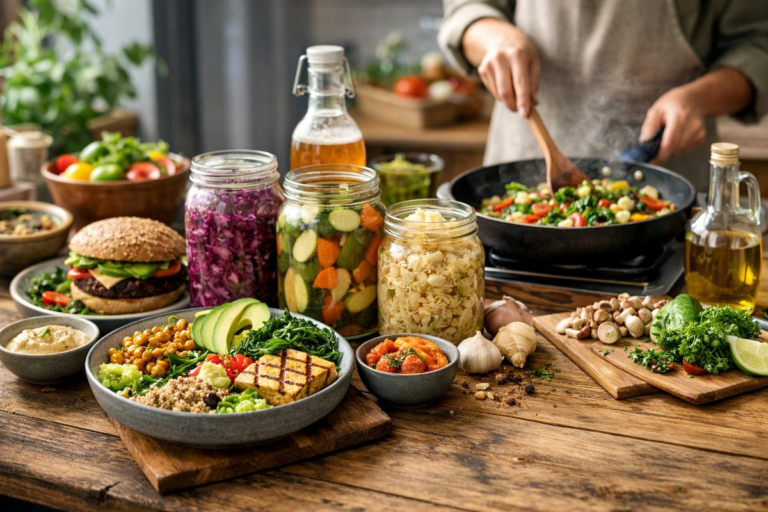
Finally, the intersection of food and wellness is gaining momentum. Culinary trends increasingly integrate nutrition science, herbal medicine, and holistic health philosophies. Ingredients known for their functional properties-such as adaptogens, fermented foods, and ancient grains-are becoming staples in everyday cooking. This reflects a desire to use food not only to satisfy hunger but to support long-term vitality and resilience.
Together, these trends signal a profound transformation in how food is perceived and practiced. They invite us to view each meal as an opportunity to nurture the planet, honor cultural narratives, and connect meaningfully with others. By embracing sustainability, inclusivity, community, technology, mindfulness, and wellness, the future of food promises to be as enriching emotionally as it is nourishing physically.
This evolving culinary ethos challenges us to reconsider our roles as consumers and creators within a larger food ecosystem. It encourages curiosity about origins and impact, compassion for diverse traditions, and commitment to practices that sustain life on multiple levels. As we gather around tables-whether in homes, community centers, or farm-to-fork restaurants-we participate in a shared journey toward harmony, one delicious bite at a time.