Location
Mount Vernon, WA 98274

Location
Mount Vernon, WA 98274
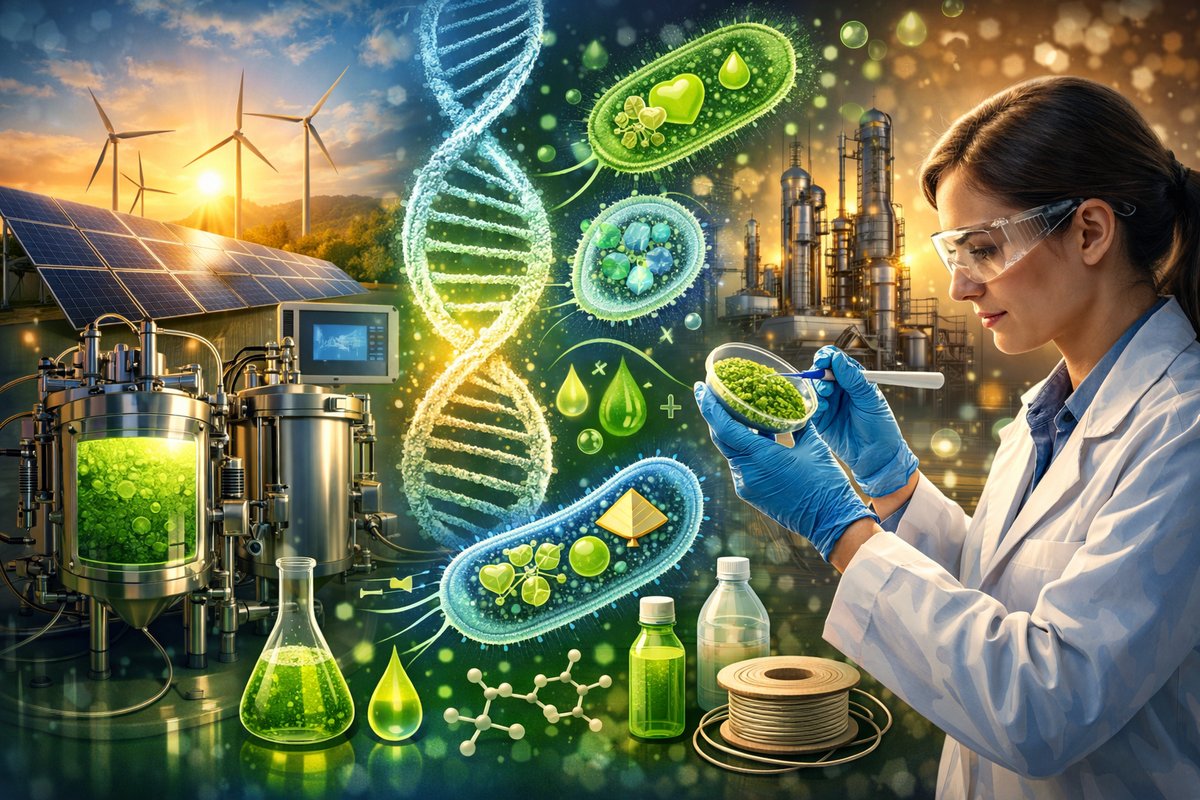
Scientists are pioneering innovative methods to transform common microbes into efficient biofactories capable of producing sustainable chemicals, fuels, and materials. This emerging field blends synthetic biology, environmental stewardship, and industrial innovation to tackle climate challenges and resource scarcity.
In recent years, the scientific community has witnessed a surge of interest in leveraging the natural metabolic pathways of microbes to produce valuable substances traditionally derived from fossil fuels or environmentally taxing processes. This approach, often referred to as microbial biotechnology or synthetic biology-based biofactories, holds promise for a more sustainable industrial future by converting renewable feedstocks into biofuels, bioplastics, pharmaceuticals, and specialty chemicals.
Microorganisms such as bacteria, yeast, and algae possess remarkable biochemical versatility. By decoding and reprogramming their genetic circuits, researchers can guide these tiny organisms to manufacture complex molecules with high efficiency and specificity. Unlike conventional chemical synthesis, microbial biofactories operate under mild conditions, reducing energy consumption and hazardous waste.
One striking example is the engineering of certain bacterial strains to produce biodegradable plastics like polyhydroxyalkanoates (PHAs). These biopolymers can replace petroleum-based plastics, which contribute significantly to environmental pollution. By optimizing microbial fermentation processes, scientists have achieved yields that bring these materials closer to commercial viability.
Similarly, the quest for sustainable fuels has spurred advances in microbial production of bioethanol, biodiesel, and even more complex hydrocarbons. Certain algae species, for instance, can be cultivated in photobioreactors where they convert sunlight and carbon dioxide into lipid-rich biomass. These lipids can then be processed into renewable fuels, offering a carbon-neutral alternative to fossil-derived energy.
The field also extends into pharmaceutical manufacturing. Microbes have been tailored to synthesize complex therapeutic molecules, including antibiotics, anticancer agents, and vaccines. This biological production can be more cost-effective and scalable compared to traditional chemical synthesis or extraction from natural sources.
Despite these promising developments, challenges remain. Scaling microbial biofactories from laboratory settings to industrial levels requires overcoming hurdles such as maintaining genetic stability, optimizing growth conditions, and minimizing contamination. Furthermore, ethical considerations and regulatory frameworks must evolve to ensure responsible deployment.
Environmental benefits are a significant driver behind this research. By replacing petrochemical processes with bio-based alternatives, the carbon footprint of manufacturing can be substantially reduced. Additionally, using renewable feedstocks like agricultural waste or captured carbon dioxide aligns with circular economy principles, promoting resource efficiency.
Interdisciplinary collaboration is accelerating progress. Advances in genome editing tools like CRISPR, high-throughput screening, and computational modeling enable precise manipulation and prediction of microbial behavior. Coupled with innovations in bioreactor design and process engineering, these tools help bridge the gap between concept and application.
Looking ahead, the integration of microbial biofactories into existing industrial ecosystems could revolutionize how society produces materials and energy. This transformation supports a vision of sustainable development that balances technological innovation with ecological responsibility.
For curious minds and professionals alike, the unfolding story of microbial alchemy offers a compelling example of science’s potential to address some of the planet’s most pressing challenges. By harnessing the power of microscopic life, humanity steps closer to a future where industry and environment coexist in harmony, fueled by ingenuity and respect for nature’s intricate designs.