Location
Mount Vernon, WA 98274

Location
Mount Vernon, WA 98274
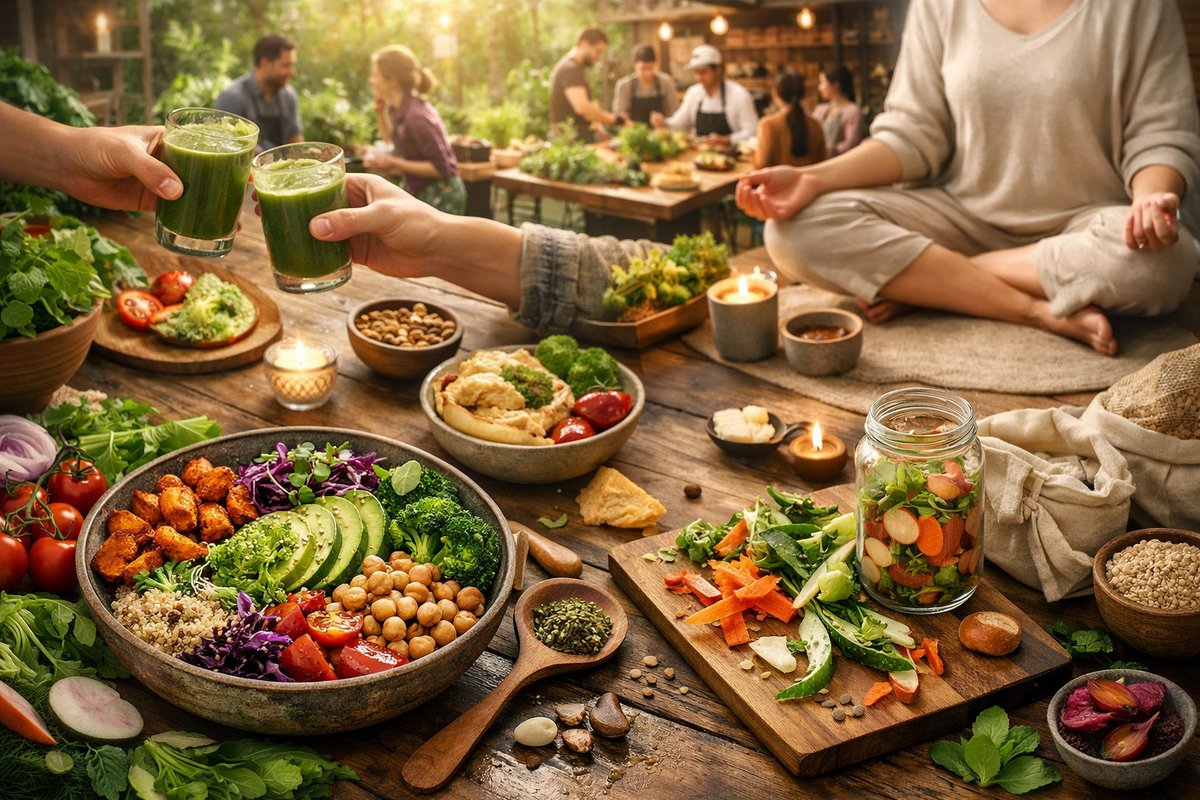
As the culinary world evolves, new food trends are not only transforming what we eat but also how we connect and care for ourselves and others. From the rise of plant-forward cooking to the embrace of zero-waste principles, these shifts reflect a deeper cultural movement toward nourishment that transcends the plate.
Food has always been more than sustenance; it is a vessel for culture, connection, and creativity. Today’s culinary trends reveal a profound reimagining of how we approach eating-one that embraces sustainability, mindfulness, and community alongside flavor and innovation. This evolving food landscape invites us to consider not just what we eat but why and with whom, fostering a richer relationship with nourishment.
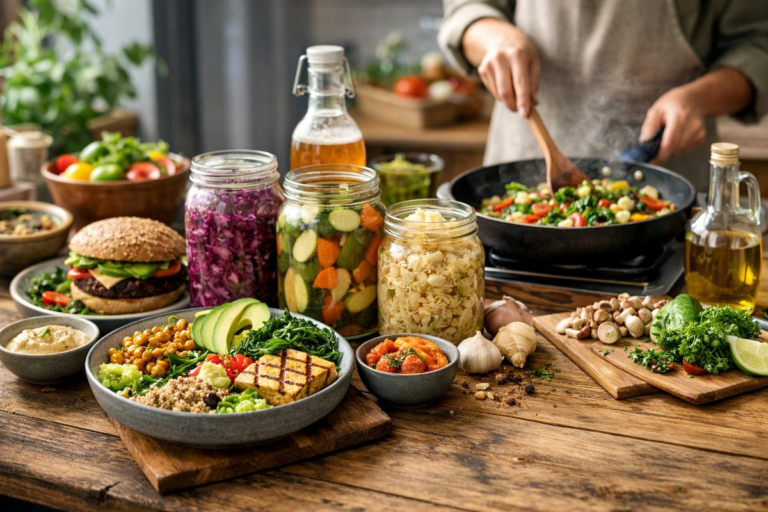
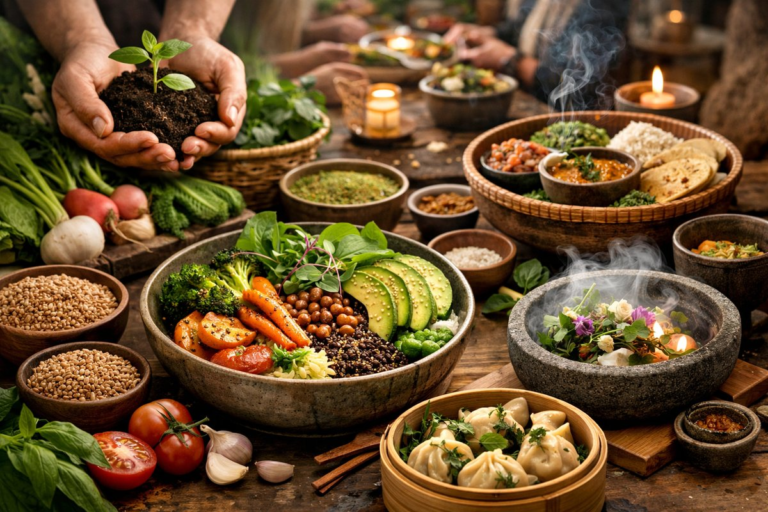
One of the most significant shifts is the widespread adoption of plant-forward diets. While vegetarian and vegan eating has been growing steadily, the current trend focuses less on restriction and more on abundance and creativity with plants. Chefs and home cooks alike are experimenting with diverse vegetables, legumes, whole grains, and seeds to craft dishes that are vibrant, satisfying, and nutritionally balanced. This movement not only supports environmental sustainability by reducing reliance on animal agriculture but also honors the cultural histories embedded in plant-based cuisines worldwide.
Parallel to this is the resurgence of traditional and indigenous foodways, which reconnect us with ancestral knowledge and local ecosystems. From fermenting techniques to foraging wild herbs, these practices emphasize seasonality, locality, and respect for the land. They also bring a sense of ritual and storytelling back to the table, reminding us that food is a living tradition shaped by generations.
Sustainability extends beyond ingredients to how we handle food waste. The zero-waste kitchen is gaining momentum, encouraging creative use of every part of an ingredient-from beet greens to fish bones-and composting what cannot be eaten. This approach nurtures a mindful relationship with resources, helping reduce the environmental footprint of cooking and dining.
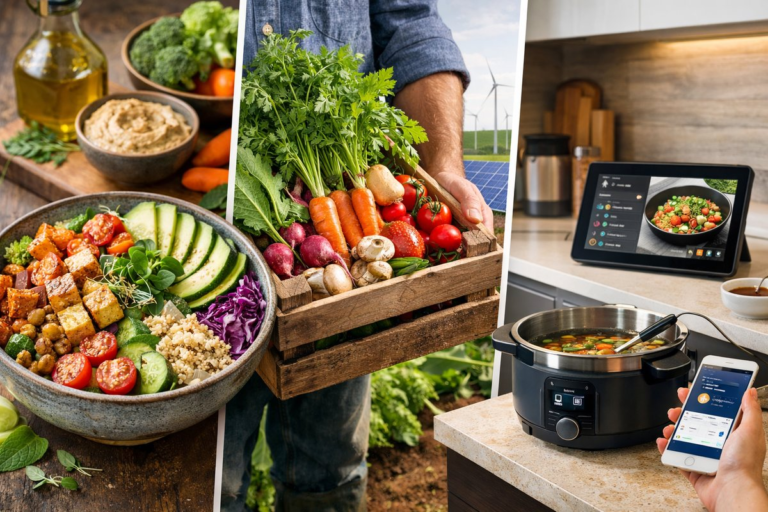
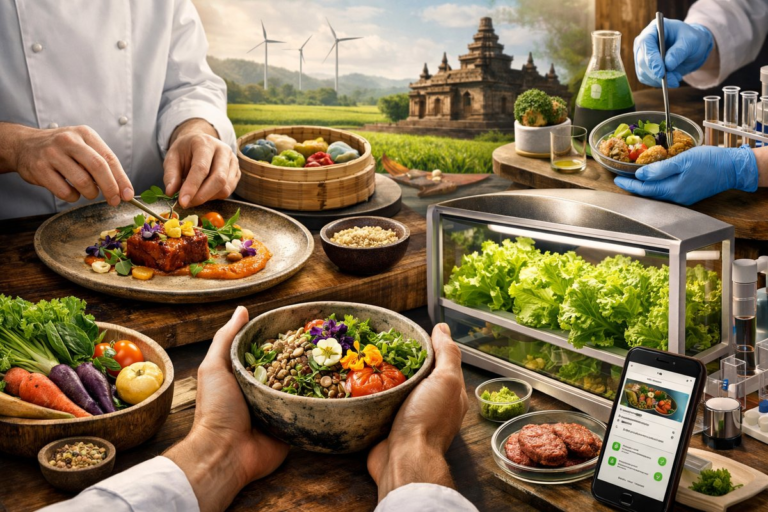
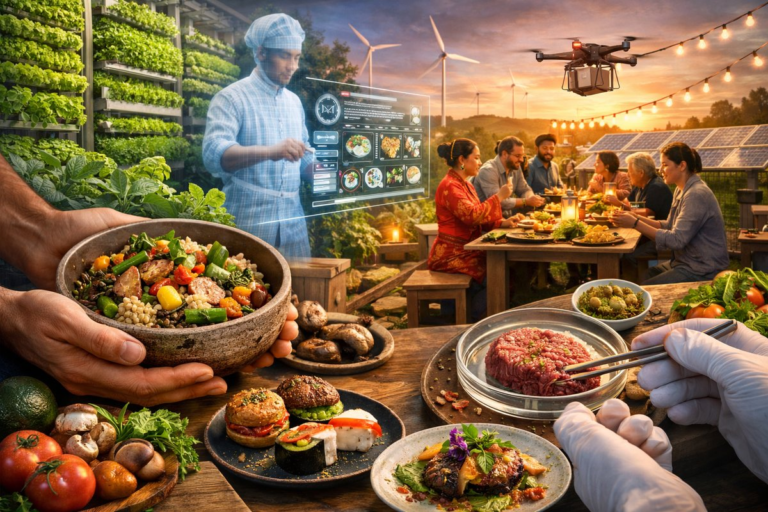
Technology also plays a role in shaping culinary trends, but in ways that often emphasize human connection rather than isolation. Digital platforms are enabling communities to share recipes, cooking tips, and cultural stories, fostering global culinary exchanges. Meanwhile, innovations in food production, such as plant-based meat alternatives and regenerative agriculture practices, offer hopeful pathways to feeding a growing population sustainably.
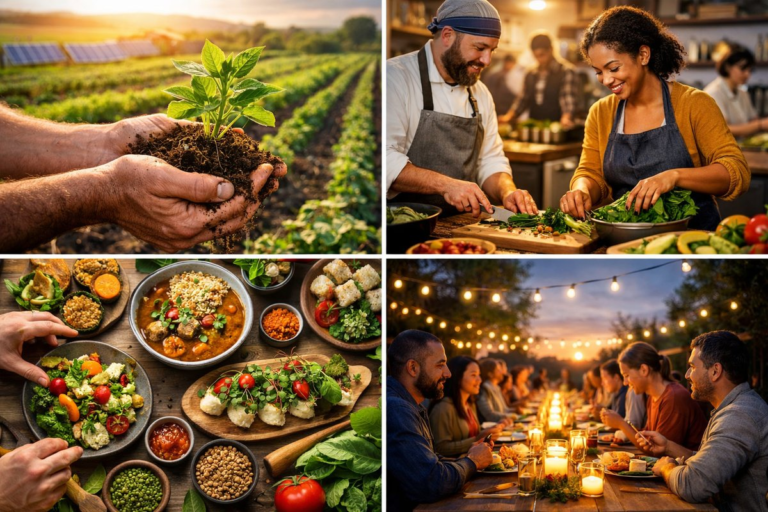
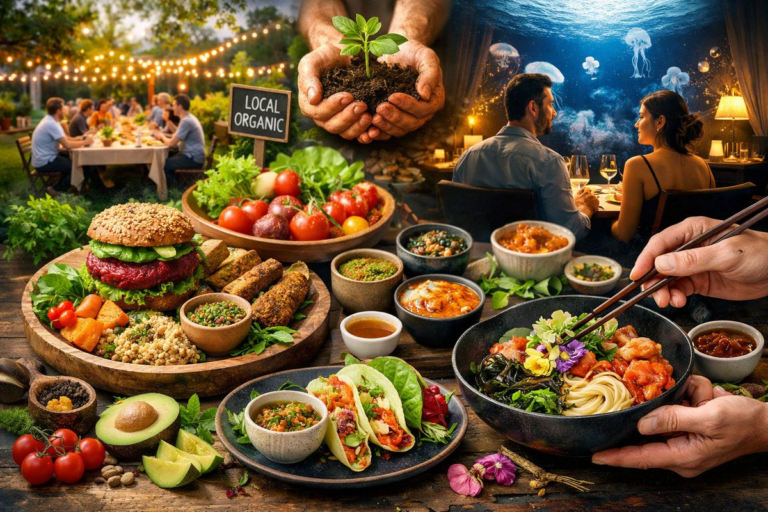
The social aspect of food remains paramount. Communal dining experiences, whether through pop-up dinners, cooperative cooking classes, or neighborhood food swaps, are flourishing. These gatherings create spaces where people can bond over shared meals, explore diverse flavors, and build empathy across cultural divides. In a world often marked by disconnection, food becomes a bridge to understanding and belonging.
Mindfulness and wellness have also permeated culinary trends. Eating is increasingly viewed as an opportunity for self-care, with attention to how food affects mood, energy, and overall health. This holistic perspective encourages choosing foods that nourish both body and mind, embracing balance over perfection. Practices like slow eating, savoring flavors, and appreciating the sensory experience of food contribute to greater satisfaction and gratitude.
Moreover, the aesthetic presentation of food continues to evolve, reflecting personal expression and cultural fusion. Social media platforms have amplified this trend, inspiring home cooks to experiment with color, texture, and plating. Yet, there is also a counter-movement valuing simplicity and authenticity, where the story behind the food takes precedence over visual spectacle.
In sum, contemporary culinary trends represent a dynamic interplay of innovation and tradition, individual wellness and collective responsibility, technology and tactile experience. They invite us to rethink nourishment as a holistic practice that feeds not only the body but also the soul and community. By embracing these evolving approaches, we can cultivate a more mindful, sustainable, and joyful relationship with food that honors the diverse ways it shapes our lives.
This moment in culinary culture is a celebration of flavor and connection, urging us to savor every bite with intention and openness. Whether experimenting with plant-based recipes, reviving ancestral techniques, or gathering around a shared table, the future of food is rich with possibility and meaning.