Location
Mount Vernon, WA 98274

Location
Mount Vernon, WA 98274
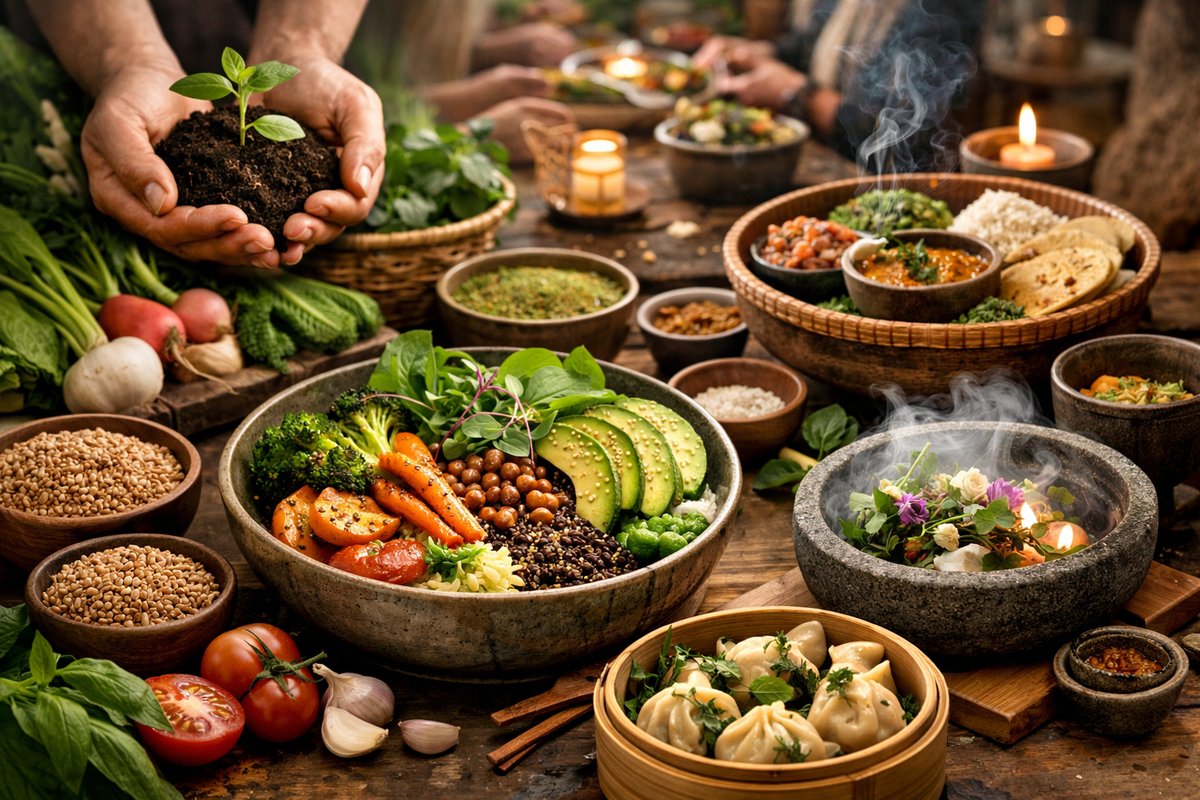
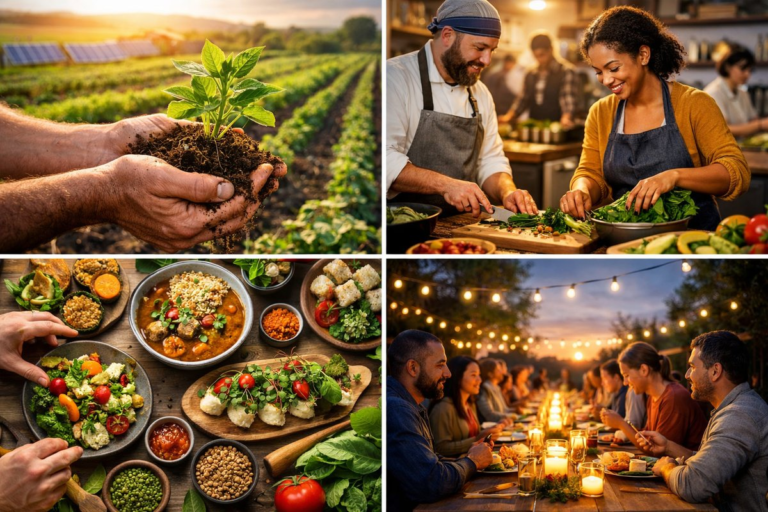
Culinary trends are increasingly embracing mindfulness, sustainability, and cultural reverence, transforming how we experience food. From plant-forward menus to ancient grain revivals and sensory dining, today's food culture reflects a deeper connection to nourishment and community.
In recent years, a profound shift has taken root in the culinary world, one that transcends mere taste and presentation. This evolution reflects a growing awareness of how food connects us not only to our bodies but to the planet, our heritage, and each other. As the global community grapples with environmental challenges, social change, and a yearning for authenticity, culinary trends have responded with a fresh embrace of mindful flavor – a movement that honors sustainability, cultural roots, and emotional nourishment.
One of the most striking features of this trend is the rise of plant-forward eating. While not entirely new, plant-based cuisine has matured beyond the buzzword phase into a sophisticated exploration of vegetables, legumes, nuts, and grains that celebrate their natural textures and flavors. Chefs and home cooks alike are championing dishes where plants are the star, moving away from meat as the centerpiece. This approach is not only environmentally conscious, reducing the carbon footprint associated with animal agriculture, but also invites creativity in flavor layering and ingredient sourcing.
Parallel to this is a renaissance of ancient grains and heritage crops. Forgotten varieties such as teff, amaranth, millet, and freekeh are reappearing on menus and in markets worldwide, prized for their nutritional profiles and distinctive tastes. These grains connect us to agricultural traditions that predate industrial farming, fostering biodiversity and honoring indigenous foodways. Their resurgence also aligns with a desire to support small-scale farmers and local economies, weaving sustainability with social responsibility.
Fermentation continues to captivate culinary innovators and home enthusiasts. Beyond its preservation benefits, fermentation unlocks complex umami flavors and health-promoting probiotics. From kimchi and miso to lesser-known fermented vegetables and beverages, this ancient technique is being reimagined with modern twists. The sensory experience of fermentation – the tang, the fizz, the depth – invites diners to engage more fully with their food, appreciating its living qualities.
Another dimension of mindful flavor is the rise of sensory dining experiences that engage all the senses beyond taste alone. Restaurants and pop-up events are experimenting with multisensory pairings that include soundscapes, aromas, textures, and visual storytelling. These immersive meals encourage diners to slow down, be present, and savor food as a holistic experience. This trend reflects a cultural hunger for connection and meaning, counterbalancing the speed and distraction of contemporary life.
Cultural reverence is also central to this culinary moment. There is a renewed respect for traditional foodways and the stories they carry. Many chefs are reclaiming and elevating recipes rooted in their ancestral heritage, often those marginalized or overshadowed by dominant food narratives. This practice not only enriches the culinary landscape with diverse flavors but also fosters cross-cultural understanding and pride. It challenges the homogenization of global cuisine by celebrating the uniqueness of place and people.
Sustainability underpins much of this mindful flavor movement. Beyond plant-based menus and heritage grains, there is a growing emphasis on zero-waste cooking and upcycling ingredients. Leftover vegetable scraps are transformed into broths and sauces; bruised fruits become jams and ferments. This approach honors the entire lifecycle of food, reducing waste and inspiring innovation in the kitchen.
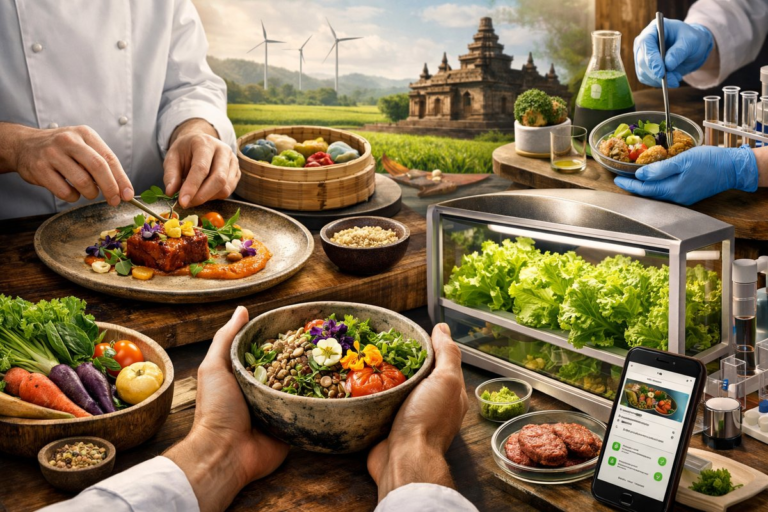
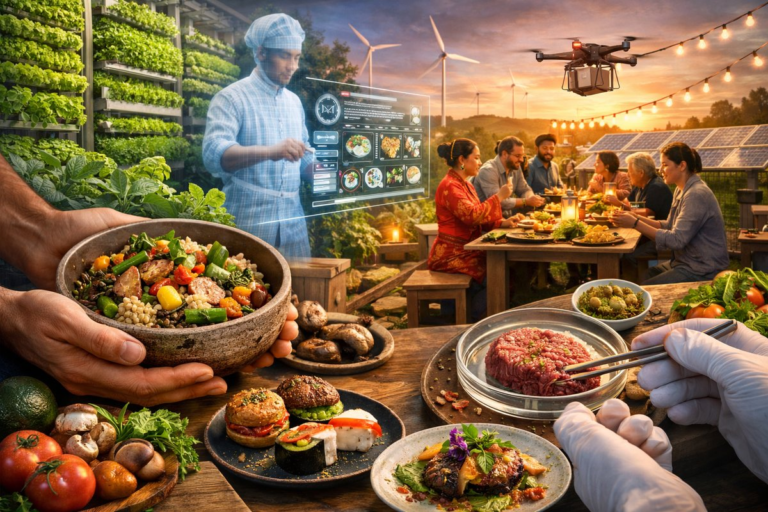
Technology, too, plays a role in this evolving culinary landscape, but with a nuanced balance. Rather than replacing human creativity, tools like AI and precision fermentation are being used to deepen understanding of flavor compounds and optimize sustainable protein sources. This synergy between tradition and innovation points toward a future where mindful eating and cutting-edge science coexist harmoniously.
For individuals looking to embrace these trends at home, the journey begins with curiosity and respect for ingredients. Exploring local farmers’ markets, experimenting with fermentation, and revisiting family recipes can all foster a deeper connection to food. Mindful eating also means paying attention to how meals make us feel physically and emotionally, cultivating gratitude for nourishment and the hands that brought it to our plates.
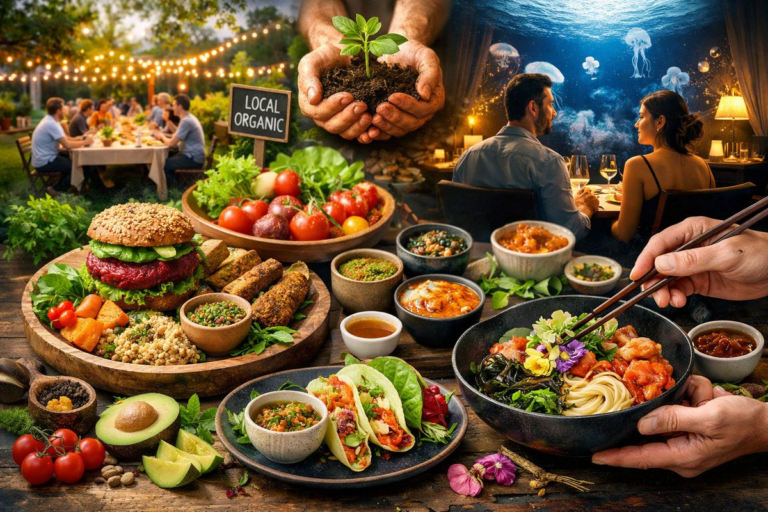
As we look ahead, the mindful flavor movement invites us to reimagine our relationship with food as one of care, celebration, and stewardship. It is a reminder that every bite carries stories of soil, culture, and community, and that through conscious choices, we can nourish not only ourselves but the world around us. This culinary evolution is more than a trend; it is a meaningful step toward a more connected and sustainable future at the table.