Location
Mount Vernon, WA 98274

Location
Mount Vernon, WA 98274
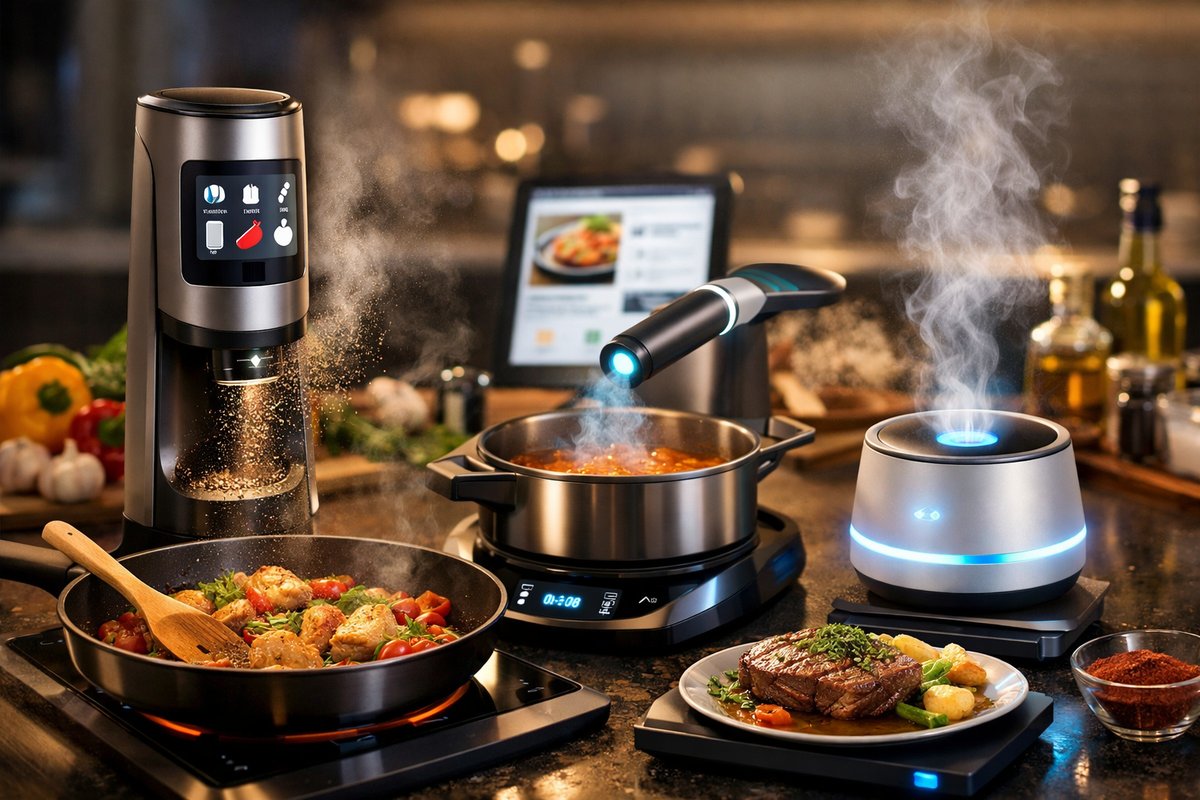
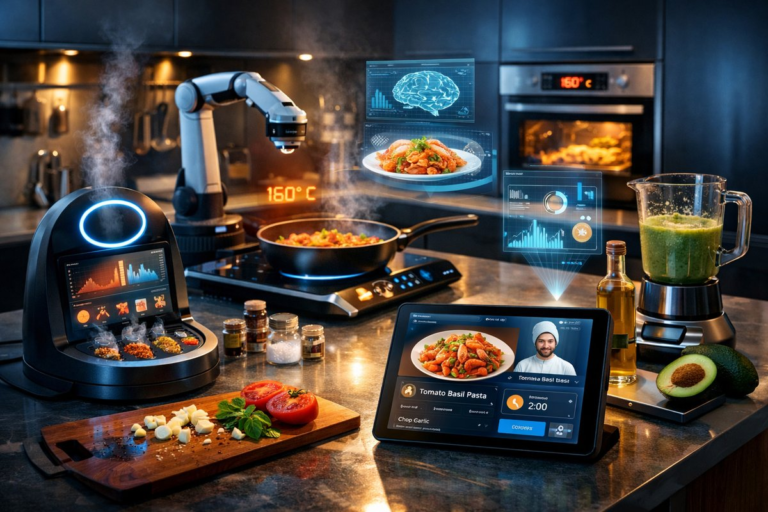
Home cooking is undergoing a quiet revolution as advanced sensors and artificial intelligence blend to elevate flavor and precision. From smart seasoning dispensers to aroma-sensing devices, technology is transforming how we experiment with ingredients and rituals, turning everyday meals into personalized culinary adventures.
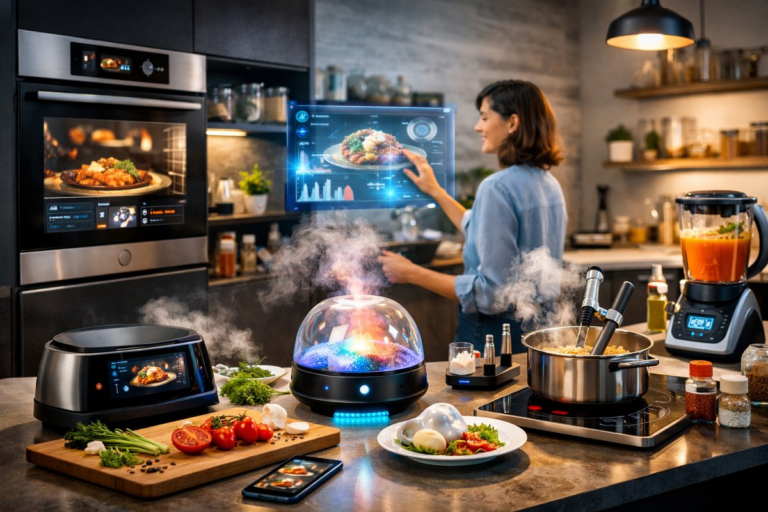
In an era where technology often feels synonymous with convenience and speed, the kitchen is emerging as a vibrant playground where innovation meets the art of flavor. While smart ovens and connected appliances have garnered much attention, a subtler, more sensory-driven revolution is taking place. Advanced kitchen technology is now focusing on how we experience taste and aroma, bridging the gap between culinary intuition and scientific precision.
At the heart of this movement are intelligent sensors capable of detecting subtle changes in food composition, freshness, and even flavor profiles. These devices work alongside AI-powered algorithms to guide cooks-whether novices or seasoned enthusiasts-through flavor pairings, seasoning adjustments, and cooking techniques that maximize taste while respecting sustainability.
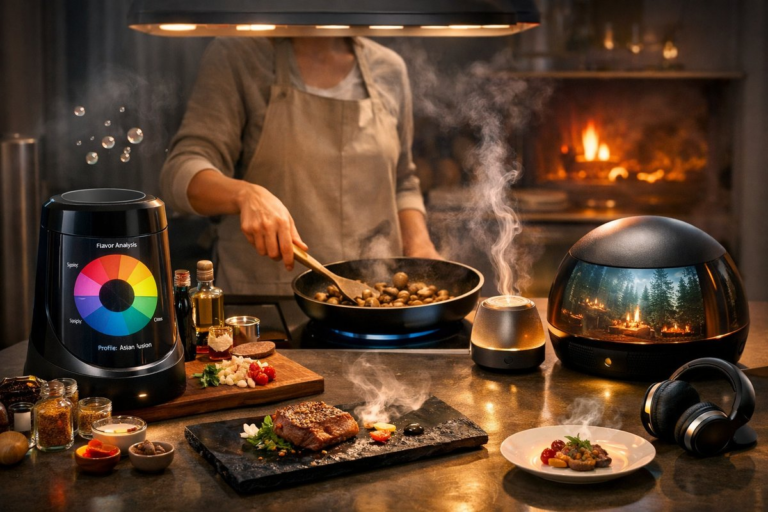
One of the most exciting advancements is the emergence of smart seasoning dispensers. These devices are equipped with sensors that analyze the current flavor balance of a dish and dispense the perfect amount of salt, spices, or herbs. This technology not only reduces waste but also helps prevent over-seasoning, a common challenge in home cooking. By learning from user preferences and adapting to ingredient variations, these dispensers foster a deeper connection between cook and cuisine, inviting experimentation without fear of error.
Complementing seasoning innovation are aroma sensors, a relatively new category of kitchen gadgets that can ‘smell’ food as it cooks. These sensors detect volatile compounds released during cooking, offering real-time feedback on doneness, flavor development, and potential off-notes. Imagine a device that alerts you when your roast has reached optimal caramelization or warns of early signs of burning. Such tools extend the chef’s senses, making the cooking process more intuitive and responsive.
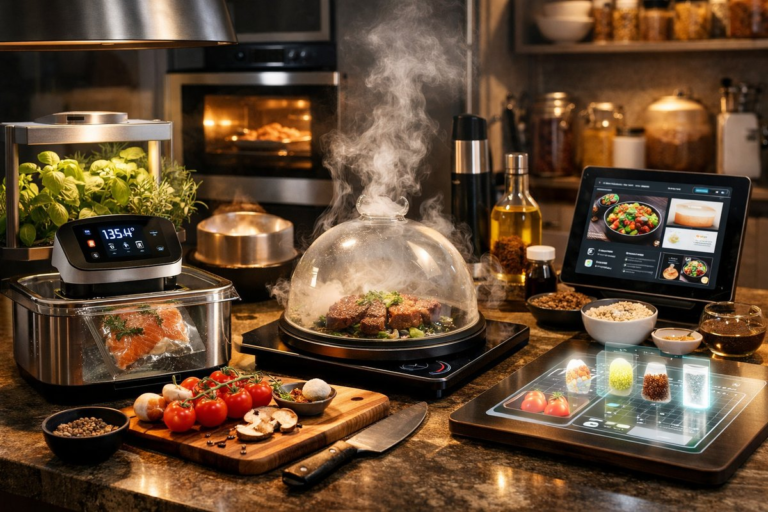
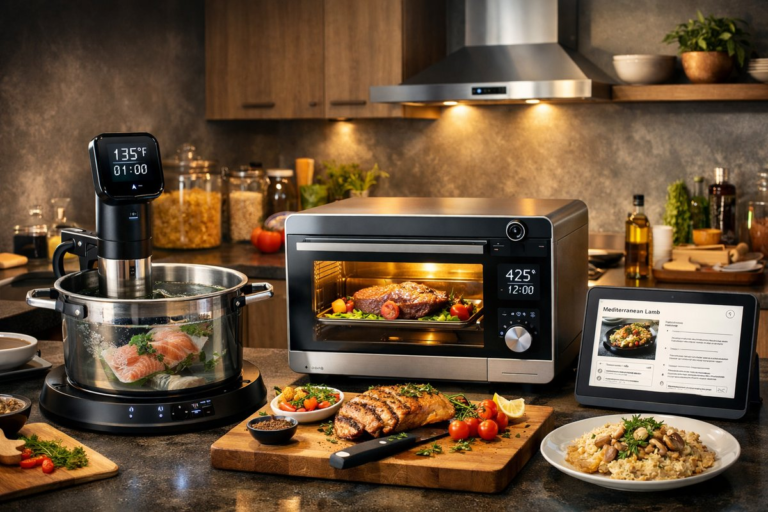
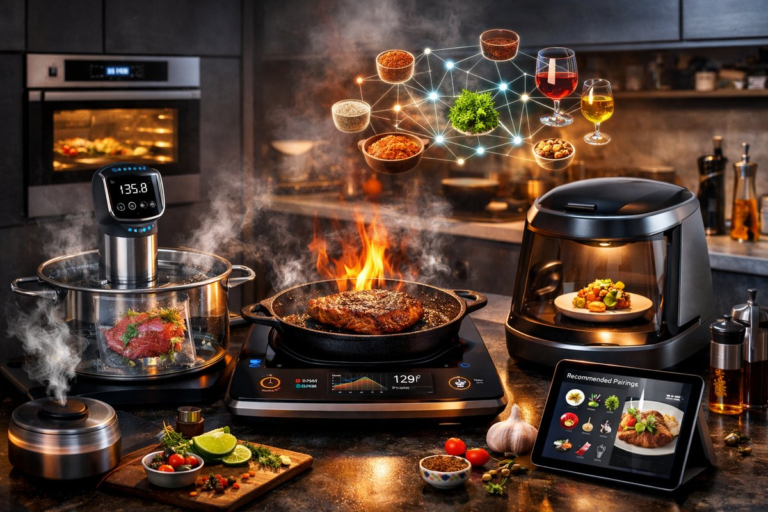
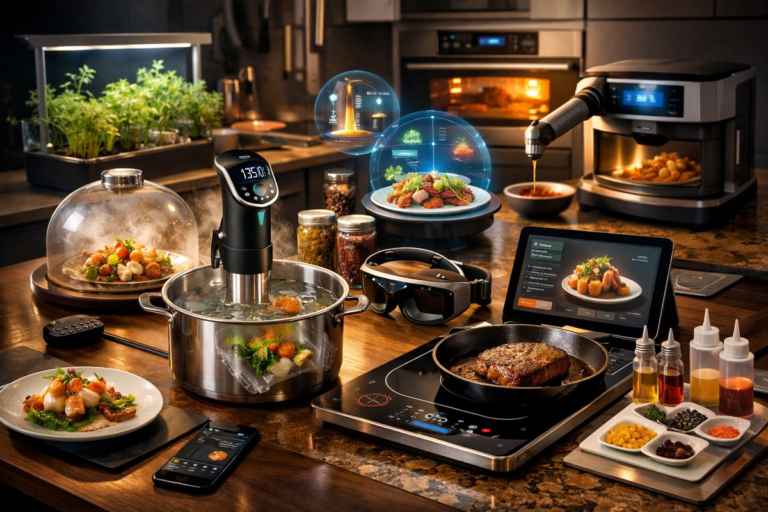
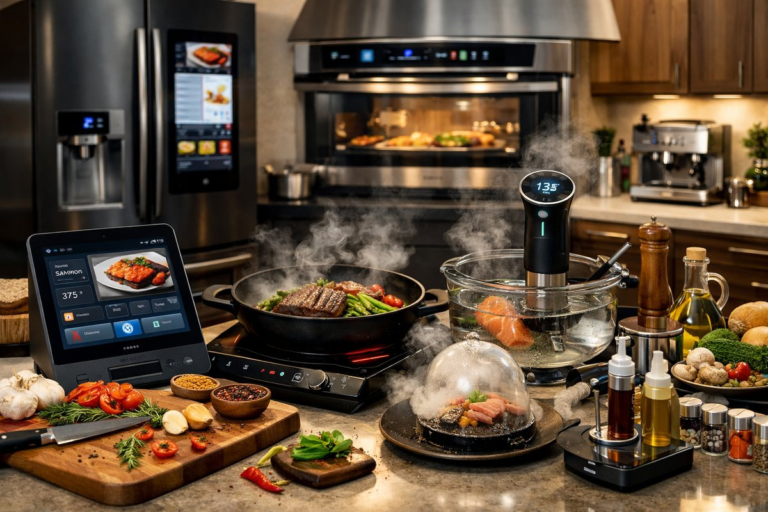
Beyond individual gadgets, integrated kitchen systems are being designed to create a seamless flavor management ecosystem. These systems connect multiple smart devices-such as precision cookers, intelligent scales, and flavor analyzers-to a central app that learns your taste preferences over time. The result is a personalized culinary assistant that can suggest recipes tailored to your pantry, dietary needs, and even mood, all while optimizing ingredient usage to minimize waste.
Another dimension gaining momentum is the use of AI to decode traditional cooking rituals and regional flavor combinations. By analyzing vast databases of recipes and ingredient interactions, AI can propose novel pairings that respect cultural heritage while pushing boundaries. This fusion of data-driven insight and human creativity encourages cooks to explore unfamiliar spices, herbs, and techniques, transforming the kitchen into a laboratory of flavor discovery.
Importantly, these technologies are designed with privacy and sustainability in mind. Many devices process data locally rather than relying on cloud storage, ensuring personal culinary habits remain confidential. Additionally, by promoting precise ingredient use and reducing food waste, these tools contribute to a more sustainable food ecosystem, aligning with growing consumer values.
As these innovations become more accessible, they invite a shift in how we approach cooking-from a routine task to a mindful, exploratory experience. The kitchen becomes a space where technology amplifies our senses and creativity rather than replacing them, fostering deeper engagement with the food we prepare and share.
In essence, the future of home cooking lies in this harmonious blend of tradition and technology, where flavor is not just tasted but understood and celebrated through new sensory dimensions. Whether it’s a weekend experiment or a weekday dinner, these advancements empower us all to savor the adventure of cooking with confidence and curiosity.