Location
Mount Vernon, WA 98274

Location
Mount Vernon, WA 98274
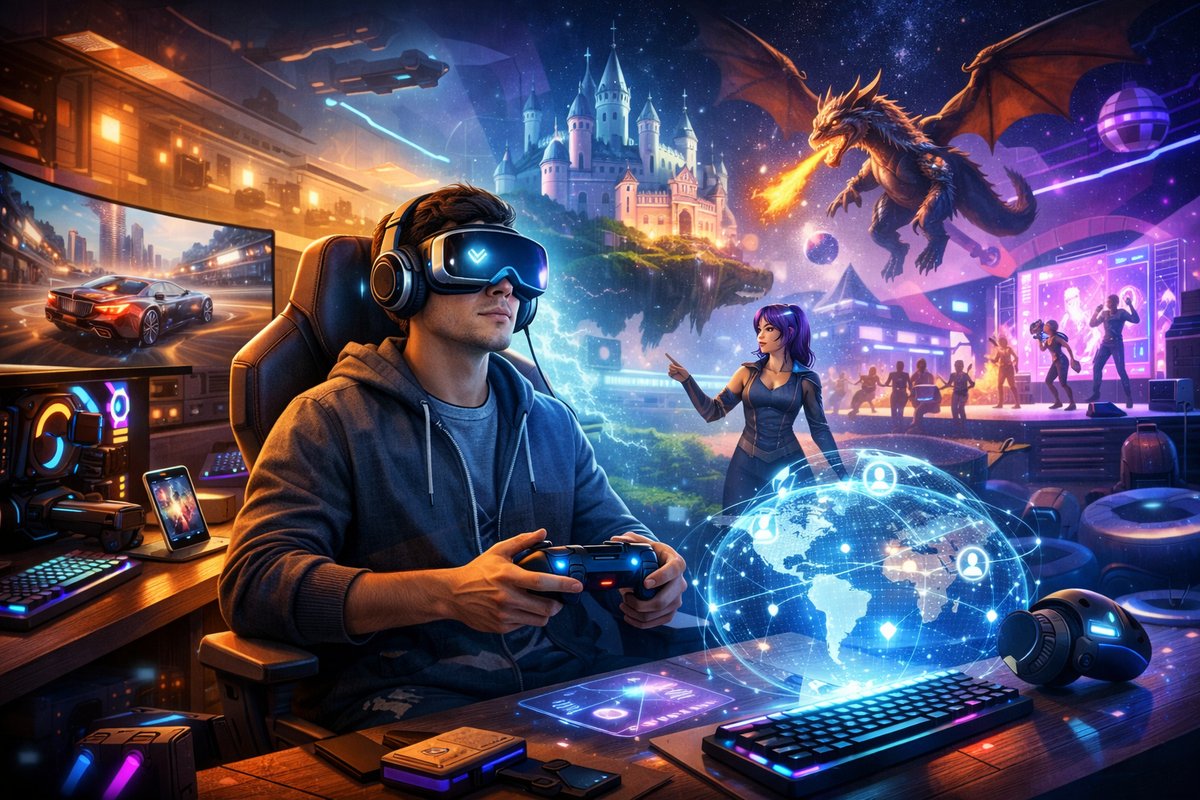
Gaming and entertainment have evolved beyond traditional boundaries, embracing hybrid realities and adaptive environments that transform how players engage with digital worlds. From customizable hardware to innovative social platforms, this new era invites deeper immersion and personalized experiences that blend physical and virtual realms.
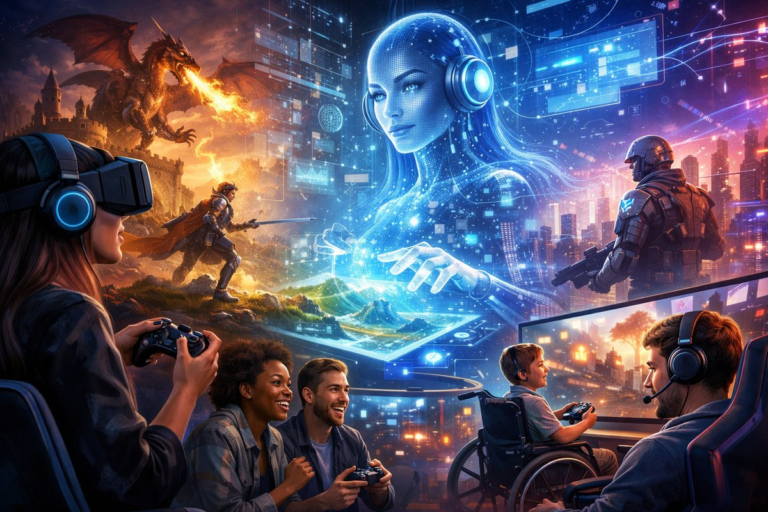
The landscape of games and entertainment is undergoing a dynamic transformation, propelled by advances in technology and shifting player expectations. Where once gaming was confined to static consoles or PCs, today’s experiences increasingly blur the lines between physical and digital, solo and social, casual and competitive. This shift is not only redefining how games are played but also how entertainment setups are conceived, fostering environments that prioritize immersion, comfort, and connectivity.
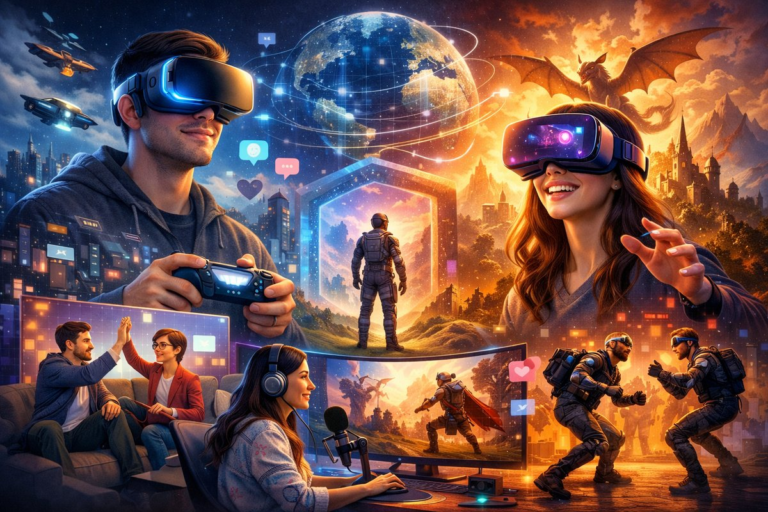
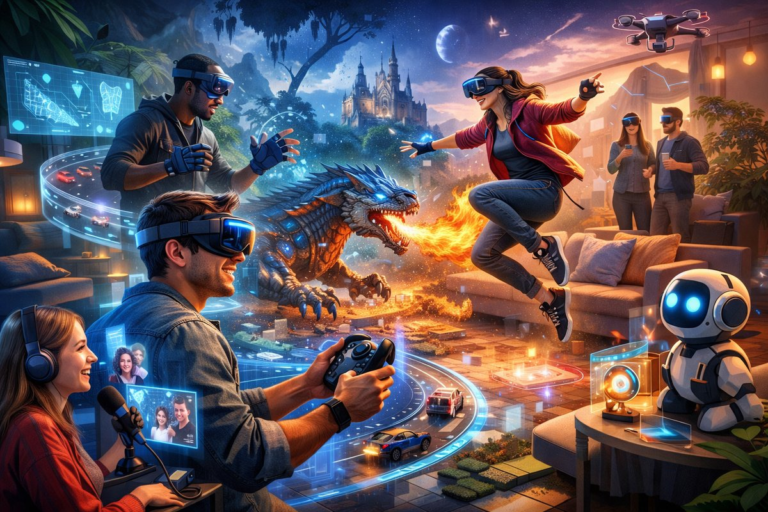
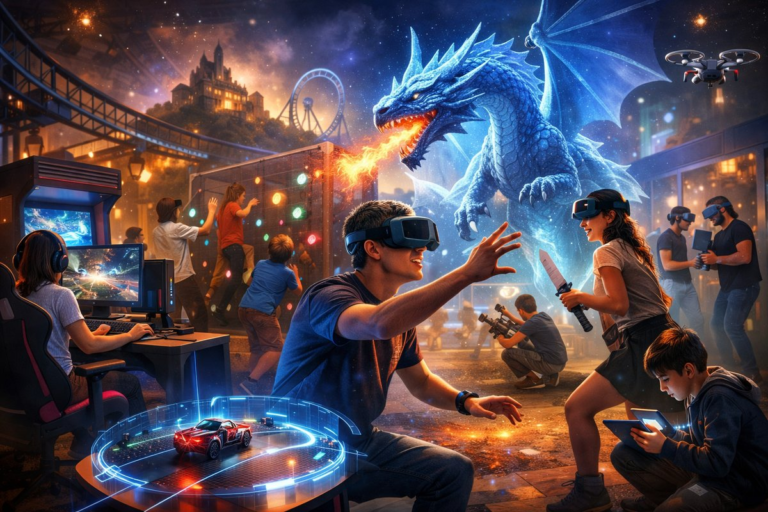
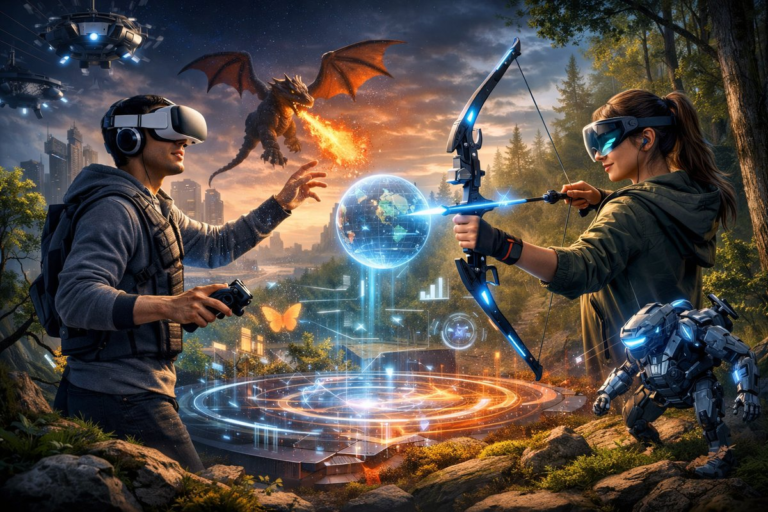
One of the most prominent trends reshaping play is the rise of hybrid gaming experiences. These blend augmented reality (AR), virtual reality (VR), and traditional gameplay to create interactive worlds that extend beyond screens. AR games, for example, overlay digital elements onto real-world environments, encouraging players to move and explore their surroundings. This approach not only adds layers of interactivity but also promotes physical engagement, countering the sedentary nature of conventional gaming.
VR, on the other hand, immerses players in fully realized virtual environments, often enhanced by haptic feedback and spatial audio. Recent advances have made VR more accessible and comfortable, with lighter headsets and wireless designs enabling longer play sessions without physical strain. The social dimension of VR is also expanding, with virtual hangouts and multiplayer worlds that foster community despite geographical distances.
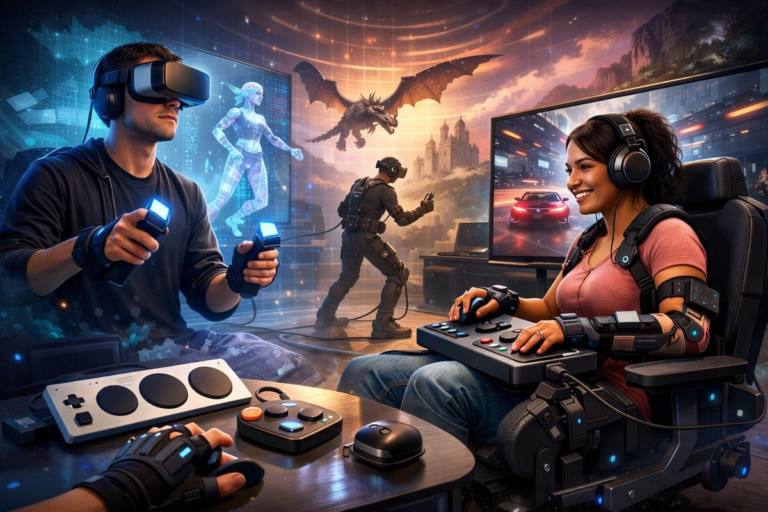
Alongside these immersive technologies, modular and adaptive setups are gaining traction among players who seek personalized control over their gaming environments. Modular hardware allows gamers to configure their gear to suit different games, playstyles, or ergonomic needs. For instance, customizable mechanical keyboards with swappable switches and programmable keys cater to both typing comfort and in-game responsiveness. Similarly, adjustable gaming chairs and desks help maintain posture during extended sessions, underscoring the importance of physical well-being in entertainment setups.
Lighting also plays a critical role in creating atmosphere and focus. Addressable LED strips and smart lighting systems can be tailored to complement in-game events or mood settings, enhancing immersion without overwhelming the senses. This integration of ambiance and functionality reflects a broader trend where the gaming environment itself becomes part of the narrative experience.
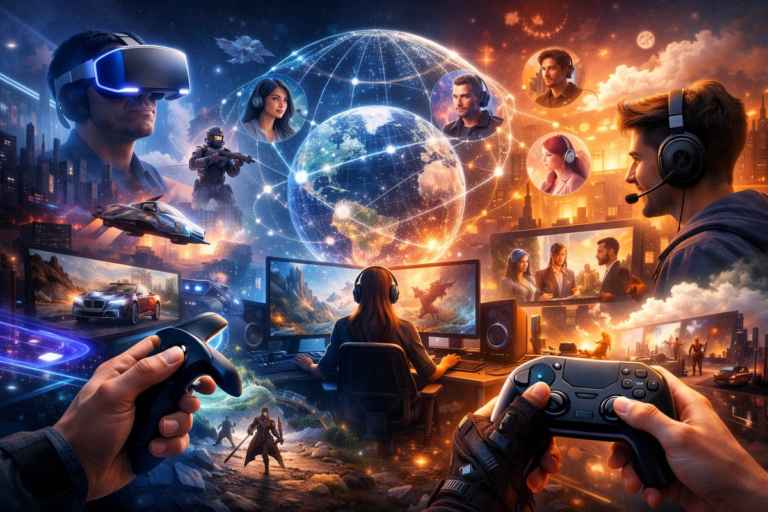
On the software front, cross-platform play and cloud gaming services are breaking down barriers, enabling seamless transitions between devices and communities. This flexibility allows players to engage with their favorite titles anywhere, whether on a high-end PC, a portable console, or even a mobile device. The democratization of access fosters more inclusive and diverse gaming communities, empowering players to connect and compete on their own terms.
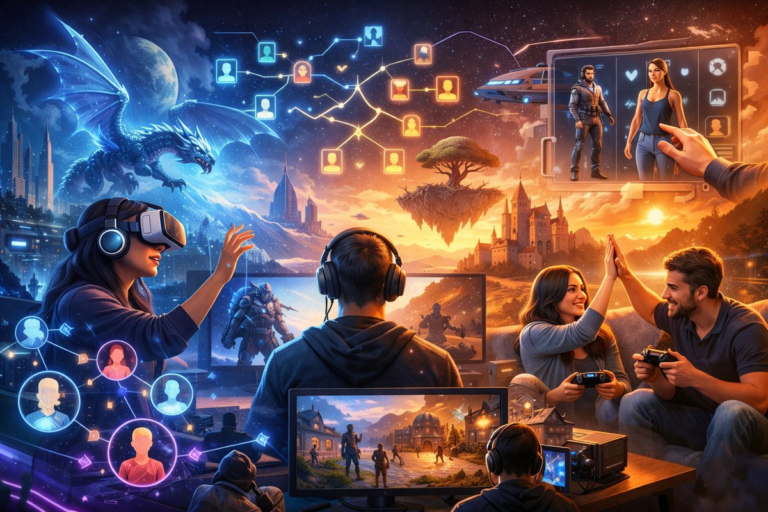
Community-driven content and social features continue to be vital in sustaining player engagement. User-generated mods, custom maps, and creative tools enrich game worlds and extend their lifespan. Streaming platforms and social media have also transformed entertainment consumption into participatory events, where audiences interact with creators and fellow fans in real-time. This social dimension amplifies the emotional resonance of games, turning play into shared cultural moments.
Sustainability and ethical considerations are increasingly influencing the design and consumption of gaming products. Players and developers alike are advocating for environmentally friendly materials, energy-efficient hardware, and responsible digital practices. This consciousness aligns with the broader values of privacy and emotional intelligence, encouraging respectful and mindful interaction within gaming spaces.
Looking ahead, the convergence of AI-driven personalization, biometric feedback, and multisensory interfaces promises to deepen immersion and adapt experiences to individual players’ needs and preferences. Imagine games that dynamically adjust difficulty based on your heart rate or narratives that evolve in response to your emotional state. Such innovations could redefine not only entertainment but also the therapeutic and educational potential of games.
Ultimately, the future of games and entertainment lies in the harmonious integration of technology, design, and human connection. By fostering environments that support physical comfort, social interaction, and creative expression, this evolving ecosystem invites players to explore new dimensions of play-where fun and focus, challenge and relaxation, coexist seamlessly.