Location
Mount Vernon, WA 98274

Location
Mount Vernon, WA 98274
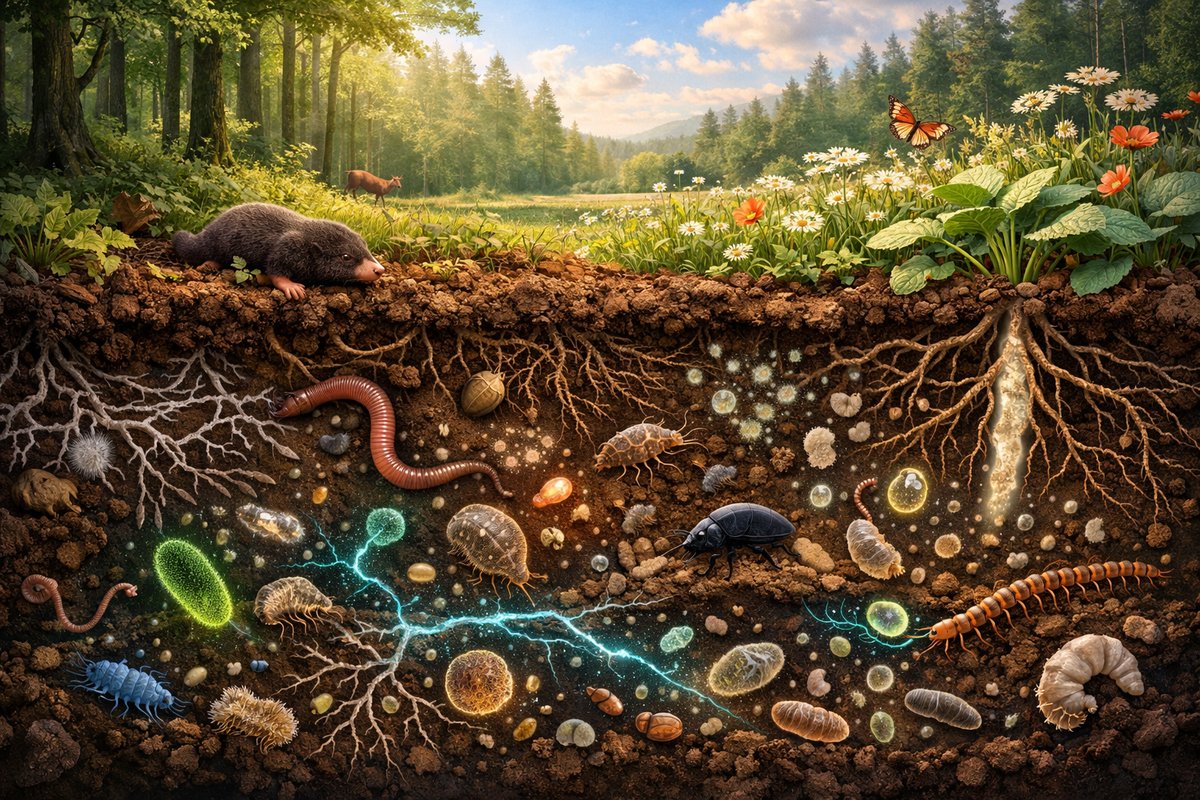
Beneath the surface of forests, fields, and gardens lies a bustling world of soil organisms whose intricate interactions sustain ecosystems and influence climate resilience. Recent research is unveiling how this hidden biodiversity acts as a critical foundation for environmental health and offers new pathways for conservation and sustainable land management.
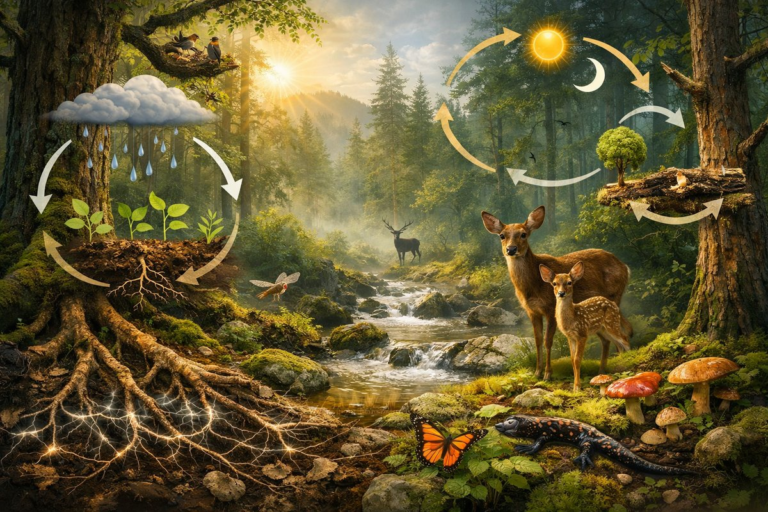
When we think about nature’s complexity, towering trees, colorful birds, and flowing rivers often come to mind. Yet, an equally vibrant and essential world thrives just beneath our feet-soil biodiversity. This subterranean community, comprising myriad bacteria, fungi, nematodes, arthropods, and other microscopic to small organisms, forms a dynamic web that drives nutrient cycling, supports plant growth, and buffers ecosystems against environmental stresses.
Recent advances in environmental science have brought this hidden realm into sharper focus, revealing its profound influence on ecosystem resilience and climate regulation. Far from being inert dirt, soil is a living matrix, a biological engine room whose health determines much of the vitality of terrestrial landscapes.
One of the most exciting revelations in recent years is how soil biodiversity contributes to carbon sequestration, a process vital for mitigating climate change. Microbial communities decompose organic matter, transforming it into stable forms of soil carbon that remain locked away for decades or longer. The diversity and balance of these communities influence how effectively carbon is stored or released back into the atmosphere as greenhouse gases.
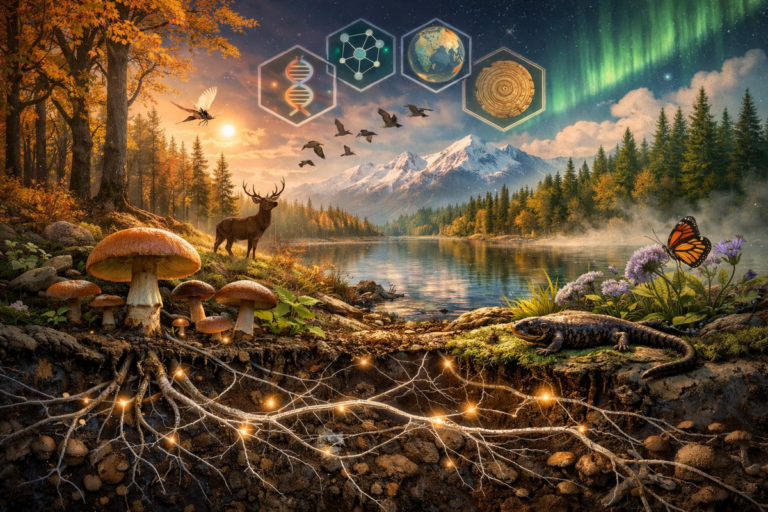
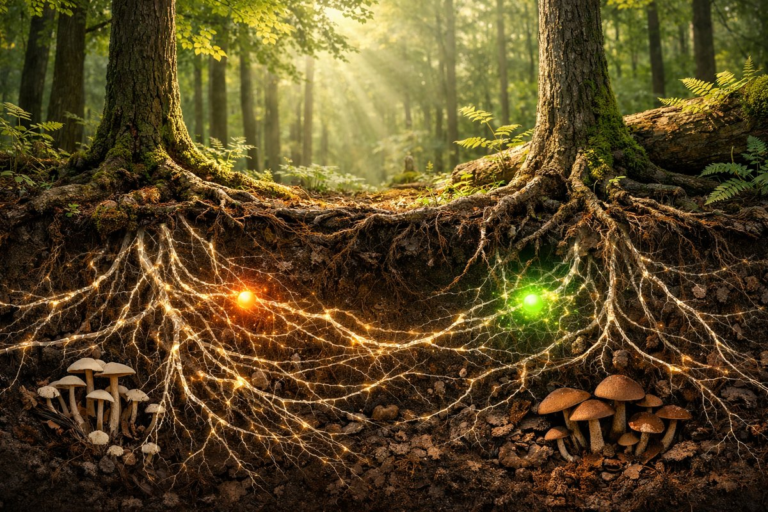
Moreover, soil organisms engage in complex symbiotic relationships with plants, such as mycorrhizal fungi that extend root systems and enhance nutrient uptake. These partnerships improve plant health and productivity, which in turn supports wildlife and human agriculture. Healthy soils with rich biodiversity also improve water retention, reduce erosion, and help landscapes recover from droughts and floods.
However, soil biodiversity is increasingly threatened by human activities including intensive agriculture, deforestation, pollution, and climate change itself. The widespread use of chemical fertilizers and pesticides can disrupt microbial communities, reducing soil fertility and resilience. Land degradation and habitat loss further imperil these ecosystems, with cascading effects on aboveground biodiversity and ecosystem services.
In response, scientists and conservationists are advocating for holistic approaches that prioritize soil health as a cornerstone of environmental stewardship. Practices such as regenerative agriculture, agroforestry, reduced tillage, and organic amendments aim to nurture soil life and restore its natural functions. These methods not only improve yields and farm sustainability but also contribute to broader goals of biodiversity conservation and climate adaptation.
Technological innovations are also playing a pivotal role. Environmental DNA (eDNA) sampling, metagenomics, and high-throughput sequencing allow researchers to identify and monitor soil organisms with unprecedented precision. Coupled with remote sensing and soil sensor networks, these tools enable real-time assessment of soil health and inform targeted interventions.
Educational initiatives are fostering greater public awareness of soil biodiversity’s importance. Citizen science projects invite communities to participate in soil sampling and monitoring, bridging the gap between research and local knowledge. This inclusive approach cultivates a sense of belonging and responsibility toward the living world beneath us.
Looking ahead, integrating soil biodiversity considerations into land-use planning, climate policies, and conservation strategies is crucial. Protecting and enhancing this hidden network of life can bolster ecosystem resilience, secure food systems, and help stabilize the global climate.
In a world facing unprecedented environmental challenges, the soil beneath our feet offers a quiet yet powerful testament to nature’s resilience and interconnection. By recognizing and nurturing this living foundation, we deepen our relationship with the earth and open new horizons for sustainable coexistence.