Location
Mount Vernon, WA 98274

Location
Mount Vernon, WA 98274

Nature's resilience is a story written in the quiet rhythms of seasonal change and the delicate balance of microclimates. From the thawing soil beneath winter's snow to the hidden moisture pockets that sustain life during drought, these subtle environmental shifts orchestrate a complex dance of survival and renewal.
Across the globe, ecosystems pulse with a quiet resilience that often goes unnoticed beneath the surface of our daily lives. This resilience is not just a matter of individual species surviving harsh conditions but a dynamic interplay of seasonal cycles and microclimates that shape the very fabric of life on Earth. Understanding these subtle environmental forces offers profound insight into how nature adapts, recovers, and thrives amid change.
Seasonal shifts are among the most fundamental drivers of ecological rhythms. The transition from winter to spring, for instance, triggers a cascade of biological responses: seeds break dormancy, insects emerge from pupation, and migratory birds return to breeding grounds. These changes are tightly linked to temperature fluctuations, daylight length, and soil moisture levels. Yet, it is not only the broad strokes of seasons that matter but also the finer-scale variations within them.
Microclimates-localized atmospheric zones where the climate differs from the surrounding area-play a crucial role in buffering ecosystems against environmental extremes. These pockets of unique conditions can be found beneath dense forest canopies, within rocky outcrops, or along shaded stream banks. In these refuges, temperature swings are moderated, humidity levels remain steadier, and soil conditions are often richer in organic matter. For many species, microclimates act as sanctuaries during periods of drought, heatwaves, or frost.
Recent research has highlighted how microclimates contribute to ecosystem resilience by fostering biodiversity hotspots. For example, in temperate forests, shaded understory microclimates allow moisture-dependent plants and fungi to persist even during dry summers. This persistence supports a web of interactions-pollination, decomposition, nutrient cycling-that sustains forest health. Moreover, microclimates can serve as critical stepping stones for species migrating in response to climate change, offering temporary habitats as they adjust their ranges.
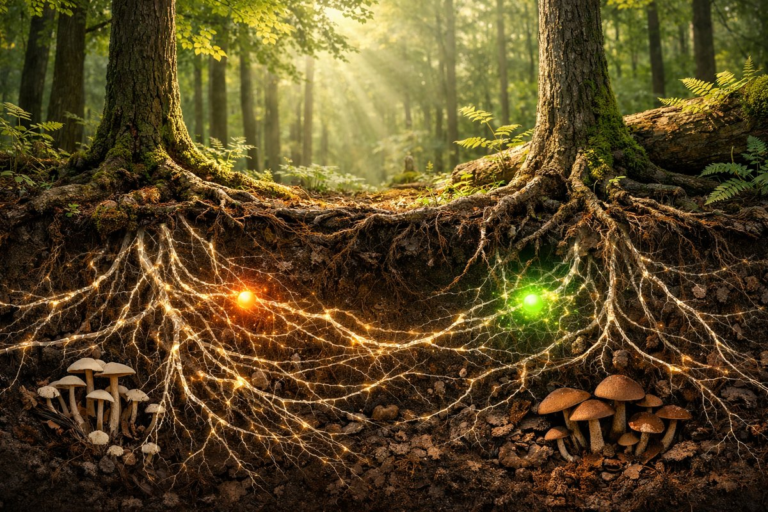
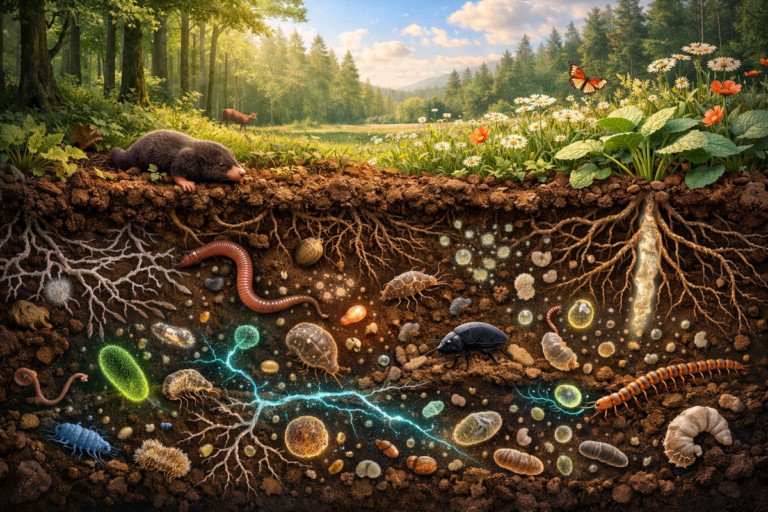
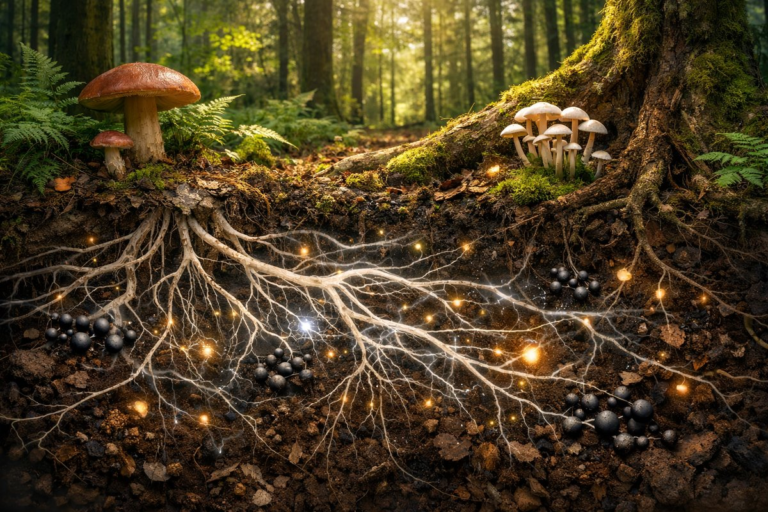
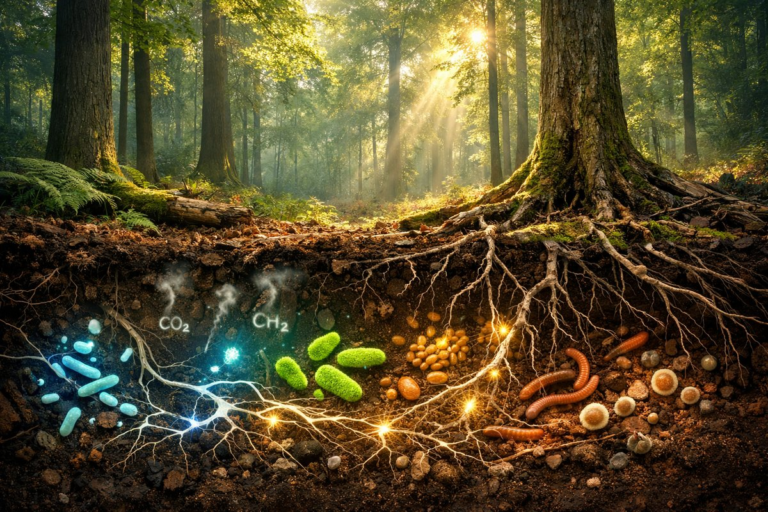
The soil beneath our feet is another often overlooked dimension of nature’s resilience. Seasonal freeze-thaw cycles aerate the soil, facilitating root growth and microbial activity essential for nutrient availability. During winter, snow acts as an insulating blanket, protecting soil organisms from extreme cold. As spring arrives, melting snow replenishes groundwater reserves, fueling plant growth. Soil microbes and fungi, which form symbiotic relationships with plants, respond dynamically to these seasonal cues, enhancing ecosystem productivity and stability.
In grassland ecosystems, the timing and intensity of seasonal rains dictate plant community composition and productivity. Pulses of precipitation stimulate rapid growth in some species while others remain dormant, creating a mosaic of vegetation that supports diverse animal communities. These patterns also influence carbon sequestration, as plant roots and soil organisms store organic carbon that helps mitigate climate change.
Human activities increasingly disrupt these delicate seasonal and microclimatic processes. Urbanization alters local climates through heat island effects, while deforestation removes critical canopy cover that creates microclimates. Agricultural practices can compact soils, reducing their capacity to retain moisture and support microbial life. As climate change accelerates, shifts in seasonal timing-known as phenological changes-are becoming more pronounced, sometimes desynchronizing interactions between species, such as pollinators and flowering plants.
Despite these challenges, there is growing interest in leveraging knowledge about seasonal dynamics and microclimates to enhance conservation and restoration efforts. For instance, reforestation projects that prioritize planting native species adapted to local microclimates have shown higher survival rates. Similarly, urban planners are exploring green infrastructure designs that create microclimatic refuges, such as shaded parks and green roofs, to support biodiversity within cities.
Citizen science initiatives are also empowering communities to observe and record seasonal changes in their local environments, contributing valuable data to track ecosystem health and climate impacts. These grassroots efforts foster a deeper connection to place and encourage stewardship of natural spaces.
Ultimately, the story of nature’s resilience is one of interconnectedness-between seasons, species, and landscapes. By paying attention to the subtle shifts in temperature, moisture, and light that define microclimates, we can better appreciate the complexity and adaptability of the living world. This awareness not only enriches our sense of wonder but also informs practical strategies to safeguard ecosystems in a rapidly changing world.
Embracing this quiet awe invites us to become active participants in the ongoing narrative of life, recognizing that even the smallest environmental nuances contribute to the grand tapestry of nature’s resilience.