Location
Mount Vernon, WA 98274

Location
Mount Vernon, WA 98274
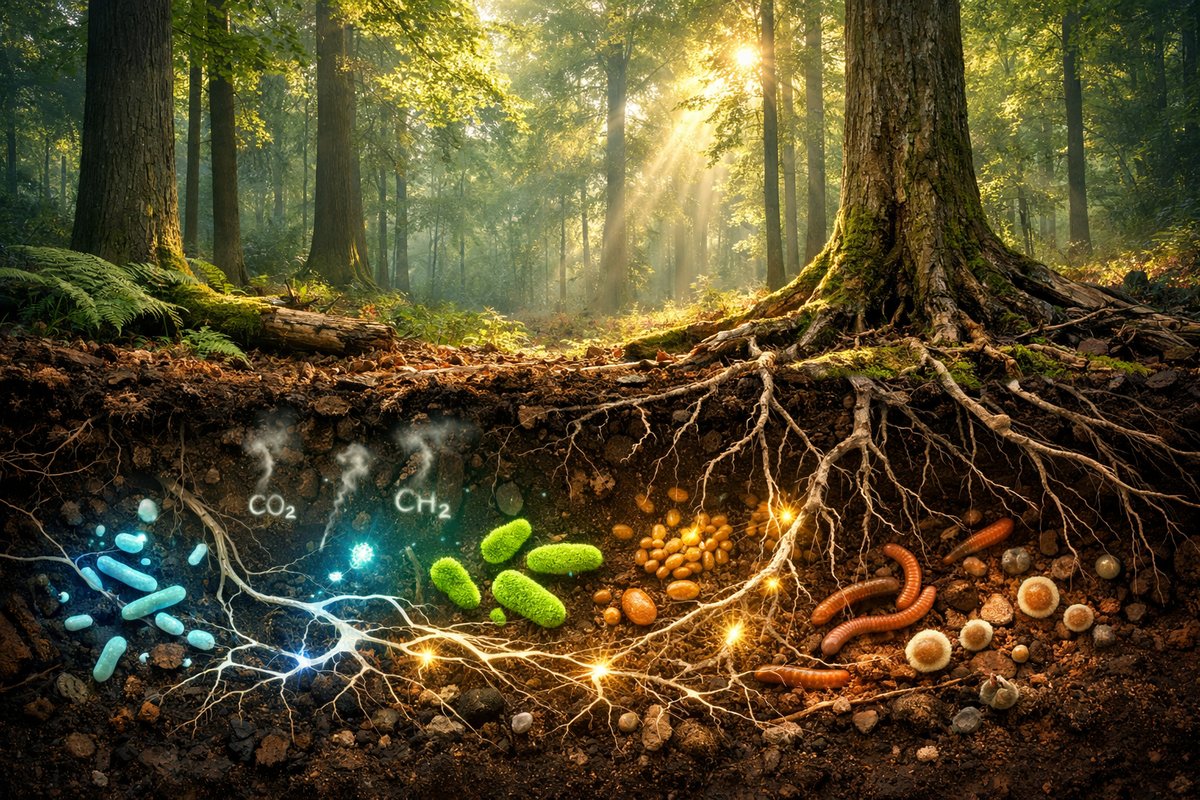
Beneath the towering trees and lush canopies, an invisible world of soil microbes is quietly responding to our changing climate. New research highlights how these microscopic communities act as early warning systems for forest health, offering insights into resilience and vulnerability in the face of environmental stress.
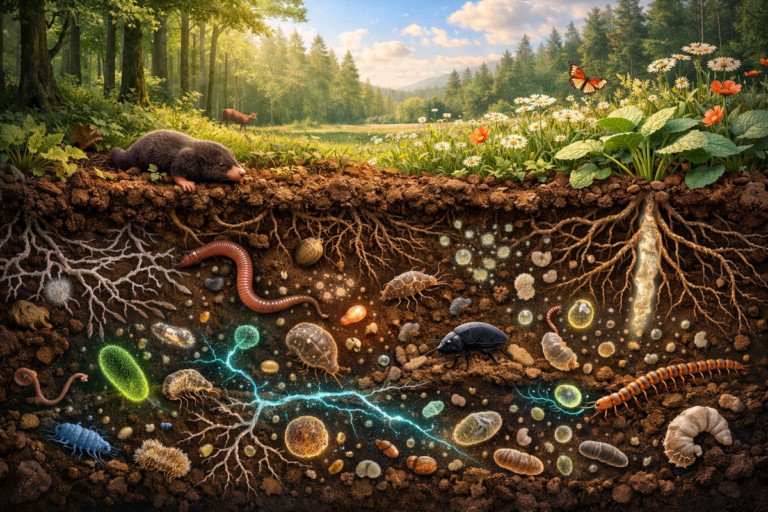
Forests are often celebrated for their grandeur-the towering trees, the dappled sunlight, and the chorus of birdsong. Yet beneath the surface lies a bustling, intricate world that holds crucial clues about the health of these ecosystems and their ability to withstand climate change. Soil microbes, invisible to the naked eye, form the foundation of forest life, driving nutrient cycles, supporting plant growth, and regulating carbon storage. Recent advances in environmental science are shining a spotlight on these tiny organisms, revealing their profound role in signaling the subtle but significant impacts of a warming world.
For decades, scientists have focused on the visible changes in forests caused by climate shifts-altered tree species distributions, increased pest outbreaks, and changes in flowering and fruiting times. While these indicators are vital, they often manifest after stress has already taken a toll. Soil microbes, by contrast, respond rapidly to environmental changes, making them sensitive barometers of ecosystem health.
Microbial communities in forest soils are incredibly diverse, consisting of bacteria, fungi, archaea, and other microscopic life forms. They interact closely with tree roots, decomposing organic matter and recycling nutrients essential for forest vitality. When temperatures rise or precipitation patterns shift, these communities adjust their composition and function. For example, certain fungi that form symbiotic relationships with trees may decline under drought stress, reducing trees’ access to water and nutrients.
A recent study conducted in temperate forests across North America utilized high-throughput DNA sequencing to monitor soil microbial diversity over multiple years. Researchers discovered that even slight increases in soil temperature correlated with significant shifts in microbial populations. Notably, microbes involved in carbon cycling exhibited altered activity levels, potentially affecting the forest’s capacity to sequester carbon dioxide.
This microbial response has cascading effects. If microbial communities become less efficient at decomposing organic matter, carbon may accumulate in the soil, altering nutrient availability and potentially changing soil structure. Conversely, accelerated decomposition under warmer conditions could release stored carbon back into the atmosphere, exacerbating greenhouse gas concentrations.
Understanding these dynamics is critical because forests act as major carbon sinks, absorbing roughly a third of human-generated carbon emissions annually. The delicate balance maintained by soil microbes influences whether forests continue to mitigate climate change or contribute to its acceleration.
In addition to carbon cycling, soil microbes influence forest resilience to extreme weather events. For instance, drought-tolerant microbial species can help trees endure dry spells by improving water uptake and nutrient absorption. Conversely, disruptions to microbial networks can leave forests more vulnerable to pests and diseases, which are increasing in frequency and intensity due to climate change.
Technological innovations are enabling scientists to explore these hidden ecosystems with unprecedented detail. Portable DNA sequencers and autonomous soil sensors allow for real-time monitoring of microbial communities and soil conditions. Satellite data combined with ground-based microbial analyses are helping map vulnerable forest regions and predict future changes.
Such integrative approaches support more informed conservation strategies. Forest managers can identify areas where microbial diversity is declining and implement targeted interventions, such as controlled reforestation with tree species that support beneficial microbes or soil amendments that enhance microbial health.
Moreover, public engagement with this microscopic frontier of nature fosters a deeper appreciation for the interconnectedness of life. Recognizing that the fate of vast forests depends on the vitality of unseen microbial allies invites a more humble and holistic perspective on environmental stewardship.
As climate change continues to challenge ecosystems worldwide, the soil beneath our feet emerges as a vital frontier for research and action. Listening closely to the forest’s whisper-the subtle shifts in microbial communities-offers hope that we can detect stress early, adapt our conservation efforts, and nurture resilience in these irreplaceable landscapes.
In this quiet, complex world, the tiniest organisms hold outsized importance. Their stories remind us that nature’s resilience is woven through layers both visible and invisible, inviting us to notice, remember, and belong.