Location
Mount Vernon, WA 98274

Location
Mount Vernon, WA 98274
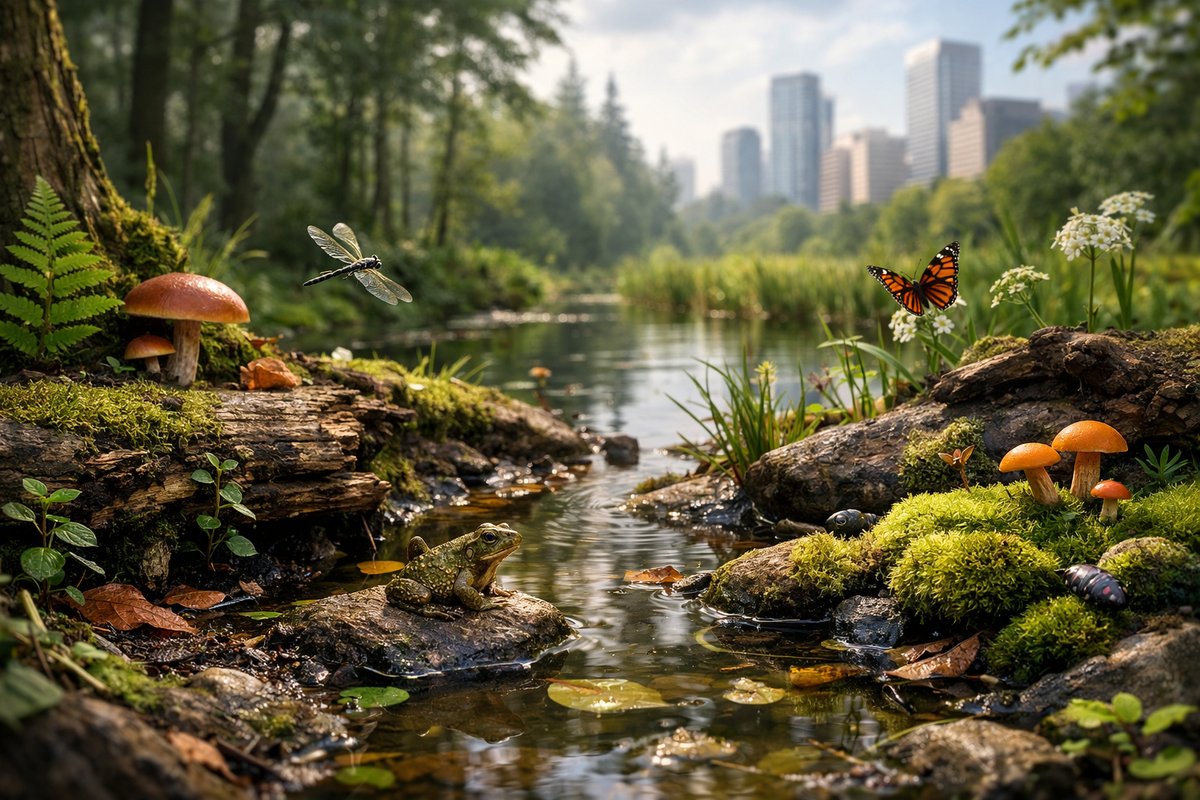
In the quiet corners of forests, wetlands, and urban green spaces, microhabitats play a crucial role in sustaining biodiversity and ecological balance. Recent environmental science reveals how these small-scale environments act as refuges for species adapting to climate shifts, pollution, and habitat fragmentation.
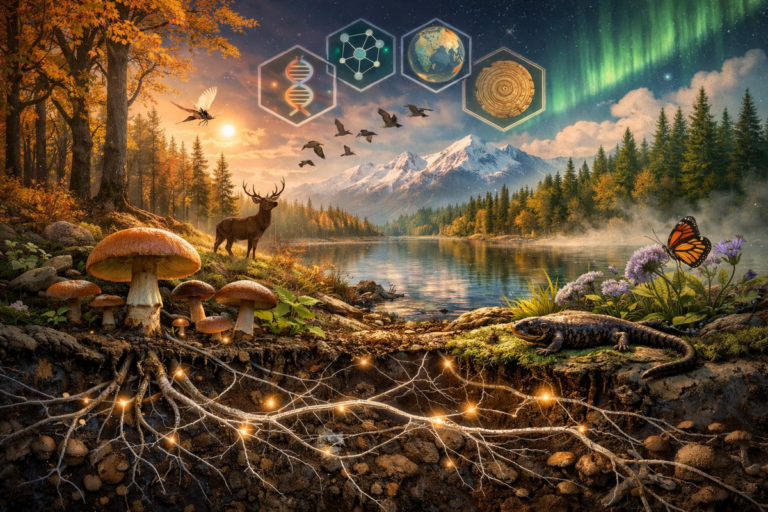
The natural world is a tapestry woven from countless threads of life, each interconnected and dependent on subtle environmental nuances. Among these intricate patterns, microhabitats-small, specialized environments within larger ecosystems-emerge as vital sanctuaries that support biodiversity and ecological resilience. As climate change accelerates and human activity alters landscapes, understanding and protecting these microhabitats becomes essential to preserving the living world’s complexity and vitality.
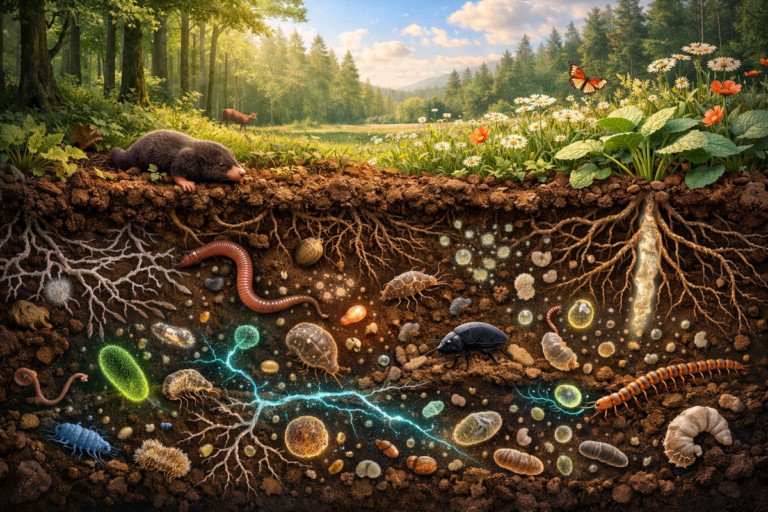
Microhabitats can be as modest as a rotting log on a forest floor, a patch of moss on a rocky ledge, or a puddle in a meadow. Despite their size, they harbor unique communities of organisms adapted to their specific conditions. These niches often provide critical resources such as moisture, shelter, or food that are unavailable in the surrounding environment. For instance, certain amphibians rely on ephemeral pools for breeding, while many insects depend on decaying wood to complete their life cycles.
Recent studies in environmental science emphasize the role of microhabitats in buffering species against the impacts of environmental stressors. In fragmented forests, where large contiguous habitats are broken into smaller patches, microhabitats act as stepping stones or refuges, allowing species to survive and disperse. This spatial heterogeneity supports genetic diversity and ecological interactions that might otherwise be lost.
One fascinating example involves lichens and bryophytes, which thrive in microhabitats like tree bark crevices or shaded rock surfaces. These organisms contribute to nutrient cycling and provide microclimates that benefit invertebrates and microorganisms. Their sensitivity to air quality also makes them valuable bioindicators for monitoring environmental health.
Urban environments, often perceived as biodiversity deserts, surprisingly host a variety of microhabitats that sustain native species. Green roofs, pocket parks, and even cracks in sidewalks can serve as refuges for pollinators, small mammals, and birds. Encouraging the creation and maintenance of these urban microhabitats is a growing focus in conservation efforts, aiming to reconnect fragmented ecosystems and foster human-nature coexistence.
Moreover, the interplay between microhabitats and larger ecosystem processes reveals the importance of scale in conservation planning. Protecting expansive landscapes remains critical, but incorporating microhabitat preservation can enhance ecosystem resilience. For example, wetlands within agricultural landscapes filter pollutants, recharge groundwater, and provide breeding grounds for amphibians and insects, contributing to overall environmental health.
Climate change poses complex challenges to biodiversity, but microhabitats offer glimmers of hope. Their localized conditions can moderate temperature extremes and retain moisture, providing refuges during heatwaves or droughts. Scientists are exploring how restoration projects can mimic or enhance microhabitat features to support vulnerable species facing shifting climates.
This emerging understanding invites us to notice and appreciate the subtle, often overlooked aspects of nature. Every fallen leaf, shaded crevice, or puddle holds stories of survival, adaptation, and connection. By fostering curiosity and stewardship at these intimate scales, we deepen our relationship with the living world and contribute to its enduring resilience.
The ongoing research into microhabitats underscores a broader principle: nature’s strength lies not only in grandeur but also in the delicate details. As we confront environmental challenges, embracing the complexity and nuance of ecosystems can inspire innovative approaches to conservation that honor the diversity of life in all its forms.
Recognizing the value of microhabitats also aligns with ethical imperatives to respect nonhuman life and promote sustainability. It reminds us that environmental stewardship is not solely about vast wilderness preservation but also about mindful engagement with the everyday spaces where life quietly thrives. In doing so, we cultivate a sense of belonging and responsibility that transcends species boundaries and fosters a more harmonious coexistence with the natural world.
In essence, microhabitats are nature’s hidden havens, quietly sustaining the web of life through change and uncertainty. They invite us to look closer, listen more attentively, and act with care-embracing a vision of conservation that celebrates both the grand and the minute, the visible and the unseen.