Location
Mount Vernon, WA 98274

Location
Mount Vernon, WA 98274
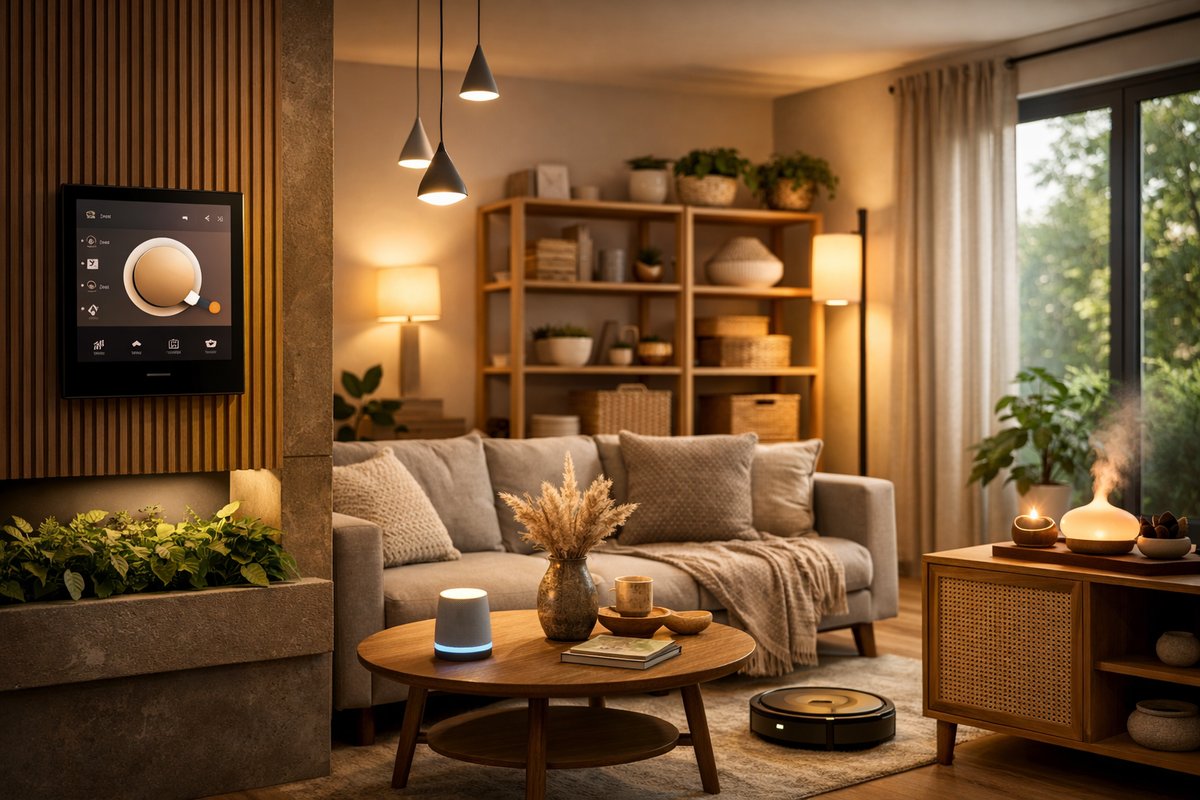
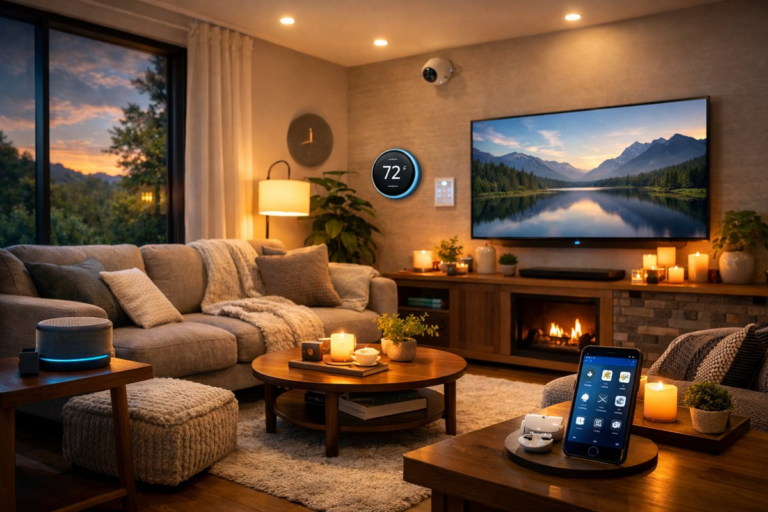
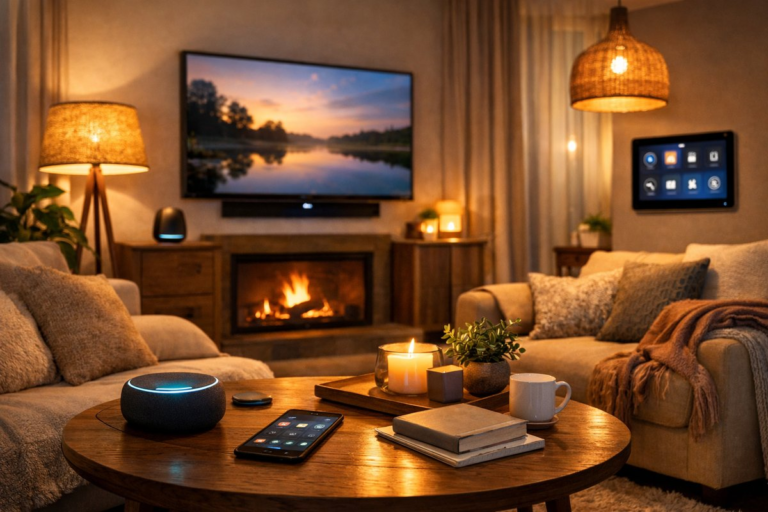
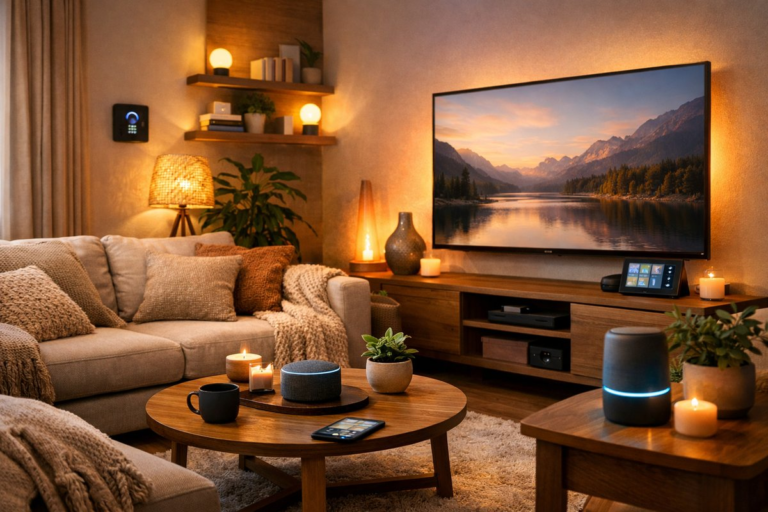
Home design is shifting toward an era where cutting-edge automation meets mindful comfort. From AI-driven lighting scenarios to organic textiles and modular storage, homeowners are weaving technology and tactility into cohesive living spaces.
Urban apartments, suburban homes and rural retreats alike are undergoing a quiet revolution. Increasingly, homeowners are seeking more than flashy gadgets or minimalist aesthetics. They want spaces that respond intuitively to daily life while also nourishing comfort and sustainability. This emerging synthesis of smart automation with cozy, tactility-driven design is reshaping how we live-and recent market data underscores the momentum.
A report from a leading market research firm indicates that global smart home product revenue is projected to surpass $150 billion by the end of next year. Yet this surge isn’t fueled solely by security cameras or voice assistants. Instead, consumers are gravitating toward integrated systems that manage energy, ambiance and well-being in a more holistic way. Concurrently, searches for eco-friendly home textiles and modular furniture have climbed by over 30 percent in the past 18 months, reflecting a parallel drive for materials that feel authentic and support personal health.
In downtown lofts, families and roommates are trading rigid schedules for adaptable environments. Smart lighting panels equipped with built-in motion and ambient sensors now detect occupancy, automatically adjusting color temperature from crisp daylight tones during work hours to warm candlelit hues at dusk. Paired with voice-activated climate controls, these systems can preheat floors or circulate fresh air moments before you step into the room. Often overlooked but increasingly vital, air quality monitors track volatile organic compounds and particulate levels, then trigger silent purifiers or open vents to maintain peak indoor freshness.
Yet technology alone doesn’t guarantee comfort. Interior designers and DIY enthusiasts are embracing eco-friendly fibers-organic cotton, bamboo blends and recycled wool-to soften hard surfaces. Floor rugs made from natural jute or hand-woven hemp introduce texture underfoot while supporting fair-trade cooperative artisans. On sofas and window seats, plush throw blankets woven in certified toxin-free manufacturing facilities add tactile warmth without compromising air purity.
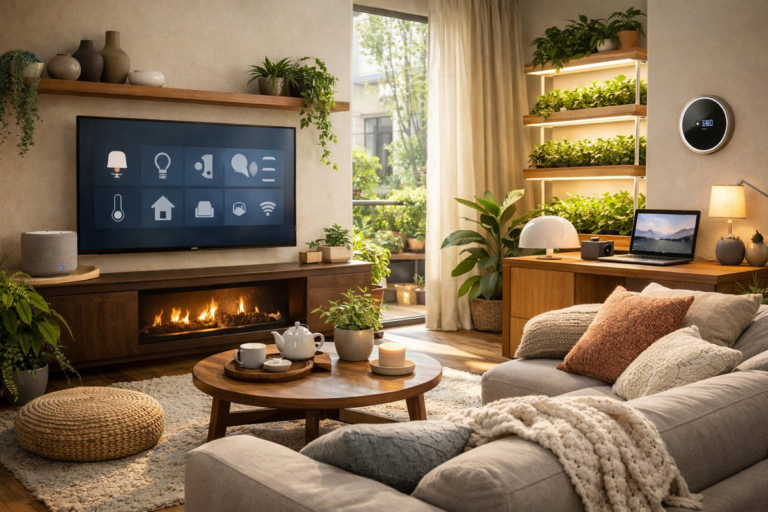
Modular shelving has also seen a renaissance. Homeowners value pieces that can shift roles throughout seasons: bookshelves that rotate into display units, storage cubes that stack into plant stands, or bench-style modules doubling as seating near entryways. These adaptable forms reduce the need to replace bulky furniture as lifestyles evolve, aligning with the environmental ethos many households are adopting.
Landscape architects and indoor greenery specialists are further pushing the envelope by integrating living walls and potted ecosystems into smart irrigation networks. Soil moisture sensors feed data to drip irrigation units, ensuring ferns, succulents and fiddle-leaf figs receive just the right amount of water. This approach not only elevates biophilic design-reconnecting residents with nature-but also trims water waste through precise monitoring.
Behind this shift are professional organizers and energy consultants who emphasize intentional purpose. A common recommendation is to designate “activity zones” within open-plan homes: a creative corner bathed in daylight and outfitted with acoustic panels for concentration, a relaxation nook with soft textiles and dynamic smart lighting programmed to sync with circadian rhythms, and a communal dining area where voice prompts can queue ambient music or adjust overhead fixtures for mood. Conceptualizing homes as multifunctional ecosystems rather than static showrooms allows inhabitants to inhabit spaces with flexibility and well-being in mind.
Consider the case of a three-generation household in a refurbished Victorian residence. By installing smart underfloor heating mats in the ground-floor lounge, the family ensured toddlers and grandparents alike experienced consistent warmth regardless of the chilly exterior stone. Coupled with a voice-triggered smart thermostat tuned to each room’s occupancy patterns, the system cut annual energy bills by nearly 20 percent. The household paired these upgrades with hand-dyed linen curtains and locally milled hardwood open shelving, transforming the century-old framework into a vibrant, modern sanctuary without sacrificing heritage charm.
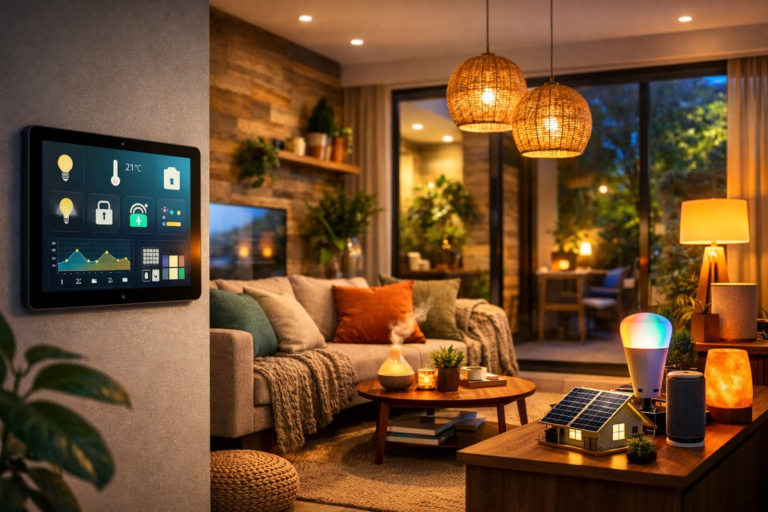
Experts point out that successful merges of tech and comfort hinge on user-friendly interfaces and trust in automated routines. To that end, some homeowners are opting for tactile wall panels with capacitive touch controls instead of solely relying on smartphone apps. These brushed-metal or wood-grained panels are programmed to cycle through pre-set lighting scenes or climate profiles with a gentle swipe or press, offering reassurance when digital networks falter.
Wherever you live, implementing intentional upgrades can follow a phased approach:
• Inventory and Intent: Begin by cataloging how each room functions throughout the day-note peak hours for work, rest and recreation. From there, identify one or two pain points: too much glare, uneven temperature, stale air or inefficient storage.
• Layered Solutions: Pair a smart device (lighting panel, air sensor, climate controller) with a tactile counterpart (throw blanket, area rug, modular shelf). This layered strategy enriches sensory experience while unlocking automation benefits.
• Sustainable Sourcing: Prioritize materials certified for low emissions and ethical labor practices. Look for recycled content in textiles and FSC-certified wood in furniture.
• Adaptation and Tuning: Most systems learn and improve over time. Encourage family members to provide feedback-was that too cool? Too bright?-and adjust pre-sets accordingly.
• Integration Check: When adding new components, verify they can communicate through a common hub or open-source protocol. Avoid siloed gadgets that demand separate apps or hubs.
As the line between virtual and physical living environments continues to blur, designers are imagining farther-flung possibilities: surfaces embedded with haptic feedback to mimic the feel of natural materials, AI-curated art displays that shift images based on mood data aggregates, and even kinetic furniture that reconfigures itself on command. While these innovations edge toward tomorrow, today’s trend reveals a powerful undercurrent: homes that genuinely nurture inhabitants by combining precise comfort with human-centric design.
Looking ahead, the most successful living spaces will likely balance instantaneous convenience with long-term stewardship-comfort that doesn’t come at the expense of the planet or personal well-being. From energy-smart underfloor heating to plush organic textiles, every element becomes part of an ecosystem tuned for intentional living. As homeowners and renters rethink their relationships to walls, floors and air around them, the phrase “modern comfort” takes on deeper meaning: a commitment to spaces that are adaptive, sustainable and intrinsically attuned to who we are.