Location
Mount Vernon, WA 98274

Location
Mount Vernon, WA 98274
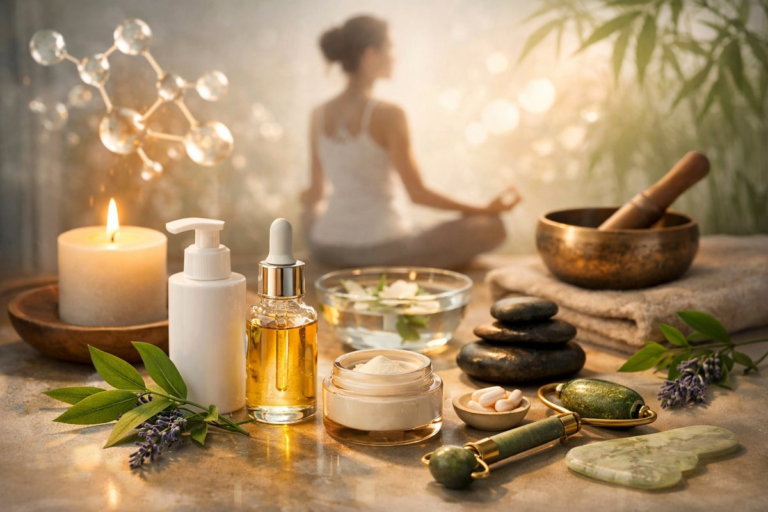
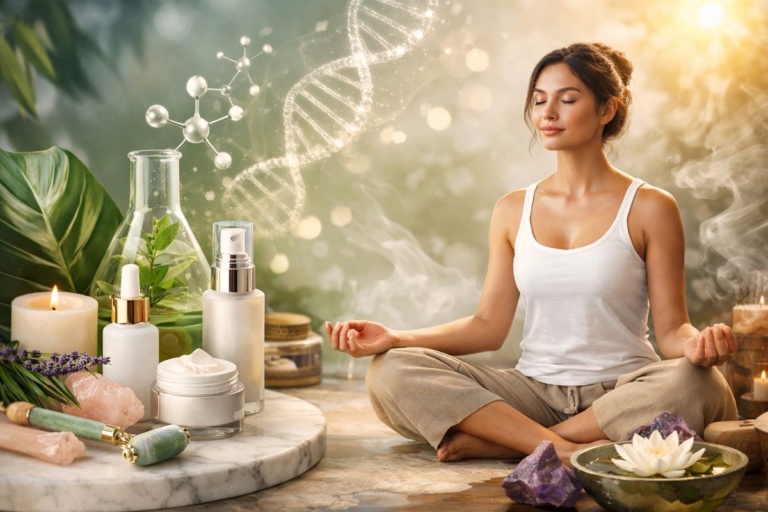
A new wave of beauty routines is merging evidence-based formulations with mindful self-care, turning morning cleanses and evening treatments into enriching rituals. Consumers are embracing tools and techniques that nourish both skin and spirit, from gentle gua sha massages to LED light therapy sessions at home.
In living rooms turned personal sanctuaries and in niche beauty studios around the globe, a transformation is underway. What once felt like a chore-stepping through a multi-step skincare regimen-has evolved into a daily ritual that blends science, self-expression and mindful practice. Recent data from e-commerce platforms reveal a 35 percent surge in search interest around “skincare tools,” as consumers seek out devices and techniques that go beyond serums in a bottle.
Experts point to three driving forces behind this shift. First, advances in dermatological research have armed everyday routines with formulas once restricted to clinics. Second, an appetite for sensory pleasure has turned beauty into a multisensory escape. Finally, a growing emphasis on mental and emotional well-being is reshaping how people interact with their products-turning each application into a moment of calm.
In many ways, this hybrid approach to skincare is a reaction against the era of “more is more.” The mid-2010s obsession with complex 10-step lineups has given way to “skinimalism,” a pared-back philosophy championing just a handful of potent essentials. Yet even as routines shrink in component count, they are expanding in intention.
“We’re seeing people slow down,” says a cosmetic chemist who consults for major clean-beauty brands. “They want a ritual, not a rush. It’s about claim substantiation in the lab, yes-but also about how a routine can anchor the day, like morning coffee or journaling.”
Across Instagram, TikTok creators are sharing videos of themselves in soft light, massaging their faces with jade rollers. They combine pH-balanced cleansers with vitamin C serums, swipe on a barrier-repair moisturizer, and finish with a delicate mist before settling into a five-minute breathing exercise. What might seem elaborate actually takes under 10 minutes-yet it’s imbued with a sense of ceremony.
In one Manhattan loft, a small group gathers every Tuesday evening for an LED light therapy circle guided by a licensed esthetician. Participants don masks that pulse with red and near-infrared wavelengths, said to stimulate collagen production and improve circulation. The soft hum of the device mixes with ambient music and the faint aroma of lavender essential oil. By the session’s end, attendees report clearer skin and a calmer mind.
LED technology has been a breakthrough for at-home enthusiasts. Once the domain of dermatology clinics, it’s now available in portable face masks and panels that retail for under two hundred dollars. Clinical trials published in peer-reviewed journals show consistency in reducing fine lines, leaving a credible case for their use outside professional settings.
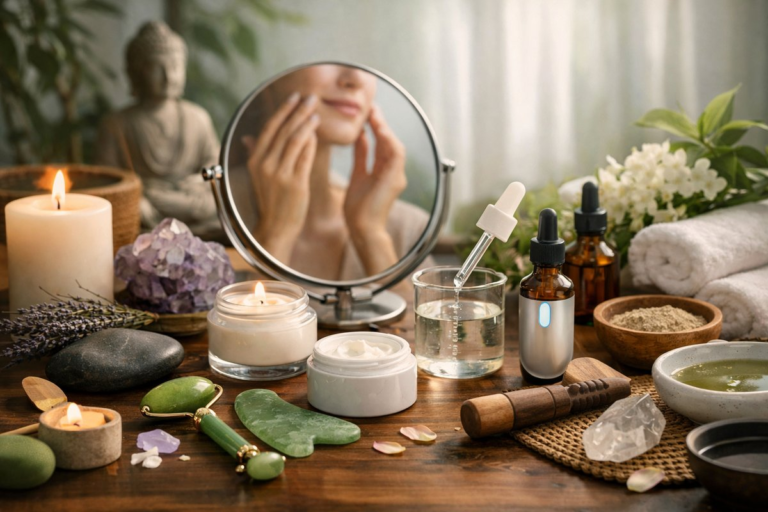
Meanwhile, the ancient art of gua sha-scraping the skin with a smooth tool to promote lymphatic drainage-has won modern acclaim. Users prize the slight flush it brings and the tension relief across the jaw and brow. Many tools are carved from jade or rose quartz, blending tradition with a sense of ritual beauty. Beauty counters host gua sha workshops where novices receive one-on-one guidance, often alongside demonstrations of tapping and acupressure movements that harness principles from traditional Chinese medicine.
Beyond light and touch, serums remain the cornerstone of any evidence-based routine. Vitamin C derivatives with stable formulas are flying off shelves, leveraging research that shows daily application can defend against oxidative damage and brighten uneven tone. Retinol drops have also gained a revival, thanks to novel encapsulation methods that reduce irritation while delivering a steady release.
The packaging revolution is another dimension of this metamorphosis. Refillable glass dropper bottles, aluminum air-tight pumps and compostable cartons have become standard for brands positioning themselves as eco-conscious. Consumers who once equated sustainability with sacrificing performance are now finding that many of these formulations match or exceed the efficacy of their predecessors.
“It’s about closing the loop,” notes a sustainability consultant working with startups in the beauty space. “No one wants half-empty plastic tubes piling up in landfills. Refills, concentrated powders you mix at home, even shipping pods that dissolve in water-these are innovations driven by consumer demand.”
At the same time, personalized services are migrating online. Virtual skin consultations powered by AI offer recommendations based on a selfie and a short questionnaire about skin concerns, dietary habits and lifestyle factors. Some apps even integrate with wearable devices, correlating skin hydration levels to daily steps, sleep quality and air-quality metrics. While not a replacement for professional dermatology, these platforms help establish customized regimens built around real-time data.
The fusion of technology and tradition can be seen in the rise of digital face-mapping tools. Using high-resolution cameras and specialized algorithms, these gadgets scan the complexion for pores, pigmentation irregularities and texture. The results guide targeted interventions-be it a salicylic acid toner, a ceramide-rich moisturizer or a weekly sheet mask loaded with botanical extracts.
Mindful beauty doesn’t stop at formulations. Many enthusiasts are adopting supportive best practices: swapping cotton towels for silk pillowcases to reduce friction during sleep, using adjustable dimmer lamps to create a skincare nook, or integrating soft soundscapes and aromatherapy diffusers to heighten the meditative aspect of nightly routines.
One wellness clinic in Chicago now offers a hybrid “sound-and-skin” session. Guests lie beneath a customizable LED panel while a sound therapist plays crystal singing bowls. The combination of gentle vibrations and targeted wavelengths aims to alleviate stress, improve circulation and lay the groundwork for healthier skin function.
For busy professionals, micro-breaks throughout the day are gaining traction. Instead of waiting until evening, some apply a quick hyaluronic acid mist during afternoon slump, paired with a two-minute scalp massage to release tension and boost blood flow. This practice not only rehydrates the skin but also doubles as a moment to reset the nervous system.
Despite the surge in high-tech solutions, experts caution that the core principles remain simple: cleanse, treat and protect. Overlapping active ingredients without professional guidance can compromise the skin barrier. And no device, however sophisticated, can substitute for broad-spectrum sunscreen, still the most foolproof way to ward off premature aging and environmental damage.
Looking ahead, industry insiders anticipate the next frontier will blend nanotechnology with bio-responsive carriers that adapt to individual biochemistry. Imagine serums that sense moisture levels in real time or masks that dissolve precisely when active ingredients have been fully delivered.
Whether powered by ancient wisdom or cutting-edge science, the reinvention of skincare reflects a deeper cultural craving: the need for practices that engage our senses, ground our emotions and connect us to a sense of self-care that extends beyond the mirror. In a world that moves at breakneck speed, the ritual of applying a serum, tracing a gua sha tool along the cheekbone or bathing in LED light is far more than vanity. It’s an act of nourishing the skin-and the spirit-one intentional moment at a time.