Location
Mount Vernon, WA 98274

Location
Mount Vernon, WA 98274
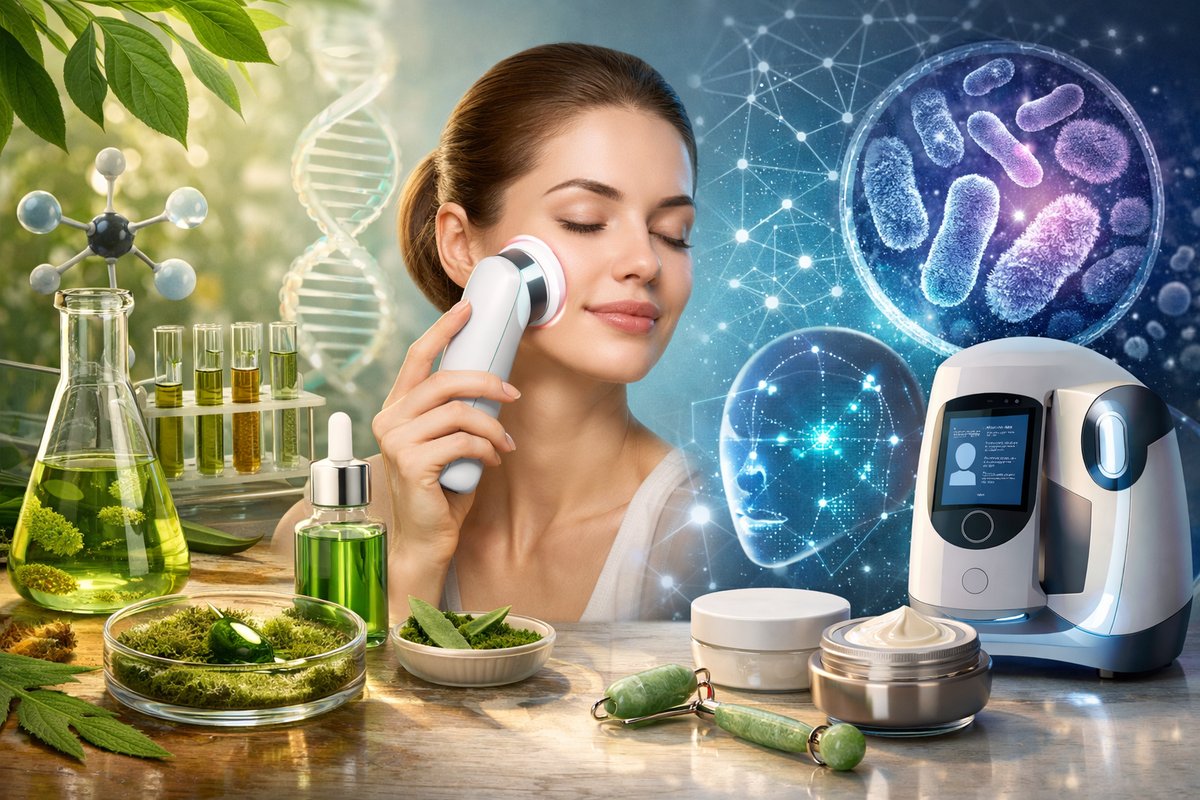
A new generation of beauty routines is emerging at the intersection of nature's wisdom and artificial intelligence. From lab-cultivated plant extracts to personalized at-home devices guided by microbiome mapping, consumers are embracing rituals that promise both sensory delight and scientifically proven results.
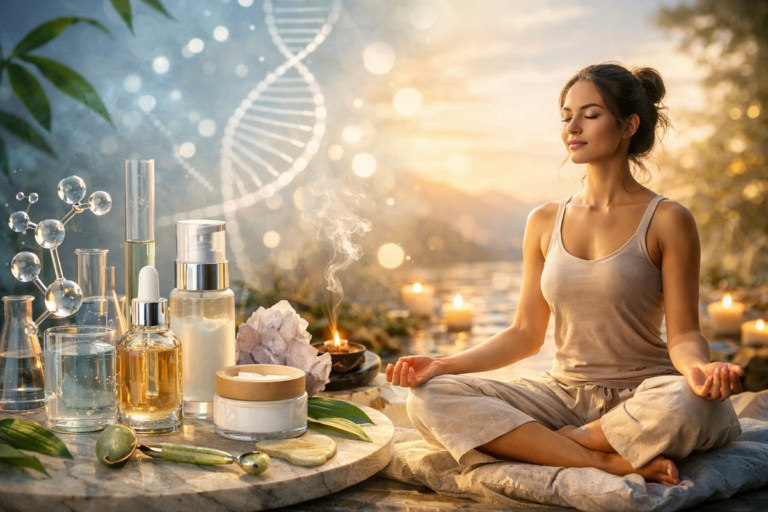
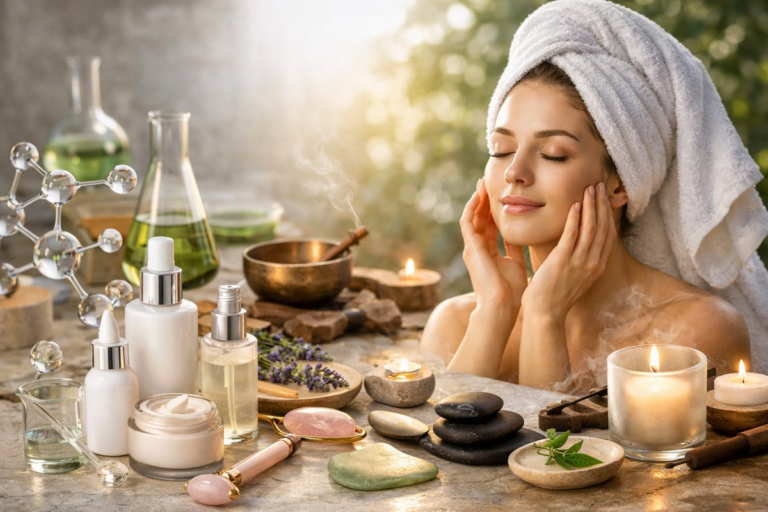
In an era when mindfulness and high-tech innovation collide, skincare is undergoing a profound transformation. Beauty aficionados and industry insiders alike are heralding the rise of bio-integrated rituals: multi-sensory routines that fuse cutting-edge AI personalization with sustainably sourced botanical ingredients. Gone are one-size-fits-all serums; in their place are bespoke regimens designed around individual skin microbiomes, lifestyle data and the calming rhythms of nature.
At the heart of this movement is a commitment to understanding skin as an ecosystem. Researchers at several biotech startups have perfected gentle fermentation techniques that amplify the active compounds in algae, fungi and adaptogenic herbs. These lab-cultured extracts not only reduce reliance on wild harvesting but also boast higher stability and potency compared to their conventional counterparts. Early adopters report fewer breakouts, improved skin elasticity and a sense of connection with the natural world-as if each drop carries a microcosm of the forest or ocean.
But plant science alone isn’t enough. Companies are harnessing AI-driven diagnostic tools to analyze users’ skin images, environmental factors and even stress markers collected via wearable sensors. Within minutes, an app generates a customized serum formula, adjusting concentrations of peptides, hyaluronic acid and antioxidant-rich plant extracts. Users then create their personalized elixirs on-demand, using modular dispenser systems that resemble coffee machines more than cosmetic counters.
“We’re moving from mass production to on-site, tailor-made routines,” says an industry analyst who tracks beauty-tech start-ups. “It’s similar to how personalized nutrition plans evolved. Today’s consumers want treatments that respond to real-time data from their bodies, not guesswork.” The same AI algorithms that recommend evening wind-down tracks on your music app now decode the subtle cues of your skin, ensuring you apply a calming lavender-papaya elixir before bed or a cooling hyaluronic mist after a midday workout.
For many, the sensory dimension is as important as the scientific one. Audio therapy-using specialized playlists to lower heart rate-has been integrated into facial massagers and LED devices. A typical session might begin with a five-minute guided breathing exercise, accompanied by soft tones calibrated to alpha brainwave frequencies. Then, as the device emits a specific wavelength of red or near-infrared light, users feel the gentle warmth permeate their skin, stimulating collagen formation. This seamless blend of sound and light has sparked a wave of at-home spas, where rituals become immersive escapes from digital overload.
Trend forecasters point to a parallel surge in biophilic design across wellness spaces. Skincare bars are popping up in urban districts, decorated with live moss walls, reclaimed wood stations and water features that hum in the background. Patrons can choose from a menu of “forest bathing” sprays infused with oak-moss cultures or “ocean pulse” mists derived from marine microalgae. Each ritual culminates in a slow-pour mineral mask and ten minutes of quiet reflection in a coco-fiber hammock, designed to reinforce mindfulness alongside clear skin.
Major beauty conglomerates aren’t sitting on the sidelines. They’re acquiring biotech firms with proprietary fermentation platforms and launching subscription boxes that deliver fresh, seasonally adjusted formulas. Some brands are even experimenting with wearable patches embedded with micro-needles that release time-released actives, controlled by smartphone apps. These patches monitor skin moisture levels and adjust dosage throughout the day, all while delivering a subtle herbal scent that evolves in harmony with circadian rhythms.
Yet the marriage of tradition and technology hasn’t come without debate. Critics warn that data-heavy regimens risk overengineering what was once simple self-care. They caution against trading genuine connection with nature for an endless stream of algorithmic tweaks. In response, a growing faction of holistic practitioners emphasizes the importance of intention. They lead workshops on creating small rituals-like mindful oil-pressing ceremonies using seeds that are cold-pressed on site, or journaling sessions paired with gentle Gua Sha techniques-that honor ancestral practices.
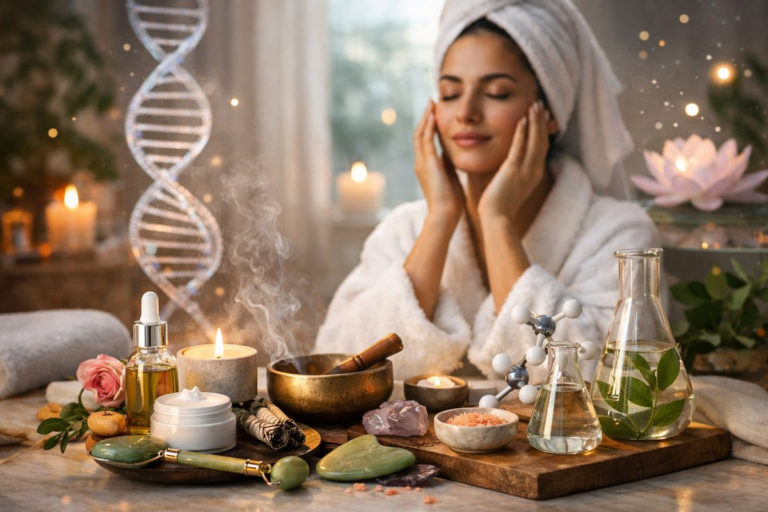
Ultimately, the bio-integrated approach seeks balance. It honors the precision of lab science while restoring the tactile pleasures of skincare rituals. The goal is not to replace the meditative act of self-massage or the soothing scent of freshly cut herbs, but to enhance them with data-backed insights. When AI suggests adding a drop of probiotic serum to calm inflammation, the hands-on ritual of blending that serum becomes even more intentional.
As sustainability concerns mount, the industry’s focus on circular design has intensified. Modular device components are repairable and recyclable, while refill pods for customized serums use minimal plastic. Brands proudly display their carbon-neutral certifications and detail traceability from lab to bottle. For consumers, this transparency fosters trust-and a sense of shared responsibility.
What does the future hold? Experts predict a deeper integration of wearable skin sensors that continuously adapt routines based on humidity, UV exposure and personal stress levels. Imagine a smart mirror that scans your complexion each morning, updating your regimen before you even reach for a bottle. Behind the scenes, AI ecosystems will learn from aggregated user data-always anonymized-to refine ingredient pairings and introduce novel bio-actives harvested in the most ethical ways possible.
For now, the bio-integrated ritual offers a refreshing alternative to one-click beauty fixes. It invites users to slow down, engage multiple senses and participate in the co-creation of their skincare journey. In an age saturated with instant gratification, these evolving ceremonies remind us that true radiance often springs from a deliberate combination of science, nature and mindful intent.
As consumers around the globe embrace these new approaches, one thing is clear: skincare is no longer just about what you apply to your face. It’s an ecosystem of experiences-rooted in ethical sourcing, powered by AI, and infused with the age-old human desire for rituals that nourish both skin and spirit.