Location
Mount Vernon, WA 98274

Location
Mount Vernon, WA 98274
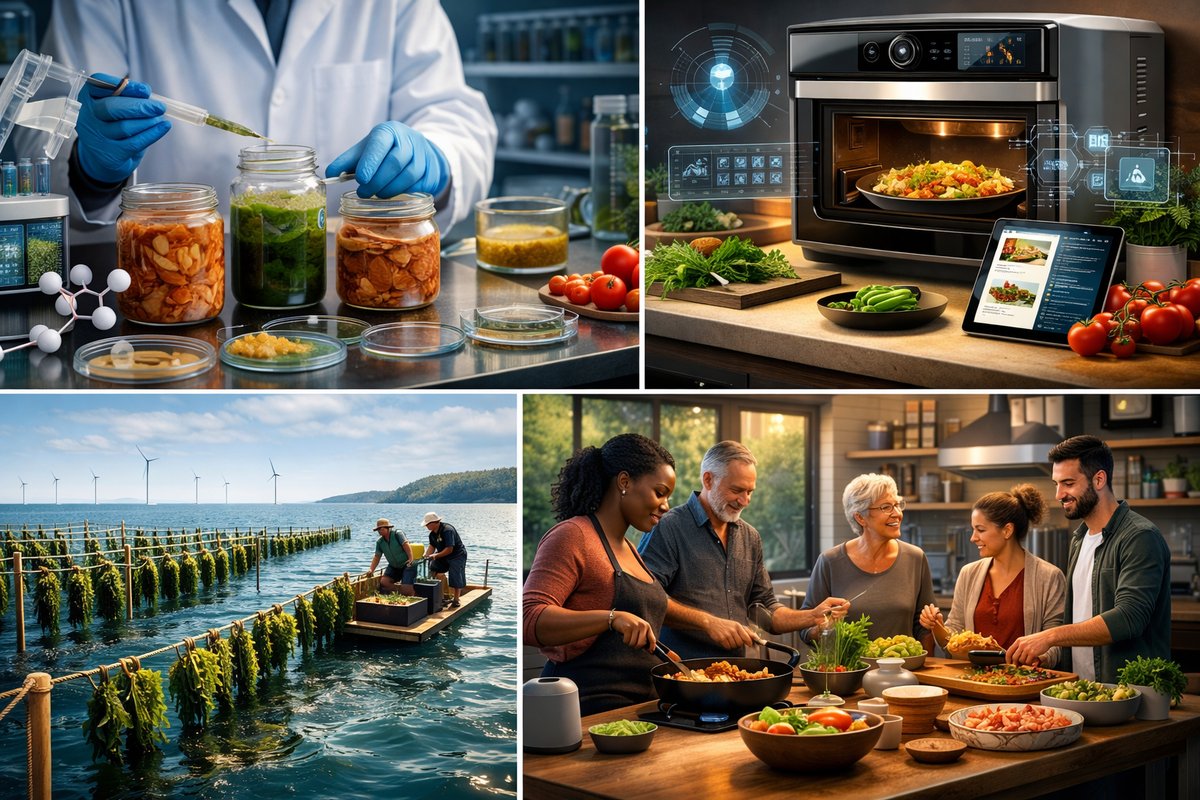
From lab-tweaked ferments to AI-guided cooking, new culinary frontiers are emerging in and beyond our home kitchens. Sustainable seaweed farms, communal cooking hubs and smart appliances are converging to reshape what-and how-we eat.
An unassuming countertop crock is helping redefine fermentation, while a portable induction hob brings a restaurant’s precision to cramped apartments. In living rooms and backyards, solar dehydrators and microalgae cultivators are cropping up alongside compost bins built for urban flats. Across the globe, tech innovators, small-scale farmers and adventurous home cooks are converging around one simple goal: creating food systems that taste better, waste less and bind communities closer together.
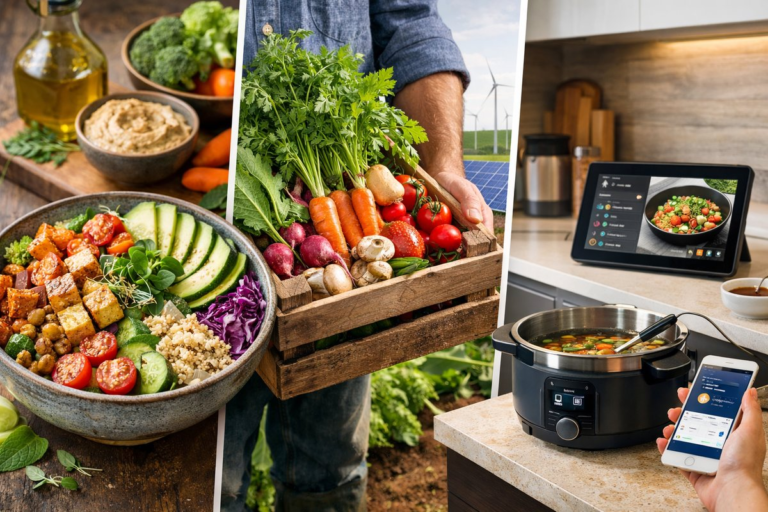
Early this year, a biodesign startup unveiled a handheld spectrometer that scans fresh produce and suggests optimal pairings based on nutrient profiles and flavor compounds. Within weeks, hobbyist chefs were using it to balance acidity in homemade kraut and calibrate the ideal salt-to-umami ratio in vegetable broths. It’s a glimpse of how artificial intelligence and sensing tech are migrating from industrial kitchens to the home, augmenting intuition with data and turning everyday cooking into a more informed craft.
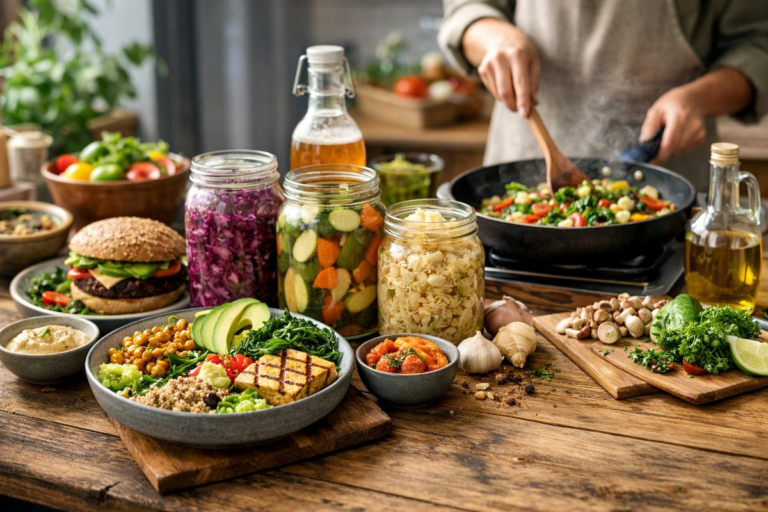
Meanwhile, the art of fermentation has experienced a renaissance. Small producers are collaborating with microbiologists to cultivate bespoke bacterial strains that yield sharper, fruitier and more stable ferments. A cooperative in northern Europe is sharing open-source microbial cultures for rapid-turn kimchi and probiotic pickles, while an app-connected crock lets users log pH changes and temperature in real time. What was once a weekend hobby has become a viable economic activity for side hustles and neighborhood pop-ups.
These innovations arrive as plant-based proteins continue to diversify. Beyond pea and soy, startup trials are exploring single-cell proteins grown on sustainable substrates-from waste sugar streams to algae biomass. Seaweed, in particular, has leapt from coastal coasts into everything from vegan bacon chips to aquafarming pilot sites that double as marine habitat restoration projects. The slippery ocean greens now anchor a growing array of pantry staples: dried noodle sheets, umami bouillon powders, even nutrient-dense snack puffs.
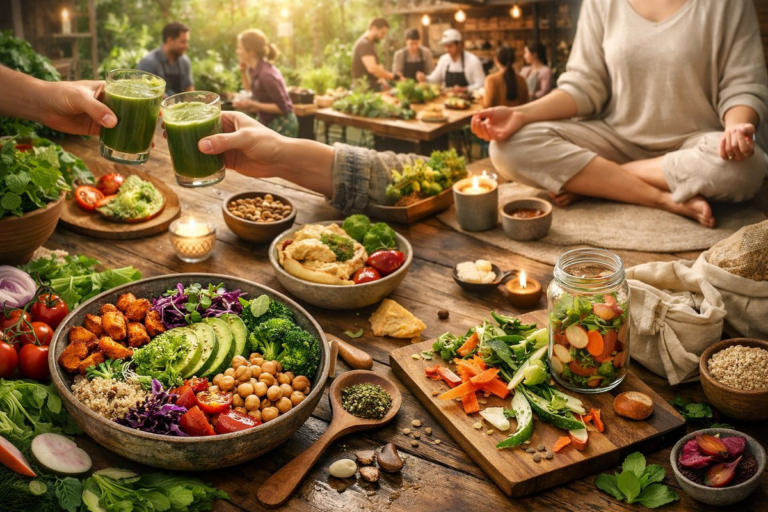
Community kitchens and co-cooking spaces are another sign of the times. In dense cities where apartment kitchens are too small for extended family meals, shared cooking facilities equipped with restaurant-grade gear let friends and neighbors host dinner parties together. Memberships often include access to cold storage, proofing cabinets and high-powered mixers, enabling larger-scale baking, canning and catering. Some co-op models even allocate kitchen credits for volunteers who donate time to teach or maintain the space, reinforcing a sense of reciprocity.
All these trends share a common thread: an imperative to reduce waste. In one Mediterranean village, women’s cooperatives are salvaging overripe olives and transforming them into sun-dried tapenades, while a startup in East Asia is fermenting fruit peels into concentrated vinegar boosters. At home, kompost bins with charcoal filters and self-closing lids are erasing kitchen odors, encouraging more households to capture scraps that once went straight to the trash. Countertop electric dehydrators turn veggie trimmings into crunchy garnish flakes, and blender-destemming attachments let carrot tops and kale stems get pulverized into soups and pestos.
Yet technology isn’t the only force at work. Rediscoveries of ancestral techniques-smoke kilns in highland communities, solar ovens in sun-belt regions, underground earth ovens-are weaving tradition into modern practice. Design-minded nonprofits have begun lending capital to rural collectives, enabling them to retrofit centuries-old clay ovens with heat-retaining bricks and chimneys. The result is a hybrid cuisine that bridges generational knowledge with efficiency improvements, giving small-scale producers fresh markets for niche breads, pastries and slow-smoked preserves.
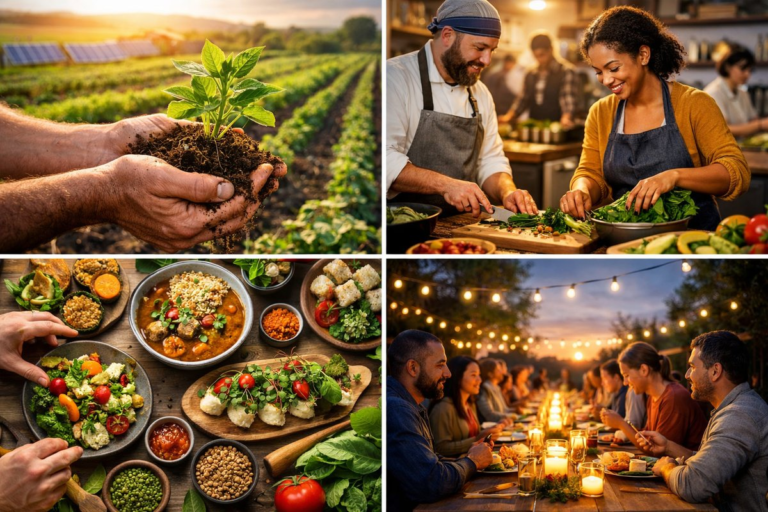
The news is unmistakable: cooking is becoming more sustainable, more community-oriented and more experimental. As tools migrate from pro kitchens to living rooms, they carry with them both a sense of possibility and a responsibility to nurture ingredients, people and planet. Whether you’re chasing the tang of an all-natural ferment, piloting an at-home seaweed tank or hosting a potluck at your local co-cooking lab, tomorrow’s kitchens promise a deeper connection between our plates and the forces that sustain them.
The next wave of culinary creativity will be measured not just in flavor, but in how much waste we prevent, how many skills we share and how many relationships we strengthen. And with affordable scanners, shared workspaces and open-source cultures spreading by the month, the tools for cooking a more responsible, more inspired future are now within reach for almost anyone willing to trade a recipe for an experiment.
Long after the latest dining craze fades, these shifts will endure-because food has always been more than fuel. It’s an expression of identity, an experiment in collaboration and, above all, an invitation to join a table much bigger than our own kitchens.
Ready to bring these trends home? Consider exploring tech-enabled fermentation sets, precision cooking gear and shared kitchen memberships that can help turn your next meal into a statement of taste, sustainability and community.
Bright flavors, shared sweat and mindful waste capture: the future of food is simmering right now, and everyone’s invited to pull up a chair.