Location
Mount Vernon, WA 98274

Location
Mount Vernon, WA 98274
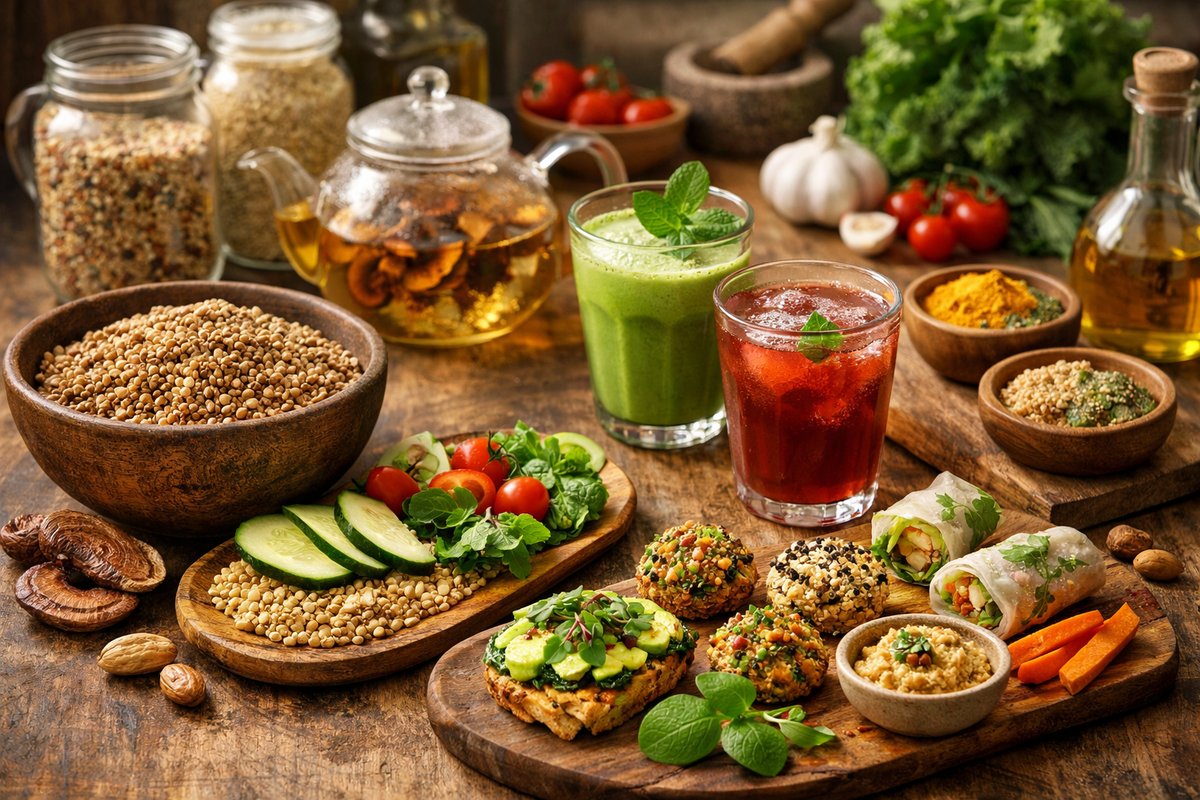
As home cooks and chefs seek fresh inspirations beyond ferments and fusion plates, a new wave of trends is reshaping kitchens-from the revival of ancient grains to the rise of adaptogenic beverages and snackable mini meals. These developments blend heritage, functionality, and sustainability, signaling a more mindful, adventurous approach to eating in the years ahead.
Across home countertops and professional kitchens alike, waves of innovation are steering culinary creativity toward new and unexpected frontiers. Move over zero-waste staples and hybrid cuisines: today’s biggest trends spotlight ancient grains, functional beverages, micro-spice techniques, and modular snacking designed for ever-changing lifestyles. Industry surveys show 62 percent of consumers are eager to experiment with ingredients that offer both cultural resonance and wellness benefits, and chefs around the world are answering the call.
One of the most notable shifts is the renaissance of ancient grains such as millet, fonio and sorghum. Long marginalized in Western markets, these hardy grains are making a comeback thanks to their impressive nutritional profiles and versatile textures. Millet porridge is reimagined with cardamom-infused coconut milk; sorghum risotto embraces autumnal mushrooms; fonio tabbouleh swaps bulgur for a lighter, protein-packed base. Local farmers’ markets report a 45 percent year-over-year increase in demand for these pulses. Small-batch producers are now milling multi-grain blends and launching culturally inspired cooking kits that guide home cooks through heirloom recipes once passed down for generations.
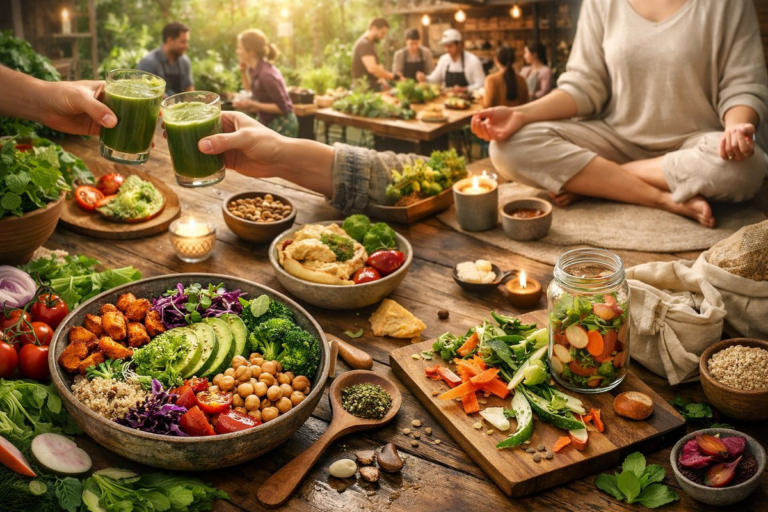
Parallel to the ancient grains revival, an entirely new category of beverages is dissolving the line between drink and remedy. Adaptogenic tonics, mushroom-infused coffees and botanical kombuchas are no longer niche items reserved for health spas. Instead, they’re lining grocery-store shelves and café menus, promising everything from stress relief to immune support. A recent culinary institute study found that 68 percent of adults have tried at least one functional beverage in the past year, citing better digestion, clearer focus and a midday energy boost. Cafés are rolling out chilled adaptogen bars complete with ritual tools-mini mortar and pestle sets-to grind fresh herbs tableside, blending science and ceremony in each cup.
Inside professional test kitchens, spice experts are perfecting micro-dusting techniques to boost flavor without overwhelming the palate. Fine grind turmeric, smoked sumac or charred cumin powders are applied sparingly, almost as if seasoning were an art form rather than a routine. This precision not only enhances depth but also reduces waste, since smaller quantities go a long way. Home cooks are getting in on the action too, investing in compact spice grinders that can pulverize small batches on demand. The result? A new level of customization where every dish can be tailored to taste, mood or even time of day.
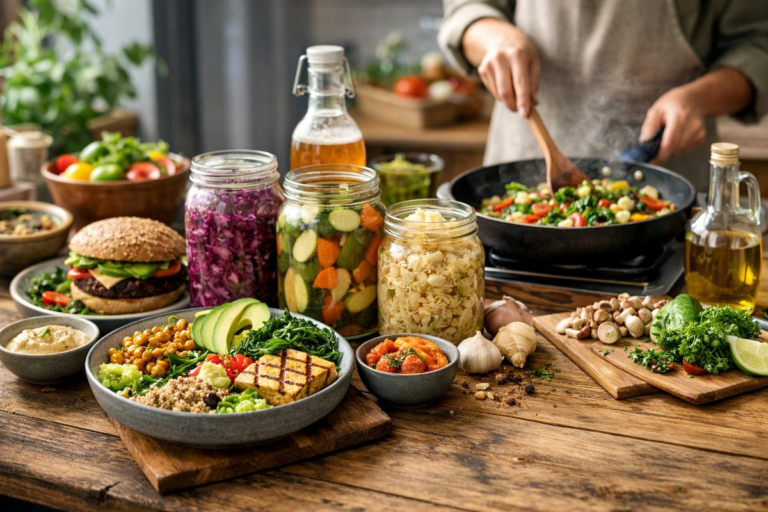
Meanwhile, the concept of “snackable dinners” has emerged to address modern eating patterns. As schedules fragment between work calls, evening workouts and family time, large plated meals feel less practical. Enter modular snack boxes-curated arrays of bite-sized proteins, grains, pickles and spreads designed to be mixed and matched. One box might feature seared tofu cubes, a millet salad wedge, micro-greens and a side of fermented carrots. Another combines grilled chicken skewers, sorghum chips and a citrus-spice dip. These portable meals cater to grazing habits, satisfying hunger in controllable portions and reducing food fatigue.
In parallel, edible packaging is gaining traction as companies seek alternatives to single-use plastics. Seaweed-based wrappers and rice paper pouches are now used to encase snacks, prepped sauces and even utensils in biodegradable shells. Some pastry chefs have begun serving petit fours in transparent gelatine-free casings, blurring the boundary between container and content. Though still in early stages, these innovations point toward a future where the packaging itself becomes part of the culinary experience-and disappears without a trace after the last bite.
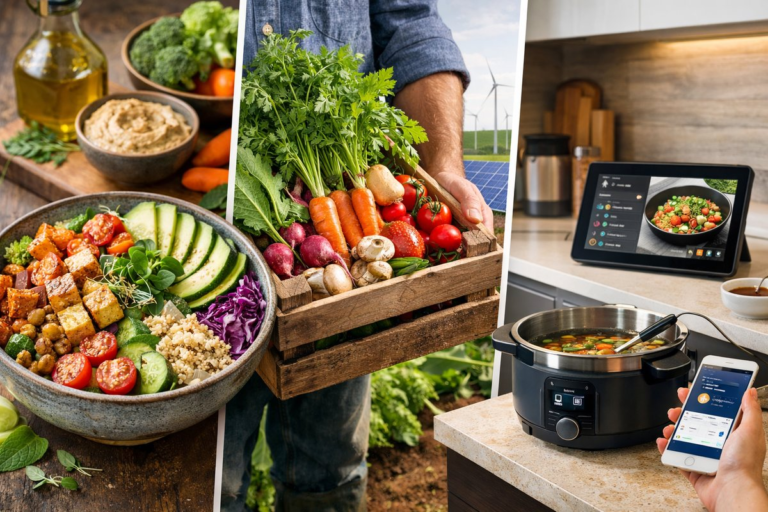
No exploration of emerging trends would be complete without acknowledging the tech revolution at home. Countertop smokers that can cold-smoke cheese, portable immersion circulators for sous-vide wires into recipe apps, and multifunction ovens with built-in air-fry modes are transforming how dishes are prepared. Integrated smart scales sync with meal-planning platforms to auto-adjust ingredient quantities, while voice assistants can fetch step-by-step instructions mid-cook. Although tech-driven kitchens have been on the rise for years, the emphasis today is less on bells and whistles and more on seamless integration-tools that feel like an extension of a cook’s intuition rather than a novelty to be mastered.
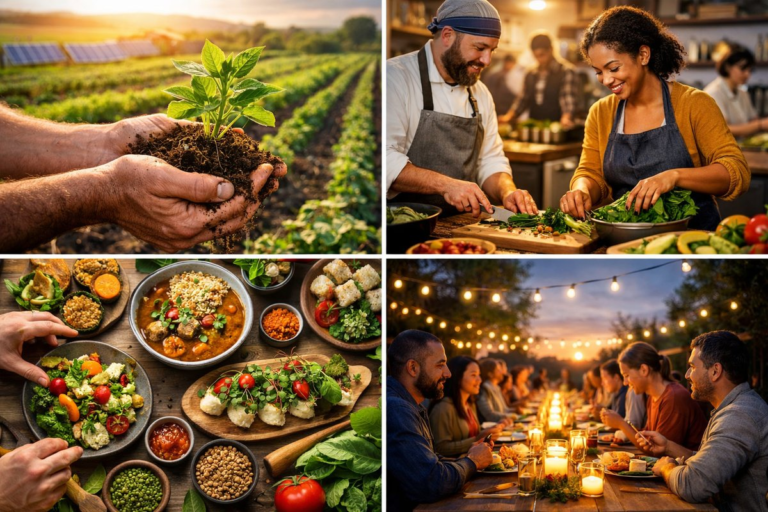
As innovation blends with tradition, an underlying theme emerges: mindful experimentation. Whether working with grains first cultivated in ancient Africa, sipping a mushroom-lavender elixir, or dusting each plate with a whisper of spice, the goal is to engage all senses while honoring stories behind every ingredient. Chefs and home cooks are both embracing the chance to learn from global cuisines-drawing inspiration from African, Central American and Southeast Asian flavor profiles-and making them relevant in their own kitchens.
Looking ahead, experts predict further convergence between food, wellness and eco-responsibility. Expect to see more botanically driven desserts that combine adaptogens with natural sweeteners, indoor vertical farms supplying microgreens by the case, and collaborative pop-up kitchens that spotlight local harvests in real time. As cooking continues to evolve, one thing is certain: the future of food will be defined by the choices we make at every step, from seed selection to the final sprinkle of smoke or spice. In this era of culinary curiosity, the simplest grain and the tiniest herb hold as much potential as any cutting-edge gadget, inviting a more connected, conscious way to nourish ourselves and our communities.