Location
Mount Vernon, WA 98274

Location
Mount Vernon, WA 98274
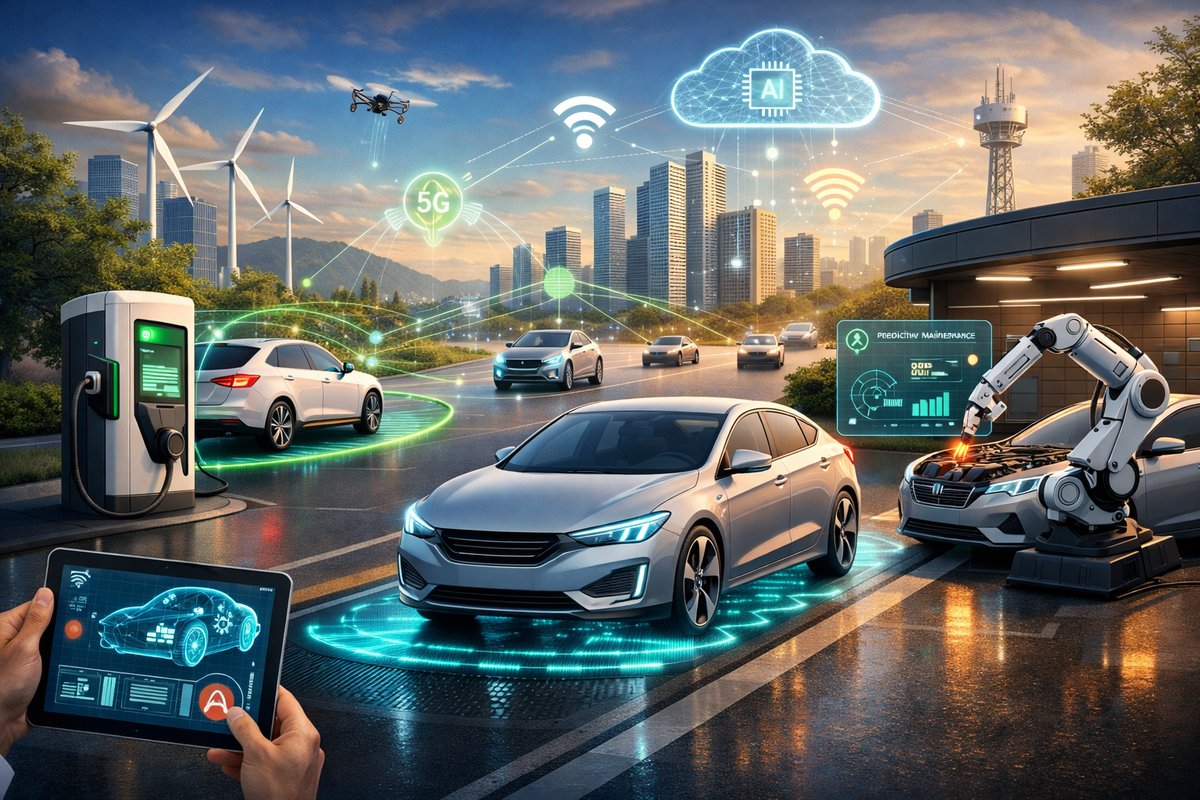
Emerging vehicle-to-everything networks and AI-driven systems are transforming how we travel, charge, and maintain our cars. From wireless charging lanes to predictive maintenance platforms, the automotive landscape is shifting toward a smarter, more sustainable future.
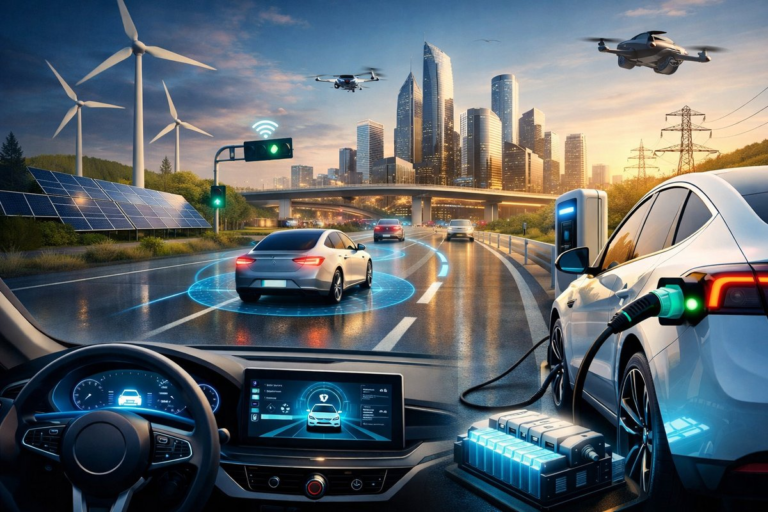
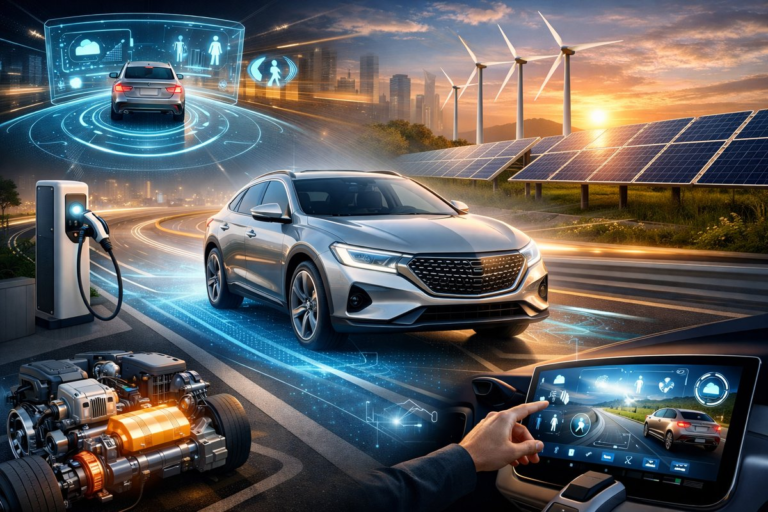
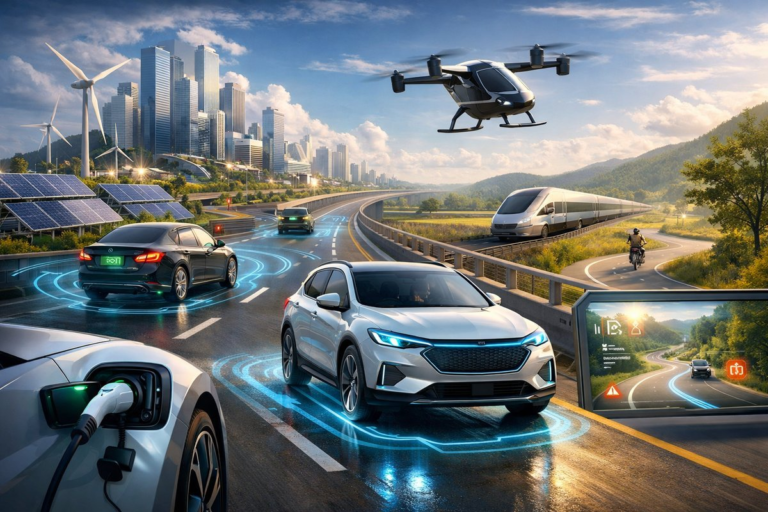
Automotive technology is undergoing a profound shift. What once centered on sheer horsepower and mechanical precision now integrates layers of data, connectivity, and artificial intelligence. Behind the wheel, drivers are beginning to feel the first tremors of a road network that constantly learns and communicates-cars speaking to roadside sensors, charging stations fine-tuning their output in real time, and fleets anticipating maintenance needs before breakdowns occur. This convergence of vehicle-to-everything communication (V2X), advanced charging solutions, predictive analytics, and sustainable materials is poised to reshape mobility from the ground up.
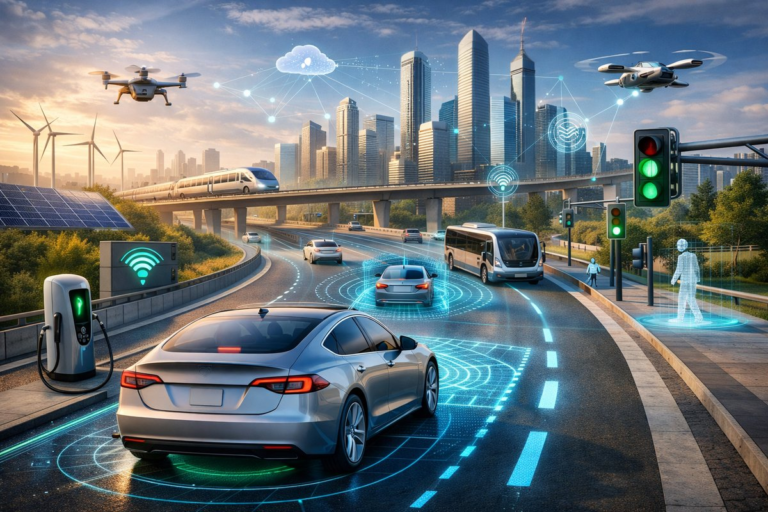
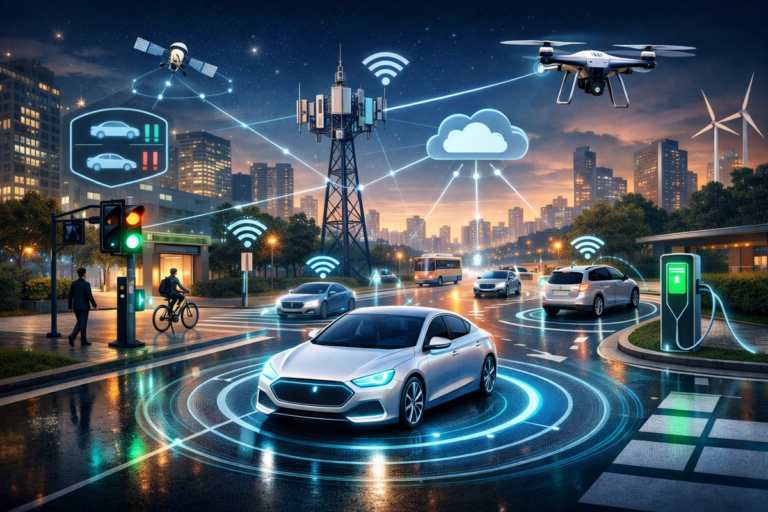
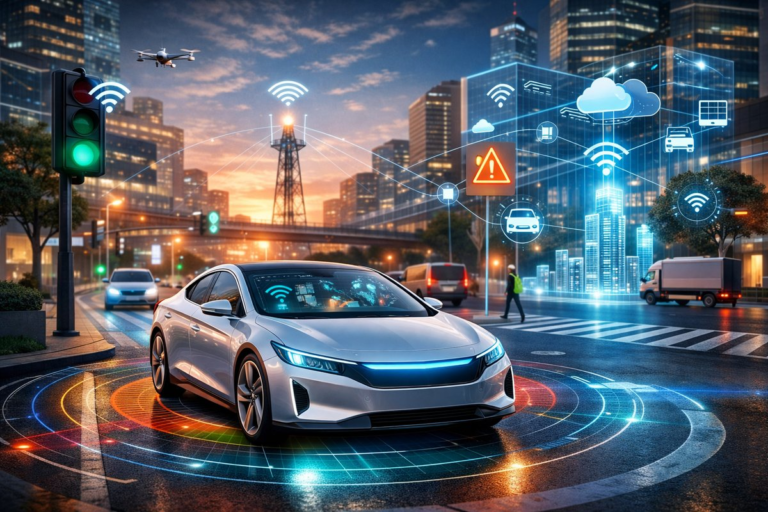
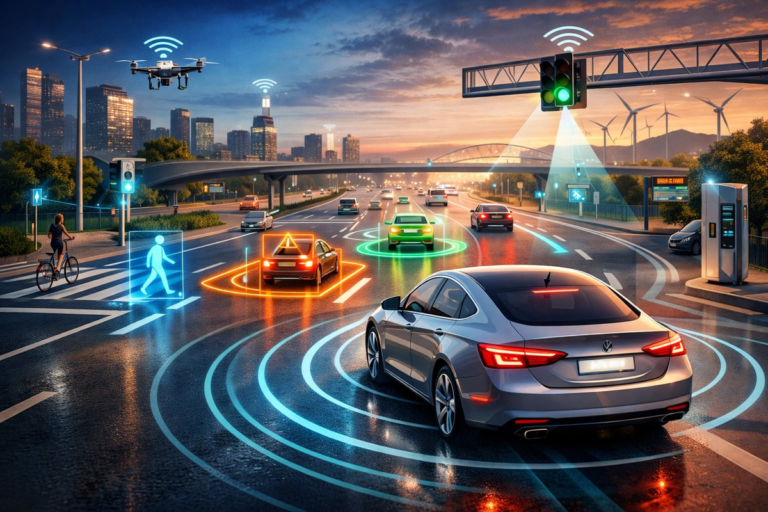
City planners and technology companies alike have launched pilot programs that bring this vision into sharp relief. In one urban district, a set of intersections equipped with low-power 5G antenna modules and roadside LiDAR sensors monitors approaching vehicles and cyclists, dynamically adjusting traffic signals to prevent collisions and reduce idle time. Simultaneously, electric delivery vans receive updates on optimal stop sequences and battery health via over-the-air firmware downloads. A fleet manager on the far side of town watches dashboards that light up red when a battery cell drops below a critical threshold, triggering alerts for scheduled inspection. The same principles are already migrating to personal vehicles, giving drivers access to a network that can detect potholes and uneven pavement, reroute traffic around road hazards, or even tell them when tire pressure drifts below safe levels.
The “blind spot” of traditional road networks has always been the static nature of infrastructure. Traffic lights run on fixed timers, charging stations offer a uniform current regardless of grid demand, and cars follow the same maintenance schedules whether they’ve endured a harsh winter or a summer of leisure cruises. In modern pilots, though, roadside cabinets packed with cellular modems and edge-computing nodes analyze vehicle speed, direction, and type. Emergency vehicles broadcast their approach to these nodes, which clear intersections in milliseconds. Autonomous shuttles use the same ecosystem to negotiate lane merges and pedestrian-filled plazas. These tiny, distributed data centers also tap into weather forecasts, automatically rerouting traffic ahead of sudden storms or heat waves that strain pavement integrity.
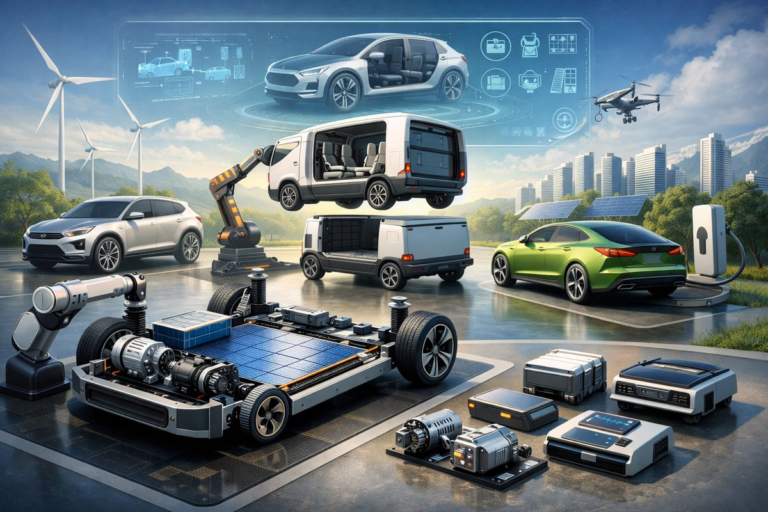
Charging is another frontier undergoing rapid transformation. Gone are the days of long lines at static fast-charging stations. Dynamic wireless charging lanes embedded beneath asphalt can add a trickle of power to compatible vehicles as they cruise highway stretches. Alongside them, portable EV charger stations mounted on electric vans can be dispatched to pop-up locations at major events, reducing grid bottlenecks by bringing charging capacity right to the drivers. Solar-powered canopy systems installed above municipal parking lots can harvest daylight to feed adjacent charging bays, smoothing the renewable input curve. On the user end, smartphone apps guide drivers to available plugs, estimate wait times down to the minute, and even reserve slots using secure digital tokens. When a car pulls in, it automatically negotiates a power handshake with the station’s onboard management system, ensuring the highest possible charging rate without straining local transformers.
Parallel to these hardware innovations, software is taking center stage. Predictive maintenance platforms apply machine-learning models to signals collected from onboard sensors-wheel speed modules, battery cell voltage readers, brake-fluid level detectors, and more. Rather than replacing parts on a fixed schedule, mechanics and technicians receive alerts when the probability of a component failure crosses a defined threshold. A driver’s smartphone warns of low coolant temperature that might signal an impending radiator leak; fleet managers track component histories across dozens of vehicles to plan service workshops efficiently. Digital twin simulations-virtual replicas of entire vehicles-run in the cloud, stress-testing systems under extreme conditions without risking real cars. This approach not only cuts downtime but feeds continuous improvement loops, informing next-generation design with real-world usage patterns.
Connectivity is the glue that binds these advances. Inside the cabin, built-in modems and in-car WiFi hot spots turn vehicles into mobile command centers. Passengers stream routes to augmented-reality head-up displays that overlay turn-by-turn directions on actual road images. Voice-activated assistants field questions about nearby charging hubs, local traffic incidents, or optimal energy-saving driving modes. Once trivial functions-like monitoring tire pressure-are elevated to full-blown digital services. Tire-pressure monitoring sensor kits now push live updates to dashboards, recommending a nearby service bay if readings drift too far from the ideal. And while such features boost safety, they also open new doors for subscription-based software, enabling owners to access premium services on demand.
Even design and materials are evolving in this data-driven era. Engineers are experimenting with bio-derived composites that weigh less than traditional plastics while offering superior impact resistance. Interior foams made from algae-based polymers reduce reliance on petroleum and can be recycled back into building insulation at a vehicle’s end of life. 3D-printing techniques allow rapid prototyping of complex brackets and airflow ducts, cutting tooling costs and enabling localized manufacturing. Digital catalogs of parts-complete with scanned geometry and material properties-are shared across design teams to accelerate innovation. When a new weather-sealing gasket is needed, a technician can download the CAD file, print a prototype, and test fit it in hours rather than waiting weeks for tooling to arrive.
None of these breakthroughs come without hurdles. Standardizing communication protocols among dozens of automakers, telecom providers, and infrastructure operators remains a massive task. Ensuring cybersecurity at every junction-from roadside cabinets to vehicle control units-demands relentless vigilance. The upfront costs of installing wireless charging lanes or edge-computing nodes can appear daunting to cash-strapped municipalities. And without well-defined regulations on data ownership, privacy advocates warn of potential misuse when cars broadcast fine-grained location and usage data.
Yet even with these challenges, the momentum behind a smarter road network is impossible to ignore. Manufacturers have committed billions in research and development to scale both hardware and software solutions. Utilities are evolving rate structures to support dynamic electricity pricing, rewarding drivers who charge in low-demand windows. Public-private partnerships are seeding pilot projects in tens of cities, from major hubs to midsize towns. Meanwhile, vehicle owners already enjoy the benefits: fewer roadside breakdowns, shorter charging waits, reduced energy bills, and a driving experience that feels more like a personalized service than a static machine.
Looking forward, the road ahead will demand collaboration. Governments, industry consortia, and local communities must align around open standards, security frameworks, and equitable access models. Automakers and tech firms will continue to iterate on in-vehicle networks, cloud platforms, and advanced sensors. Infrastructure agencies must balance traditional pavement repairs with the installation of smart charging lanes and sensor arrays. Ultimately, success will be measured not just by metrics like reduced congestion or lower emissions, but by the confidence of a new generation of drivers who trust that the road beneath their wheels is as intelligent and adaptable as the vehicles they pilot.
In this unfolding landscape, each journey becomes part of a vast, interconnected tapestry. Cars, roads, and data centers converge to form a living network that learns from every corner of the map. As automotive technology accelerates beyond the dashboard, we are entering a future where our trips are safer, our energy cleaner, and our mobility richer in insights. The wheel itself remains a timeless symbol-but now it spins at the center of a digital revolution.