Location
Mount Vernon, WA 98274

Location
Mount Vernon, WA 98274
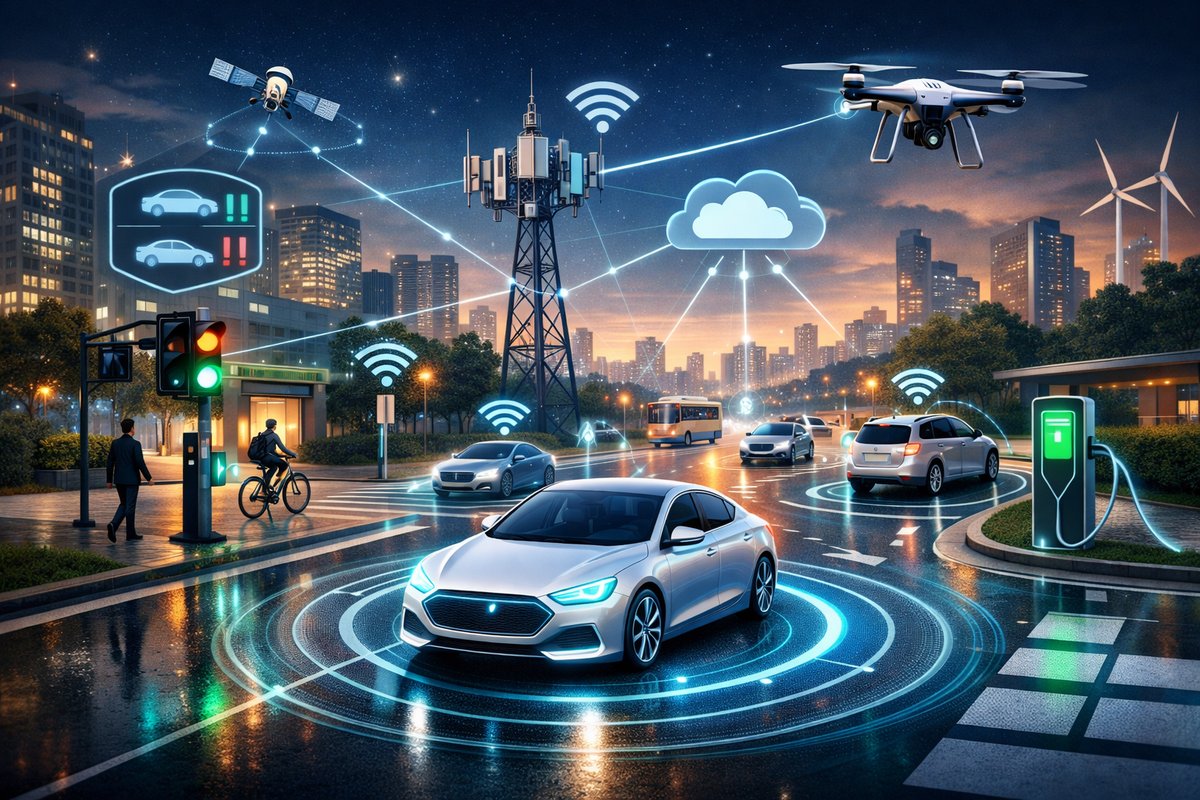
Vehicle-to-Everything (V2X) communication is rapidly evolving as a cornerstone technology in modern transportation, promising safer roads, smarter traffic management, and enhanced driver experiences. This article explores how V2X integrates with emerging automotive technologies to create a more connected, efficient, and sustainable mobility landscape.
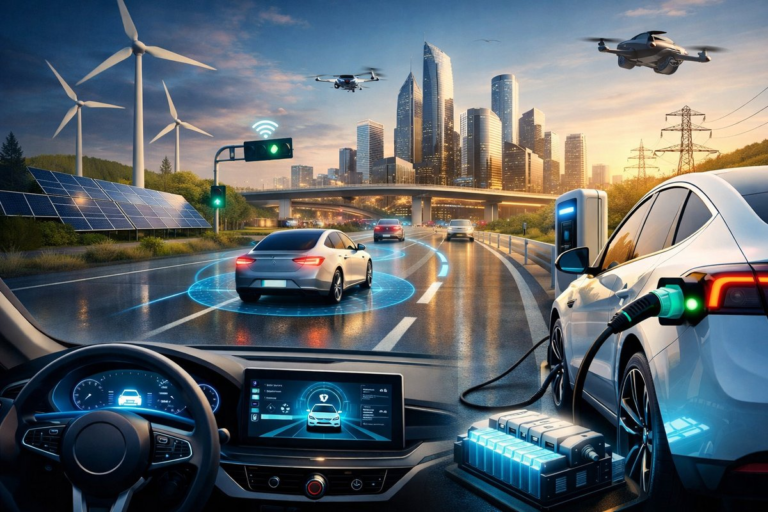
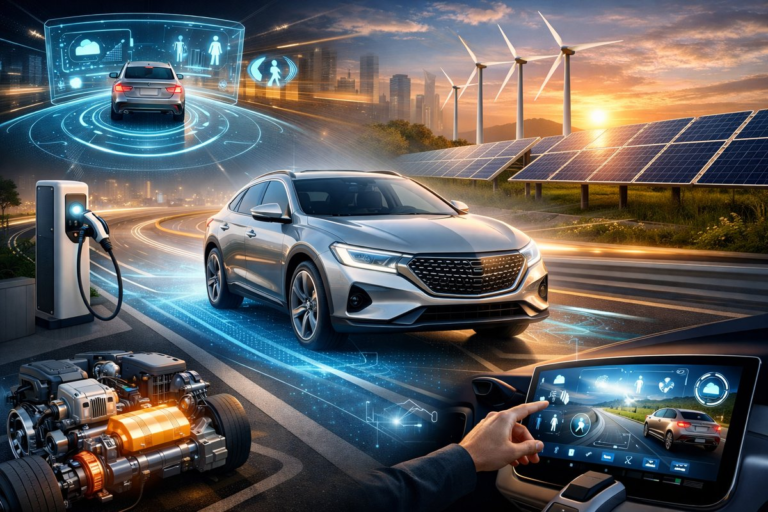
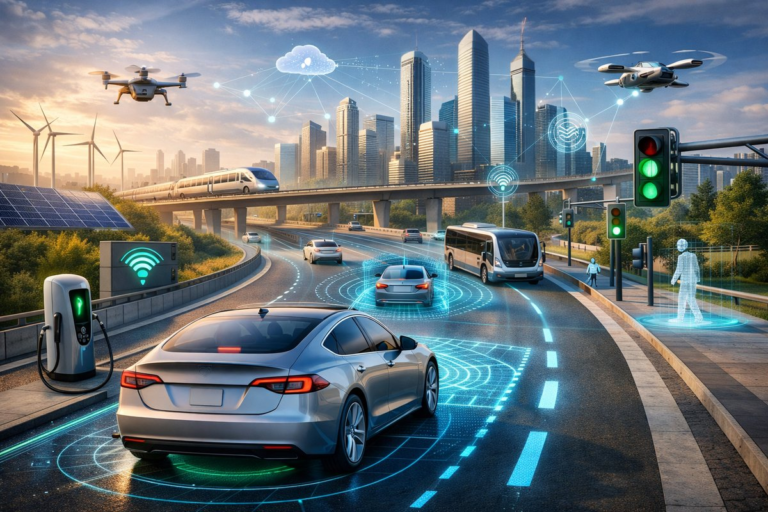
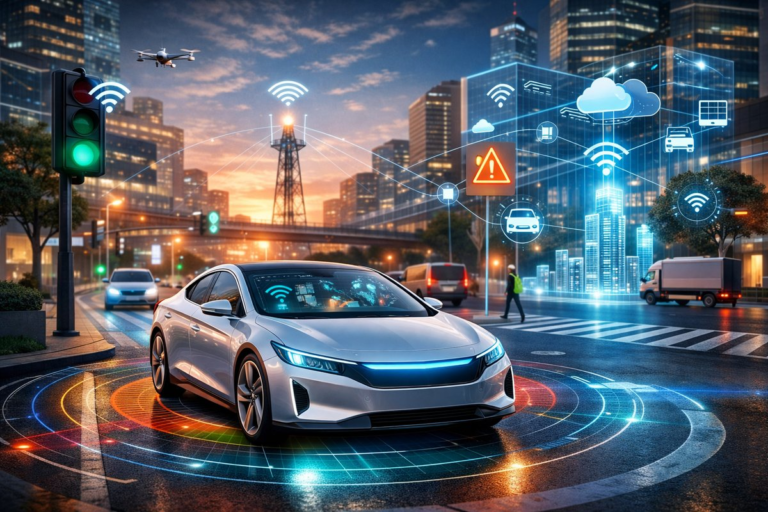
As the automotive world accelerates toward a future defined by connectivity and autonomy, one technology stands out for its potential to revolutionize how vehicles interact with their environment: Vehicle-to-Everything communication, commonly known as V2X. This technology encompasses a suite of communication protocols that enable vehicles to exchange information with other vehicles (V2V), infrastructure (V2I), pedestrians (V2P), and networks (V2N). The result is a dynamic, real-time data exchange ecosystem that enhances safety, optimizes traffic flow, and lays the groundwork for autonomous driving.
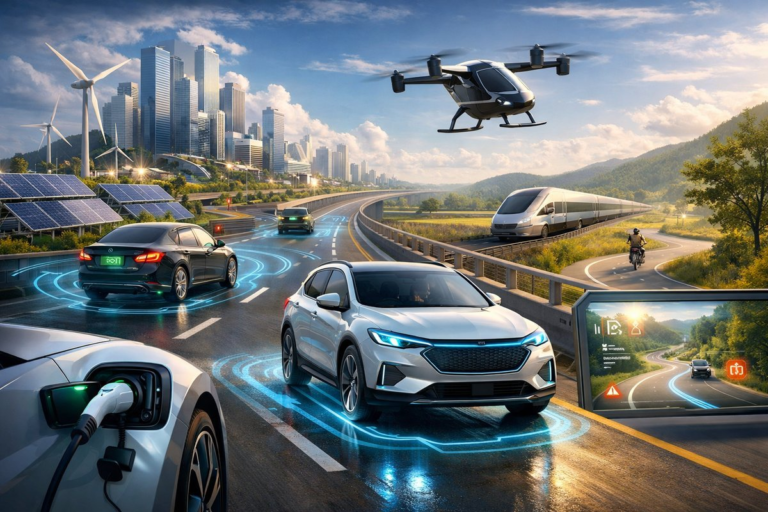
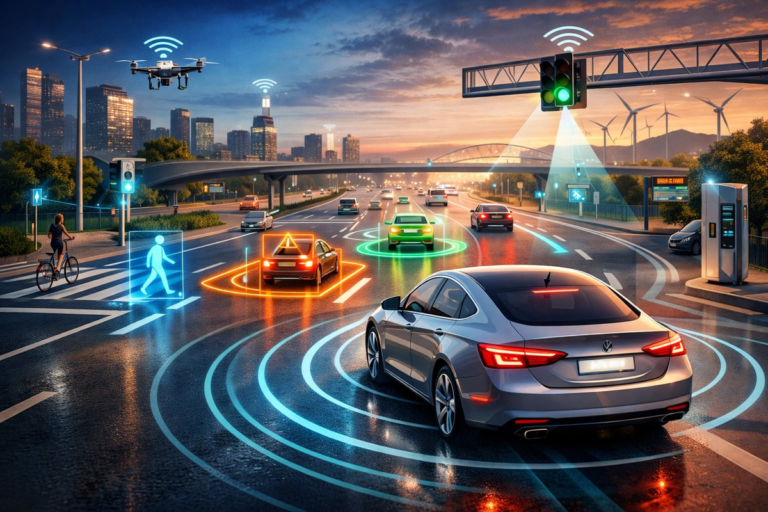
At its core, V2X aims to transform vehicles from isolated machines into integrated nodes within a larger transportation network. By sharing information about speed, location, road conditions, and hazards, vehicles can anticipate and respond to potential dangers before they become emergencies. For example, if a car several vehicles ahead suddenly brakes hard, V2V communication can alert following drivers and autonomous systems to slow down preemptively, reducing the risk of collisions. Similarly, V2I interactions enable traffic signals to communicate their status and timing to approaching vehicles, allowing for smoother acceleration and deceleration, which not only improves traffic flow but also reduces fuel consumption and emissions.
Recent pilot programs and deployments across cities worldwide have demonstrated the tangible benefits of V2X technology. In urban centers, connected intersections equipped with V2I infrastructure have reduced wait times and congestion by dynamically adjusting signal timing based on real-time traffic data. In highway settings, V2V communication has enhanced cooperative adaptive cruise control systems, allowing platoons of vehicles to travel closely and safely, improving road capacity and fuel efficiency.
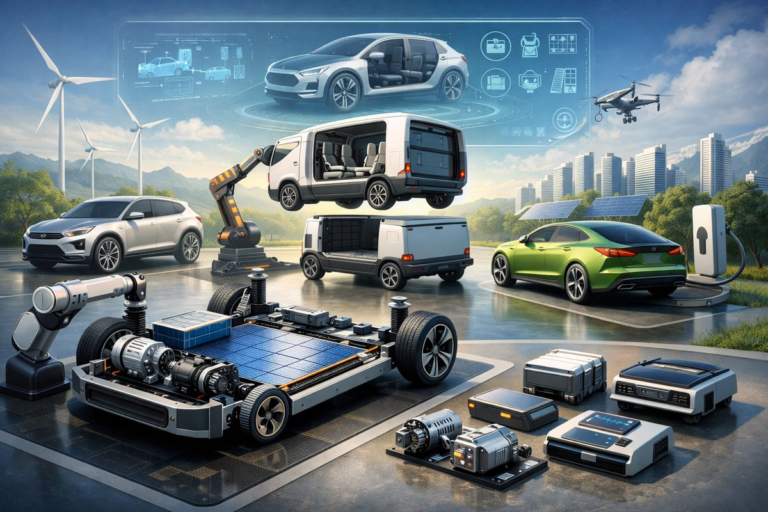
Beyond safety and efficiency, V2X also plays a pivotal role in supporting the rise of electric vehicles (EVs) and sustainable transportation. By communicating with charging stations and grid operators (V2G, or Vehicle-to-Grid), EVs can optimize charging schedules to take advantage of renewable energy availability and grid demand, reducing strain on the electrical grid and lowering carbon footprints. This integration supports a smarter, greener transportation ecosystem that aligns with global sustainability goals.
However, the widespread adoption of V2X faces several challenges. The technology requires robust and standardized communication protocols to ensure interoperability across manufacturers and regions. Security and privacy are paramount concerns, as the exchange of sensitive data must be protected against cyberattacks and unauthorized access. Additionally, the deployment of V2I infrastructure demands significant investment and coordination among public agencies, private companies, and communities.
To address these challenges, industry consortia, governments, and research institutions are collaborating to develop open standards and pilot projects that test V2X applications in real-world conditions. Advances in 5G and dedicated short-range communications (DSRC) technologies are enhancing the reliability and latency of V2X networks, making them more viable for safety-critical applications. Furthermore, privacy-preserving technologies and cybersecurity frameworks are being integrated to safeguard user data and system integrity.
From a driver’s perspective, V2X-enabled vehicles promise a smoother, more informed journey. Real-time alerts about road hazards, traffic jams, or emergency vehicles approaching can improve situational awareness and reduce stress. For autonomous vehicles, V2X is a critical enabler that complements onboard sensors by providing a broader context beyond line-of-sight, facilitating safer and more efficient navigation.
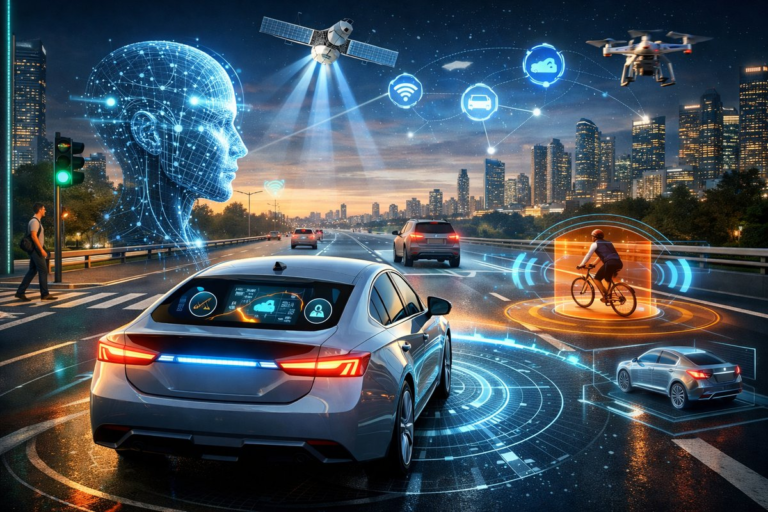
Looking ahead, the convergence of V2X with other emerging automotive technologies-such as artificial intelligence, edge computing, and advanced sensor suites-will unlock new possibilities. Vehicles could not only react to their environment but also predict and adapt to changing conditions, orchestrating traffic at a city-wide scale and integrating seamlessly with multimodal transportation systems including public transit, bikes, and pedestrians.
This evolution holds promise not only for individual drivers but also for society at large. Reduced accidents, lower emissions, and optimized infrastructure use contribute to healthier, more livable urban environments. Moreover, the data generated by V2X networks can inform urban planning and policy decisions, fostering smarter cities that prioritize safety, accessibility, and sustainability.
In conclusion, Vehicle-to-Everything communication is more than a technological upgrade-it represents a paradigm shift in how we conceive mobility. By weaving vehicles into a connected fabric of information and interaction, V2X paves the way for a transportation future that is safer, smarter, and more sustainable. As this technology matures and scales, it invites us all to imagine roads not just as routes from point A to B, but as dynamic ecosystems where motion, memory, and meaning converge.