Location
Mount Vernon, WA 98274

Location
Mount Vernon, WA 98274

Chefs, home cooks, and entrepreneurs are converging on a new gastronomic frontier where plant-based seafood, AI-curated menus, ancient grains, and zero-waste kitchens shape the future of food. This report explores how technology and tradition are colliding in surprising ways-and what tools you'll need to join the revolution in your own kitchen.
The culinary world is in the midst of a multifaceted transformation. In restaurants from coastal metropolises to inland towns, diners are ordering fish-free sushi alongside steaks carved at robotic stations. Meanwhile, home kitchen counters have become testing grounds for sourdough, fermenting crockeries, and precision gadgets once reserved for professional chefs. This wave of innovation is propelled by a convergence of pressing concerns-climate impact, supply-chain volatility, health consciousness-and by a spirit of creativity that borrows equally from cutting-edge laboratories and ancestral foodways.
A centerpiece of this shift is the rise of plant-based seafood. Once confined to tofu fish sticks and crude veggie patties, meat analogues have grown more sophisticated. Textured pea proteins, algae extracts, and legume-based collagen substitutes now mimic the briny bite of oysters and the silky flake of cod. At a recent food expo in San Francisco, a startup unveiled a line of vegan scallops crafted from seaweed concentrate and konjac root. Chefs who tasted them noted a convincing “ocean breeze” aftertaste, with none of the mushiness that plagued earlier experiments.
Behind these breakthroughs are high-throughput bioreactors and microextraction techniques borrowed from pharmaceutical labs. Food scientists are isolating pure amino acids and lipid compounds that deliver the umami punch and fatty mouthfeel we associate with seafood. The next frontier? Sustainable fishing without nets or trawlers-just vats of nutrient broth nurturing algae strains that double as protein sources. Some entrepreneurs predict that within a decade, algae farms could rival global aquaculture yields, offering a blueprint for low-carbon meals.
Yet innovation isn’t only arriving in petri dishes. It’s also emerging from heirloom seeds and stone mills. Ancient grains-emmer, spelt, freekeh, teff-have moved from niche health-food stores to mainstream bakeries. Consumers searching for fiber-rich, nutrient-packed bread are discovering the nutty complexity of heritage wheat and the iron-rich crunch of sorghum. Rural cooperatives in the U.S. and Europe are reviving local grain varieties once overshadowed by high-yield monocultures. Small-batch mills grind these kernels into flour, preserving flavors that mass production often strips away.
In Brooklyn and Berlin, micro-milling shops offer “milling on demand”: customers bring in their grain, watch it whirl between stainless-steel stones, and leave with flour warm to the touch. The experience is part workshop, part communal ritual-a step back toward intimate relationships with food sources. Even in large cities, farmers’ markets now feature grain share programs, where participants receive a monthly allotment of whole kernels and recipes tailored to seasonal harvests.
Parallel to these earthy movements, virtual chefs powered by artificial intelligence are making headlines. Recipe-generation platforms can analyze dietary restrictions, regional availability, and flavor profiles to propose fully optimized menus. Enter a few parameters-gluten-free, high-protein, free of palm oil-and the system spits out ingredient lists, step-by-step instructions, and even wine-pairing suggestions. Early adopters include busy parents juggling work-from-home schedules, as well as small catering startups aiming to differentiate themselves.
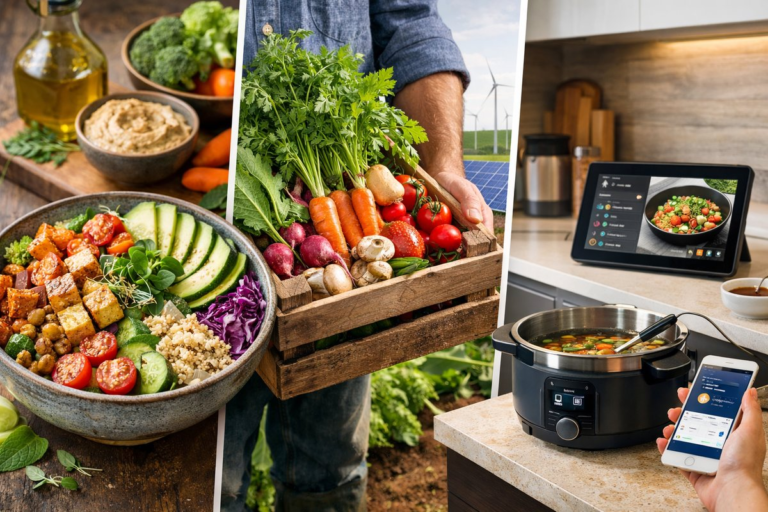
Some hospitality groups are integrating AI into back-of-house operations. Predictive modeling forecasts ingredient usage, cutting waste and trimming inventory costs by up to 20 percent, according to data from a leading kitchen software developer. Smart thermostats and connected ovens adjust cooking times in real time, compensating for humidity or batch size. These systems free chefs from routine tasks and let them focus on creative experiments-like molecular gelées made from fruit reduction or citrus-infused foams that crown a deconstructed ceviche.
Even for those who skirt high tech, the zero-waste movement has sprouted practical tools and strategies. Community fridges and neighborhood swap shelves are piping up in urban districts: travelers can drop off excess produce, home bakers can share leftover sourdough discard, and foragers can swap foraged mushrooms. Digital platforms map surplus from farmers’ fields, connecting it with food banks or juice bars in need of blemished apples.
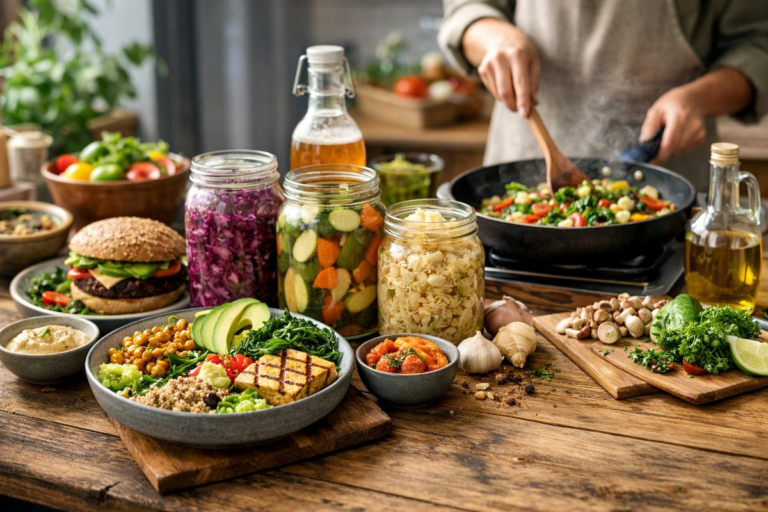
At home, eco-conscious cooks are outfitting line up compost bins alongside fermentation crocks, choosing silicone food wraps instead of single-use plastic, and experimenting with upcycled pantry staples-think beet greens pesto or cauliflower-stem hummus. A fresh generation of cookbooks highlights root-to-stem cooking and inventive pickling techniques that turn carrot tops into relish and watermelon rinds into candy.
The pandemic era accelerated many of these patterns. With restaurants shuttered and supply chains in flux, amateur chefs rediscovered flour sacks and sourdough starters, while innovators retooled hand sanitizer pumps into chili-oil dispensers. Virtual supper clubs flourished on livestream platforms, where hosts guided participants through multi-course menus and collective toasts. These digital gatherings persist, offering a hybrid of old rituals repackaged for a post-lockdown world.
What does all this mean for food lovers and home cooks? It signals an era where boundaries blur between tradition and technology, local and global, laboratory and field. To navigate these trends, kitchen counters will need to host a diverse arsenal: a precision scale for micro measurements, a fermenting crock for kimchi and kvass, a high-speed blender for nut milk and freekeh porridge, and perhaps an entry-level molecular gastronomy kit for foams and spherification.
For professional chefs, the mandate is clear: adapt or be left behind. Many fine-dining establishments are adding plant-based seafood to tasting menus, not as concession to vegans but as proof of concept. Future diners will expect more than kale chips and soy burgers-they’ll seek immersive experiences that blend artful plating with scientific wizardry. Restaurants that once scoffed at zero-waste now showcase root-and-stem menus, and those that derided AI assistants now view them as collaborators.
Beyond the kitchen, these developments touch agriculture, distribution, and public policy. Regenerative farming practices could become prerequisites for ingredient suppliers. Governments may incentivize algae cultivation or tax high-carbon imports. Educational institutions are revamping culinary curriculums to include digital literacy alongside knife skills.
As culinary frontiers expand, one constant endures: the social and emotional core of shared meals. Whether gathering around a lab-grown oyster platter or tearing into a loaf of just-milled spelt bread, people seek connection. The next wave of food innovation-be it in cellular protein or ancient grits-must honor that impulse. After all, the most advanced kitchen gadget or the most sophisticated algorithm still serves a primal act: feeding the body and nourishing the spirit.
In the coming years, expect to see neighborhood fermentation labs advertising kombucha subscriptions, pop-up supper clubs themed around digital recipes, and artisanal grain cooperatives crowdfunding their next stone mill. The challenge will be balancing speed and scale with craftsmanship and cultural heritage. Those who succeed will build ecosystems where science, sustainability, and spontaneity coexist, and where every meal is an invitation to explore new flavors, techniques, and stories.