Location
Mount Vernon, WA 98274

Location
Mount Vernon, WA 98274
A wave of new tastes and tools is reshaping kitchens around the world. From homemade ferments to plant-based seafood and immersive digital cooking experiences, culinary innovators are blending tradition and technology to create flavors that nourish both body and planet.
A quiet revolution is unfolding in kitchens from cozy urban apartments to high-end culinary workshops. Across continents, home cooks and professional chefs alike are embracing a new paradigm: combining age-old traditions with cutting-edge innovations to craft dishes that satisfy ethical, environmental, and sensory appetites. What began as isolated experiments in basement fermenters or research labs is now spilling into farmers’ markets, street-food festivals, and online cooking platforms. This article surveys the latest currents shaping our taste buds and explores how community, sustainability, and technology are stirring a fresh chapter in gastronomy.
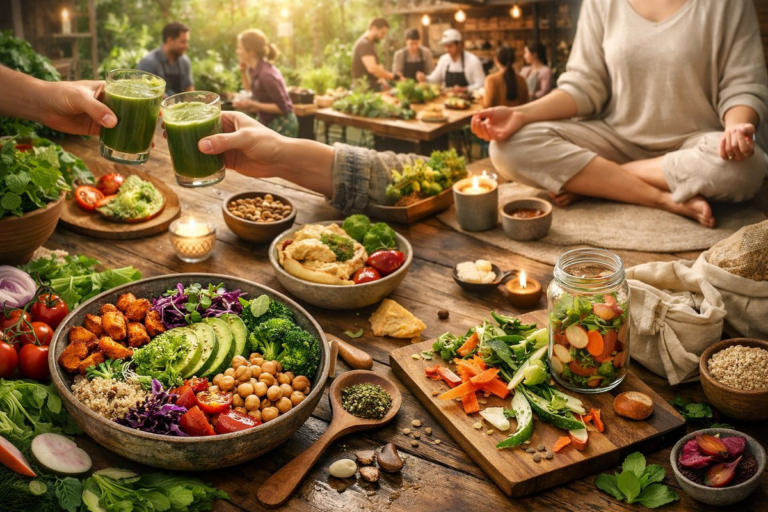
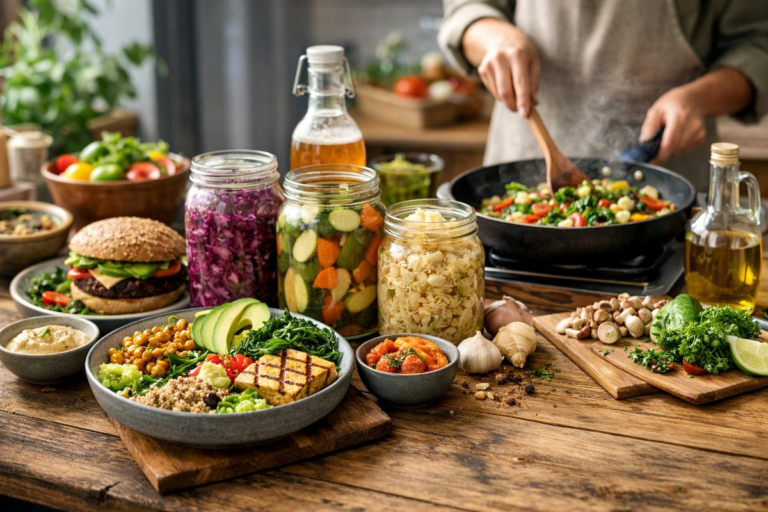
The ferment renaissance that took root in artisanal cafés has surged into mainstream consciousness. Recent data from specialty-food retailers indicate home fermentation supplies have climbed by more than a third in sales volume over the past 18 months. Enthusiasts are coaxing tangy kimchi on high-rise balconies and brewing effervescent jun in city lofts. Neighborhood workshops guide aspiring fermenters through brine ratios and airlock techniques, while social media groups offer troubleshooting for stubborn SCOBYs. Beyond kimchi and kombucha, lesser-known ferments are earning followers: garum-inspired fish sauces from local saltwater harvests, tangzhong-style rice ferments for pillowy breads, and naturally carbonated water kefirs infused with bright citrus and wild berries. Fermentation offers multiple appeals: an immersive ritual, a zero-waste play with peels and scraps, and a potent probiotic boost.
At the same time, plant-based proteins have stepped out of the vegan corner into center stage. Cultivated “steaks” grown from animal cells in bioreactors have started appearing on tasting-menu trials, promising the mouthfeel of real meat without the environmental toll of livestock farming. Even more surprising is the emergence of plant-based seafood alternatives crafted from algae, mung beans, and jackfruit fibers. Taste tests at sustainable-seafood expos report that many diners find these products indistinguishable from wild-caught counterparts when skillfully seasoned and seared. Companies behind these innovations emphasize closed-loop systems: algae tanks that feed on greenhouse gases, vertical farms that recycle water, and modular units that fit inside repurposed shipping containers.
Street-food culture, once confined to bustling night markets and small carts, has also reimagined itself for socially distanced times. Pop-up kitchens in adaptive reuse warehouses hosted by local collectives have become experimental crucibles for fusion snacks. Picture a bao roll filled with spicy okra fritters dusted in dukkah, or hand-held flatbreads topped with jackfruit shawarma, pickled ramps, and coconut labneh. These mobile stalls serve as platforms for chefs from under-represented backgrounds to share ancestral recipes with modern twists. Food trucks retrofitted with small-batch smokers are pairing regional barbecue techniques with plant-forward sides-smoked jackfruit shoulder with seaweed slaw, or lemongrass-and-citrus marinated tofu over fermented corn grits. The result is an ever-evolving tapestry of flavors that bridges neighborhoods and continents.
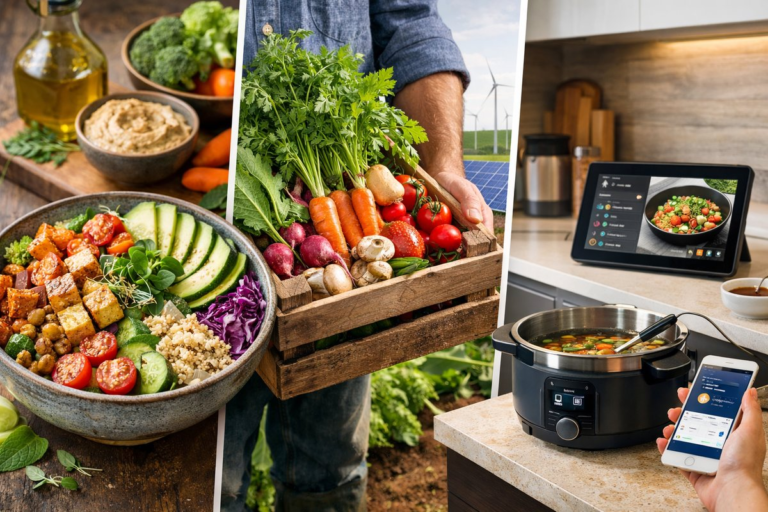
Digital tools are further turbocharging this culinary metamorphosis. Live-streamed cook-along classes now attract participants in the tens of thousands, creating virtual kitchens where novices and professionals swap tips in real time. Augmented-reality recipe guides overlay step-by-step instructions directly onto cutting boards via smartphone cameras, transforming unfamiliar knife skills into guided interactions. Machine-learning algorithms are generating customized meal plans based on gut-microbiome profiles and local produce availability, then suggesting spice blends or fermentation tweaks to balance flavors and health goals. While some purists worry about overreliance on gadgets, many diners appreciate the confidence boost of real-time feedback-no more guessing whether a roux is browned enough or if zucchini ribbons are cut uniformly.
Sustainability has become the anchor of these trends, pressing chefs to rethink packaging, sourcing, and waste. Edible cutlery and compostable plates made from rice husks or palm leaves are appearing at events once dominated by single-use plastics. A recent collaborative pilot with a city’s zero-waste office reported diverting over 80 percent of event scraps through on-site composting and anaerobic digestion. Even takeout containers are under scrutiny: fiber-based boxes with water-resistant coatings are replacing laminated plastics, and decentralized collection points encourage diners to return reusable cups and boxes for sanitization and redistribution. Meanwhile, community fridges stocked by volunteers and rescued produce networks are helping bridge the gap between abundance and access, reducing food waste while supporting vulnerable populations.
Home cooks are also being drawn into this ecological ethos. Culinary influencers share strategies for “root-to-stem” cooking: turning carrot tops into pesto, blending overripe fruit into lacto-fermented preserves, and charring pepper skins to concentrate smoky depth in sauces. Beyond aesthetics, these techniques boost nutrition and stretch grocery budgets. Seed swaps and neighborhood bartering groups allow people to trade extra harvests from backyard gardens-basil cuttings for blueberry seedlings, hot peppers for green beans-fostering social connections as well as biodiversity. Some botanical apothecaries even host foraging walks, teaching participants to identify edible wild greens, mushrooms, and native herbs that can be transformed into simple salads, infusions, or cordials.
Despite these advancements, challenges remain. Cultivated seafood still carries a premium price that keeps it out of reach for many families, and dialog around regulatory approval in different regions can be complex. Fermentation requires patience and careful attention to hygiene, and small mistakes can lead to off-flavors or contamination. The rapid churn of digital trends can leave traditional techniques feeling overshadowed or undervalued. Yet in response, a countercurrent of workshop-style gatherings has sprouted, where seasoned craft fermenters, farmers, and fishers mentor curious newcomers in face-to-face settings. These intimate sessions reaffirm that food is as much about human connection as it is about chemistry.
Looking ahead, experts predict that hyper-local sourcing and community-driven flavor innovation will accelerate. Expect to see more cooperative fish farms where residents invest in small aquaponics systems, blending fish cultivation with vegetable beds in a self-contained micro-ecosystem. Urban apiaries are adding to rooftop biodiversity and pollination, offering local honey imbued with the floral signature of city gardens. Even restaurant kitchens might morph into micro-factories, housing on-site micro-breweries, cheese-aging caves, and dehydrators that transform seasonal produce into snackable crisps and powders.
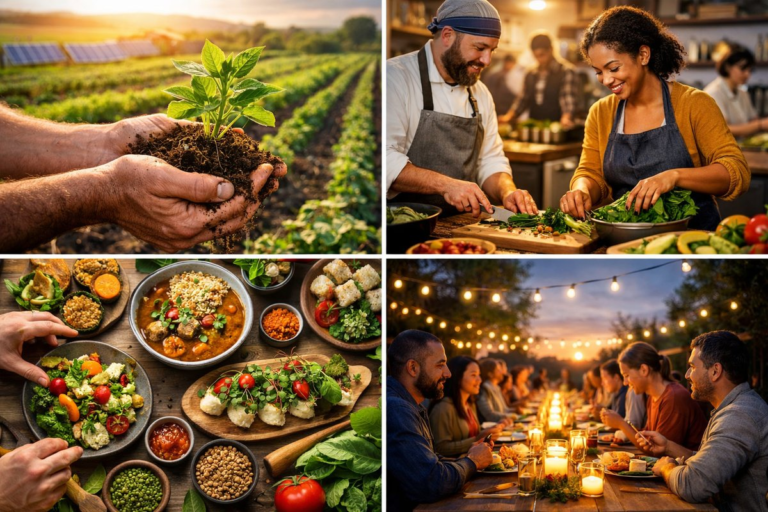
This moment feels less like a fleeting fad and more like the dawn of a new gastronomic ecosystem. Across scales-from the soil beneath farmers’ hands to the fermenter bubbling on a countertop-people are forging closer ties with ingredients, processes, and each other. In a world hungry for balance, these emerging trends demonstrate that caring for ourselves, our communities, and the planet can coexist beautifully on a single plate.
As ferments meet fusions and analog meet digital, the kitchen remains an ever-evolving stage for creativity, culture, and compassion. Whether you’re coaxing bubbles in a jar of beet kvass, mastering the crisp sear on a jackfruit cutlet, or joining a virtual kitchen classroom at midnight, you’re part of a growing story-one that blends science and soul, tradition and technology, global inspirations and local roots. And that just might be the most nourishing recipe of all.