Location
Mount Vernon, WA 98274

Location
Mount Vernon, WA 98274
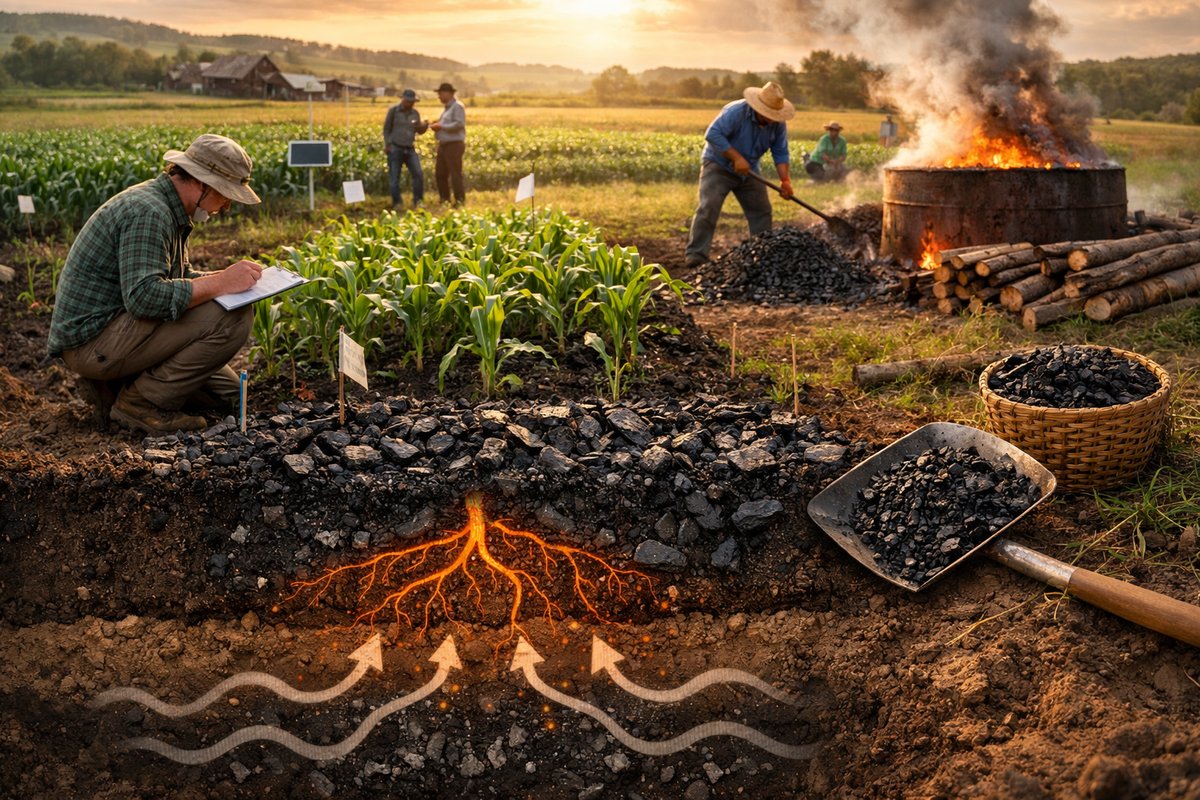
A wave of field trials across reclaimed farmland is revealing how biochar-charred plant remains-can boost soil resilience, lock away carbon and revitalize crop yields. As researchers fine-tune application methods and community groups launch small-scale kilns, this ancient practice is resurfacing as a modern climate tool.
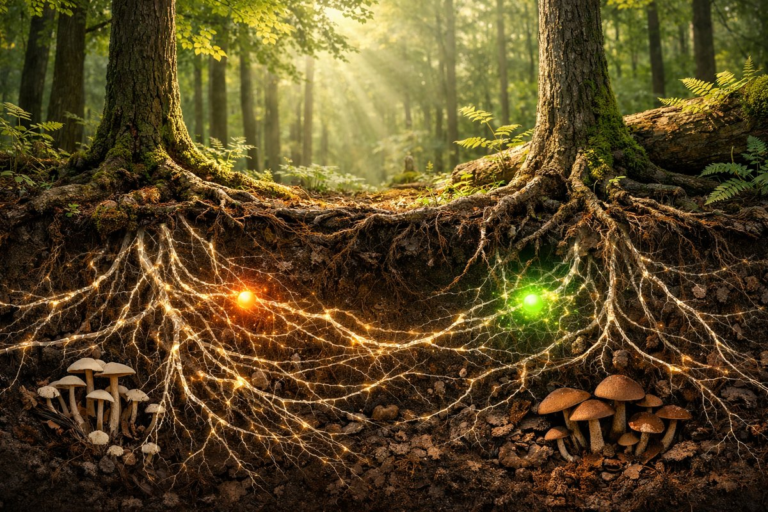
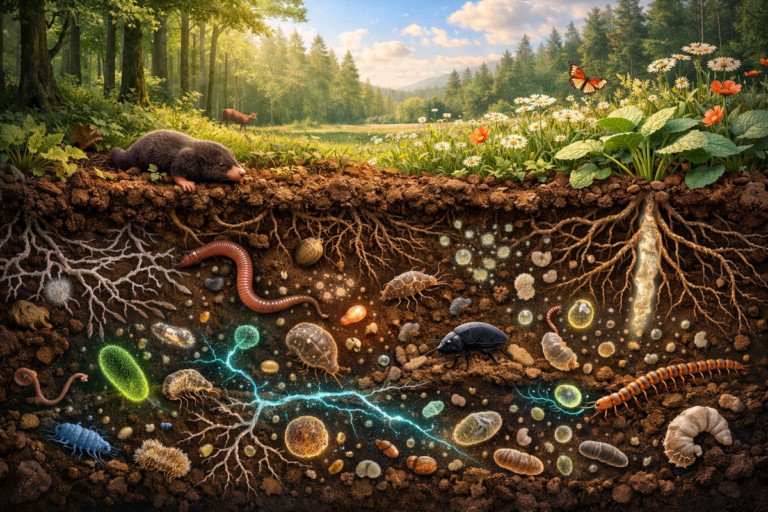
Nestled amid rolling plains and wind-scoured ridges, a new experiment in sustainable farming is quietly unfolding. Teams of agronomists and local growers have begun adding biochar-a stable, carbon-rich form of charcoal-to fields once depleted by decades of intensive cropping. The result, according to preliminary monitoring, is a notable uptick in water retention, nutrient availability and soil biodiversity. Peeling back layers of dark earth, researchers find fungal threads unfurling around biochar particles, signaling a revival of microbial life.
The sparks for this revival originate in modified kilns that heat crop residues-corn stalks, rice husks or orchard prunings-under low-oxygen conditions. Instead of burning biomass into ash or sending greenhouse gases skyward, the process locks carbon inside a lattice of porous char. Spread across fields, those tiny pores act like sponges: they hold moisture during dry spells, shelter beneficial microbes and adsorb excess nutrients that would otherwise leach into streams.
Early data from multi-site trials show soil organic carbon climbing by 20 to 30 percent after two seasons. In sandy plots, water-holding capacity doubled, cutting irrigation needs by nearly 40 percent. Grain yields on one barley trial rose by 15 percent in a single year. These findings, derived from recently published peer-reviewed work, are prompting farmers and policymakers to take note.
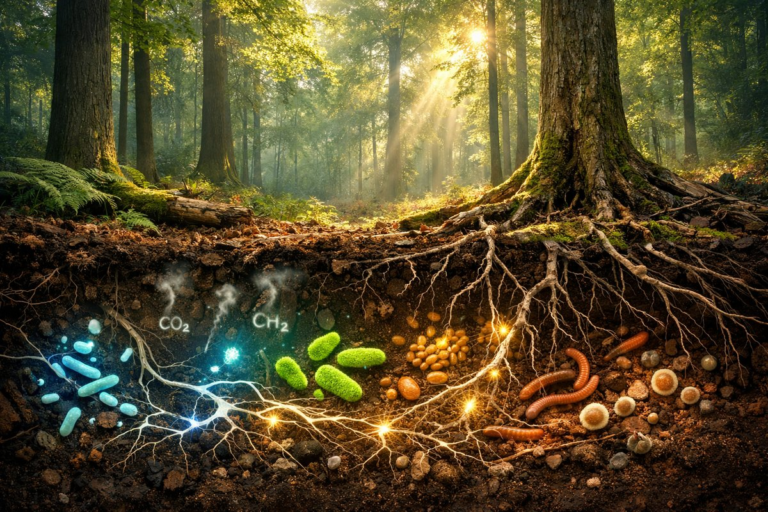
What makes biochar so compelling? First, its porous structure. Where uncharred straw decomposes quickly-releasing carbon dioxide and losing most of its moisture-holding capacity-biochar endures for centuries. Microscopic cavities trap water and nutrients, creating microclimates for bacteria and fungi. Soil tests reveal elevated microbial biomass, especially beneficial species that solubilize phosphorus or fix nitrogen. In effect, biochar helps rebuild the underground network that underpins plant health.
Second, biochar’s chemistry. When high-temperature pyrolysis transforms biomass into carbon, volatile compounds burn off. The remaining char is rich in stable aromatic rings. Those rings adsorb heavy metals and agricultural runoff, reducing pollutant loads in groundwater. Some studies even hint at a modest reduction in nitrous oxide emissions, a potent greenhouse gas typically released during fertilizer application.
Yet scaling biochar remains a challenge. Traditional earthen pits and small metal kilns can be slow and produce uneven char. Commercial pyrolysis units promise higher throughput but come with steep investment costs. To bridge this gap, several farming cooperatives have formed “biochar clubs,” pooling resources to buy and operate mid-sized kilns. Shared equipment schedules spread costs, while peer training sessions ensure consistent feedstock preparation and temperature control.
On a misty morning at one such cooperative, farmers load wood chips into a mobile retort unit. As the kiln heats, a plume of syngas-flammable vapors released from wood-is captured and routed to a burner, fueling the process. Within hours, the team unloads dark, lightweight biochar ready for field application. Later that day, a tractor equipped with a front-loader lightly mixes char into the topsoil.
Back in the laboratory, soil sensors gather continuous data on moisture, temperature and electrical conductivity. Remote sensing via drones armed with multispectral cameras will soon map vegetation vigor across plots treated with varying char rates. Early flight surveys have already detected greener footprints on treated areas, hinting at improved chlorophyll density.
Beyond technical trials, social momentum is growing. Workshops led by extension agents attract hobby gardeners as well as commercial producers. Community gardens incorporate biochar into raised beds, reporting healthier tomato and pepper plants by midsummer. Urban farms are exploring biochar blends mixed with compost to transform vacant lots and brownfields into productive green patches.
Internationally, carbon offset markets are eyeing biochar as a verifiable carbon removal strategy. Sentinel satellites and on-the-ground soil sampling can document long-term carbon sequestration. As protocols mature, farmers may earn credits for each ton of biochar applied-a potential new revenue stream that rewards stewardship.
However, caution is warranted. Not all feedstocks produce the same quality of biochar. Low-temperature char can retain toxic compounds, while high-temperature char may lose too many nutrients. Testing and certification standards are still nascent. Moreover, without careful management, sourcing biomass could compete with other land uses or fuel demands. Sustainable feedstock supply chains must be established to avoid unintended ecological trade-offs.
Looking ahead, researchers are exploring blends-combining biochar with biofertilizers or mineral amendments to further boost nutrient cycling. Other teams are investigating engineered biochars designed to capture specific pollutants, from pesticides to airborne ammonia. Meanwhile, citizen science platforms invite volunteers to log their own biochar trials, building a global database of results across soil types and climates.
Taken together, these developments signal a turning point. Where once charred soil was viewed as the relic of ancient Amazonian civilizations, today it’s emerging as a 21st-century tool for climate resilience. On windswept fields from mid-western prairies to Mediterranean olive groves, the black dust of biochar may yet become a symbol of renewal-a testament to how human ingenuity and natural cycles can converge for a more regenerative future.
And for backyard growers seeking hands-on experience, the path is clear: gather fallen branches, secure a small-scale kiln or retort, and join the chorus of voices rekindling fertility from what once was waste. The soil beneath our feet may hold the key not only to feeding billions but to mending the climate itself.