Location
Mount Vernon, WA 98274

Location
Mount Vernon, WA 98274
Recent research reveals an intricate communication network beneath forest floors, where fungal threads adapt to shifting rainfall patterns and deliver crucial nutrients to trees. Citizen scientists and researchers are now mapping these symbiotic pathways, uncovering new insights into how ecosystems respond to climate extremes.
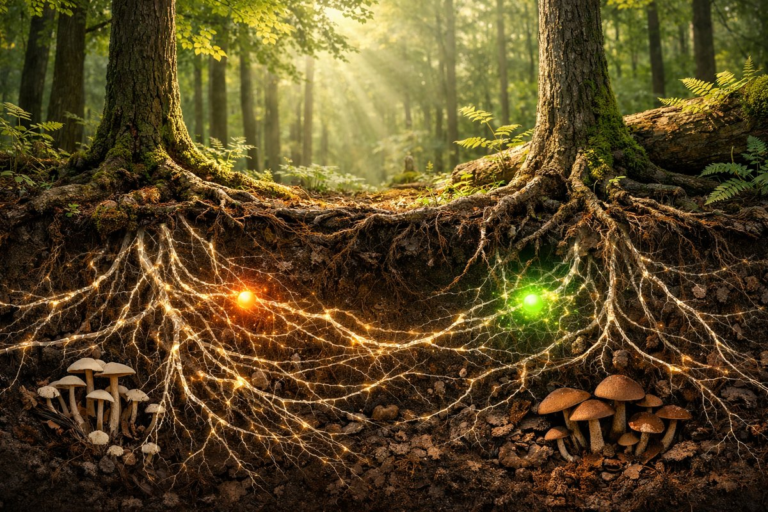
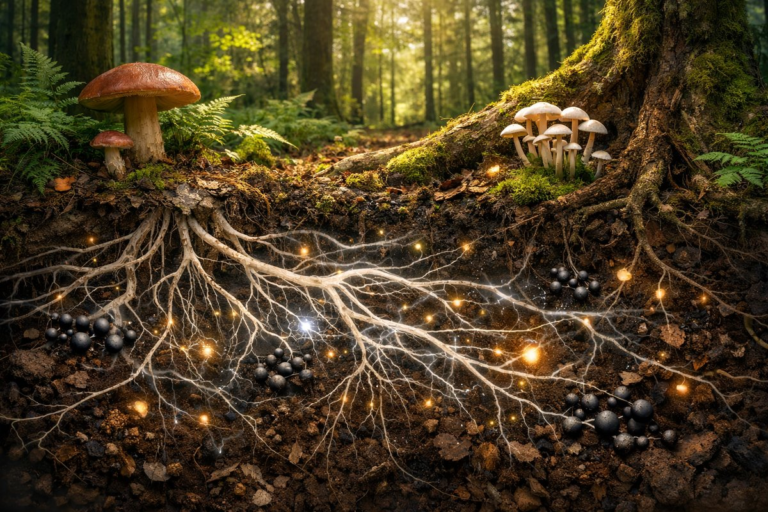
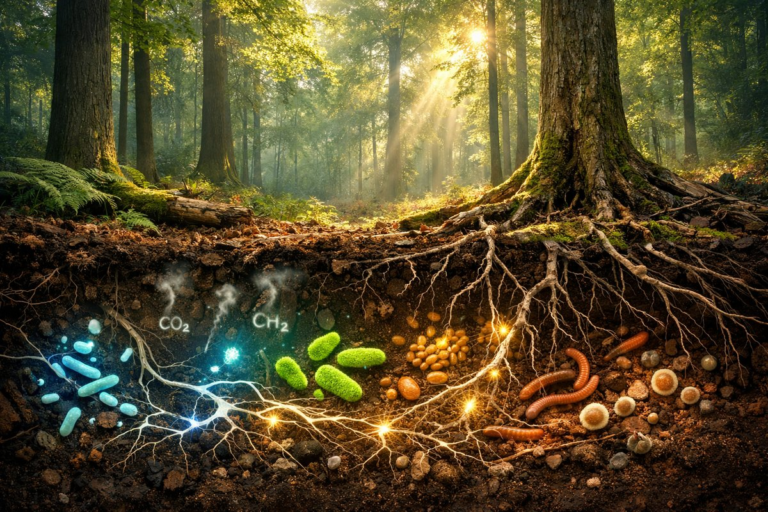
Hidden beneath the lush canopy of temperate forests lies a living web of fungal strands connecting trees, shrubs, and soil in a silent dialogue. In the wake of an unusually dry spring, a team of ecologists deployed soil moisture probes and acoustic recorders to eavesdrop on this underground network’s response to drought stress. Their findings point to a rapid rerouting of nutrients and messages along mycorrhizal pathways-nature’s own data superhighway-revealing an unexpected resilience in forest communities.
Field expeditions began at dawn, with scientists unearthing small sections of topsoil to install miniature environmental sensors. Paired with handheld field microscopes, these sensors tracked moisture levels, pH changes, and carbon dioxide flux in real time. Early data showed that when peripheral patches of the forest floor dried out, fungal filaments consolidated toward wetter pockets and intensified nutrient exchange. In essence, the fungi appeared to be triaging resources, channeling water and minerals where trees needed them most.
“One of the most remarkable observations was how quickly the network reorganized itself,” said a lead ecologist who has studied mycorrhizal symbiosis for over a decade. “Within hours of a rainfall event, sections that seemed dormant sprang back to life. It’s as if the forest has a collective intelligence that tracks water availability.” This phenomenon challenges traditional models of tree hydraulics, which treat individual organisms in isolation rather than as members of an integrated system.
The team also employed remote cameras to capture subtle changes in ground cover after rain. Paired with time-lapse imagery, the footage revealed bursts of fungal growth and the emergence of tiny fruiting bodies-morels and other edible mushrooms-that appear in sync with soil rehydration cycles. These mushrooms are not only culinary treasures for hikers but also biological indicators of forest health, signaling shifts in nutrient dynamics and moisture regimes.
In parallel, citizen scientists across three states joined the project via a smartphone app, uploading geotagged photos of mushrooms, leaf litter, and ephemeral water tracks. Data from hundreds of volunteers helped map the fungal hotspots and revealed regional variations in species richness. In drier regions, certain fungal species proliferated at the forest’s margins, suggesting an adaptive edge that could reshape understory composition over time.
Behind the scenes, researchers cross-referenced these observations with climate records collected by a portable weather station network. Temperature anomalies and changes in evaporative demand directly influenced fungal connectivity patterns. During a week-long heatwave, soil sensors recorded a 40 percent drop in moisture, coinciding with a measurable contraction of the fungal network. As temperatures eased, the network rebounded, guiding nutrient flows toward recovering seedlings.
These insights carry profound implications for forest management. By understanding how fungi mediate resource distribution, land stewards can design conservation strategies that bolster ecosystem resilience. For instance, planting drought-tolerant tree species in areas with robust fungal connectivity may enhance overall forest health. Similarly, protecting old-growth stands where fungal diversity peaks could ensure that recolonization spreads more rapidly after disturbances.
Beyond professional circles, artists and educators are drawing inspiration from the forest’s underground dialogues. Interactive installations at nature centers allow visitors to manipulate digital maps of mycorrhizal networks, revealing hidden connections that sustain tree communities. Workshops invite participants to examine soil samples under magnification, fostering a deeper sense of wonder at the complexity beneath our feet.
Meanwhile, bioacoustic specialists are exploring whether fungal networks generate detectable vibrations as they transport liquids and nutrients. Early trials with sensitive geophones suggest that these microbial movements produce faint tremors-a novel form of subterranean music. Though still in its infancy, this research could lead to new ways of monitoring ecosystem health through sound.
Experts emphasize that while fungal resilience offers hope, it is not a safeguard against unchecked climate change. Prolonged droughts, severe heatwaves, and large-scale wildfires can overwhelm even the most adaptable networks. In areas that experienced back-to-back dry years, soil sensors recorded persistent moisture deficits that the mycorrhizal web struggled to remedy.
To address these pressures, local communities are mobilizing restoration efforts. Volunteers gather to spread native leaf litter, inoculated with spores of beneficial fungi, across denuded patches. They also install insect hotels and bat boxes to maintain a balanced food web, recognizing that insects and bats help disperse fungal spores and regulate pest populations that threaten young trees.
This blend of high-tech monitoring and grassroots stewardship exemplifies a broader shift in environmental science-one that values both granular data and the lived experience of people on the land. It reminds us that forests are not static monuments but dynamic living systems shaped by countless interactions, both above and below ground.
As we learn to listen more closely to these underground conversations, we gain not only practical tools for conservation but a renewed sense of belonging within the living world. In every pulse of water through fungal threads, every tiny mushroom that emerges after rain, there is a story of resilience, adaptation, and interconnectedness waiting to be discovered.