Location
Mount Vernon, WA 98274

Location
Mount Vernon, WA 98274
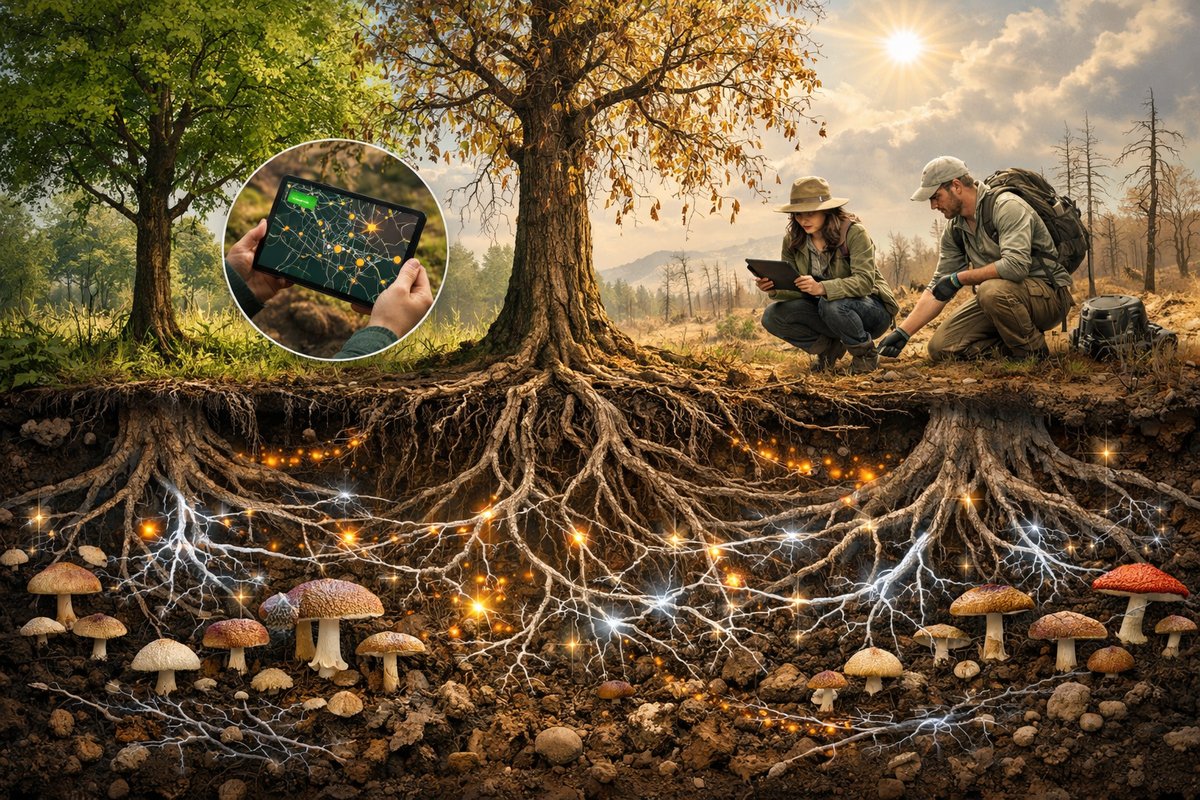
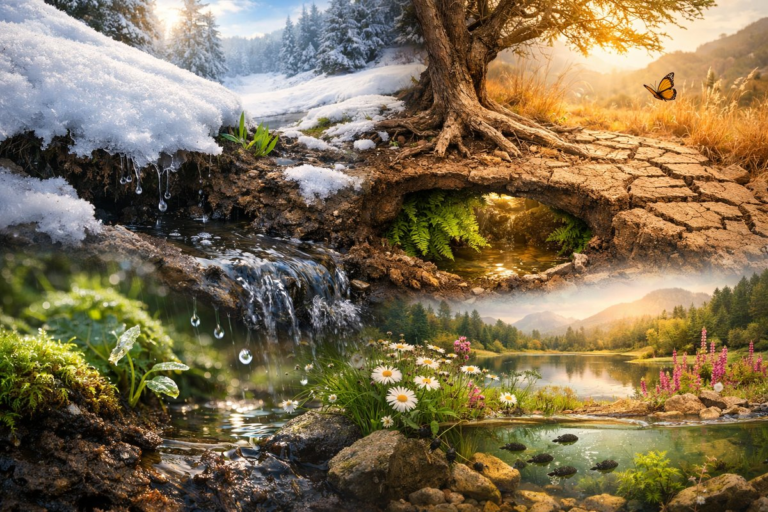
Recent research reveals how fungal networks beneath forests act as lifelines for trees facing extreme drought. From underground highways of nutrients to citizen science projects mapping mushroom colonies, the hidden world of mycorrhizal fungi offers new hope for conservation and climate adaptation.
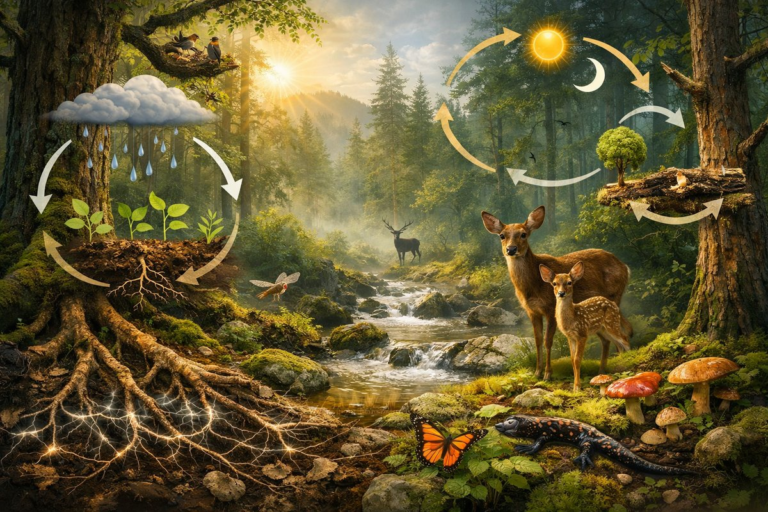
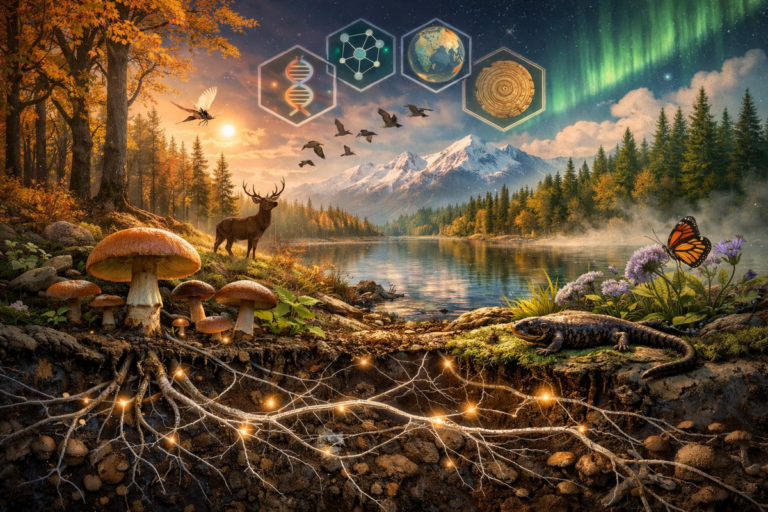
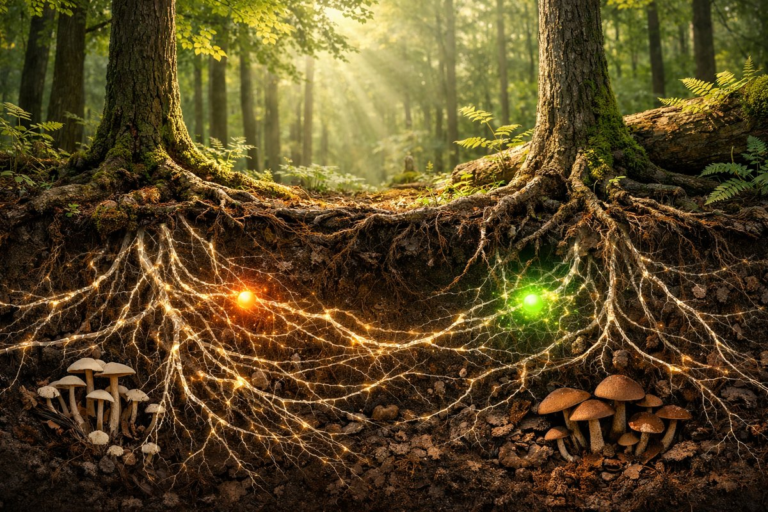
On a damp morning, sunlight filters through towering canopy, illuminating moss-covered trunks and a carpet of decaying leaves. As boots press into soft earth, a faint web of fine threads lies hidden beneath-an intricate network of mycorrhizal fungi connecting tree roots across the forest floor. Scientists now call these subterranean highways the forest’s circulatory system, channeling water, nutrients, and chemical signals between individual trees and even different species. Recent studies suggest that this fungal internet plays a pivotal role in helping forests withstand severe drought, buffering ecosystems against the more extreme swings of a changing climate.
In a multi-continent research project, ecologists installed soil sensors in both old-growth and secondary woodlands to monitor moisture levels and nutrient flows. Satellite imagery from public space agencies confirmed that regions rich in fungal diversity maintained higher canopy greenness during heatwaves. In one analysis, stands with extensive mycorrhizal connectivity registered up to 20 percent less leaf wilting compared to isolated patches. These findings underscore the vital importance of fungi as partners in resilience, not merely decomposers after the trees have fallen.
The secret lies in symbiosis: fungal filaments wrap around or penetrate root tips, exchanging carbon compounds from photosynthesis for minerals the fungus extracts deeper in the soil. In drought years, trees with stronger fungal allies can tap into larger moisture reserves, effectively borrowing from neighbors. Saplings in shaded understories receive nutrients from sun-lit giants, leveling the playing field for diverse species. This communal generosity fosters stability, preventing entire stands from succumbing to stress at once.
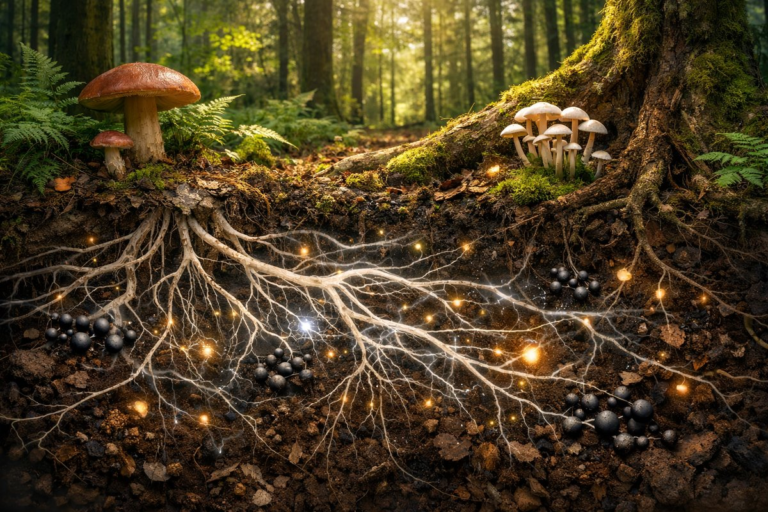
Mapping this underground web, however, poses a challenge. Traditional methods require laborious soil coring and microscope analysis of hyphae. Now, ecological engineers deploy miniature sensors that detect electrical conductivity changes as water moves through fungal networks. Combined with airborne LiDAR scans of canopy structure, they reconstruct three-dimensional models of both roots and fungal filaments. In one pilot site, researchers watched in real time as water diverted from drought-stressed oaks toward maples newly inoculated with beneficial mycorrhizae.
Citizen scientists are joining the effort, too. A mobile app guides enthusiasts through local woodlands, prompting them to photograph mushrooms and upload location data. Advanced image-recognition algorithms classify species and estimate colony sizes. Over a few seasons, tens of thousands of observations have filled in regions where formal surveys once skirted. By comparing fungal fruiting patterns against weather station archives, volunteers help paint a richer picture of how temperature and rainfall shifts influence subterranean communities.
In addition to mapping, conservationists are experimenting with fungal inoculation. Nursery-grown seedlings receive a slurry of locally sourced mycorrhizal spores before being transplanted. Early results show higher survival rates and faster growth, even in degraded soils. In urban tree restoration projects, inoculated saplings exhibit deeper root penetration and greater resistance to compaction and pollution. Such approaches hint at a scalable way to bolster forests-not through engineering trees, but by nurturing their microbial partners.
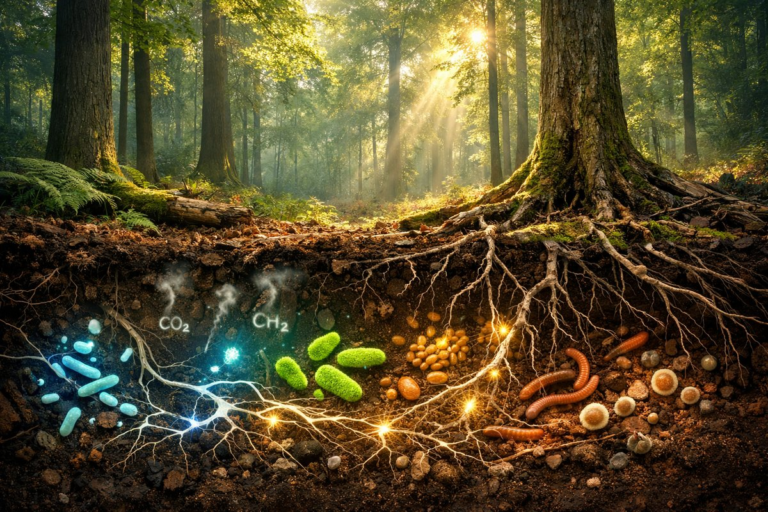
The implications extend beyond individual forests. Mycorrhizal fungi unlock soil carbon stored in stable mineral complexes, releasing nutrients to plants while sequestering carbon in fungal biomass. When forests thrive, they become more effective carbon sinks. Land managers exploring rewilding and afforestation can enhance outcomes by considering fungal diversity as a key performance metric, alongside tree species selection and soil health.
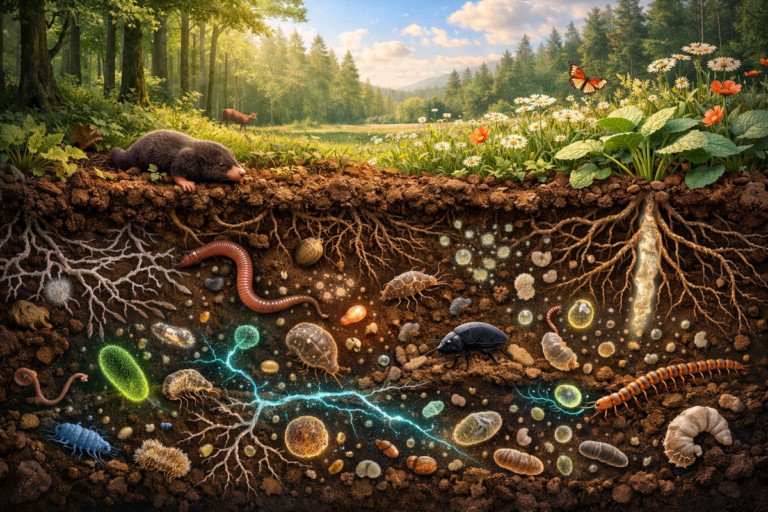
Yet the promise comes with caveats. Introducing non-native fungal strains risks upsetting local ecological balances. Experts emphasize sourcing inoculum from nearby healthy woodlands and conducting small-scale trials before landscape-wide deployment. Long-term monitoring remains essential; fungal communities take time to establish stable networks, and interactions with insects, bacteria, and larger fauna are still being mapped.
Back on the trail, where the morning mist begins to lift, a cluster of golden chanterelles gleams in a mossy hollow. Beneath their caps, a tangle of threads reaches outward, linking fungi and trees in a silent dialogue. Every step, every sniff of damp earth, can lead to new discoveries about life’s hidden connections. From graduate labs to local parks, the study of mycorrhizal systems invites us to reconsider our role-from bystanders to stewards of the forest’s quiet web.
As climate extremes become more frequent, the resilience engineered by both roots and fungi may prove one of nature’s most ingenious strategies. By tuning in to the whispers beneath the soil-measuring moisture flows, cataloging mushroom blooms, and nurturing microbial partners-we gain tools to protect the forests we cherish. In doing so, we learn anew what it means to belong to a living landscape, where every thread supports a greater whole.
Looking forward, researchers aim to expand monitoring networks across biomes, from tropical rainforests to boreal woodlands. Advanced sensors, machine-learning models, and community-driven surveys promise deeper insights into how these fungal alliances scale across continents. The goal is clear: foster robust ecosystems that can weather storms, droughts, and shifting seasons. The forest’s future may well hinge on the smallest of organisms, networks of threads we are only beginning to understand-and rejoice in discovering.
In the hush beneath ancient trunks, the ground hums with possibility. Every new discovery reminds us that the forest is not merely a collection of trees, but an entire society woven through fungal filaments. By honoring those connections, we step closer to a world where conservation embraces the full tapestry of life-above ground and below.