Location
Mount Vernon, WA 98274

Location
Mount Vernon, WA 98274

In a groundbreaking study, scientists have unveiled how bioluminescent fungi-nature's own living lanterns-are revealing hidden patterns of forest moisture, carbon cycling, and habitat connectivity. As low-light sensors and citizen scientists map these glowing networks, a new frontier in environmental monitoring emerges, blending wonder with rigorous data to guide conservation.
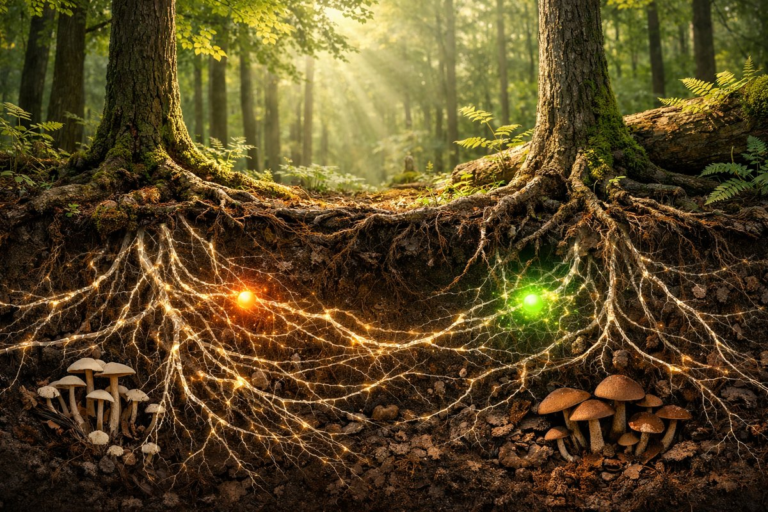
As dusk settles beneath a canopy of towering trees, an otherworldly glow begins to pulse among the leaf litter. It is subtle at first-just a gentle greenish flicker-but over time these tiny beacons of light multiply into a living tapestry. This is not firefly season; it is the realm of bioluminescent fungi, organisms that, with a faint chemical shimmer, can reveal secrets of forest health and resilience.
An international team of ecologists has harnessed this natural glow as a novel indicator of ecosystem dynamics. In a paper published in a leading environmental journal, researchers describe how time-lapse cameras and low-light drone surveys have mapped thousands of luminous fungal colonies across temperate and tropical woodlands. By tracking the intensity and timing of the glow, they have teased out correlations with soil moisture levels, carbon turnover rates, and even the degree of forest fragmentation.
Bioluminescence in fungi arises from a biochemical reaction between an enzyme-luciferase-and a light-emitting molecule called luciferin. While this glow is visible to the naked eye in dark conditions, capturing its full pattern requires sensitive imaging equipment. In studies from the Pacific Northwest to Southeast Asia, experts mounted trail cameras equipped with extended-exposure settings on trees and boulders known to host glow-emitting species such as Panellus stipticus and Omphalotus nidiformis. Over weeks of data collection, automated scripts compiled thousands of night-time frames, revealing not just where fungi shine, but when they shine brightest.
The timing of fungal luminescence proved to be a reliable proxy for moisture availability in the soil. During dry spells, fungal metabolic activity slows, dimming their glow; as rainfall returns, the bioluminescent signal intensifies within hours. By comparing light curves against local weather station data and in-ground soil moisture probes, the research team built predictive models that forecast moisture stress in forest patches up to several hectares in size.
But the glow tells a story beyond hydration. In one temperate forest site, bioluminescent hotspots clustered along old logging roads and forest edges, suggesting that fragmented habitats offer different microclimates that either encourage or deter fungal growth. In the rainforests of Brazil’s Atlantic coast, drones outfitted with low-light cameras detected shimmering fungal mats in canopy gaps left by fallen trees. These aerial surveys, when overlaid with satellite maps of forest cover, traced a fine-scale network of ecological change, guiding conservationists toward areas in urgent need of rewilding.
Global mapping efforts have revealed that bioluminescent fungi occupy only a small fraction of forest floors, but where they occur, they serve as living sensors of broader ecological shifts. In Borneo, a montane study found that altitude influences glow intensity-higher elevations yielded shorter luminescent windows each night, likely due to lower temperatures. In New England woodlands, seasonal surveys showed that fungal brilliance peaks in autumn, just as leaf drop enriches the soil with organic matter.
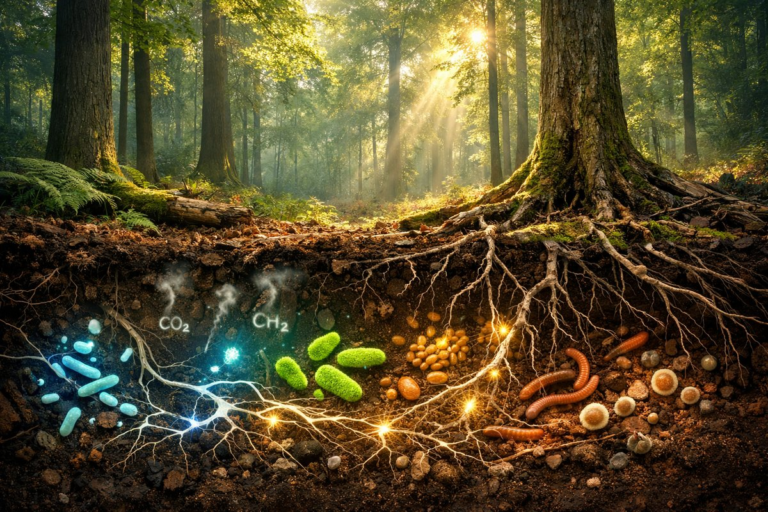
These nuanced patterns are now being woven into interactive models that forecast how climate change might alter fungal distributions over the next decades. In regions projected to experience hotter, drier summers, simulations predict a 20 to 40 percent decline in bioluminescent activity by mid-century. Such a drop could signal reduced rates of wood decomposition and nutrient cycling, with cascading effects on tree health and carbon storage.
From professional researchers to backyard naturalists, the appeal of glow mapping has spurred a wave of citizen science. An online platform-nicknamed GlowMap-allows volunteers to upload long-exposure photos of glowing patches, tagging location, date, and local conditions. Within months of its launch, the project amassed thousands of submissions from Europe, North America, and Asia. Some contributors have even crafted DIY night-vision rigs using repurposed security cameras and Raspberry Pi computers, sharing open-source designs to expand coverage in remote areas.
For those looking to join the effort, a handful of accessible tools can open the door to fungal luminescence research. A portable trail camera with night-vision or long-exposure mode can capture faint glows without disturbing wildlife. Attaching a macro-lens clip to a smartphone enables crisp close-ups of glowing mushroom caps and delicate hyphal strands. Handheld soil moisture sensors help correlate glow intensity with ground conditions, deepening the scientific value of each photo.
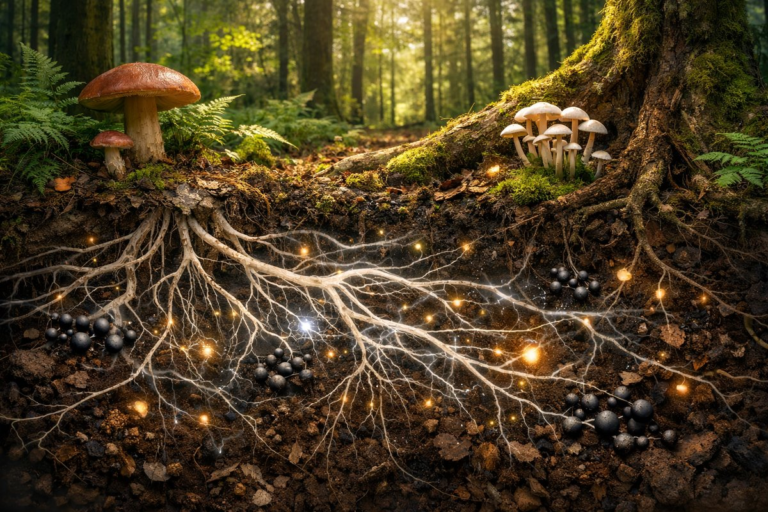
In the field, a durable, waterproof notebook is invaluable for jotting down temperature, humidity, canopy cover, and other variables that shape fungal behavior. Lightweight tripods or flexible camera mounts make it easy to position imaging devices at the ideal angle above leaf litter. And for those eager to examine luminescent structures up close, a portable digital microscope reveals the glowing hyphae weaving through decaying wood.
Beyond its practical applications, exploring bioluminescent fungi invites a sense of awe. In a world often defined by megafauna or spectacular landscapes, these living lights remind us that ecological intelligence resides in the tiniest forms. They underscore how seemingly obscure organisms can shine literal and metaphorical light on the challenges of climate change, habitat loss, and nutrient cycling.
Looking ahead, researchers envision integrating bioluminescent monitoring with other environmental sensing networks-acoustic devices recording bird calls, thermal cameras tracking mammal movements, and air-quality sensors measuring trace gases. Together, these data streams could form a multi-dimensional picture of ecosystem function, stitched from the glow of fungi to the chorus of bird songs.
As we walk beneath the trees and catch sight of those first emerald flickers, we are invited into a deeper conversation with the forest. Each glowing cap, each faint pulse of light, is a reminder that nature’s most profound insights often come from the margins-in the detritus beneath our feet and the quiet hush of night. By following the glow, we learn to read the forest’s signals, anticipate its stresses, and celebrate its resilience. In doing so, we not only safeguard ecosystems but rediscover our own place within nature’s luminous web.