Location
Mount Vernon, WA 98274

Location
Mount Vernon, WA 98274
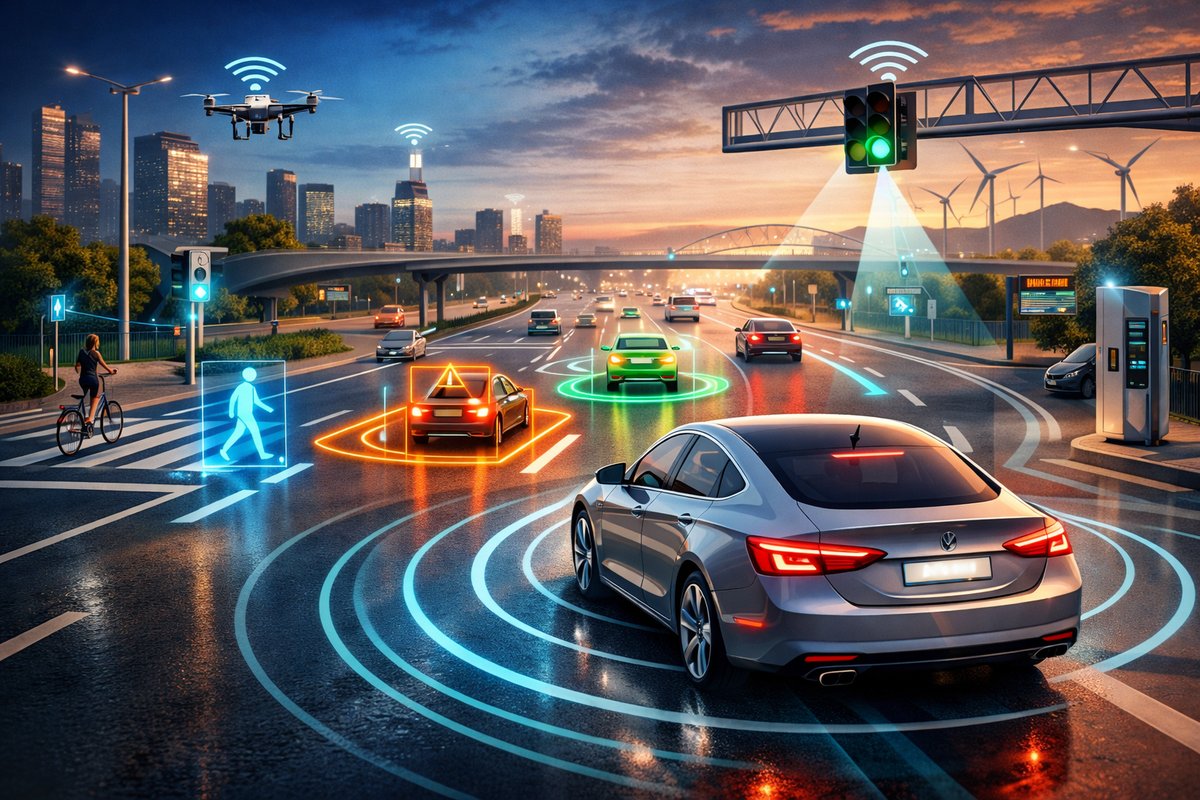
Automotive technology is undergoing a transformative shift as adaptive systems and intelligent infrastructure redefine how vehicles interact with their environment. This evolution promises not only enhanced safety and efficiency but also a more personalized and sustainable driving experience for all road users.
The automotive landscape is experiencing a profound transformation driven by advances in adaptive technology that integrate vehicles more seamlessly with their surroundings. This new generation of transportation systems leverages artificial intelligence, sensor fusion, and real-time data processing to create vehicles that can respond dynamically to changing conditions on the road, enhancing safety, efficiency, and driver experience.
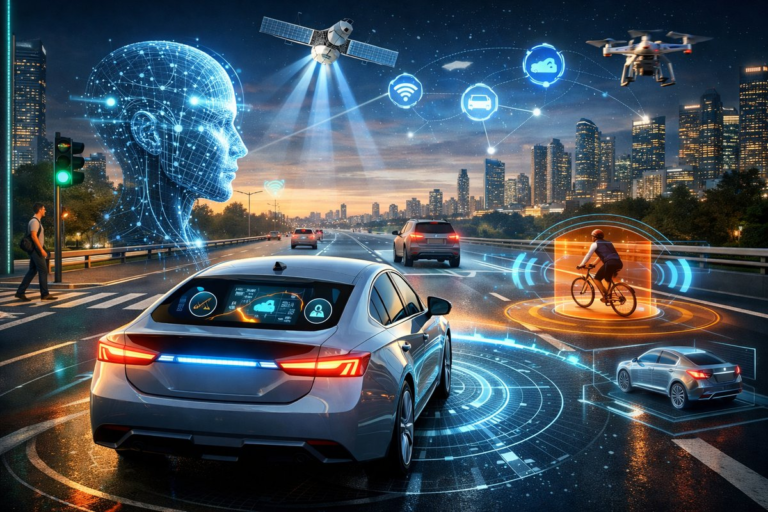
At the heart of this revolution is the concept of adaptive driving systems. Unlike traditional vehicles that rely solely on driver input and fixed mechanical controls, these systems continuously monitor a range of environmental factors such as traffic flow, weather conditions, and road surface quality. By interpreting this data, vehicles can adjust their speed, braking, and steering proactively to optimize performance and reduce the likelihood of accidents.
One of the most compelling examples of this technology in action is adaptive cruise control (ACC), which has evolved beyond maintaining a set speed to include stop-and-go functionality in congested traffic. ACC systems use radar and camera inputs to maintain a safe following distance, automatically slowing or accelerating as needed. This reduces driver fatigue and enhances traffic flow, particularly in urban environments.
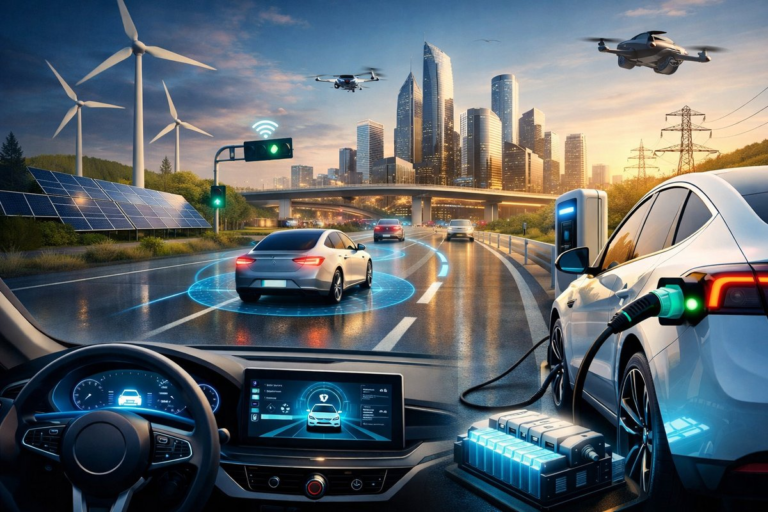
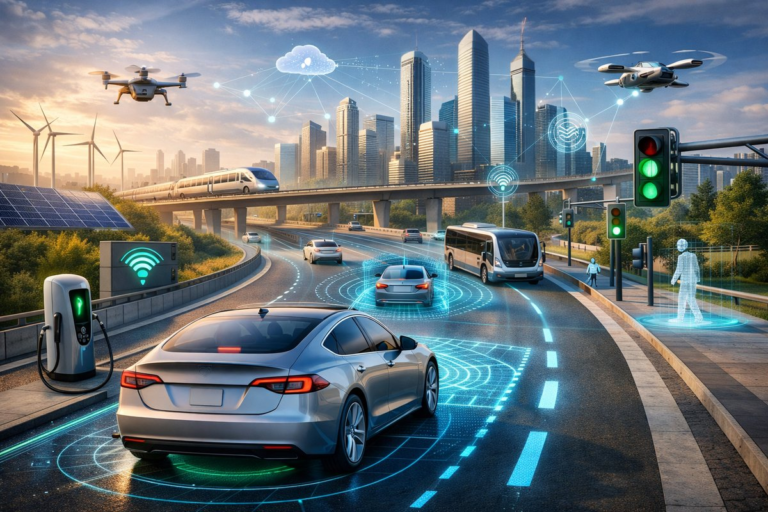
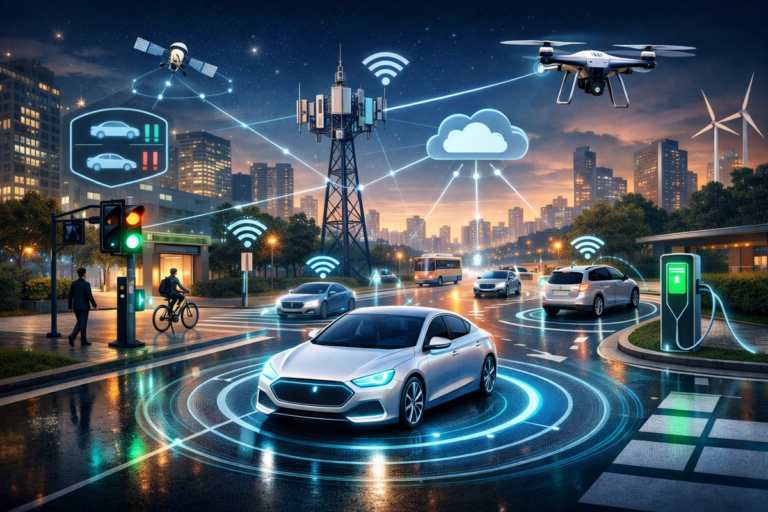
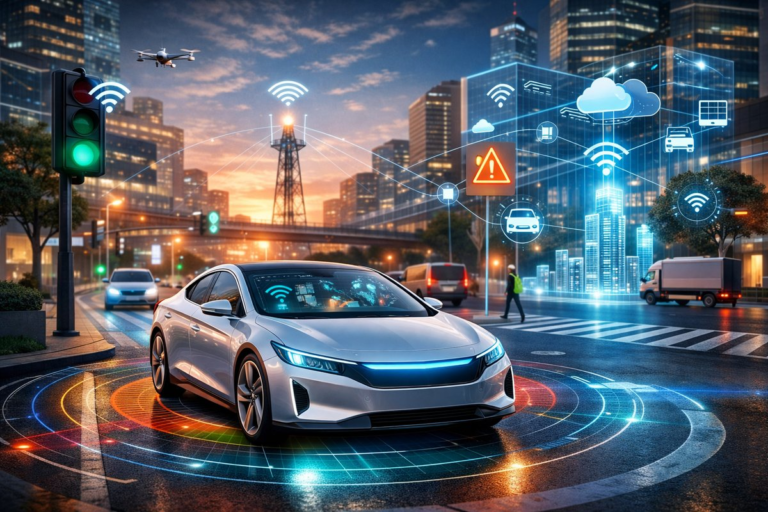
Complementing adaptive driving systems are vehicle-to-everything (V2X) communication technologies. These enable cars to exchange information not only with other vehicles but also with infrastructure such as traffic lights, road signs, and even pedestrians’ mobile devices. This interconnected network allows for anticipatory adjustments; for instance, a vehicle approaching a red light can begin decelerating smoothly in advance, improving fuel efficiency and reducing emissions.
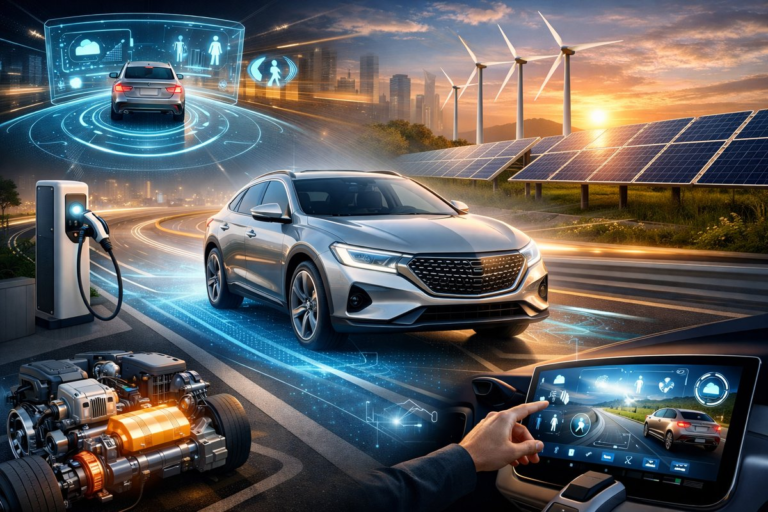
Moreover, the integration of machine learning algorithms allows vehicles to personalize their responses based on driver behavior and preferences. Over time, the system learns individual driving styles and adapts control strategies accordingly, creating a more intuitive and comfortable experience. This personalization extends to in-car environments, where climate control, infotainment, and seating adjustments respond automatically to occupants’ habits.
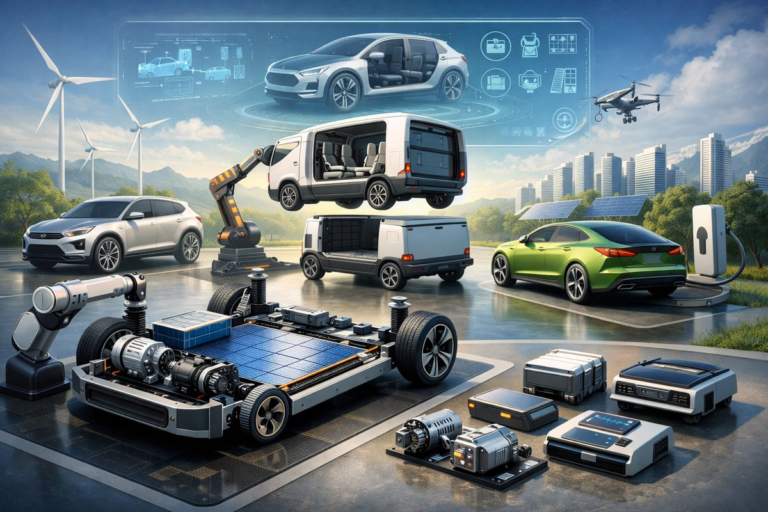
Sustainability is a central theme in the advancement of automotive technology. Adaptive systems contribute to greener transportation by optimizing energy use and enabling smoother traffic patterns that minimize stop-and-go inefficiencies. Electric vehicles (EVs) equipped with adaptive technology can manage battery consumption more effectively by anticipating route conditions and adjusting power delivery. This synergy between adaptive systems and electrification is pivotal in reducing the carbon footprint of personal and commercial transportation.
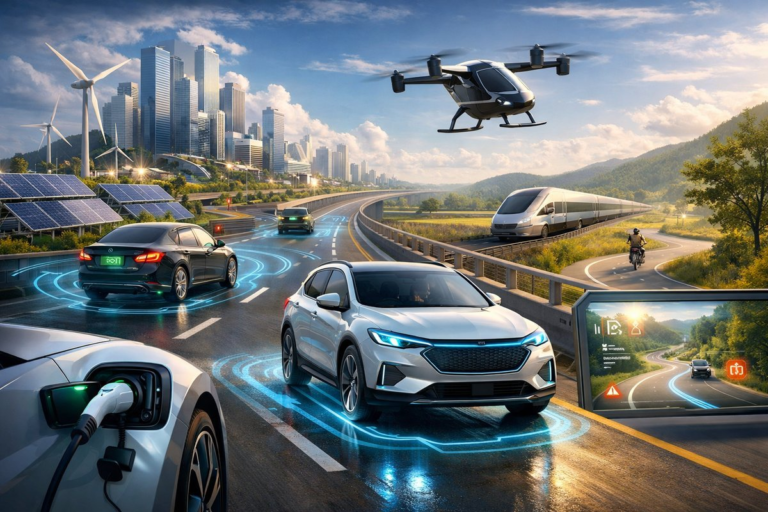
Infrastructure is evolving alongside vehicles to support these innovations. Smart roads embedded with sensors and communication nodes provide continuous feedback to vehicles, enabling real-time route optimization and hazard detection. These intelligent highways can adjust speed limits dynamically based on traffic density and weather, further enhancing safety and efficiency.
The rise of adaptive automotive technology also raises important considerations around data privacy and security. Vehicles collect vast amounts of information to function effectively, from location data to biometric indicators. Ensuring that this data is handled responsibly and protected against cyber threats is essential to maintaining user trust and the integrity of transportation networks.
From a societal perspective, these technologies promise to make driving more accessible and less stressful. For novice drivers, adaptive systems offer an additional layer of support, helping to mitigate common errors and build confidence. For experienced drivers, they provide convenience and enhanced control, allowing for a more engaging yet safer driving experience.
Looking ahead, the convergence of adaptive automotive technology with autonomous driving capabilities is poised to redefine mobility entirely. While fully self-driving cars remain under development, the incremental adoption of adaptive features lays the groundwork for a future where vehicles can operate independently with high reliability.
In conclusion, the evolution of automotive technology through adaptive systems represents a significant leap forward in how we move through our environments. By blending intelligence, connectivity, and sustainability, these innovations are crafting a transportation ecosystem that is safer, more efficient, and more attuned to individual needs. As these technologies mature and become more widespread, they will not only transform the act of driving but also reshape the very infrastructure and culture of mobility.