Location
Mount Vernon, WA 98274

Location
Mount Vernon, WA 98274
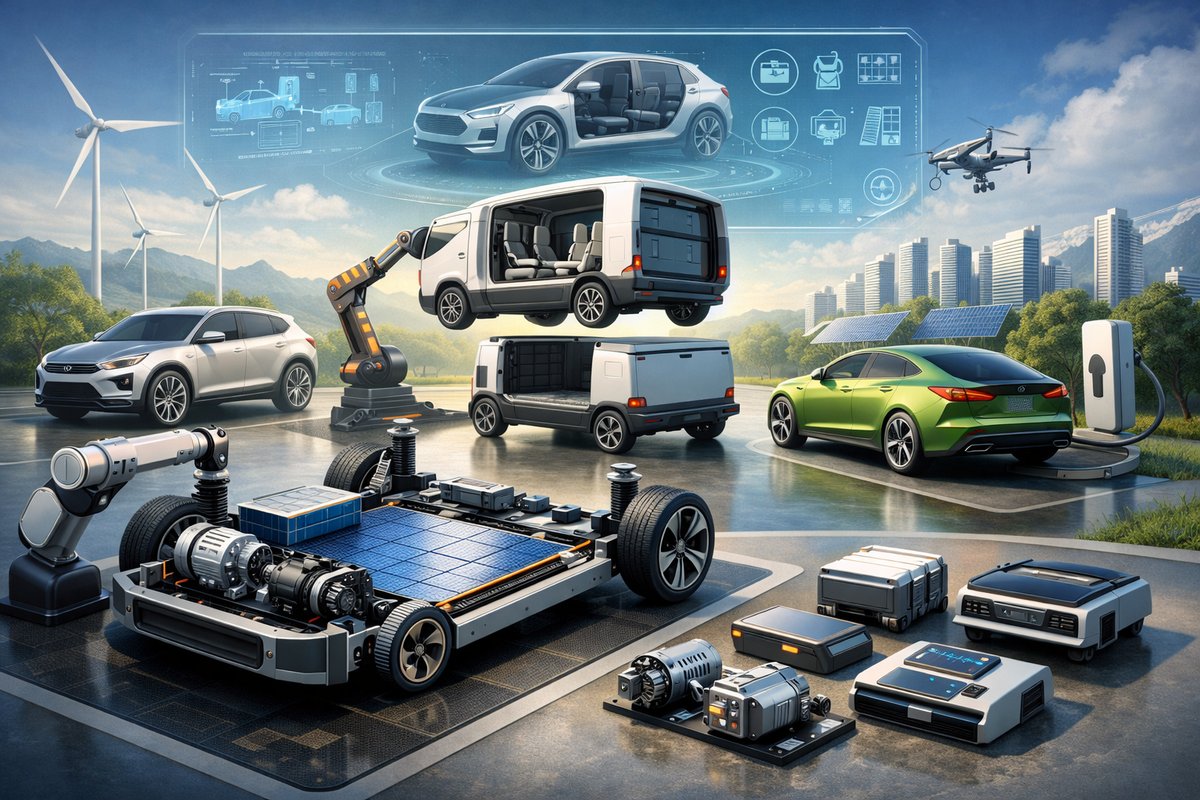
The automotive landscape is undergoing a profound transformation driven by modular technology that enhances adaptability, sustainability, and user experience. This article explores how modular design principles are shaping the next generation of vehicles, empowering drivers and manufacturers alike to rethink mobility with flexibility and environmental consciousness.
In recent years, the automotive industry has witnessed a significant shift from monolithic vehicle designs toward modular architectures that promise greater adaptability, easier maintenance, and enhanced sustainability. This movement is not merely about incremental improvements but represents a fundamental reimagining of how vehicles are conceived, built, and experienced by drivers. Modular automotive technology is emerging as a key enabler for a future where cars are more personalized, repairable, and environmentally responsible.
At its core, modularity in automotive design means creating vehicles from standardized, interchangeable components or modules. These modules can include powertrains, battery packs, infotainment systems, and even interior layouts. This approach contrasts sharply with traditional vehicle manufacturing, where parts are often bespoke and tightly integrated, making upgrades or repairs complex and costly.
One of the most compelling benefits of modular design is its impact on sustainability. By enabling components to be swapped or upgraded independently, vehicles can have longer lifespans, reducing waste and the demand for raw materials. For example, instead of replacing an entire electric vehicle battery pack when capacity diminishes, modular systems allow for the replacement of only the degraded cells or modules. This targeted maintenance reduces environmental impact and lowers ownership costs.
Moreover, modularity facilitates the integration of emerging technologies. As autonomous driving systems, advanced sensors, and connectivity features evolve rapidly, modular platforms allow manufacturers and even consumers to upgrade these systems without purchasing a new vehicle. This flexibility aligns well with the growing consumer demand for personalized mobility solutions that can adapt to changing needs and preferences.
From a manufacturing perspective, modular architectures streamline production processes. Standardized modules can be produced in larger volumes, benefiting from economies of scale and reducing complexity on assembly lines. This efficiency can translate into lower vehicle prices and faster innovation cycles. Additionally, modular platforms support diverse vehicle types on a shared base, from compact urban cars to larger SUVs, enhancing versatility for manufacturers.
The concept of modularity extends beyond hardware into software and user experience. Vehicles are increasingly becoming platforms for software-driven services, with over-the-air updates enabling continuous improvements. Modular software architectures allow for customizable interfaces and features tailored to individual drivers, fostering deeper engagement and satisfaction.
Real-world examples of modular automotive technology are gaining traction. Some electric vehicle manufacturers have introduced platforms where battery modules, electric motors, and control units are designed for easy replacement or upgrade. Similarly, the rise of vehicle-to-everything (V2X) communication systems relies on modular sensor arrays and connectivity modules that can be updated as infrastructure evolves.
The implications for repair and maintenance are particularly profound. Traditional vehicles often require specialized tools and knowledge for complex repairs, which can be a barrier for owners and independent mechanics. Modular components, designed for plug-and-play replacement, democratize vehicle upkeep and promote a culture of repair rather than disposal. This shift supports environmental goals by reducing the volume of scrapped vehicles and parts.
However, challenges remain in realizing the full potential of modular automotive technology. Industry standards for module interfaces and compatibility need to be established to ensure interoperability across manufacturers and models. Cybersecurity is another critical concern, as modular software and hardware components increase the attack surface for potential threats. Addressing these issues requires collaboration among automakers, suppliers, regulators, and technology providers.
From a user perspective, modularity opens exciting possibilities for customization and shared mobility. Imagine a future where a vehicle’s interior modules can be swapped to accommodate different activities-transforming from a family car to a mobile office or a cargo transporter with ease. Shared fleets could optimize utilization by reconfiguring vehicles based on demand, reducing the total number of vehicles needed and the associated environmental footprint.
Furthermore, modular automotive technology aligns with broader trends in urban mobility and sustainability. Cities are increasingly prioritizing low-emission zones, multimodal transport integration, and resource-efficient infrastructure. Vehicles designed with modularity in mind can better adapt to these evolving contexts, supporting seamless transitions between driving, public transit, cycling, and walking.
In conclusion, modular automotive technology represents a transformative approach that addresses many of the pressing challenges facing transportation today. By fostering adaptability, sustainability, and user empowerment, modular design is not just a technical innovation but a cultural shift toward more thoughtful, responsible mobility. As this paradigm gains momentum, it invites all stakeholders-manufacturers, policymakers, consumers, and communities-to participate in shaping a future where vehicles are more than machines of motion; they become dynamic platforms for memory, meaning, and connection.