Location
Mount Vernon, WA 98274

Location
Mount Vernon, WA 98274
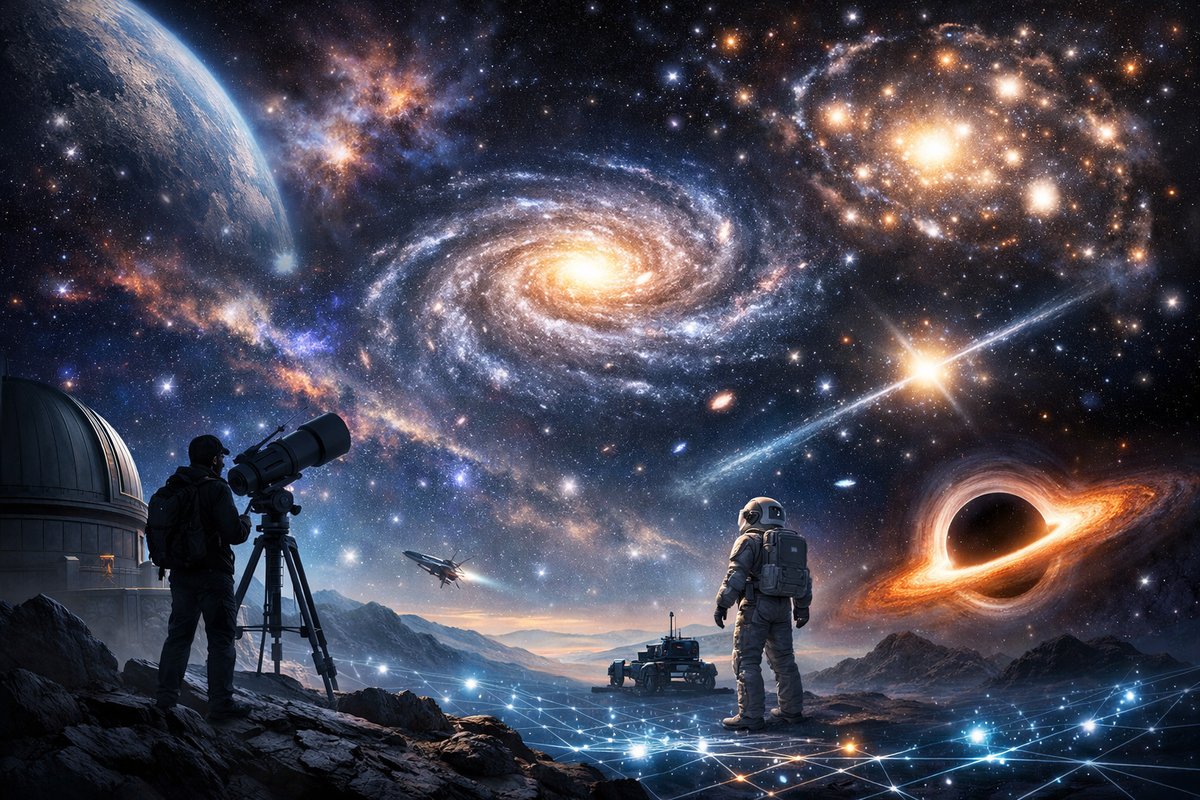
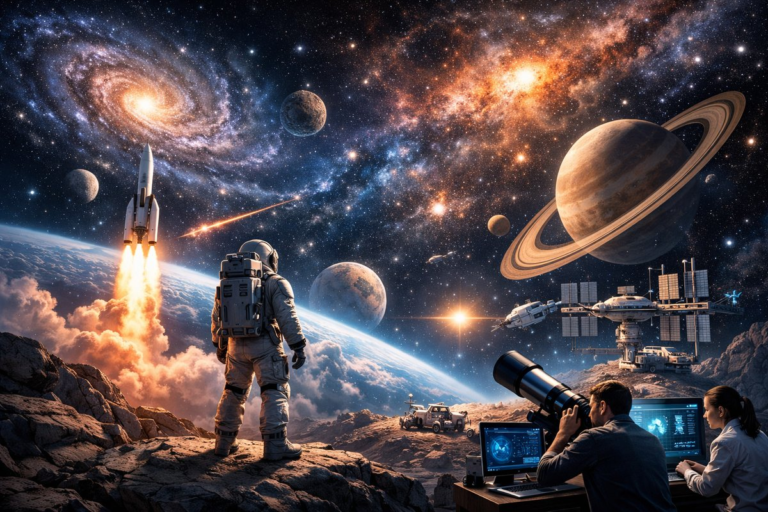
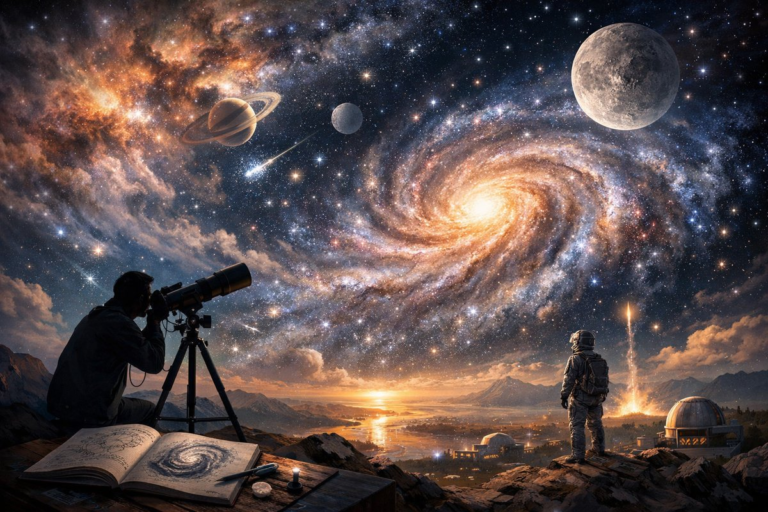
Human fascination with the cosmos transcends mere observation; it fuels a profound journey into the unknown. From probing distant galaxies to unraveling the mysteries of dark matter, cosmic curiosity drives scientific innovation and connects us to the vastness beyond our world.
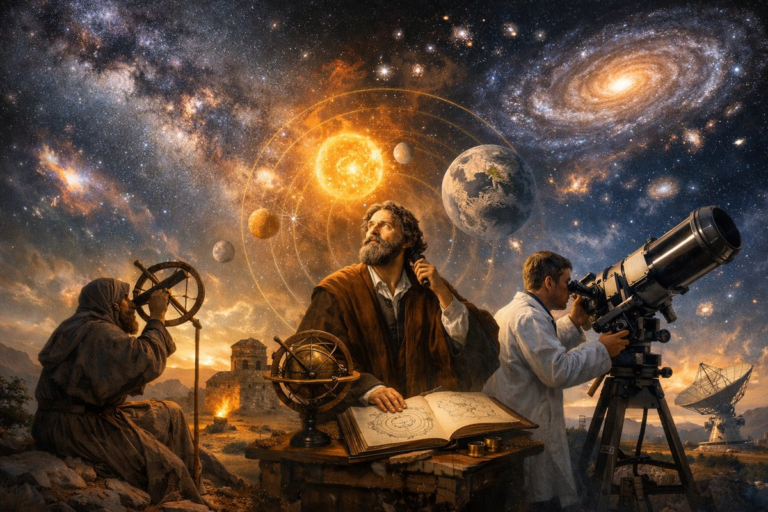
Since the dawn of civilization, humanity has gazed upward, captivated by the shimmering tapestry of stars that adorn the night sky. This innate cosmic curiosity is more than idle wonder-it is the cornerstone of our quest to understand the universe’s origins, structure, and destiny. Today, this curiosity manifests in an unprecedented confluence of advanced technology, collaborative research, and public engagement, forging new pathways into the cosmos that were once only imagined.
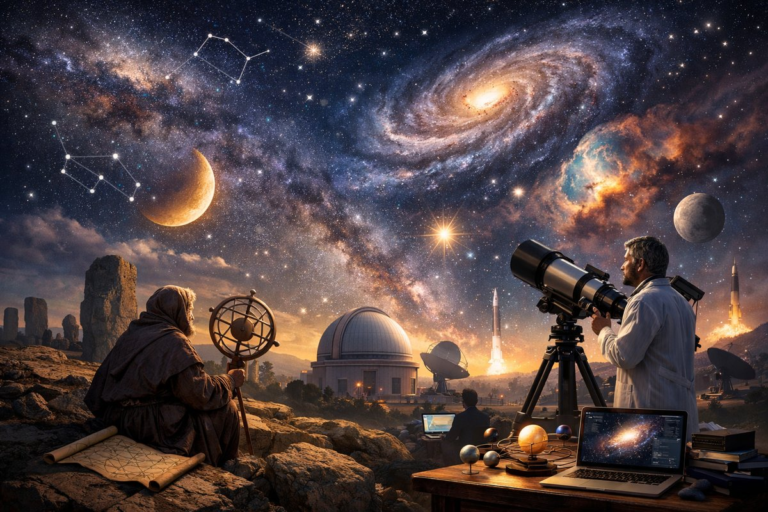
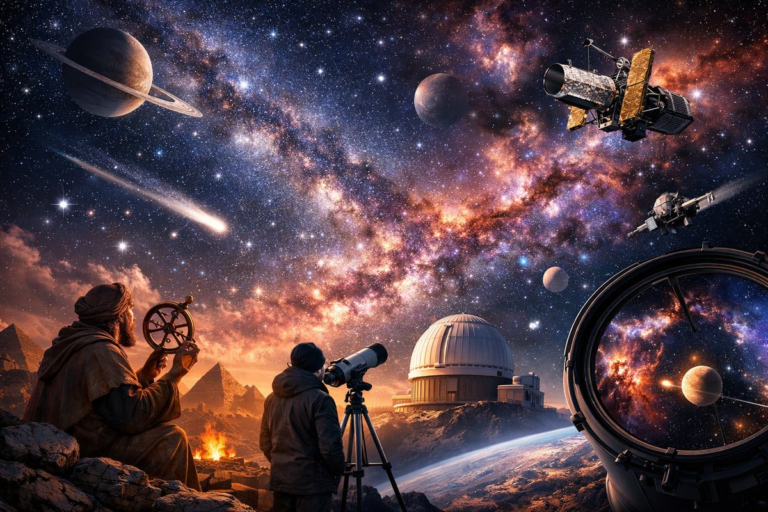
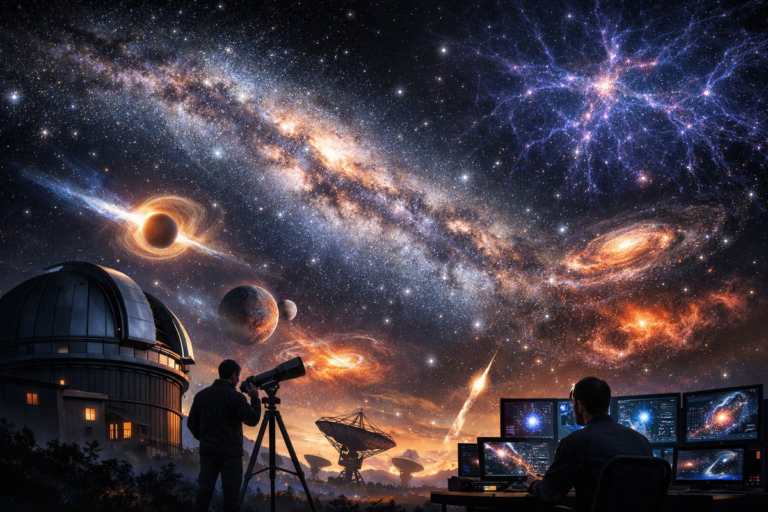
Modern astronomy and astrophysics are fueled by instruments of extraordinary precision. Space telescopes equipped with sensitive detectors peer across the electromagnetic spectrum, revealing celestial phenomena invisible to the naked eye. Ground-based observatories, often located in remote, high-altitude regions, complement these efforts by capturing data on cosmic microwave background radiation, gravitational waves, and exoplanet atmospheres. These tools enable scientists to test theories about the Big Bang, dark energy, and the fundamental forces shaping the cosmos.
But cosmic curiosity extends beyond professional science. Citizen science projects invite enthusiasts worldwide to participate in data analysis, from identifying transient events in telescope images to monitoring variable stars. This democratization of discovery enriches the scientific process and fosters a global community united by wonder and inquiry.
One particularly compelling frontier is the study of dark matter and dark energy, which together constitute about 95% of the universe’s total mass-energy content. Though invisible and elusive, these components govern the large-scale structure and expansion of the universe. Experiments deep underground and sophisticated simulations aim to elucidate their nature, challenging our understanding of physics and prompting new theories that could revolutionize science.
Meanwhile, the search for exoplanets-planets orbiting stars beyond our solar system-has transformed from speculative endeavor to robust field of study. Thousands of such worlds have been discovered, some residing in habitable zones where conditions might support life. This pursuit not only satisfies our cosmic curiosity but also raises profound questions about our place in the universe and the potential for life elsewhere.
Cosmic curiosity also inspires artistic and philosophical reflection. The vastness and mystery of space provoke contemplation about existence, time, and the interconnectedness of all things. This blend of science and humanities enriches culture and encourages a holistic appreciation of the cosmos.
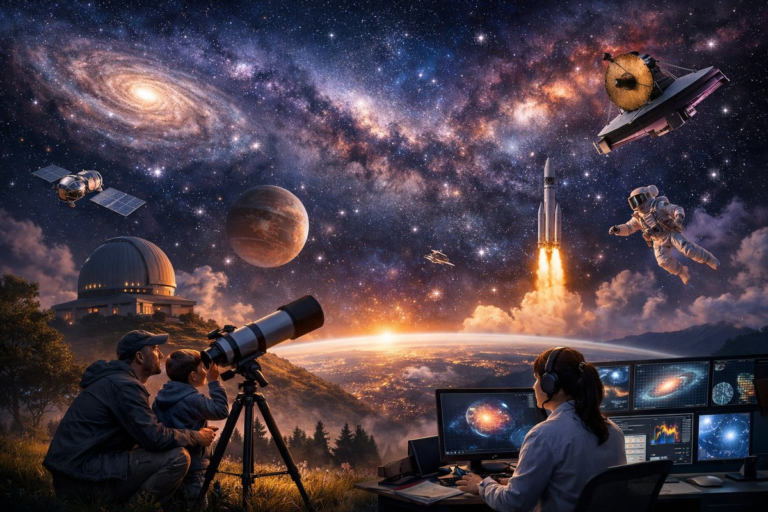
Educational initiatives leverage this curiosity to engage younger generations, emphasizing critical thinking and the scientific method. Planetariums, science museums, and interactive digital platforms provide immersive experiences that bring the cosmos closer to everyday life, nurturing future explorers and innovators.
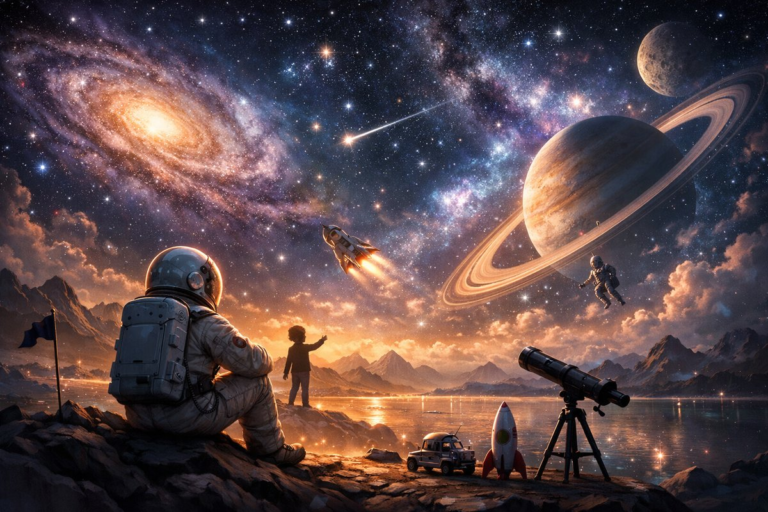
As we advance technologically, projects such as next-generation space telescopes, interplanetary probes, and potential crewed missions to Mars embody humanity’s relentless drive to explore. These endeavors exemplify how cosmic curiosity propels progress, pushing boundaries in engineering, computing, and international cooperation.
Yet, amidst these grand pursuits, it is vital to approach cosmic curiosity with humility and respect for our planet. The quest to understand the universe should inspire sustainable stewardship of Earth, recognizing that our home is a unique oasis in the vast cosmic ocean.
In essence, cosmic curiosity is a powerful catalyst that transcends disciplines and cultures. It invites us to embrace the unknown with open minds and hearts, fostering a shared journey toward knowledge and meaning. As we continue to unravel the universe’s secrets, this curiosity remains a beacon, guiding humanity toward a deeper connection with the cosmos and ourselves.