Location
Mount Vernon, WA 98274

Location
Mount Vernon, WA 98274

From the earliest stargazers to modern astrophysicists, cosmic curiosity drives humanity's quest to understand the universe. This insatiable wonder propels advances in science and philosophy alike, inviting us to explore not only distant galaxies but the very nature of existence itself.
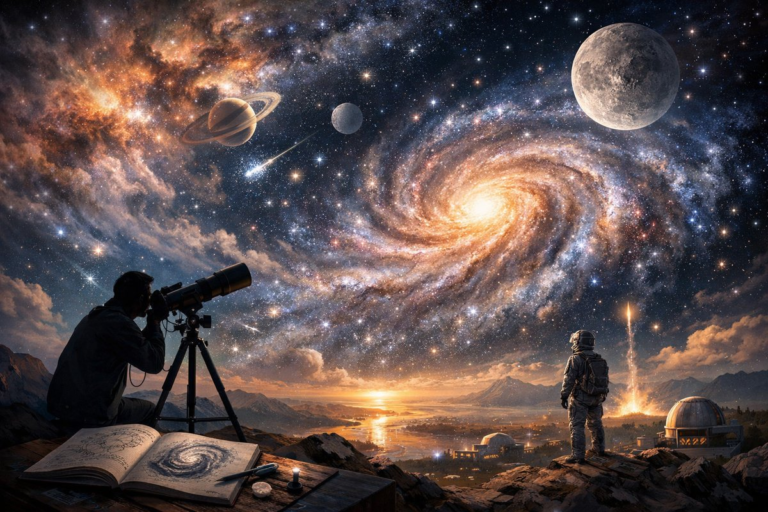
Humanity’s fascination with the cosmos is a timeless thread woven through our collective story. This deep-rooted curiosity about the stars, planets, and the vast unknown beyond our atmosphere has inspired countless generations to look upward and question the nature of reality. Far from mere idle wonder, cosmic curiosity acts as a catalyst for scientific discovery, philosophical inquiry, and cultural expression, enriching our understanding of both the universe and ourselves.
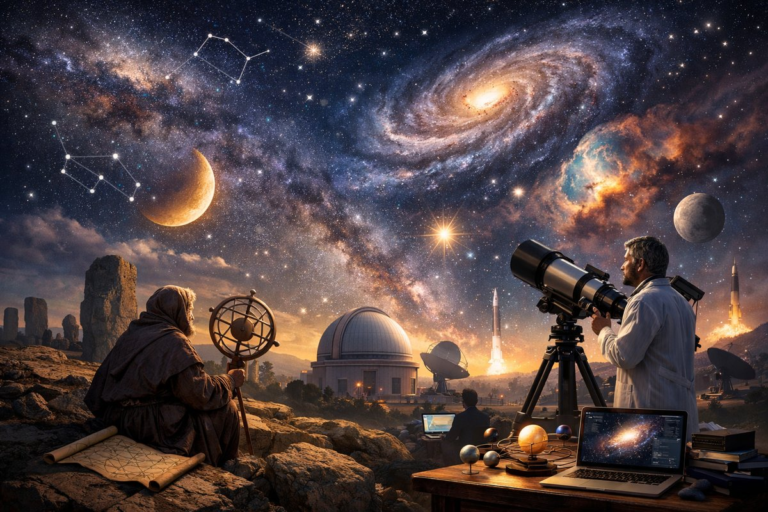
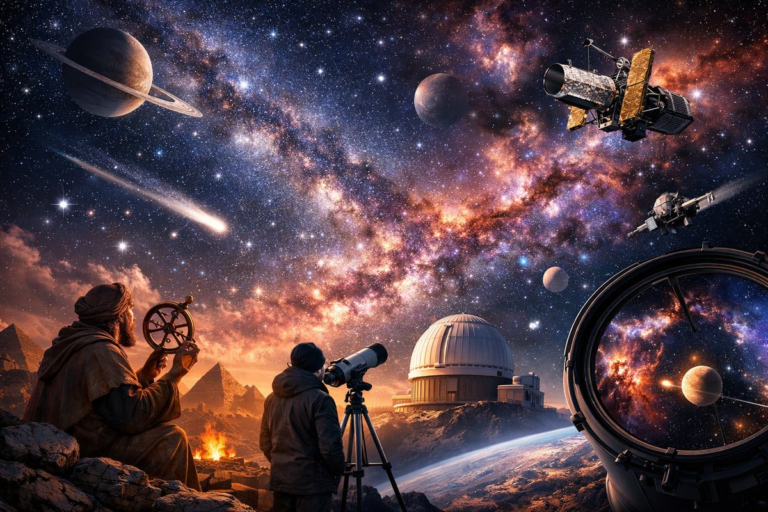
The origins of cosmic curiosity can be traced back to prehistoric times when early humans first noticed the patterns of stars and the cycles of the moon. These celestial observations were not just practical-they were deeply entwined with mythology, spirituality, and the human desire to find meaning in the vastness of the night sky. Ancient civilizations constructed monuments aligned with celestial events, demonstrating a sophisticated grasp of astronomy and a profound reverence for the heavens.
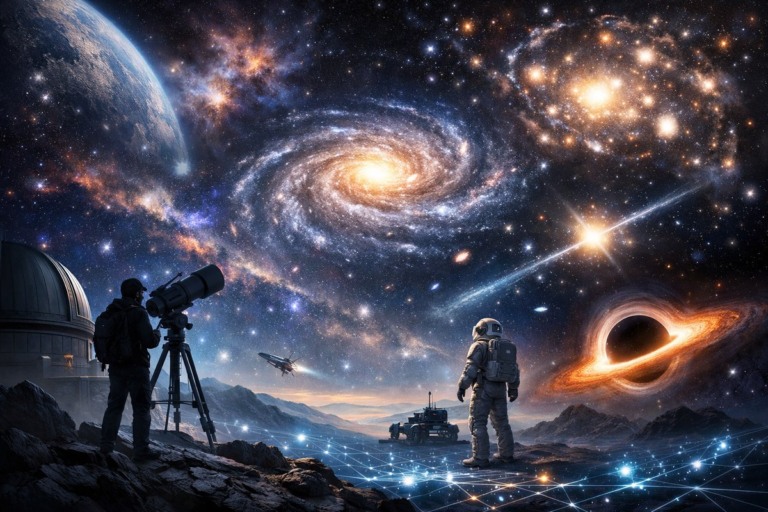
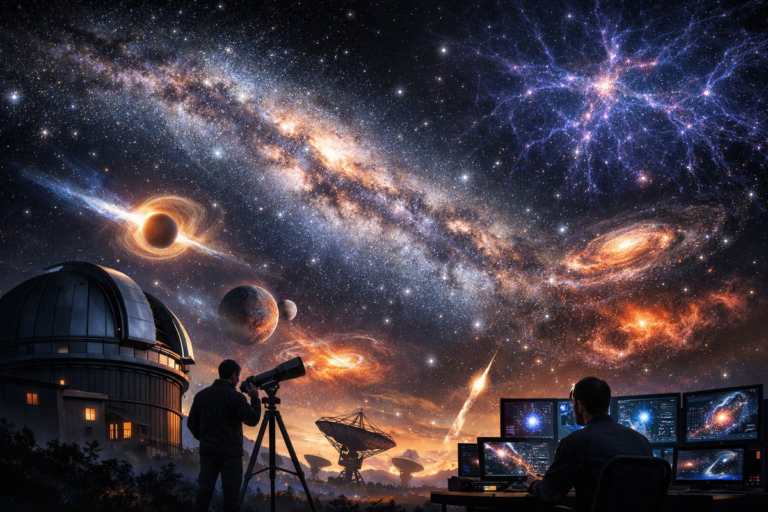
In the modern era, cosmic curiosity has evolved into a rigorous scientific pursuit. Advances in telescopes, space probes, and particle accelerators have opened windows to realms previously unimaginable. Discoveries such as exoplanets orbiting distant stars, the cosmic microwave background radiation, and gravitational waves have expanded our cosmic horizon and challenged existing paradigms.
Yet, the pursuit of cosmic knowledge is not solely about accumulating facts. It is an emotional and philosophical journey that confronts fundamental questions: What is our place in the universe? Are we alone? How did everything begin, and what is the ultimate fate of all matter and energy? These questions fuel both scientific investigation and artistic exploration, inspiring works that blend imagination with empirical evidence.
One of the most compelling aspects of cosmic curiosity is its ability to unite disciplines. Astronomy, physics, philosophy, and even literature converge when we contemplate the universe. This interdisciplinary dialogue enriches our perspectives and encourages holistic thinking. For example, the concept of dark matter and dark energy, which constitute the majority of the universe’s mass-energy content, challenges physicists to rethink fundamental forces, while philosophers ponder the implications for our understanding of reality.
Moreover, cosmic curiosity has practical implications. Technologies developed to explore space have led to innovations in communications, medicine, and materials science. Satellite technology, GPS, and climate monitoring are direct beneficiaries of space research, demonstrating how our quest to understand the cosmos benefits life on Earth.
On a cultural level, cosmic curiosity fosters a sense of shared identity and collective wonder. In a world often divided by borders and ideologies, gazing at the stars reminds us of our common origin and fragile existence on a pale blue dot. This perspective nurtures humility, empathy, and a stewardship ethic toward our planet and beyond.
However, embracing cosmic curiosity also requires confronting uncertainty and complexity. The universe is vast and often counterintuitive, filled with paradoxes and mysteries that defy easy answers. This demands intellectual humility and openness to new ideas, qualities that are essential not only for science but for navigating an increasingly complex world.
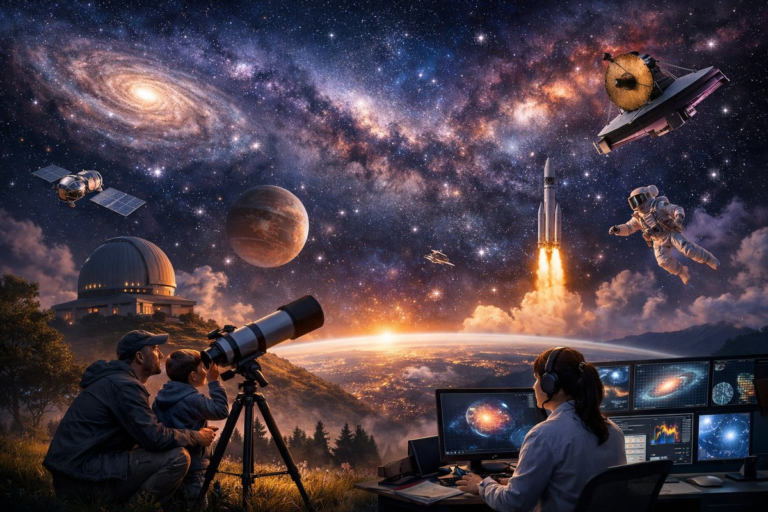
In educational contexts, nurturing cosmic curiosity can inspire learners of all ages to engage with STEM fields and critical thinking. Hands-on experiences, such as stargazing events, planetarium visits, and citizen science projects, make the abstract tangible and ignite a lifelong passion for exploration.
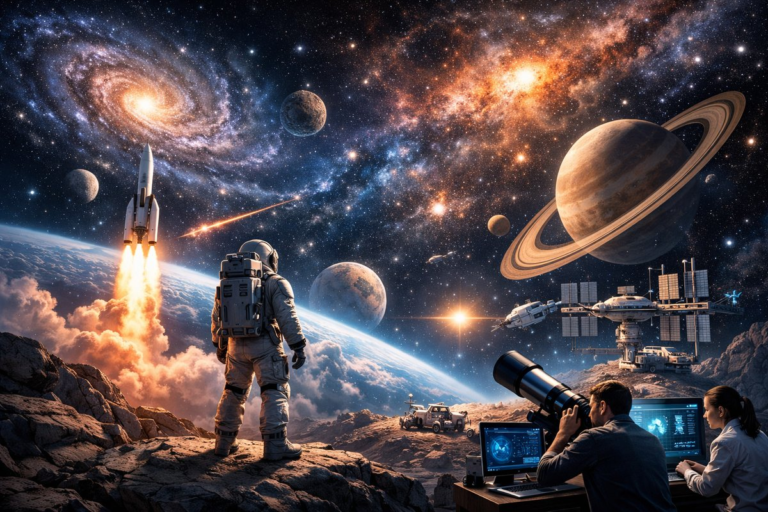
Looking ahead, the future of cosmic curiosity is intertwined with emerging technologies like space telescopes with unprecedented resolution, interstellar probes, and advances in artificial intelligence that can analyze vast datasets. These tools promise to deepen our understanding of cosmic phenomena and perhaps answer some of the most profound questions about life and the universe.
Ultimately, cosmic curiosity is more than a scientific endeavor; it is a human trait that embodies wonder, resilience, and the drive to transcend our limits. It invites us to embrace mystery, celebrate discovery, and cultivate a profound connection with the cosmos that is both intellectual and deeply emotional. As we continue to explore the stars, we also explore the depths of our own imagination and the boundless potential of human inquiry.