Location
Mount Vernon, WA 98274

Location
Mount Vernon, WA 98274
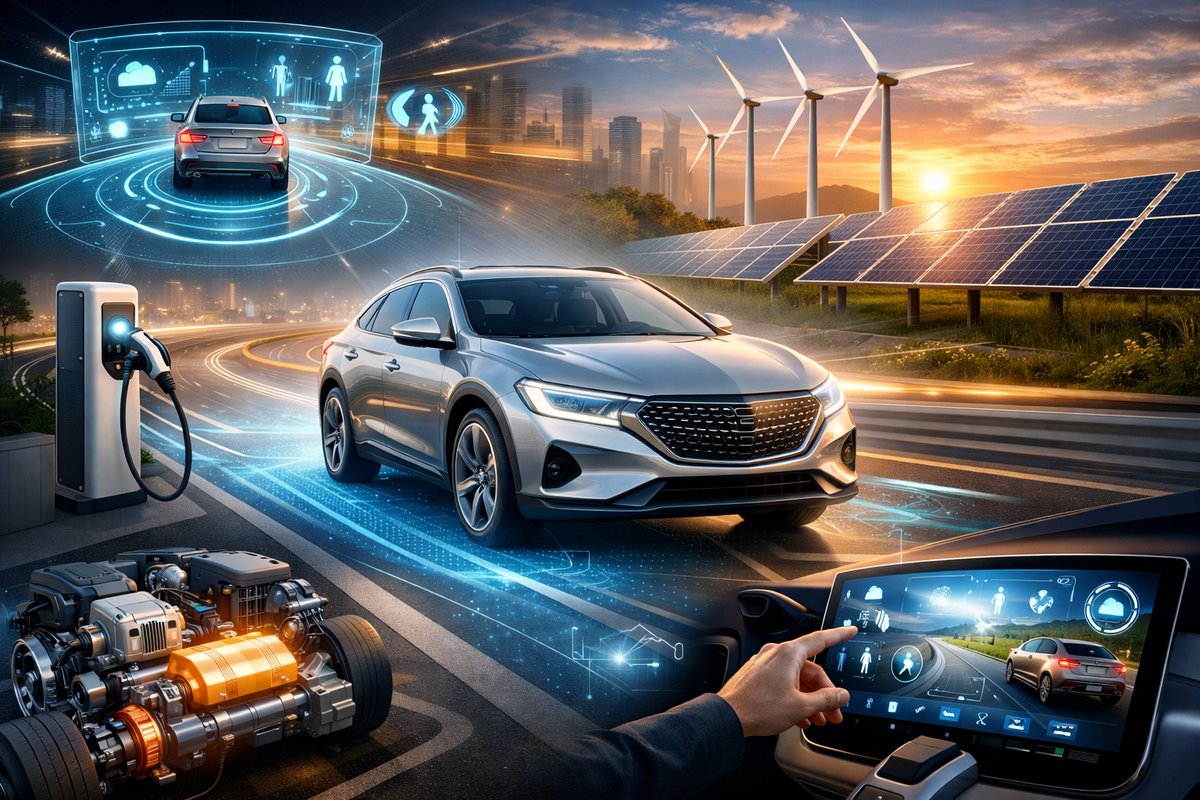
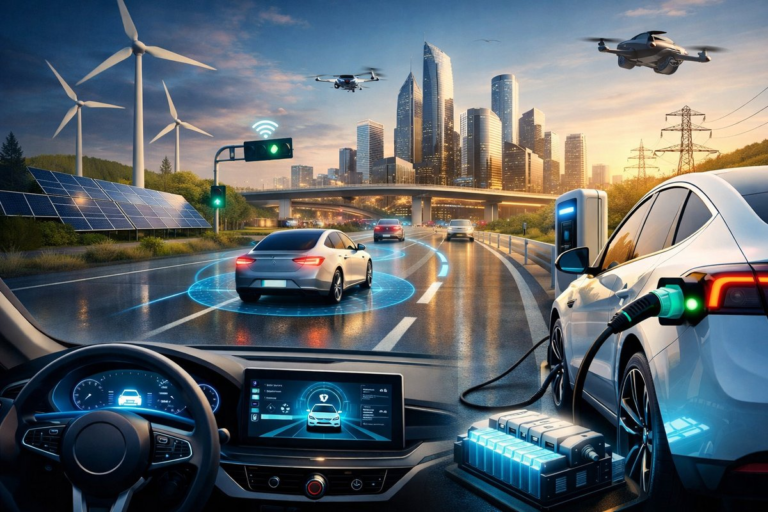
The automotive landscape is rapidly evolving with adaptive technologies that enhance safety, efficiency, and user experience. From intelligent driver assistance systems to energy-efficient powertrains, these innovations are reshaping how we move and interact with vehicles, promising a future where transportation is more intuitive and sustainable.
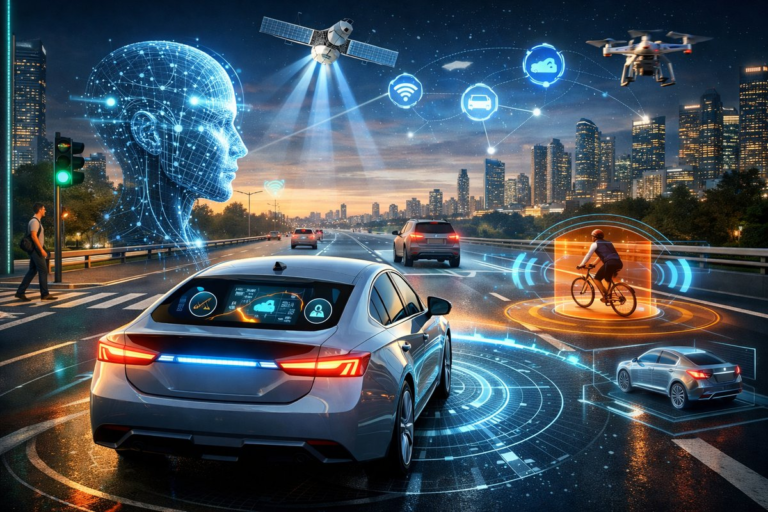
Automotive technology is undergoing a profound transformation, driven by the convergence of advanced sensors, artificial intelligence, and connectivity. This evolution is not just about adding new gadgets but about fundamentally rethinking how vehicles operate, interact with their environment, and serve their drivers and passengers. The latest wave of adaptive technologies is steering the industry toward smarter, safer, and more sustainable transportation solutions.
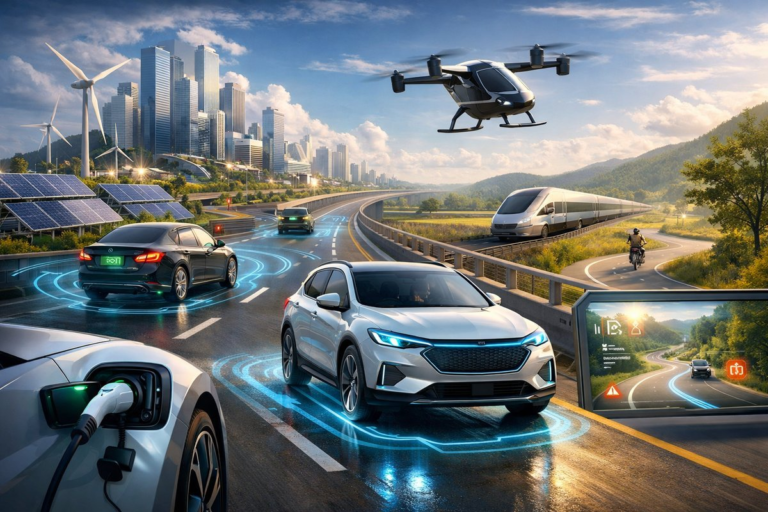
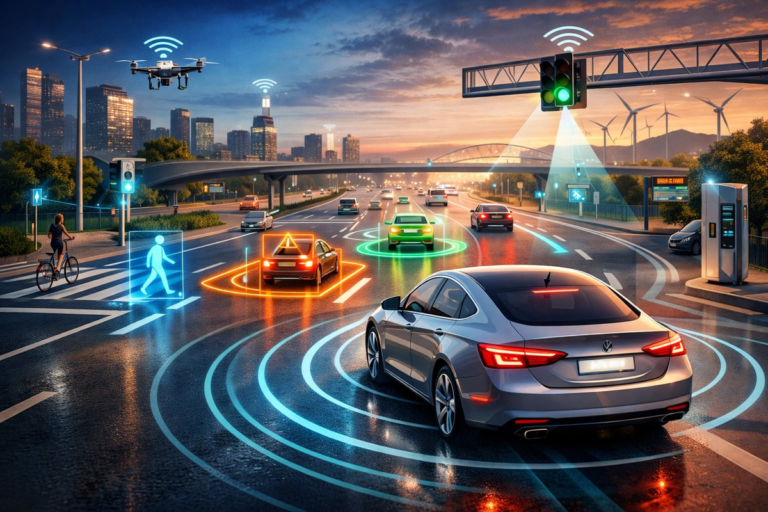
At the core of this shift are intelligent driver assistance systems (ADAS), which have become increasingly sophisticated. These systems use an array of sensors-including cameras, radar, and lidar-to monitor the vehicle’s surroundings in real time. By processing this data through powerful onboard computers, ADAS can provide features such as adaptive cruise control, lane-keeping assistance, and automatic emergency braking. These capabilities help reduce human error, which remains a leading cause of traffic accidents worldwide.
A notable advancement in this area is the integration of predictive analytics into driver assistance. Instead of merely reacting to immediate obstacles, some systems now anticipate potential hazards by analyzing patterns in traffic flow, road conditions, and driver behavior. This proactive approach enhances safety and can even reduce congestion by smoothing traffic dynamics.
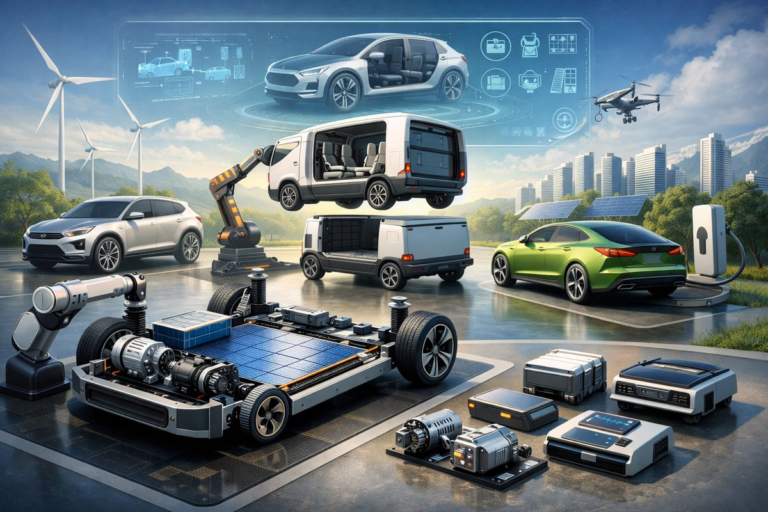
Beyond safety, adaptive technologies are enhancing vehicle efficiency and sustainability. Electrification is a major trend, with electric and hybrid powertrains becoming more common. However, the innovation extends further into energy management systems that optimize battery use, regenerative braking, and thermal control to maximize range and lifespan. These systems adapt to driving styles and environmental conditions, ensuring that energy consumption is as efficient as possible.
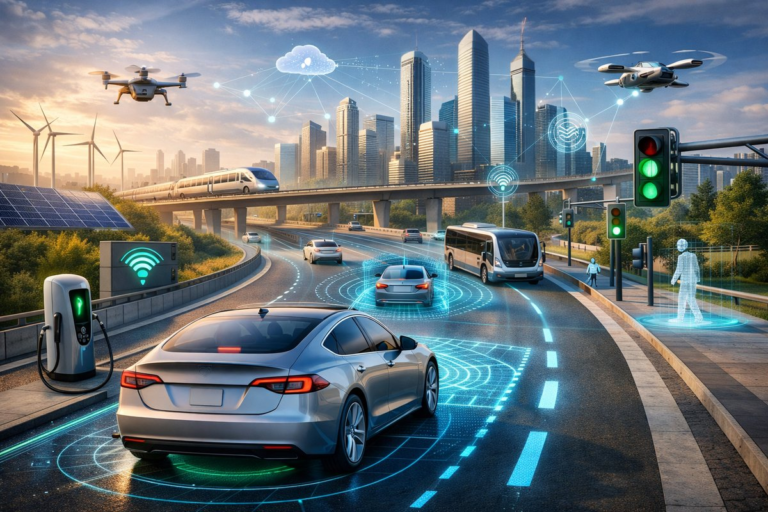
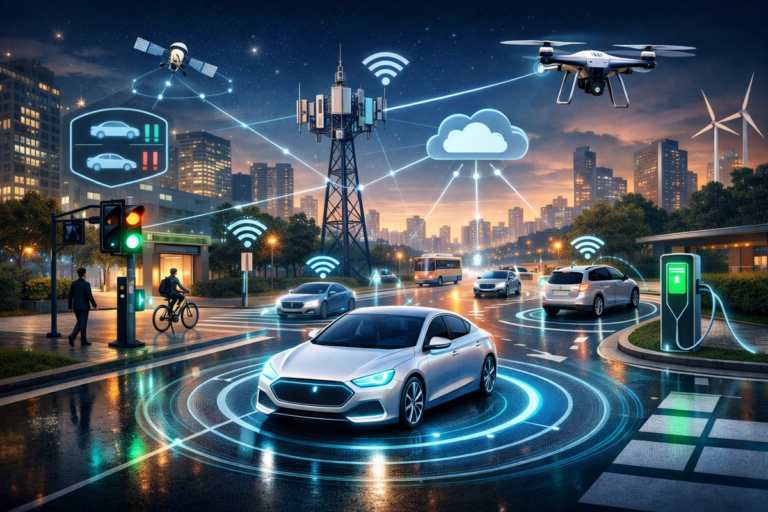
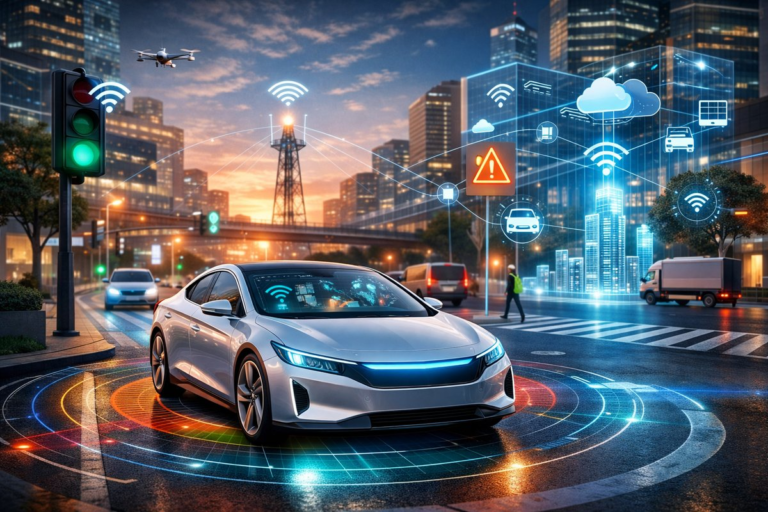
Connectivity also plays a pivotal role. Modern vehicles are equipped with communication modules that enable vehicle-to-vehicle (V2V) and vehicle-to-infrastructure (V2I) interactions. This networked approach allows cars to share information about traffic, hazards, and road conditions, creating a cooperative transportation ecosystem. For example, a vehicle detecting icy conditions on a bridge can alert others approaching the area, enabling timely adjustments to speed and route.
The user experience is evolving alongside these technical improvements. Adaptive infotainment systems now tailor content and interface layouts based on driver preferences, habits, and even biometric feedback such as heart rate or eye movement. This personalization aims to reduce distraction and fatigue by presenting information in the most accessible and calming way possible.
Moreover, advances in voice recognition and natural language processing allow drivers to control vehicle functions hands-free with greater accuracy and nuance. This reduces the need for physical interaction with controls, further enhancing safety.
Maintenance and repair are also benefiting from adaptive technologies. Predictive diagnostics use sensor data and machine learning to forecast component wear and potential failures before they occur. This enables proactive maintenance scheduling, reducing downtime and repair costs. Some vehicles can even communicate directly with service centers to streamline appointment booking and parts ordering.
Despite these promising developments, challenges remain. Ensuring cybersecurity in increasingly connected vehicles is paramount to prevent unauthorized access or malicious interference. Additionally, the ethical and legal frameworks surrounding autonomous decision-making in vehicles are still evolving.
As these technologies mature, they hold the potential to redefine mobility itself. Beyond personal vehicles, adaptive systems are being integrated into public transit, freight logistics, and shared mobility platforms. This holistic approach could lead to more efficient use of infrastructure, reduced environmental impact, and greater accessibility for diverse populations.
In summary, adaptive automotive technologies are more than incremental upgrades; they represent a paradigm shift in how vehicles function and interact with the world. By enhancing safety, efficiency, and user experience through intelligent systems, the automotive industry is paving the way for a transportation future that is smarter, more sustainable, and more responsive to human needs.