Location
Mount Vernon, WA 98274

Location
Mount Vernon, WA 98274
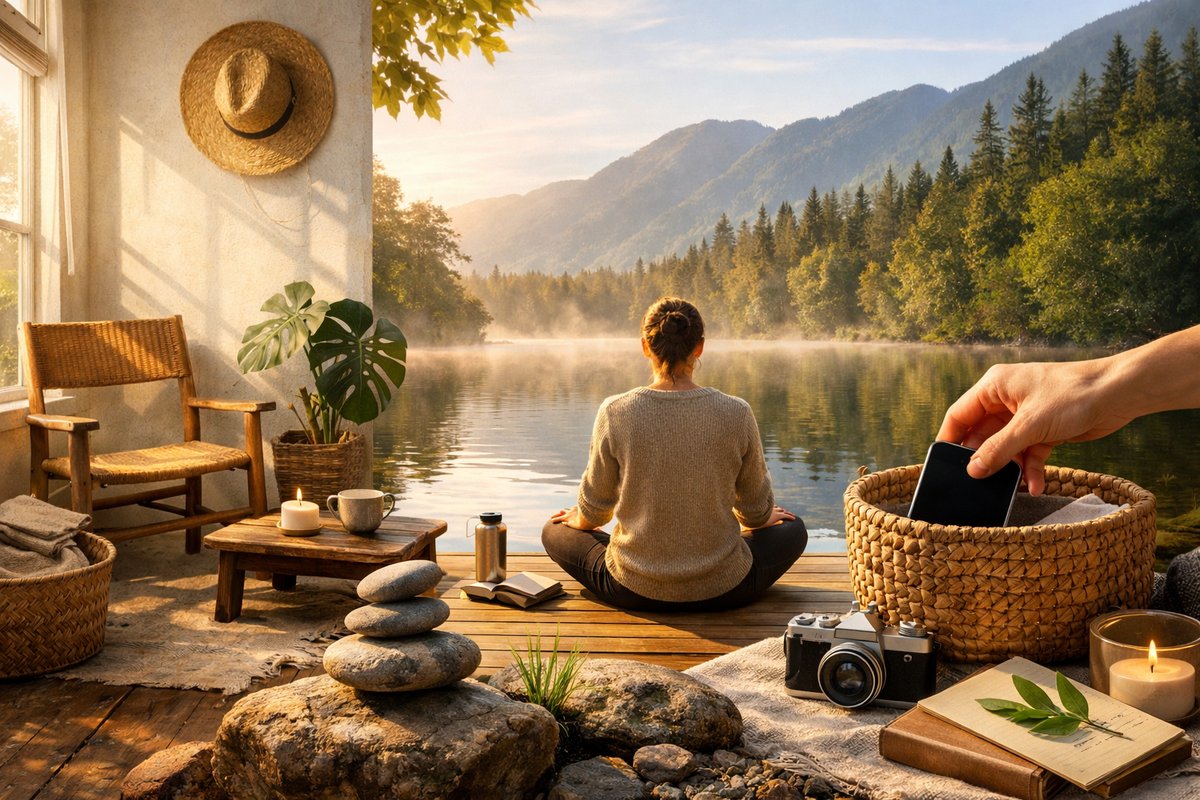
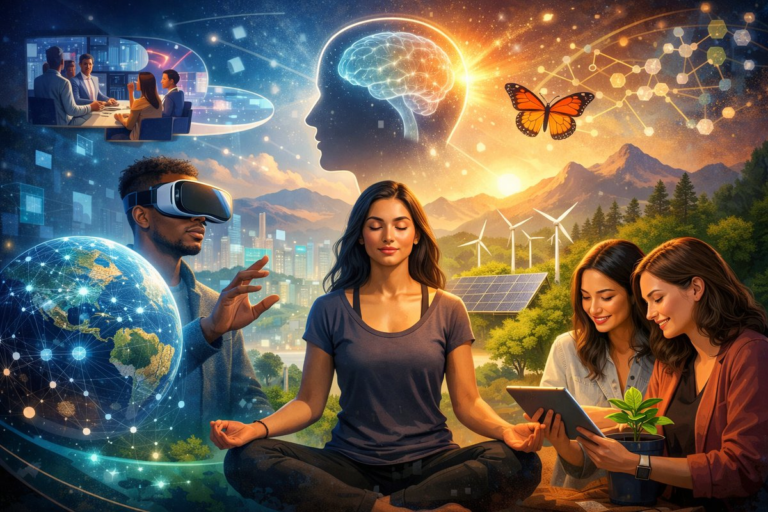
As society grapples with digital overload and environmental concerns, a growing movement towards intentional living is emerging. Rooted in mindful minimalism and digital detox practices, this trend reflects deeper cultural shifts in how we value time, technology, and sustainability.
In recent years, a palpable shift has taken place beneath the surface of daily life-one that signals a collective yearning for balance, meaning, and connection beyond the frenetic pace of modern technology and consumer culture. This shift, often described as intentional living, embodies a conscious approach to how people engage with their environment, relationships, and digital worlds. It is not merely a fleeting trend but a profound recalibration of priorities that touches on mental health, sustainability, and social dynamics.
Intentional living encompasses a variety of practices, but at its core lies mindful minimalism-the deliberate choice to declutter physical and mental spaces to foster clarity and presence. Unlike traditional minimalism focused solely on aesthetics or reducing possessions, mindful minimalism invites individuals to assess the value and impact of what they consume, own, and engage with. It encourages asking questions such as: Does this item or activity enrich my life? Does it align with my values? What footprint does it leave on the planet?
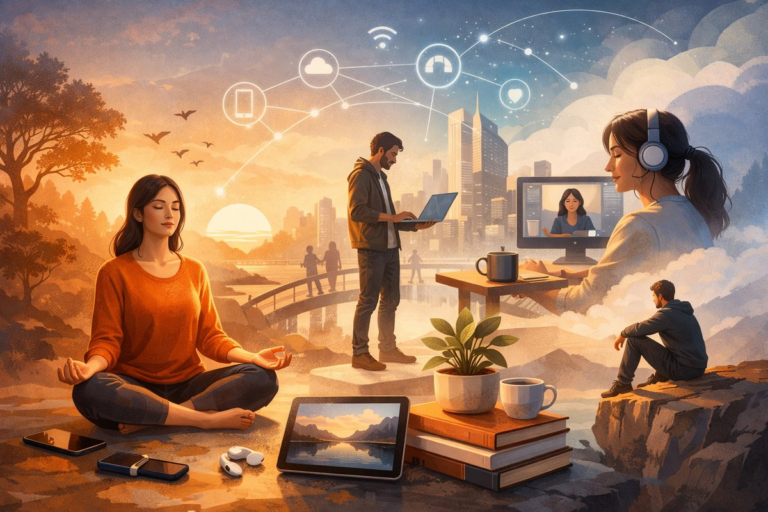
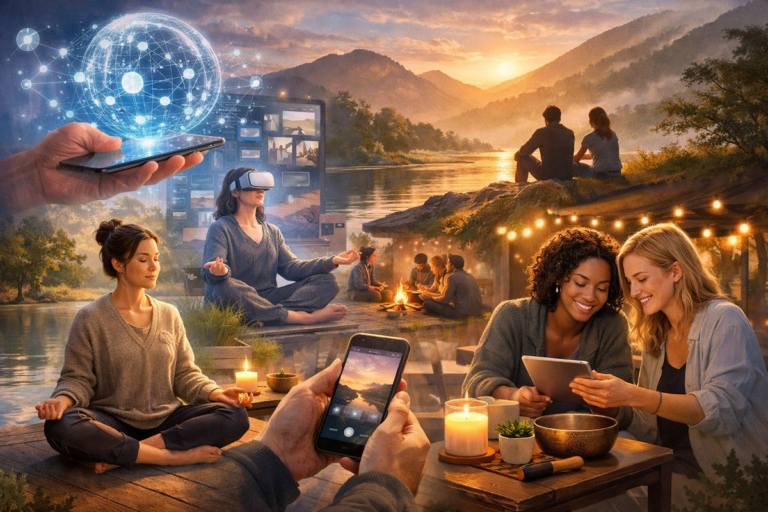
This ethos responds directly to the saturation of consumer goods and information overload characteristic of the digital age. The average person is bombarded daily with thousands of messages, notifications, and advertisements, contributing to stress and distraction. Digital detox practices-periods of intentional disconnection from screens and online platforms-have gained traction as antidotes to this constant stimulation. People are carving out technology-free zones and times to reconnect with themselves, nature, and others in more meaningful ways.
The pandemic years accelerated these tendencies, as lockdowns and social distancing forced many to reevaluate their relationship with technology and consumption. Remote work blurred boundaries between personal and professional life, often intensifying digital fatigue. At the same time, environmental awareness surged, with more people recognizing the impact of their habits on climate change and resource depletion.
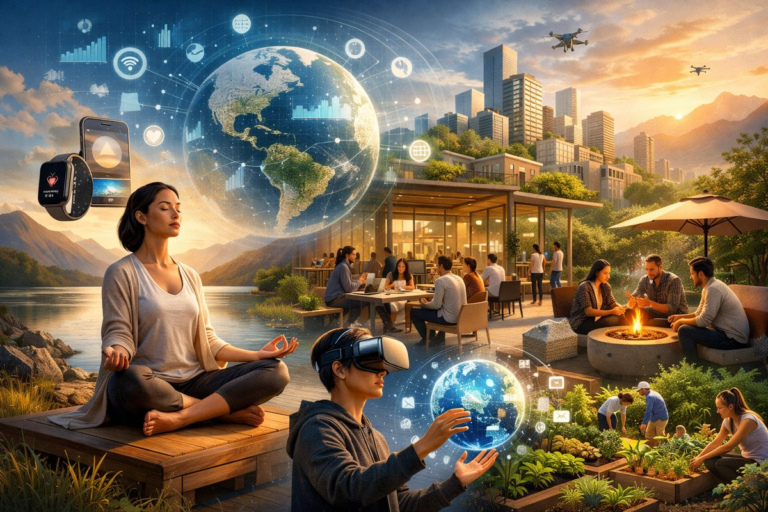
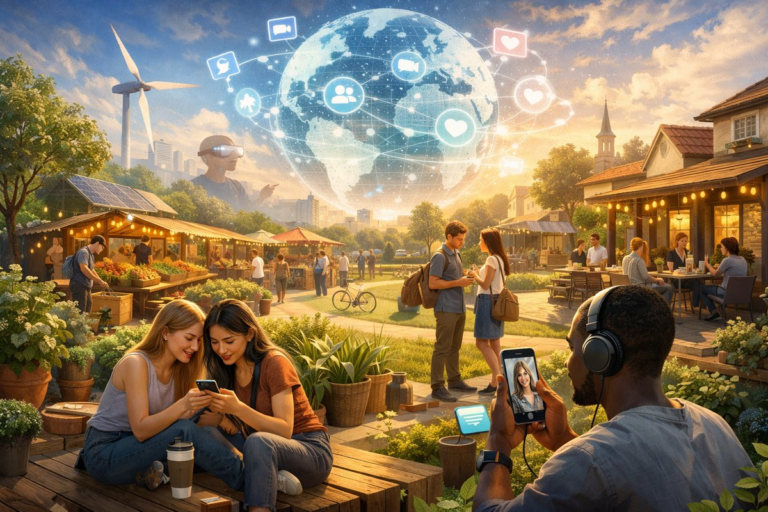
Community-oriented initiatives have blossomed alongside individual efforts. Local repair cafes, zero-waste workshops, and urban gardening projects illustrate a collective move toward sustainability and resilience. These grassroots activities foster social bonds and empower participants to reduce reliance on mass-produced goods and disposable culture.
Culturally, this movement challenges the narrative of constant growth and accumulation as markers of success. Instead, well-being, authenticity, and ecological responsibility are emerging as new currencies. Social media platforms, paradoxically both contributors to and reflectors of this shift, now host vibrant communities dedicated to sharing tips on slow living, ethical fashion, and mindful consumption.
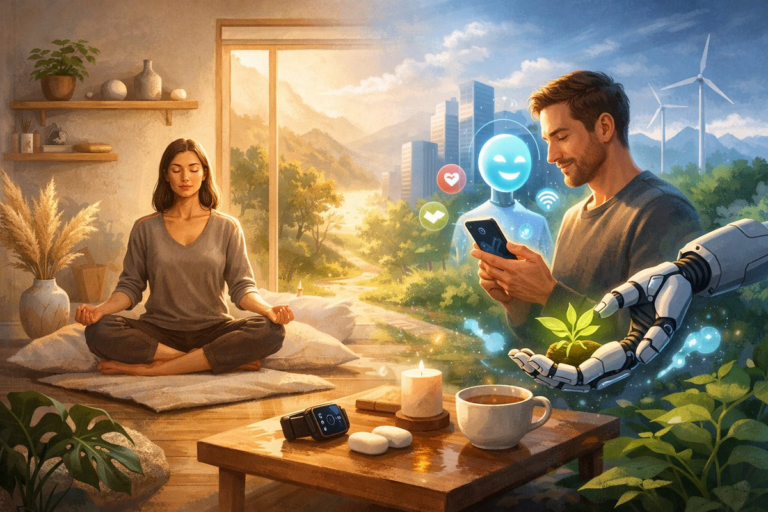
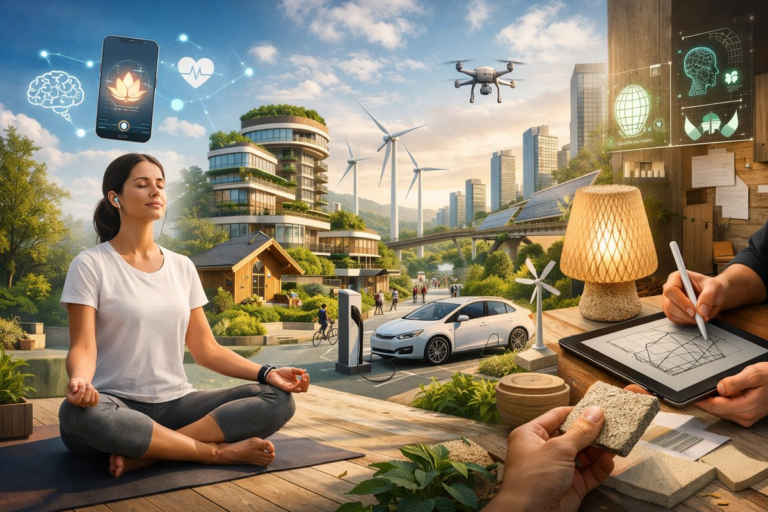
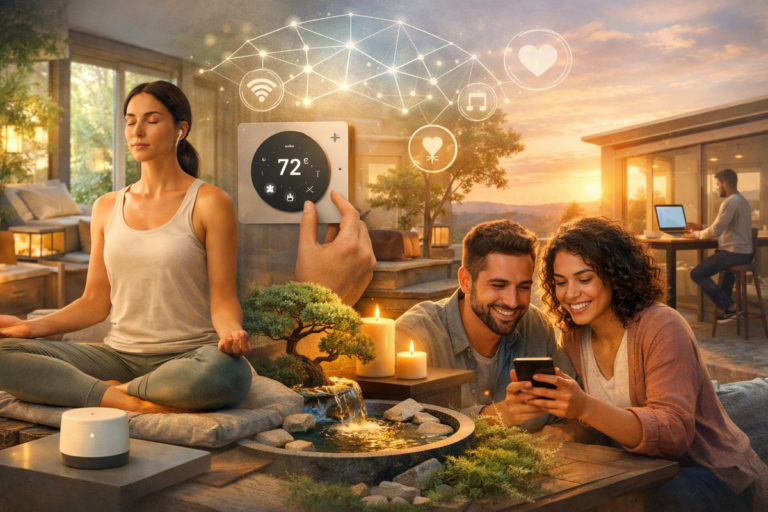
Technology itself is not rejected but reimagined. Tools designed to support intentional living-such as apps for meditation, habit tracking, and digital wellness-are flourishing. Smart home devices are increasingly marketed with energy efficiency and user control in mind, aligning convenience with sustainability.
This trend also intersects with evolving workplace cultures. Companies are exploring flexible schedules, remote work options, and wellness programs that acknowledge employees’ needs for balance and mental health support. The traditional 9-to-5 model is being questioned, opening space for more humane approaches to productivity.
Educational institutions are integrating curricula that emphasize emotional intelligence, environmental stewardship, and critical media literacy, equipping younger generations to navigate a complex world thoughtfully. This holistic approach aims to cultivate citizens who are not only informed but also empathetic and proactive.
However, intentional living faces challenges and critiques. Some argue that it risks becoming a privilege accessible mainly to those with financial security and time. The pressure to optimize every aspect of life can also lead to new forms of anxiety or performative behaviors. Addressing these concerns requires inclusivity and compassion, ensuring that the movement remains grounded in genuine well-being rather than perfectionism.
Looking ahead, intentional living is poised to deepen its roots as more people seek resilience amid global uncertainties. Climate crises, social inequalities, and technological transformations demand adaptive and mindful responses. By fostering awareness, connection, and purpose, this cultural current offers a hopeful pathway toward a more balanced and sustainable future.
In essence, the rise of intentional living reflects a collective awakening-a recognition that how we live, consume, and relate to one another matters profoundly. It invites a pause, a breath, and a thoughtful step forward into a world where quality, meaning, and care take precedence over quantity and haste.