Location
Mount Vernon, WA 98274

Location
Mount Vernon, WA 98274
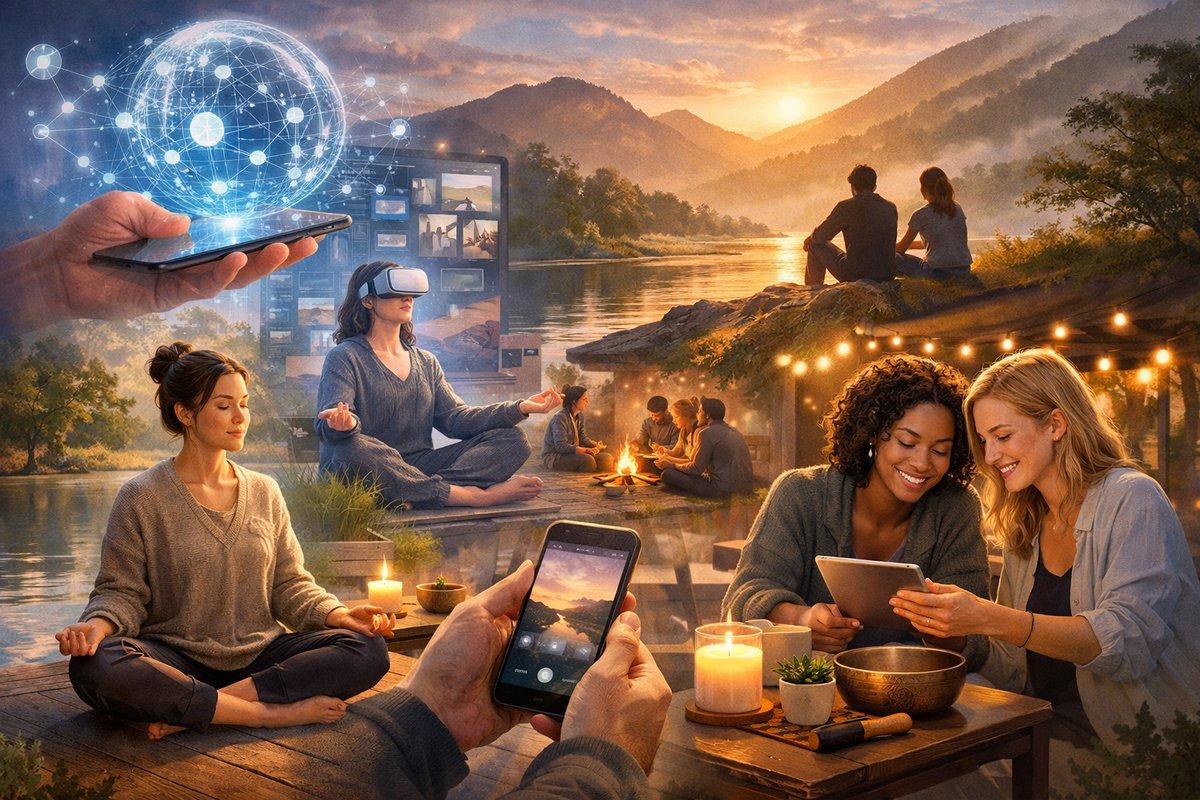
In a world saturated with noise and rapid change, emerging social phenomena reveal a turn toward subtlety, intentionality, and deeper connection. From the rise of micro-communities to the blending of digital and physical mindfulness practices, these evolving patterns offer insight into how society is recalibrating its rhythms and values.
Amid the cacophony of fast-paced technological advances and cultural upheavals, a quieter transformation is unfolding beneath the surface of mainstream awareness. This shift is less about flashy innovations or viral trends and more about nuanced changes in how individuals and communities relate to themselves, each other, and their environments. These subtle social currents-often overlooked in favor of headline-grabbing phenomena-signal a profound recalibration of our collective experience, emphasizing connection, presence, and sustainability.
One of the most telling patterns is the emergence of micro-communities that prioritize shared values and intentional interaction over mass participation. Unlike large social networks driven by algorithms designed to maximize engagement and ad revenue, these smaller groups focus on quality of connection, fostering environments where vulnerability and authenticity are encouraged. Examples include local skill-sharing circles, niche online forums dedicated to sustainable living, and neighborhood-based time banks where services are exchanged without money. These micro-communities serve as social laboratories, exploring new models of reciprocity and cooperation that contrast with the transactional nature of much of contemporary social media.
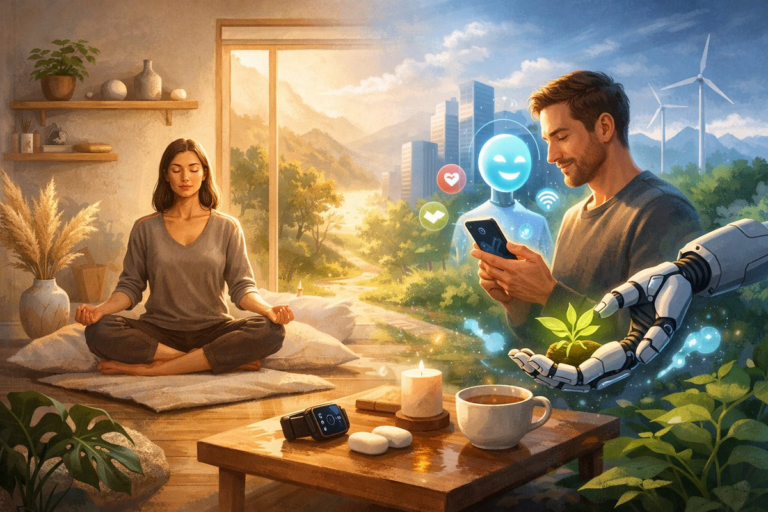
Parallel to this is a growing embrace of practices that blend digital tools with mindfulness and embodied presence. While technology is often critiqued for fragmenting attention and amplifying anxiety, a counter-movement is harnessing digital platforms to support mental well-being and contemplative practice. Apps that combine guided meditation with biofeedback, virtual reality experiences designed to induce calm and awe, and online workshops teaching somatic awareness represent this fusion. The goal is not to escape the digital realm but to inhabit it more consciously, cultivating resilience and emotional intelligence in an age of information overload.
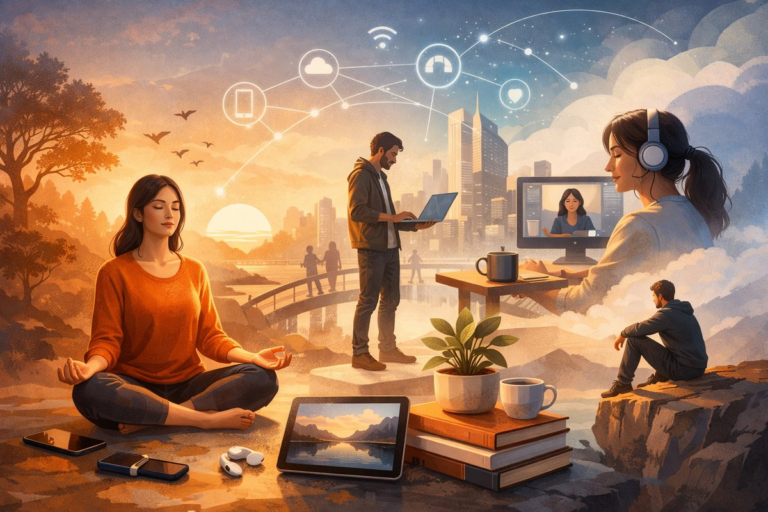
Another dimension of this shift is the reimagining of work and productivity. The pandemic-era acceleration of remote work has catalyzed a reevaluation of what it means to be productive and fulfilled. Rather than measuring success solely by output or hours logged, there is growing interest in sustainable work rhythms that honor human needs for rest, creativity, and social connection. This has led to innovations such as asynchronous collaboration tools, flexible scheduling, and the normalization of mental health days. Such changes reflect a broader cultural questioning of burnout and the capitalist imperative to always be ‘on.’
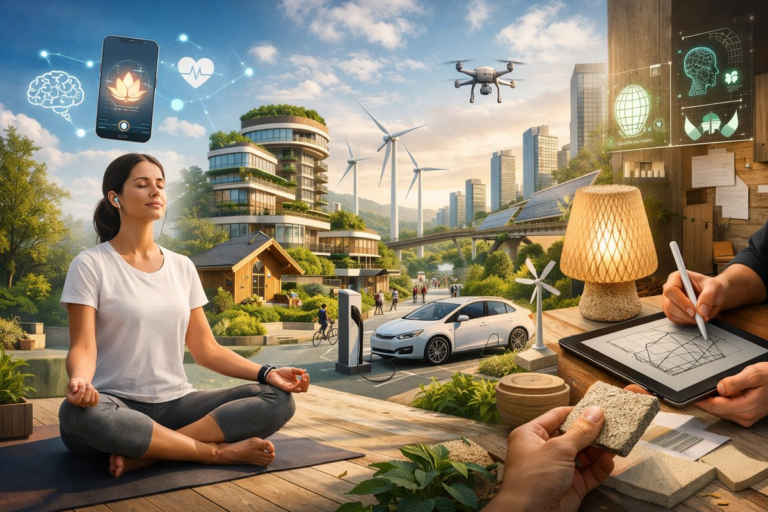
Environmental consciousness is also weaving itself more deeply into daily life, not only through large-scale activism but through micro-habits and design choices that prioritize sustainability. From zero-waste challenges shared within small online groups to urban gardening initiatives that reclaim neglected spaces, these grassroots efforts demonstrate how ecological awareness is becoming embedded in lifestyle and community practices. Designers and architects are responding by creating products and spaces that emphasize durability, reparability, and minimal environmental impact, reflecting a shift from disposable consumerism to mindful stewardship.
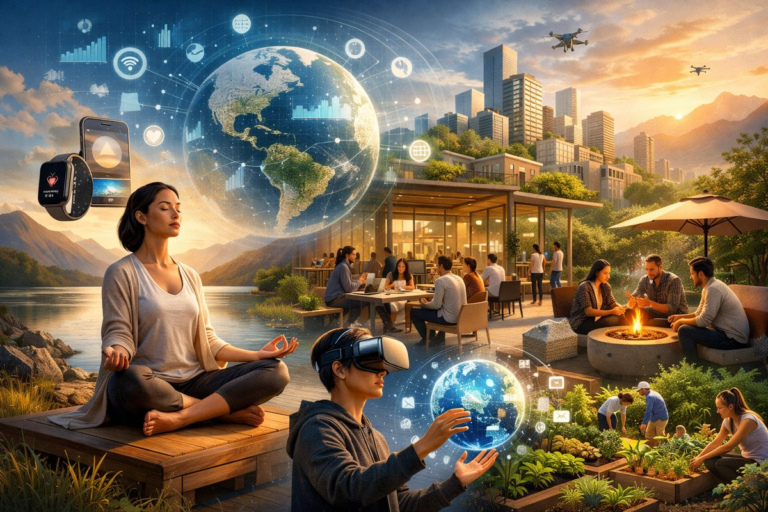
Importantly, these trends are interconnected rather than isolated. The micro-communities fostering authentic connection often serve as incubators for sustainable habits and mindful technology use. Similarly, redefined work practices create space for environmental engagement and personal well-being. Together, they form a mosaic of change that points toward a future where human flourishing is measured not just by economic growth or technological prowess but by the quality of relationships, the health of ecosystems, and the depth of individual awareness.
Yet, this quiet revolution is not without challenges. The very subtlety of these movements makes them vulnerable to co-optation by commercial interests or dilution through mass adoption. There is also a risk that focusing on micro-level changes might obscure the need for systemic transformation in areas such as social justice and climate policy. Balancing the personal and the political, the local and the global, remains a critical tension for these emerging patterns.
As we navigate this evolving landscape, cultivating curiosity and emotional intelligence becomes essential. Recognizing the value in small acts of connection, the power of presence amidst distraction, and the importance of aligning daily choices with deeper values can empower individuals and communities to participate consciously in shaping the future. These signals of change invite us to slow down, listen closely, and engage with complexity rather than seeking simple answers.
Ultimately, the subtle shifts in connection and consciousness emerging today may not dominate headlines, but they hold the potential to redefine what it means to live well in a rapidly changing world. By attending to these nuanced patterns, we can glimpse a future where technology, culture, and ecology intertwine harmoniously, supporting resilient and compassionate societies.