Location
Mount Vernon, WA 98274

Location
Mount Vernon, WA 98274
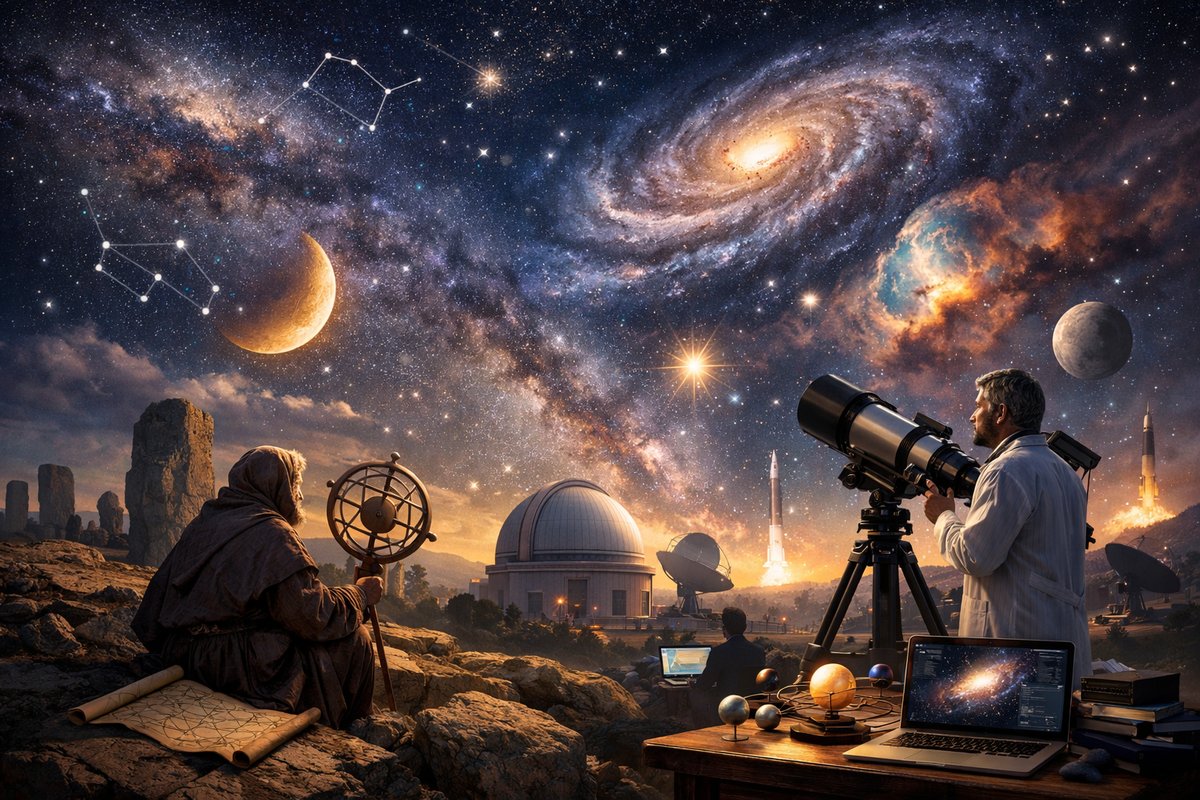
From ancient stargazers to modern astrophysicists, humanity's fascination with the cosmos has driven profound discoveries and inspired boundless imagination. This article delves into the evolving nature of cosmic curiosity, revealing how our quest to understand the universe blends scientific rigor with poetic wonder.
Humanity’s gaze has always been drawn upward, toward the vast expanse of the night sky. The twinkling stars, the silvery glow of the moon, and the mysterious dance of planets have captivated countless generations. But cosmic curiosity is more than a simple fascination; it is a fundamental expression of our desire to understand our place in the universe. This urge to explore the cosmos has shaped cultures, driven scientific breakthroughs, and continues to inspire new ways of thinking about space, time, and existence itself.
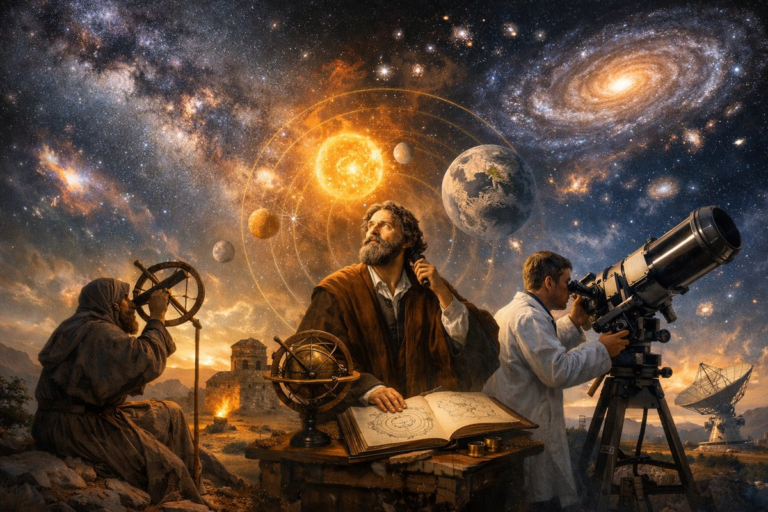
The roots of cosmic curiosity stretch back millennia. Early civilizations mapped the stars to guide agricultural cycles, navigate oceans, and tell stories about gods and heroes. These celestial narratives embedded the cosmos into human culture, transforming distant points of light into symbols of fate and meaning. Yet, as astronomy matured into a science, the night sky became a laboratory for inquiry rather than just myth.
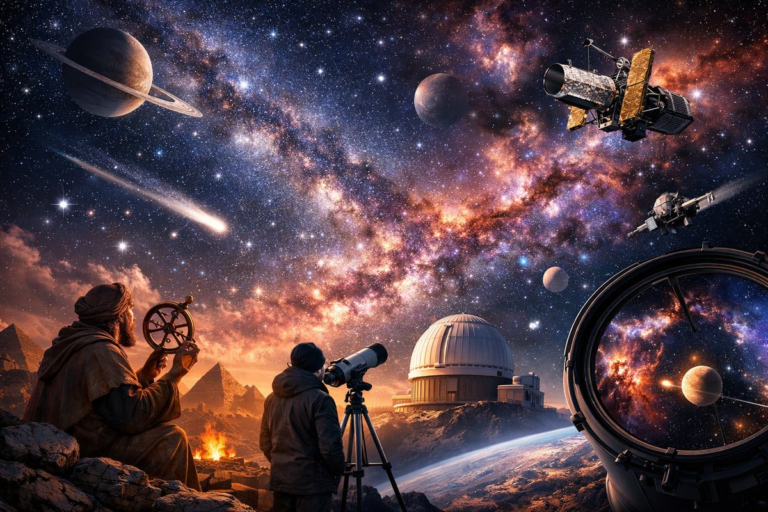
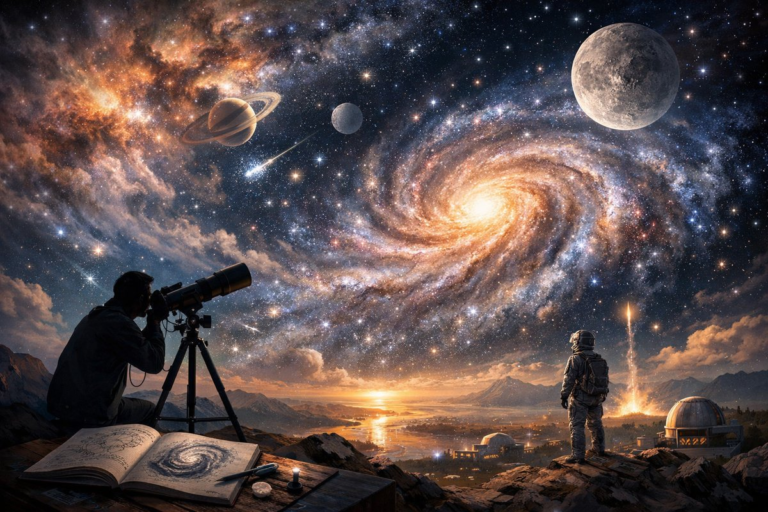
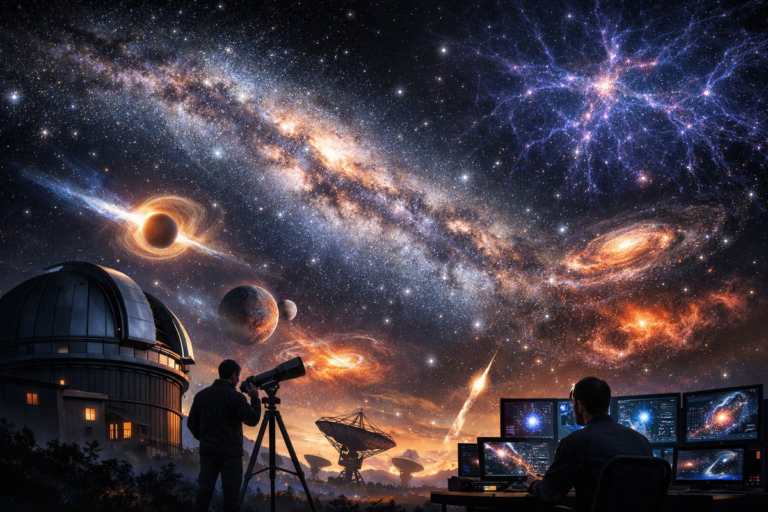
The advent of the telescope in the 17th century marked a pivotal moment. Suddenly, the universe revealed details invisible to the naked eye: moons orbiting Jupiter, the rugged surface of the moon, and countless stars beyond what was once imagined. Each discovery expanded our cosmic horizon, fueling a feedback loop of curiosity and understanding. Today, sophisticated space telescopes scan the heavens, capturing light from billions of years ago, allowing us to peer into the universe’s infancy.
Modern astrophysics confronts questions that border on the philosophical. What is dark matter, the unseen substance making up most of the universe’s mass? What triggered the Big Bang, the cosmic event that birthed space and time? Are there other universes beyond our own? These inquiries push the limits of technology and imagination alike, inviting collaboration between physicists, mathematicians, and even philosophers.
Yet, cosmic curiosity is not confined to professional scientists. Amateur astronomers armed with modest telescopes and smartphone apps contribute valuable observations, bridging the gap between expert knowledge and public engagement. This democratization of astronomy fosters a collective sense of wonder and stewardship for the cosmos.
The emotional dimension of cosmic curiosity is profound. Gazing at the stars often evokes feelings of awe, humility, and connection. It challenges the anthropocentric view that humans are the center of existence and encourages a broader perspective that embraces uncertainty and mystery. This emotional engagement can inspire environmental consciousness, as recognizing Earth’s fragility amid the vast cosmos motivates efforts to protect our planet.
Furthermore, cosmic curiosity intersects with art and culture. From science fiction literature imagining distant galaxies to visual art capturing nebulae’s ethereal beauty, the cosmos fuels creativity. This interplay enriches both science and the humanities, highlighting the universe’s role as a shared source of inspiration.
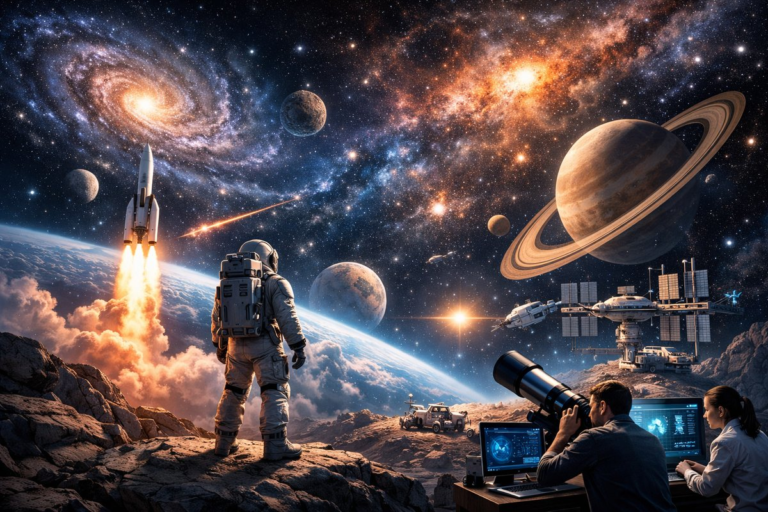
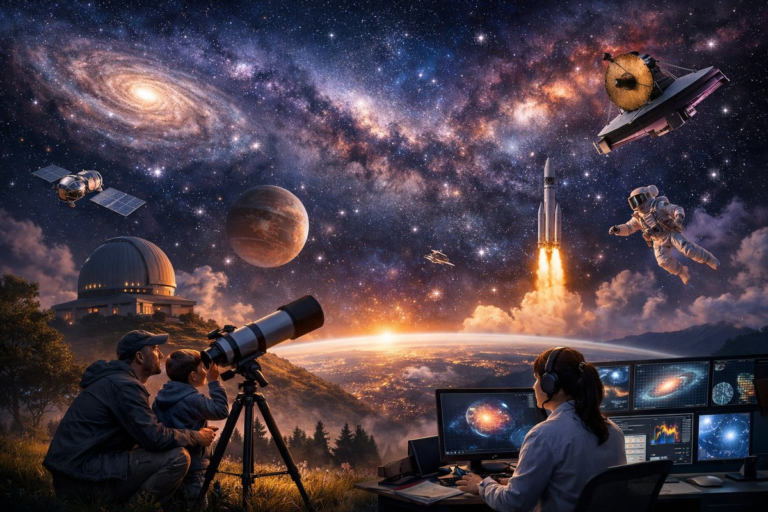
In practical terms, the technologies developed for space exploration have yielded innovations with everyday benefits. Satellite communications, GPS navigation, and advanced imaging techniques stem from the quest to understand and navigate space. These tools have transformed global connectivity and scientific research on Earth.
Looking ahead, missions to Mars, probes to icy moons, and searches for extraterrestrial life promise to deepen our cosmic knowledge. As we prepare to send humans farther into space, the ethical and philosophical implications of becoming an interplanetary species come into sharper focus. How will this expansion affect our identity and responsibilities?
Ultimately, cosmic curiosity embodies the human spirit’s restless pursuit of knowledge and meaning. It challenges us to embrace complexity, cherish our planet, and dream beyond the confines of our terrestrial home. In an era defined by rapid technological change and environmental uncertainty, the cosmos offers both a mirror and a beacon-reflecting our shared origins and illuminating paths toward a more thoughtful, connected future.